Table of Contents >> Show >> Hide
- The Short Answer: What Can You Flush?
- Why Toilet Paper Gets the VIP Pass
- What to Do the Moment You Realize the Roll Is Empty
- Emergency Alternatives Ranked From Best to Worst
- Things People Think Are Flushable But Absolutely Are Not
- What If You Have a Septic System?
- How to Set Up a Bathroom Backup Plan
- Simple Rules for a Toilet Paper Emergency
- Conclusion
- Everyday Toilet Paper Emergency Experiences and Lessons
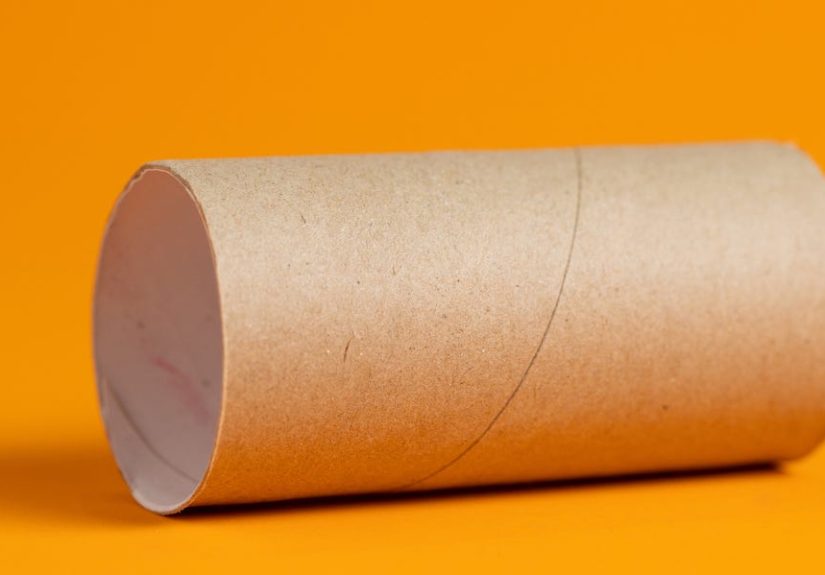
Running out of toilet paper is one of those tiny household crises that instantly feels like a full-blown emergency. One second you are minding your business, and the next you are staring at an empty cardboard tube like it personally betrayed you. In that moment, the temptation is real: grab tissues, paper towels, wipes, napkins, cotton pads, “flushable” anything, and hope your plumbing has a generous heart.
Bad news: your pipes are not generous. They are dramatic, expensive, and surprisingly unforgiving.
If you are out of toilet paper, the smartest move is not asking, “What can I force down the toilet?” It is asking, “What can I use safely without wrecking my bathroom?” That distinction matters. The toilet is not a magical portal where bad decisions disappear. It is part of a plumbing system that can clog, back up, smell awful, and turn a simple bathroom problem into a mop-and-regret situation.
This guide breaks down what you can actually flush, what you should never flush, what to use when the roll is empty, and how to handle the situation like a calm, capable adult instead of a bathroom gambler. There will be practical tips, real-world examples, and a little humor, because frankly, this topic needs it.
The Short Answer: What Can You Flush?
Let’s start with the answer people usually need right away.
- Yes: human waste and toilet paper.
- No: wipes, even “flushable” wipes, paper towels, facial tissues, napkins, tampons, pads, cotton balls, cotton swabs, diapers, dental floss, hair, cat litter, food scraps, grease, and most medications.
That is the boring answer, but it is also the money-saving answer. Toilet paper is designed to break apart quickly in water. Most other bathroom and paper products are designed to stay strong when wet, which is excellent for cleaning spills and terrible for your pipes.
So if you have run out of toilet paper, the goal is not to find a “close enough” paper product and flush it anyway. The goal is to choose a backup method and then dispose of it the right way.
Why Toilet Paper Gets the VIP Pass
Toilet paper is basically the one guest invited to the plumbing party. It is made to break down faster than paper towels, tissues, wipes, and other absorbent products. That quick breakdown helps it move through household plumbing, sewer lines, and many septic systems with less risk of forming clogs.
Paper towels and facial tissues may look similar, but they behave very differently in water. Paper towels are built to stay tough while scrubbing counters and soaking up spills. Tissues are made to stay soft when damp. Wipes are often made with stronger fibers that do not disintegrate like toilet paper. Translation: your drain sees them less as “paper” and more as “future problem.”
This is why people get fooled. A product feels soft. It tears easily. It seems paper-like. But the sewer system does not care about appearances. It cares about whether that item breaks down quickly enough to move without tangling, snagging, or collecting into a gross little monster with grease and debris.
What to Do the Moment You Realize the Roll Is Empty
1. Pause Before You Panic-Flush
The worst move is a panic decision. You grab a wad of paper towels, toss it in, flush, and hope for the best. That is how people end up plunging toilets while questioning every life choice that led them there.
Take a breath. Check what is actually available first. In many homes, there is a better option than “mystery paper.”
2. Water Is Usually Your Best Emergency Backup
If you have access to clean water, that is often the best short-term toilet paper alternative. You can use:
- a bidet attachment or bidet toilet seat
- a handheld bidet sprayer
- a peri bottle or squeeze bottle
- a clean cup for rinsing
- a quick rinse in the shower
Water cleaning is simple, effective, and does not ask your plumbing to digest a paper towel. After rinsing, you can air-dry briefly or pat dry with a small amount of cloth or another disposable item that goes in the trash, not the toilet.
If you are cleaning front to back, keep it that way with water too. Gentle technique matters. Bathroom improvisation should not become a hygiene plot twist.
3. If You Use a Disposable Backup, Throw It Away
If water is not an option, the next best emergency substitute is a disposable item that goes into a lined trash can. Good candidates include:
- facial tissues
- napkins
- paper towels
- soft disposable cloths
Are these perfect? Not really. Are they flush-safe? Definitely not. But in an emergency, using them and throwing them away is far smarter than flushing them and meeting your plunger on a first-name basis.
4. Cloth Can Work if You Handle It Correctly
Some people use a clean washcloth, soft rag, or reusable cloth wipe in a genuine pinch. That can work, but only if you treat it like laundry, not like a magic self-cleaning object. Use a dedicated cloth, place it in a separate bag or hamper, and wash it thoroughly with hot water and detergent.
This option is practical at home, but probably not the move when you are in a public restroom, at your friend’s apartment, or at a holiday rental with exactly one decorative hand towel and a lot of emotional risk.
Emergency Alternatives Ranked From Best to Worst
Best Options
Bidet or water rinse: Clean, practical, and easiest on plumbing.
Peri bottle or squeeze bottle: Cheap, easy to store, and excellent for bathroom emergencies.
Shower rinse: Not glamorous, but undeniably effective.
Acceptable in a Pinch
Facial tissues: Soft, but trash only.
Napkins: Trash only, and not always skin-friendly.
Paper towels: Effective, but rougher and absolutely not flushable.
Clean soft cloths: Reusable, but require proper washing.
Things to Avoid Using on Your Body if Possible
Receipts, magazine pages, printer paper, cardboard-like napkins, and anything scented, harsh, glittery, or likely to irritate sensitive skin. If it feels like it belongs in an arts-and-crafts drawer or office supply closet, keep it away from the mission.
Things People Think Are Flushable But Absolutely Are Not
This is the part where plumbing reality ruins several popular myths.
“Flushable” Wipes
These are the most famous bathroom liars. The label says “flushable.” Your sewer utility says, “Please do not.” Wipes do not break down like toilet paper, which means they can snag in pipes, collect grease, and contribute to clogs and sewer blockages. If you like wipes, fine. Just treat them like trash, not toilet paper with a marketing team.
Paper Towels
Paper towels are designed to stay strong when wet. That is the opposite of what you want inside plumbing. Great for cleaning spaghetti sauce off the counter. Bad for asking your toilet to swallow.
Facial Tissues
They may look harmless, but they do not break down the same way toilet paper does. A few tissues might seem innocent. Repeated flushing turns “probably okay” into “why is the toilet burping?”
Tampons, Pads, and Other Menstrual Products
These belong in the trash. They absorb liquid, expand, and can create major plumbing issues. A toilet is not a disposal chute for personal care products.
Cotton Balls, Swabs, and Makeup Pads
These do not dissolve. They clump, tangle, and act like tiny stubborn roadblocks.
Dental Floss and Hair
Neither item breaks down well, and both can wrap around other debris to help create a clog with the teamwork of a very bad sports movie.
Cat Litter
Even if the package says natural or flushable, litter can swell, harden, and cause blockages. Pet waste may also introduce unwanted pathogens. Keep it out of the toilet.
Medicine
Most medicines should not be flushed. In general, use take-back programs or trash-disposal instructions. There are limited exceptions for certain medicines on the FDA flush list, but that is not something to improvise on the fly while standing in your bathroom holding a random bottle.
What If You Have a Septic System?
If your home uses a septic tank, you need to be even more careful. Septic systems depend on a balance of physical breakdown and biological activity. Flushing the wrong items can create clogs, interfere with system function, and lead to expensive maintenance. In a sewer-connected home, a bad flushing habit is risky. In a septic home, it is often risky and expensive.
In plain English: when you have a septic system, “maybe it will be fine” is not a strategy. It is a donation to your future repair bill.
How to Set Up a Bathroom Backup Plan
The smartest way to deal with a toilet paper shortage is to make sure the next one is boring. Keep a small emergency bathroom kit with:
- an extra roll or two of toilet paper
- a travel pack of tissues for temporary use
- a lined trash can with a lid
- a peri bottle or small squeeze bottle
- a few clean washcloths
- hand soap and sanitizer
This kind of kit is especially useful in guest bathrooms, kids’ bathrooms, small apartments, RVs, and homes where toilet paper vanishes at a rate that defies math.
Simple Rules for a Toilet Paper Emergency
- If it is not toilet paper, assume it does not belong in the toilet.
- Use water when possible.
- If you use tissues, paper towels, or wipes, put them in the trash.
- Do not trust the word “flushable” more than you trust your local plumber.
- When in doubt, protect the pipes first.
Conclusion
When you run out of toilet paper, the real emergency is not cleanliness. It is decision-making. You can stay clean without turning your plumbing into a horror story, but only if you remember the golden rule: just because something fits in a toilet does not mean it belongs there.
The safest answer to “What can you flush?” is wonderfully unexciting: human waste and toilet paper. That is it. Everything else should be judged by two questions: can I use this safely on my body, and can I throw it away instead of flushing it? Water-based cleaning, a bidet, a peri bottle, or even a quick shower beat a clogged toilet every single time.
So the next time the roll runs out, do not improvise like a chaotic inventor in a paper-products aisle. Use a smarter backup, protect your plumbing, and let your toilet keep its dignity. Yours too.
Everyday Toilet Paper Emergency Experiences and Lessons
Most people do not think about toilet paper strategy until the exact second they need one. That is why these situations tend to feel so oddly memorable. Take the classic late-night apartment emergency: you discover the roll is empty, every store nearby is closed, and the only things in reach are paper towels thick enough to polish a car. The lesson is obvious in hindsight. The paper towel is not the villain; flushing it is. People who avoid disaster in that moment usually do one of two things: switch to water-based cleaning or use the towel and put it in a lined trash can. Glamorous? No. Effective? Absolutely.
Then there is the guest-bathroom problem, which has a special kind of social pressure. Nobody wants to be the person who asks, from behind a locked door, whether there is more toilet paper somewhere. So people start making terrible silent choices. They reach for decorative napkins, tissues, or something that should never go anywhere near plumbing. In real life, the smartest move is usually the most human one: ask. A quick, slightly awkward question is far better than leaving your host with an overflowing toilet and a mystery they did not deserve.
Families with kids know this problem in an entirely different way. Children are often convinced that if one square of paper is good, half a roll must be better. Then the backup roll disappears, and suddenly someone decides baby wipes, toy packaging, or an impressive amount of tissue paper can go for a swim. The experience many parents learn from is simple: bathroom rules need to be blunt, visible, and repeated often. “Only pee, poop, and toilet paper” may not be poetry, but it saves plumbing. Add a trash can, keep extra rolls within reach, and you reduce the odds of a very expensive science experiment.
People in older homes tend to learn another version of the same lesson. Maybe the plumbing already drains slowly. Maybe the house has a septic system with zero patience for creative flushing. In those homes, running out of toilet paper becomes less of a nuisance and more of a test of discipline. Homeowners who have dealt with backups usually become bathroom realists. They keep spare rolls, a plunger, and often a bidet attachment or squeeze bottle because they know prevention is cheaper than repair. Once you have paid for a plumber on a weekend, you stop believing in “probably fine.”
Travel creates its own toilet paper stories too. Hotels, vacation rentals, road trips, campgrounds, and airport bathrooms all introduce the same basic truth: you cannot assume your preferred setup will be waiting for you. People who travel a lot often end up carrying a tiny emergency kit without even planning to become “bathroom preparedness” enthusiasts. A few tissues, a small bottle of water, and a basic sense of what not to flush can rescue an entire day. It is not dramatic survivalism. It is just knowing that comfort and common sense travel well together.
The biggest shared experience, though, is what people say afterward: “I should have just used water and thrown the rest away.” That sentence shows up again and again because it solves most of the problem. Clean yourself. Protect the pipes. Do not ask the toilet to do side quests. Once people learn that, running out of toilet paper stops feeling like a crisis and starts feeling like a mildly annoying problem with a very manageable answer.