Table of Contents >> Show >> Hide
- The 10-second answer: check these aisles first
- Why tahini never seems to be in the same place twice
- 7 common places to find tahini (with aisle clues)
- 1) Nut & seed butter aisle (the most common spot)
- 2) International foods aisle (Mediterranean/Middle Eastern)
- 3) Condiments & sauces aisle
- 4) Natural/organic or “health food” section
- 5) Kosher/Jewish foods section
- 6) Near the hummus (sometimes refrigerated, sometimes not)
- 7) Specialty/imports or “gourmet” aisle
- How to find tahini fast (even if the store is chaos)
- What exactly is tahini (and what it’s not)
- How to choose a good tahini jar (without overthinking it)
- If the shelf is empty: smart substitutes (and when they work)
- How to store tahini at home (and keep it from turning into a cement block)
- Quick FAQ
- Real-World Grocery Store Experiences: The Tahini Treasure Hunt (500-ish words of “yep, that happened”)
- Conclusion
Tahini is the kind of ingredient that makes you feel like a kitchen wizard… right up until you can’t find it anywhere in the store and start questioning reality.
(Was it in “International”? “Nut Butters”? “The Bermuda Triangle Aisle”?)
The good news: tahini is common in U.S. supermarkets now. The annoying news: there’s no universal “Tahini Headquarters” aisle.
This guide gives you a fast, practical way to locate tahini in almost any grocery storeplus what to look for on the label, how to store it, and what to do if it’s sold out.
The 10-second answer: check these aisles first
- Nut & seed butter aisle (near peanut butter and almond butter)
- International/Mediterranean/Middle Eastern foods (near hummus ingredients like chickpeas, pita, olive oil, and spices)
- Condiments & sauces (near salad dressings, hot sauces, marinades, and specialty spreads)
- Kosher/Jewish foods section (often adjacent to international foods)
- Natural/organic or “health food” aisle (especially at larger stores)
Why tahini never seems to be in the same place twice
Grocery stores organize products based on shopper habits, supplier agreements, and shelf layouts (aka “planograms”).
Tahini sits awkwardly between categories: it’s a pantry staple in Middle Eastern cooking, but it behaves like a nut butter, and it’s used like a sauce base.
So stores may stock it where they think their customers will look first.
One more twist: some stores stock multiple tahinis in different areaslike a mainstream jar in nut butters and a specialty brand in international foods.
It’s not personal. It’s just retail doing retail things.
7 common places to find tahini (with aisle clues)
1) Nut & seed butter aisle (the most common spot)
Start here first. Many supermarkets place tahini next to peanut butter, almond butter, sunflower seed butter, and other spreads.
Look on the top shelf and bottom shelf tootahini sometimes gets “specialty-item” treatment and ends up far from eye level.
What you’ll see nearby: peanut butter, almond butter, jam, honey, Nutella, seed butters, sometimes ghee.
2) International foods aisle (Mediterranean/Middle Eastern)
If your store has a dedicated international aisle, tahini often appears with Mediterranean or Middle Eastern items.
Scan for sections labeled Middle Eastern, Mediterranean, Greek, or Levant.
What you’ll see nearby: chickpeas, falafel mix, grape leaves, harissa, tahini-adjacent snacks like halva, pita, and imported olive oils.
3) Condiments & sauces aisle
Some stores treat tahini like a sauce base rather than a “butter.” In that case, check condiments and specialty sauces.
It may sit near salad dressings, marinades, chili crisp, hot sauce, or fancy spreads.
What you’ll see nearby: tahini dressing bottles, sesame-based sauces, vinaigrettes, mayonnaise, mustard, and international condiments.
4) Natural/organic or “health food” section
In stores with a big natural foods area, tahini may live thereespecially organic versions or “no additives” brands.
If you see a section loaded with chia, flax, almond flour, collagen powders, and kombucha fans nodding knowingly, you’re close.
What you’ll see nearby: organic nut butters, alternative sweeteners, gluten-free baking supplies, superfood snacks.
5) Kosher/Jewish foods section
Tahini is commonly used across Middle Eastern and Mediterranean cuisines and can show up in or near kosher sections in some supermarkets.
If your store has a kosher endcap or a labeled aisle section, it’s worth a quick scan.
What you’ll see nearby: matzo, kosher sauces, pickles, imported shelf-stable items.
6) Near the hummus (sometimes refrigerated, sometimes not)
Tahini itself is shelf-stable, but some stores place it near the refrigerated dips because shoppers mentally connect tahini with hummus.
This is less common, but it’s a real thingespecially in smaller specialty markets.
What you’ll see nearby: hummus, baba ganoush, tzatziki, pita, fresh dips, sometimes pre-made tahini sauce.
7) Specialty/imports or “gourmet” aisle
In higher-end supermarkets, tahini may get grouped with imported ingredients and gourmet spreads.
Think: the aisle that makes you say, “I came for eggs and somehow ended up considering truffle honey.”
How to find tahini fast (even if the store is chaos)
Use the store’s app (or the grocery delivery search) like a detective
Many major retailers list exact aisle locations in their apps. Search the word tahini and also try:
tahina, sesame paste, sesame seed paste, or even a popular brand name if you know one.
If the app shows an aisle number, you just skipped 12 minutes of wandering and one unnecessary emotional journey.
Ask for “sesame seed paste” if someone looks confused
Not every employee hears “tahini” daily. But “sesame seed paste” usually clicks.
And if you say it with confidence, you’ll sound like you’re hosting a cooking show. Bonus.
Scan the label shapes (it’s not always in a jar)
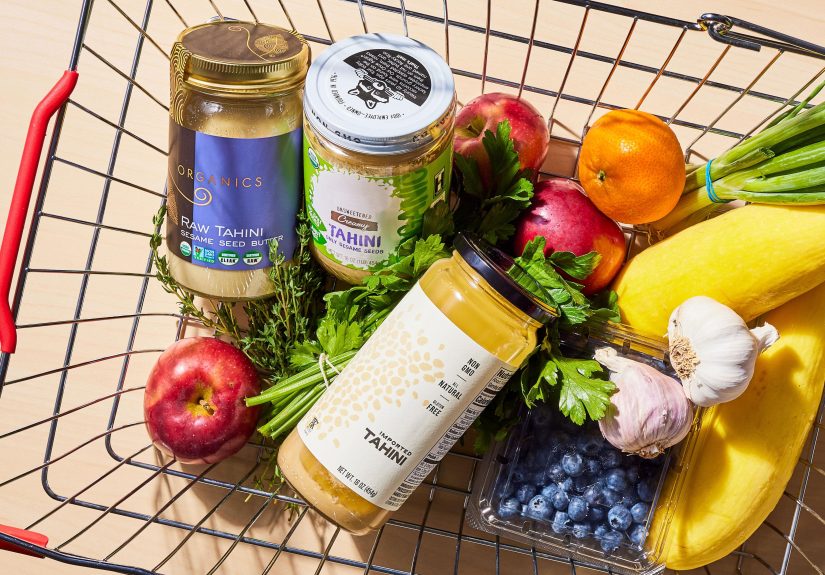
Tahini comes in glass jars, plastic tubs, and sometimes squeeze bottles.
If you’re only looking for one format, you might literally walk right past it.
What exactly is tahini (and what it’s not)
Tahini is a paste made from ground sesame seedsthink “sesame butter.” It’s a key ingredient in hummus and many sauces and dressings.
Most tahini is creamy, beige, and nutty with a gentle bitterness.
Don’t confuse it with:
- Chinese sesame paste (often darker, more strongly roasted, and used in Chinese sauces and noodles)
- Sweetened sesame spreads (sometimes labeled sesame butter but formulated like a dessert spread)
- Prepared tahini sauce (already mixed with lemon/garlic/water and usually refrigerated)
How to choose a good tahini jar (without overthinking it)
Check the ingredients list
For classic tahini, the ingredients are often just sesame seeds (sometimes “hulled sesame seeds”).
Some brands include salt; that’s not automatically bad, but it does affect flavor if you’re baking or making hummus.
Expect oil separation (it’s normal)
Like natural peanut butter, tahini often separates. You’ll see oil on top and thicker paste underneath.
That doesn’t mean it’s spoiledit means it’s doing its natural thing. Just stir well (more on that below).
Pick your flavor style: raw vs. roasted, hulled vs. unhulled
- Roasted: deeper, toastier, more “sesame-forward” flavor
- Raw/lightly roasted: milder, sometimes slightly sweeter
- Hulled: smoother and lighter in color (common in U.S. grocery stores)
- Unhulled: darker and more bitter/earthy (often found in specialty stores)
If the shelf is empty: smart substitutes (and when they work)
If tahini is sold out, you can still salvage dinner. The “best” substitute depends on the role tahini plays in your recipe:
creamy body, nutty flavor, or sesame-specific taste.
For dressings and sauces
- Sunflower seed butter (unsweetened): similar texture and mild flavor
- Cashew butter (unsweetened): very creamy, less sesame flavor
- Natural peanut butter: works in a pinch, but the flavor shifts
Tip: If you have toasted sesame oil, a tiny drizzle can add back some sesame aromabut go easy; it’s powerful.
For hummus
You can make hummus without tahini, but it won’t taste the same. Use a mild nut/seed butter for creaminess,
then boost flavor with lemon, garlic, cumin, and good olive oil.
For baking
Tahini shines in cookies and bars because it’s nutty and rich. Sub in unsweetened seed butter or cashew butter,
keeping an eye on salt and sweetness.
How to store tahini at home (and keep it from turning into a cement block)
Pantry vs. fridge
Unopened tahini belongs in a cool, dark pantry.
After opening, many people keep it in the pantry for a smoother, easier-to-stir texture. Refrigeration can extend freshness,
but it also makes tahini thicker and harder to mix.
Stirring tips that save your sanity
- Stir it the first time like you mean it: scrape the bottom and fold it into the oil on top.
- Use a sturdy tool: a butter knife, small spatula, or chopstick for the edges.
- Transfer to a wider container (optional): if the jar is narrow, mixing is a workout.
Important: tahini sauce is different
Once you mix tahini with water, lemon juice, garlic, or herbs to make a sauce, treat it like a fresh condiment:
store it in the refrigerator and use it within a short window for best quality.
Quick FAQ
Is tahini always in the international aisle?
Not always. Many stores place it in nut butters first, then international foods second. When in doubt, check both.
What should I type in the app if “tahini” shows nothing?
Try “sesame paste,” “sesame seed paste,” or “tahina.” Also try searching a known brand name if you have one.
Is tahini gluten-free and vegan?
Pure tahini (sesame only) is typically gluten-free and vegan, but always check labelsespecially for flavored versions or blends.
Why does mine taste bitter?
Tahini naturally has some bitterness. Unhulled or very roasted versions can taste more assertive.
If it tastes sharp, stale, or “paint-like,” it may be rancid and should be replaced.
Real-World Grocery Store Experiences: The Tahini Treasure Hunt (500-ish words of “yep, that happened”)
There’s a special kind of optimism that hits when you walk into a grocery store thinking,
“I just need tahini. In and out. Easy.” That optimism usually lasts until you’re standing in front of peanut butter,
reading labels like you’re cracking a code, whispering, “Is this… chickpea-adjacent?”
Scene one: The Nut Butter Aisle Standoff. You’re scanning jarscreamy, crunchy, extra crunchy, “stir before using,” “stir and then stir again,”
and one suspiciously confident jar that says “NO STIR!” (Respect the confidence, but also: what are you hiding?)
Then you spot ittahinitucked on the top shelf like it’s shy. Or maybe it’s just avoiding eye contact because it knows what you did with hummus last time.
Scene two: The International Aisle Detour. You head to “International Foods” and immediately get distracted by twelve kinds of olives,
a spice mix you didn’t know existed, and a jar of something that looks like it was imported directly from a Mediterranean grandmother’s pantry.
You came for tahini; you leave with harissa, preserved lemons (who even are you now?), and a new personality trait: “buys fancy condiments.”
Scene three: The App Saves the Day. After a lap around the store that could qualify as cardio, you open the retailer’s app.
You type “tahini.” Nothing. You type “sesame paste.” Booman aisle number appears like a divine message.
Suddenly you’re speed-walking with purpose, passing the frozen pizza section like, “Not today, sir, I have a mission.”
The app is basically a GPS for your dinner plans, and honestly, it deserves a little thank-you note.
Scene four: The Employee Translation Moment. You politely ask an employee, “Do you know where tahini is?”
They blink. You pivot: “Sesame seed paste?” Their face changesrecognition!and now you’re being escorted like a VIP
to the exact shelf. It’s not awkward. It’s efficient. (Okay, it’s a tiny bit awkward, but you got tahini, so you win.)
Scene five: The Stirring Reality Check. You get home, twist open the jar, and discover an oil layer sitting on top like it’s sunbathing.
For a second you panicthen you remember: separation is normal. You stir. And stir. And stir.
Halfway through, you realize this is basically arm day. The payoff? Creamy, nutty tahini that turns into a sauce in minutes
and makes roasted vegetables taste like they graduated culinary school.
The big lesson from all these tahini adventures: it’s not that you’re bad at shoppingtahini just enjoys being “in a few places.”
Check nut butters first, international second, and let the store app do the heavy lifting. Your hummus will thank you.
Your steps counter will also be thrilled.
Conclusion
Tahini is usually closer than you thinkyou just have to know where stores like to hide it.
Start with the nut and seed butter aisle, then check international foods, condiments, kosher sections, and natural foods.
Use the store app with search terms like “sesame paste” if “tahini” comes up empty, and remember: oil separation is normal,
sauce needs refrigeration, and a good tahini label is refreshingly simple.