Table of Contents >> Show >> Hide
- First: What Exactly Are Morels (and Why Are They So Hard to Find)?
- When to Hunt: Timing Morel Season Like a Pro
- Where to Find Morel Mushrooms: The Habitat Cheat Sheet
- Finding Legal Spots: Public Lands, Permits, and “Please Don’t Get Towed”
- Morel Safety 101: How to Avoid False Morels and Other Regrets
- Food Safety: How to Clean and Cook Morels for a Safe Feast
- A Repeatable Strategy: Build Your Own “Morel Map”
- Specific Examples: What “Good Morel Habitat” Looks Like in Real Life
- Pre-Trip Checklist (Because the Woods Don’t Care That You’re “Just Going for a Minute”)
- Extra: of Real-World “Morel Hunting” Experiences (So You Know What to Expect)
- Conclusion
Morel mushrooms are the culinary version of a limited-edition sneaker drop: they show up briefly, disappear suddenly, and make perfectly reasonable adults crawl around the woods like they lost a contact lens. The good news? You can learn where to find morel mushrooms consistently. The better news? You can do it without accidentally bringing home a “false morel” that turns your feast into a very memorable call to Poison Control.
This guide breaks down when morels pop, where they like to hide, how to choose legal places to forage, and the safety rules that keep your spring dinner delicious instead of dramatic. Grab a mesh bag, your most optimistic attitude, and let’s go on a treasure hunt where the treasure tastes like earthy, buttery magic.
First: What Exactly Are Morels (and Why Are They So Hard to Find)?
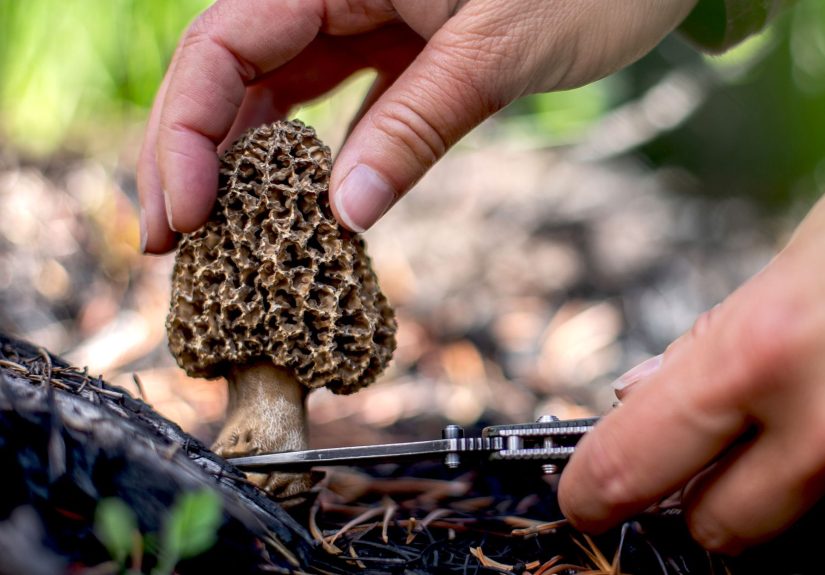
True morels (genus Morchella) are wild mushrooms famous for their honeycomb-like capfull of pits and ridges that trap tiny bits of forest floor (aka “seasoning you didn’t ask for”). They’re prized because they have a deep, nutty, woodsy flavor and a meaty texture that holds up in cooking.
Morels are also famously fickle. They tend to fruit in a short seasonal window, and their appearance is tightly linked to temperature, moisture, tree health, and site conditions. That’s why two people can walk the same woods: one goes home with a basket of morels, the other goes home with “a really nice stick.”
When to Hunt: Timing Morel Season Like a Pro
In much of the U.S., morel season generally runs from early spring into early summer, moving like a slow wave from warmer southern areas to cooler northern areas and higher elevations. Instead of obsessing over a single calendar date, think in patterns:
- Early season: lower elevations, warmer microclimates, and earlier spring weather.
- Mid-season: classic hardwood forests and old orchard edges.
- Late season: cooler north-facing slopes, shaded areas, and higher elevations.
Weather matters more than your wishful thinking. Many hunters watch for daytime temperatures comfortably in the spring range and a stretch of damp conditionsespecially after rain. Phenology cues (what plants are doing) can help too. In some regions, morel flushes line up with blossoms and budding events in the landscape.
Where to Find Morel Mushrooms: The Habitat Cheat Sheet
If you want to find morels, stop thinking “random woods” and start thinking “specific woods with specific clues.” Morels often show up in predictable placesespecially near certain trees and in certain site conditions.
1) Look for the “Morel Trees” (Especially Trees That Are Stressed or Dying)
Morels are commonly associated with hardwood areas and woody edges. A reliable starting point is scouting around dead, dying, or declining hardwoods. Why? In many regions, morels are frequently found near trees under stress, potentially because of changes in root activity and the forest floor environment.
High-odds tree clues include:
- Elm: Especially older or recently dead elms in spring woods. In many places, dead/dying elms are classic morel markers.
- Ash: Morels are often found near ash as well. With widespread ash decline in parts of the U.S., hunters often check these areas carefully.
- Poplar / aspen: Wooded edges and stands can be productive depending on region and timing.
- Old apple orchards: Abandoned orchards and their edges can be legendary for yellow morels.
- Other hardwood companions: Depending on your region, you may also see morels near mixed hardwood species along slopes and forest margins.
Pro tip: Don’t just stare at the ground. Look up and read the trees. Bark slipping off a dying trunk, dead branches in the canopy, and a rough “this tree has seen better decades” vibe can all be useful signals.
2) Work the Right Slopes and Microclimates
Slope direction affects sunlight and soil warmth. A simple approach that many hunters use:
- Early season: Check south-facing slopes and warmer edges first (they warm up sooner).
- As the season advances: Shift toward east-facing slopes (gentler morning sun) and then north-facing slopes and shaded areas later.
Morels also like moisturebut not swampy misery. Think moist, well-drained soil, especially in ravines, along wooded creek corridors, or where the ground holds a bit of humidity without turning into soup.
3) Don’t Ignore Disturbance: Burn Sites, Logged Areas, and “Changed” Forests
Some of the most dramatic morel flushes happen after disturbanceespecially forest fires. “Burn morels” can show up in impressive numbers in areas burned the previous season, and sometimes for a couple of seasons afterward.
Not every burn is a buffet, and access can be tricky. Burn areas may have special rules, closures, or safety risks (unstable trees, ash pits, rough footing). But if you can legally access a safe burn zone at the right time, it can be one of the most productive morel experiences you’ll ever have.
Finding Legal Spots: Public Lands, Permits, and “Please Don’t Get Towed”
Before you become the woodland goblin of your dreams, make sure you’re allowed to harvest where you’re hunting. Rules vary by land manager and locationand they can change.
National Forests (U.S. Forest Service)
Many National Forests allow personal-use mushroom collecting, but permits and limits vary by forest. Some forests issue free personal-use permits with daily and seasonal quantity limits. Others require permits for more than incidental amounts. A few forests also have handling rules (for example, requiring morels to be sliced lengthwise) and may restrict resale on personal-use permits.
Translation: check the website or call the ranger district for the specific National Forest you plan to visit.
BLM Lands
On many Bureau of Land Management areas, small amounts of mushrooms (including morels) can be collected for personal use, with restrictions for protected species and special areas. Because policies can be location-specific, treat BLM land like a “verify first” situation, not a “YOLO, I brought a frying pan” situation.
National Parks
Foraging rules in National Parks are not uniform. Some parks allow limited personal-use collection with strict daily limits, while others prohibit it. Always check the specific park’s policy. For example, some parks explicitly allow a small amount of edible fungi per person per day for personal consumption, but prohibit commercial harvesting.
State Forests, State Parks, and Wildlife Areas
Many states allow personal-use morel hunting on certain public lands, often with limits and “no selling” rules. State DNR sites frequently publish seasonal tips and legal notesworth reading before you pack the snacks.
Private Property and Old Orchards
Old apple orchards can be prime, but many are on private land. Get permission. Be respectful. Close gates. Don’t leave trash. And if someone says, “Sure, but watch out for the bull,” believe them.
Morel Safety 101: How to Avoid False Morels and Other Regrets
Here’s the rule that keeps you alive: Only eat mushrooms you can identify with certainty. “Looks close enough” is not a valid food safety strategy.
True Morel Identification Checklist
- Honeycomb cap: Pitted, sponge-like ridges and valleys (not wrinkled “brain-like” folds).
- Hollow inside: When sliced lengthwise, a true morel is generally hollow from cap through stem.
- Cap attachment: In many true morels, the cap is attached to the stem (rather than hanging free like a skirt).
Common Look-Alikes to Avoid
“False morels” is an umbrella term people use for several mushrooms that can resemble morels at a glance. Two groups are especially important:
- Gyromitra species: Often have wrinkled, folded, or brain-like caps. Some contain gyromitrin, a serious toxin that can be dangerous even in small amounts.
- Verpa species: Sometimes called “early false morels” or “thimble morels.” Some have caps that hang free from the stem rather than attaching at the base.
If you’re new, consider getting help from a local mycological society, an extension program, or an experienced forager. A good mentor is cheaper than an ER visit.
Food Safety: How to Clean and Cook Morels for a Safe Feast
Even true morels have an important “fine print” rule: cook them thoroughly. Raw or undercooked morels have been linked to gastrointestinal illness. Public health investigations have found strong associations between illness and consuming raw morels, and food safety agencies have also emphasized that false morels are toxic and should not be eaten.
Cleaning Morels Without Turning Them Into Mush
- Slice lengthwise: Cut each morel in half from tip to stem. This helps confirm hollowness and exposes hidden grit and bugs.
- Shake and brush: Tap halves gently and brush out debris from the pits.
- Rinse briefly: A quick rinse is fine. Avoid long soaking unless they’re truly sandymorels can absorb water.
- Dry well: Pat dry or air dry before cooking so they sauté instead of steam.
Cooking Basics (Delicious, Not Dangerous)
- Cook thoroughly: Sauté, roast, or fry until fully cooked throughno “barely warmed” morels.
- Start small: Some people are sensitive even to cooked morels. Try a modest portion the first time each season.
- Be extra cautious with kids and older adults: When in doubt, keep portions small and preparations simple.
Storing Morels
- Short-term: Refrigerate in a paper bag or breathable container for a few days.
- Long-term: Many foragers dry them or freeze them after cooking (for example, after a sauté) so they hold their texture better.
A Repeatable Strategy: Build Your Own “Morel Map”
The best morel hunters aren’t just luckythey’re organized (which is a rude advantage in the woods, honestly). If you want to find morels year after year, try this:
- Pick a small scouting circuit: 3–5 locations you can revisit weekly.
- Track conditions: Note recent rain, warm stretches, and when your first morels appear.
- Mark tree clues: Dead/dying elms, declining ash, old orchard edges, disturbed soil.
- Work slopes in sequence: South-facing early, then shift as spring progresses.
- Record “hot zones”: Morels often return to productive areas in future seasons (conditions permitting).
Over time you’ll build a personal map that’s more valuable than any viral “secret spot” postbecause it’s yours, and it’s legal.
Specific Examples: What “Good Morel Habitat” Looks Like in Real Life
Here are a few concrete habitat scenes that match what many state agencies and extension programs describe. Use them like mental snapshots:
- Old orchard edge: Abandoned apple trees with tall grass and a brushy border where woods meet field.
- Hardwood hillside: A south-facing slope with mixed hardwoods and a couple of recently dead elmsmoist leaf litter, not soggy.
- Ash corridor: A floodplain edge or wooded valley with ash present and signs of decline.
- Burn scar: A legally accessible area burned last season where the forest floor is open and recovering.
Pre-Trip Checklist (Because the Woods Don’t Care That You’re “Just Going for a Minute”)
- Confirm rules: Land manager, permits, limits, and whether selling is prohibited.
- Bring the right bag: A mesh/onion-style bag helps keep mushrooms airy and can help spread spores as you walk.
- Dress for reality: Boots, long pants, and tick awareness in many regions.
- Carry basics: Water, a small knife, map/GPS, and a way to mark your car location.
- Plan for food safety: Keep harvest cool and cook thoroughly.
Extra: of Real-World “Morel Hunting” Experiences (So You Know What to Expect)
Ask ten morel hunters how their season is going and you’ll hear the same honest confession: “I walked for three hours and found two mushrooms… and I’m still counting it as a great day.” Morel hunting is basically an adult Easter egg hunt, except the eggs are camouflaged, the terrain is muddy, and the prize sometimes comes with a side of ticks.
One of the first “aha” moments most beginners get is that morels don’t look like mushrooms at firstthey look like leaf litter with ambition. People talk about developing the “morel eye,” but it’s really the “morel stare”: you slow down, scan in a grid, and let the honeycomb texture pop out from the brown-and-tan background. At the beginning of the day, you’ll step over them. By the end of the day, you’ll be spotting them from ten feet away like you’ve unlocked a hidden level of woodland vision.
Another common experience: the first morel you find becomes your accidental teacher. You start noticing what’s around itmaybe a dying elm with bark peeling, maybe an orchard edge, maybe a slope that’s getting just enough sun to warm the soil. Then you do what every hunter does: you spiral outward like a happy little search drone. If there’s one morel, there might be three. If there are three, there might be ten. And if there are ten, you will absolutely forget you have knees until tomorrow morning.
The “empty basket” days teach their own lessons, too. You learn that timing is everything: a warm-up without moisture can be disappointing, and a cold snap can stall a promising patch. You learn to revisit spots after a good rain. You learn to check a different slope when the one you love is still sleeping. Most of all, you learn that “secret spots” aren’t really secretthey’re just places someone bothered to observe carefully and return to at the right time.
Then there’s the satisfaction of doing it the safe way. You slice each morel lengthwise (partly for cleaning, partly for peace of mind), and you cook them thoroughly because you’d like your feast to be remembered for flavor, not for an urgent sprint to the bathroom. Many hunters have a “first meal ritual”: a small batch sautéed in butter, maybe with a pinch of salt, eaten slowly. If your stomach is happy, the celebration expandsmorels in pasta, morels with eggs, morels alongside steak, morels anywhere that could use a little springtime luxury.
Finally, the best experience isn’t even the plateit’s the pattern you build. You keep notes. You remember the slope, the tree, the week of the season, and what the weather did. Next year, you’re not wandering. You’re checking. That’s when morel hunting goes from “lucky hike” to “repeatable spring tradition.”
Conclusion
If you want a delicious (and safe) morel feast, the formula is simple: hunt in the right habitats, time the season with temperature and moisture, follow land rules and permits, and be strict about identification and thorough cooking. Morels reward patience and observationso slow down, read the woods, and treat safety like the most important ingredient in your recipe. Your future self (and your dinner guests) will thank you.