Table of Contents >> Show >> Hide
- What Is a White Porcelain Door Knob, Exactly?
- Why White Porcelain Door Knobs Still Work in Modern Homes
- Choose the Right Function Before You Choose the Pretty One
- Sizing and Fit: The Measurements That Save Your Sanity
- Material and Finish Pairings That Actually Look Good
- Smart Buying Checklist for White Porcelain Door Knobs
- DIY Installation Guide: Clean, Fast, and Not Overly Dramatic
- Care and Maintenance: Keep the Shine, Not the Stress
- Common Problems and How to Fix Them
- Price Expectations and Value Strategy
- When a White Porcelain Door Knob Is Not the Best Choice
- of Real-World Experience: Living with White Porcelain Door Knobs
- Conclusion
Some home upgrades shout for attention. A white porcelain door knob does the oppositeit whispers,
then somehow steals the whole scene. It’s the hardware equivalent of a crisp white shirt: classic,
practical, and suspiciously good at making everything around it look more expensive.
If you’re renovating an old house, refreshing a rental, or trying to make your hallway feel less
“builder-basic,” this guide will help you choose, install, style, and maintain a white porcelain door knob
without losing your weekend (or your patience). We’ll cover function types, fit measurements, finish pairings,
common mistakes, and real-life usage tips. You’ll also get a practical buying framework so you can avoid
mismatched parts, sticky latches, and that classic hardware tragedy: ordering something beautiful that does not fit your door.
What Is a White Porcelain Door Knob, Exactly?
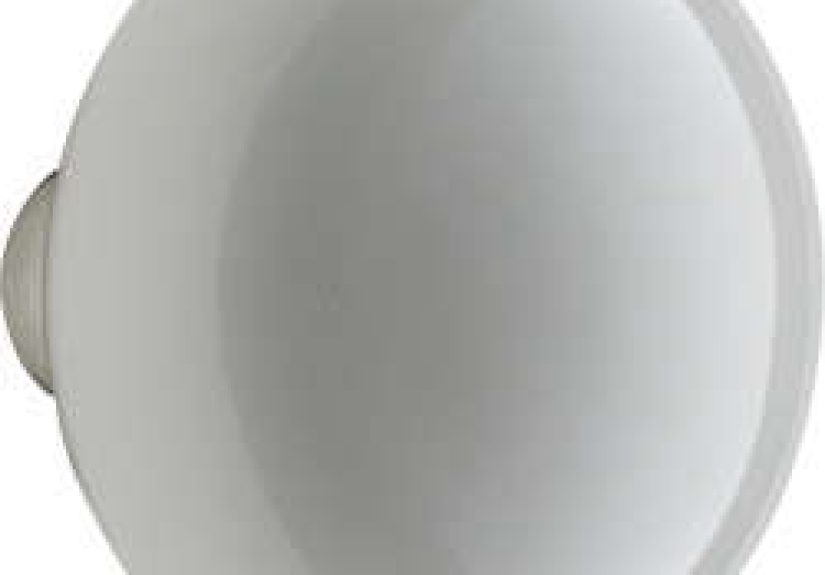
A white porcelain door knob is typically a glazed ceramic knob attached to a metal shank (often brass or iron),
used with a latch system and trim like a rosette or plate. The visual appeal comes from contrast: glossy white
porcelain against warm brass, satin nickel, oil-rubbed bronze, or black iron. The effect can swing from farmhouse-simple
to high-Victorian depending on the backplate and finish.
The charm is not just aesthetic. Porcelain surfaces are easy to wipe clean, don’t visually “age out” as fast as trendy
finishes, and pair well with painted doors. In practical terms, white porcelain is one of the few hardware choices that can
look appropriate in a 1905 bungalow, a 1950 cottage, and a 2026 minimalist remodel with equal confidence.
Why White Porcelain Door Knobs Still Work in Modern Homes
1) They bridge old and new
Vintage homes love them because they feel historically correct. Modern homes love them because white is neutral,
clean, and architectural. If your interior style changes every few years, porcelain usually survives the makeover.
2) They make finish mixing easier
White porcelain is an excellent “buffer” when you’re mixing metals. Brass hinges? Black lighting? Nickel faucet?
A porcelain knob can reduce visual conflict and make your choices feel intentional instead of accidental.
3) They photograph beautifully
If you care about listing photos, social posts, or portfolio shots, glossy white knobs add a crisp focal point on painted doors.
Hardware that reads well on camera is a small detail with surprisingly large impact.
Choose the Right Function Before You Choose the Pretty One
Start with function, then style. This is the golden rule. A gorgeous knob that doesn’t perform the right job is just decorative confusion.
Passage
Best for hallways, closets, and rooms where no lock is needed. Turns freely, no privacy lock.
Privacy
Best for bedrooms and bathrooms. Usually includes a push-button or turn-button lock on the interior side.
Keyed Entry
Used where security matters, usually exterior or specific interior applications. If you want white porcelain on a front door,
confirm weather exposure, security grade, and compatibility with your deadbolt strategy.
Dummy
Fixed, non-turning hardware for decorative pull-only use (closet doors, pantry pairs, inactive French door leaf).
Quick tip: if you’re buying a full-house set, map every door first (Room + Function + Handing + Finish). Ten minutes of planning
can save hours of returns and “why is this locking from the outside?” conversations.
Sizing and Fit: The Measurements That Save Your Sanity
Most hardware headaches are measurement mistakes. Before ordering your white porcelain door knob set, check:
- Door thickness: common residential compatibility is around 1-3/8″ to 1-3/4″.
- Backset: typically 2-3/8″ or 2-3/4″ (edge of door to center of bore).
- Cross bore: often 2-1/8″ standard prep.
- Latch bore: commonly 1″.
- Knob diameter: porcelain knobs are often around the low-2-inch range, depending on style.
Historic and reproduction hardware may use spindle-based systems (with set screws and specific spindle threading) rather than
fully modern cylindrical locksets. If you’re restoring an older door, confirm whether you need:
- Modern tubular latch set
- Mortise lock compatibility
- Specific spindle thread/pitch and shank type
- Matching rosette/backplate hole spacing
Translation: don’t trust vibestrust measurements.
Material and Finish Pairings That Actually Look Good
White Porcelain + Unlacquered/Antique Brass
Warm, lived-in, and deeply classic. Great for Colonial Revival, cottage, and traditional interiors.
Brass patina over time adds character and soft contrast against white glaze.
White Porcelain + Black Iron
High contrast, graphic, and excellent for farmhouse, rustic, or restrained Victorian looks.
This pairing makes white doors pop and darker doors feel intentional.
White Porcelain + Satin Nickel
Cool, clean, and transitional. Best when you want period charm without full-on antique drama.
White Porcelain + Backplate vs Rosette
Rosette: cleaner, simpler, more modern.
Long backplate: more formal, more historical, more visual weight.
Smart Buying Checklist for White Porcelain Door Knobs
- Confirm function (passage/privacy/keyed/dummy) per door.
- Match door prep (thickness, backset, bore sizes).
- Choose finish family across hinges, strike plates, and hooks.
- Verify whether your door is modern cylindrical or mortise-based.
- Check warranty, replacement part availability, and lead times.
- For busy households, consider products with stronger durability/security grading claims.
- If accessibility is a major priority, evaluate whether a lever may be the better choice in some locations.
DIY Installation Guide: Clean, Fast, and Not Overly Dramatic
You can install most compatible sets with a screwdriver and basic patience. If your door prep is standard, this is usually
a straightforward project.
Step 1: Remove old hardware
Unscrew interior side first, pull both knob halves, remove latch, then strike. Keep screws in a cup unless you enjoy crawling on floors.
Step 2: Confirm latch orientation
Latch bevel should face the strike/jamb side. Incorrect orientation is the fastest way to create a sticky, grumpy door.
Step 3: Install latch and trim
Seat the latch flush, add exterior/interior knob halves, align spindle/chassis, then tighten screws evenly.
Do not over-tighten porcelain-adjacent hardware.
Step 4: Install strike plate correctly
A perfect knob can still feel bad with a bad strike alignment. Close door slowly, check latch engagement, adjust strike position if needed.
Step 5: Test function repeatedly
Open/close 10–15 times. Test lock/unlock from both sides (if applicable). If anything rubs or drags, correct it nownot after paint touch-ups.
Care and Maintenance: Keep the Shine, Not the Stress
- Use a soft cloth with mild soap and water for regular cleaning.
- Avoid abrasive pads, harsh solvents, and acidic cleaners.
- Tighten mounting screws periodically (seasonal movement can loosen them).
- Lubricate latch mechanisms lightly when action feels dry.
- If you use unlacquered brass, expect patina; that color shift is a feature, not a defect.
Common Problems and How to Fix Them
Loose knob
Usually set screw tension or mounting screw loosening. Re-seat and re-tighten evenly.
Latch doesn’t catch
Strike plate misalignment is common. Adjust plate position slightly, then retest.
Knob rubs or binds
Check whether through-bolts were over-tightened or chassis is not centered.
Privacy lock feels inconsistent
Confirm interior/exterior orientation and verify spindle engagement depth.
Price Expectations and Value Strategy
White porcelain door knob pricing spans from affordable replacement pairs to premium, hand-assembled designer sets.
A practical strategy is to spend more on high-touch visible doors (entry hall, living room, powder room) and use
value-friendly matching hardware in secondary spaces. Consistent finish and function planning often matters more than
buying the most expensive option for every door.
When a White Porcelain Door Knob Is Not the Best Choice
- High-abuse commercial environments where lever hardware may better support accessibility and code goals.
- Exterior doors needing heavy-weather resilience if the selected set is interior-rated only.
- Homes where every element is ultra-industrial matte black (unless you want intentional contrast).
of Real-World Experience: Living with White Porcelain Door Knobs
The first time I watched a homeowner switch from generic brushed-metal knobs to white porcelain, the reaction was immediate:
“Why does my hallway suddenly look expensive?” Nothing else had changedsame paint, same doors, same lighting. But the
hardware changed the emotional tone. The space felt lighter, calmer, and more finished. That moment repeats itself a lot.
In older homes, especially 1920s to 1950s properties, white porcelain door knobs often feel like they were always supposed to be there.
They connect with trim profiles, paneled doors, and soft wall colors in a way modern all-metal knobs sometimes can’t. One homeowner
paired white porcelain with aged brass rosettes on six interior doors. The surprise wasn’t just styleit was consistency. Rooms that
previously felt unrelated suddenly felt like chapters in the same story.
In modern homes, the experience is different but equally strong. A designer used white porcelain knobs with satin nickel plates in a
minimalist renovation where everything else was crisp and linear. Instead of looking old-fashioned, the knobs became sculptural accents.
Visitors noticed them instantly, usually with some version of: “These are coolwhere did you find them?” The space stayed modern, but it
gained warmth and personality.
Families with kids often ask about maintenance. In practice, white porcelain is forgiving. Fingerprints wipe off quickly, and because the
color is uniform, minor dust doesn’t scream for attention. The biggest maintenance issue is usually not porcelain at allit’s screw tension.
Doors get slammed, seasons shift humidity, and mounting screws loosen over time. A quick quarterly check keeps everything feeling solid.
The most common regret I hear is not about appearanceit’s about function mismatch. Someone buys a privacy knob for a hall closet, or
a passage knob for a bathroom, then wonders why daily use feels awkward. The fix is simple: assign function before style. Once people do
that, satisfaction goes way up because the knob works exactly as expected.
Another memorable project involved a cottage with mixed metals everywhere: matte black lighting, brass cabinet pulls, chrome bath fixtures.
Instead of forcing a single metal throughout the home, the owners used white porcelain knobs as a unifying thread. It worked because white
is visually neutral while still distinctive. The knobs became the common note across rooms, making all those mixed metals feel deliberate.
There’s also a subtle emotional benefit. Door hardware is one of the few things you physically touch dozens of times a day. People tend to
underestimate how much tactile experience affects comfort. A smooth porcelain knob can feel pleasant in a way that cheap, rough-finish hardware
never does. It’s a tiny daily upgrade that compounds.
If I had to summarize real-world experience in one sentence, it’s this: white porcelain door knobs deliver disproportionate impact for their size.
They improve visual character, support flexible design choices, and offer practical everyday usability when properly selected and installed.
In renovation terms, that is a very good deal.
Conclusion
A white porcelain door knob is more than a nostalgic detailit’s a smart design tool. It balances old and new aesthetics, works across
multiple finishes, and gives your doors a polished identity without demanding a full remodel budget. Get the function right, verify your
measurements, pair finishes intentionally, and install with care. Do that, and your hardware won’t just open doorsit will upgrade the
experience of every room connected to them.