Table of Contents >> Show >> Hide
- Why nighttime congestion feels worse than daytime congestion
- The most common causes of a stuffy nose at night
- 1. Allergies in your bedroom
- 2. Lying flat
- 3. Dry air and mouth breathing
- 4. Colds, sinus infections, and lingering inflammation
- 5. Acid reflux or GERD
- 6. Structural issues inside the nose
- 7. Nonallergic rhinitis
- 8. Overusing decongestant nasal sprays
- 9. Snoring, sleep apnea, and nighttime breathing problems
- How to figure out what is probably causing your stuffy nose
- What actually helps a stuffy nose at night
- When a stuffy nose at night means you should get checked out
- Final thoughts
- Experiences people often have with nighttime nasal congestion
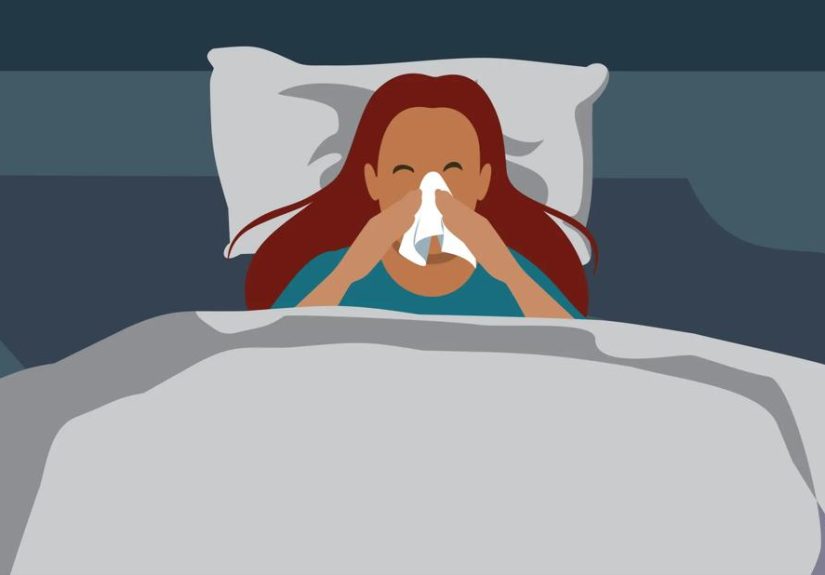
It always seems to happen at the worst possible time. You brush your teeth, fluff the pillow, turn off the light, and suddenly your nose decides to behave like a traffic jam in rush hour. One nostril closes for business. Then the other joins the protest. Sleep becomes a negotiation instead of a guarantee.
If you have ever wondered, “Why does my nose get stuffy at night?” the answer is usually not one dramatic mystery. It is often a stack of small, very real factors working together: gravity, allergies, dry air, reflux, sinus irritation, your sleeping position, and sometimes the shape of your nose itself. In other words, your nose is not being dramatic for no reason. It just has terrible timing.
This guide breaks down the most common reasons nighttime nasal congestion happens, how to tell what might be causing it, and what you can do to breathe easier before bed. If your stuffy nose at night has become a regular guest in your bedroom, this is where to start.
Why nighttime congestion feels worse than daytime congestion
During the day, you are upright, moving around, swallowing frequently, and benefiting from gravity. At night, all of that changes. When you lie down, blood flow shifts and the tissues inside your nose can swell more easily. That swelling narrows your nasal passages, which can make even mild irritation feel much bigger.
Your bedroom can also be a perfect little storm of triggers. Dust mites love bedding. Pet dander settles into blankets and carpets. Mold can hide in damp corners. Dry indoor air can irritate your nasal passages. And if you ate a late, heavy dinner, reflux may decide to make a surprise appearance just as you are trying to sleep.
That is why a nose that feels “mostly fine” at 4 p.m. can suddenly become a diva by 11 p.m.
The most common causes of a stuffy nose at night
1. Allergies in your bedroom
One of the biggest culprits behind nighttime nasal congestion is allergic rhinitis, especially from indoor allergens. Dust mites are famous for setting up camp in mattresses, pillows, comforters, and upholstered furniture. Pet dander, mold spores, and even pollen carried in on your clothes can also irritate your nose long after the sun goes down.
If your nose gets stuffy mainly at home, mainly in bed, or mainly when you wake up in the morning, allergies should move high up your suspect list. Other clues include sneezing, itchy eyes, a runny nose, postnasal drip, or a scratchy throat that shows up like an unwanted sequel.
A classic example: someone feels decent at work, fine at dinner, but gets congested 20 minutes after climbing into bed. That pattern often points less to “random bad luck” and more to whatever is living in the pillowcase.
2. Lying flat
Sometimes the problem is not what is in the room. It is simply the fact that you are horizontal. Lying down can make nasal swelling feel worse, especially if you already have mild inflammation from allergies, a cold, or nonallergic rhinitis.
If one nostril gets blocked more than the other, your sleep position may play a role. Side-sleepers often notice the lower nostril feels more congested. That can happen even in healthy people. Your nose normally cycles airflow from side to side over time, and the effect becomes more noticeable when you are lying still with your cheek planted into a pillow like a sleepy pancake.
3. Dry air and mouth breathing
Dry indoor air can irritate the inside of your nose, especially in air-conditioned rooms or during colder months when indoor heating is working overtime. When nasal tissue dries out, it can feel inflamed, crusty, and blocked. Then mouth breathing joins the party, drying your throat and making the whole night feel like you slept in a desert with decorative throw pillows.
If you wake up with a dry mouth, sore throat, or a nose that feels both blocked and oddly dry, low humidity may be adding to the problem.
4. Colds, sinus infections, and lingering inflammation
Upper respiratory infections are another obvious but important cause. A common cold can lead to nasal congestion, sneezing, and mucus production that often peaks in the first few days. Sinus inflammation can add pressure in the cheeks, forehead, or around the eyes, along with thick mucus and postnasal drip.
Night can make all of this feel worse because mucus pools more easily when you are lying down. That is why some people spend the whole day saying, “I’m okay, just a little congested,” and then spend half the night breathing like a malfunctioning accordion.
5. Acid reflux or GERD
This one surprises a lot of people. Acid reflux is not just about heartburn. Reflux that gets worse at night or while lying down can irritate the throat and upper airway. In some people, it contributes to throat clearing, coughing, a sour taste, hoarseness, or a sensation of swelling and congestion around bedtime.
If your stuffy nose at night shows up with heartburn, coughing after meals, a bitter taste in your mouth, or symptoms that improve when you avoid late-night eating, reflux deserves a serious look.
6. Structural issues inside the nose
Sometimes congestion is not mainly about inflammation. It is about anatomy. A deviated septum, enlarged turbinates, nasal polyps, or other forms of nasal obstruction can reduce airflow and make nighttime stuffiness more obvious. These issues often cause one-sided or uneven blockage, noisy breathing during sleep, chronic mouth breathing, or symptoms that do not fully go away even when cold and allergy season are long gone.
If you are always more blocked on one side, or if sprays and allergy meds only help a little, structure may be part of the story.
7. Nonallergic rhinitis
Not all nasal congestion is caused by allergies. Nonallergic rhinitis can trigger swelling, a runny nose, or postnasal drip without the classic itchy, sneezy allergy profile. Irritants like smoke, strong smells, temperature changes, cleaning chemicals, and even hormonal shifts can play a role.
This is one reason people sometimes swear they have “allergies” but cannot identify a clear trigger. The nose, to put it politely, can be sensitive and uncooperative.
8. Overusing decongestant nasal sprays
If you rely on decongestant nasal sprays for quick relief, be careful. Using them for too many days in a row can cause rebound congestion, also called rhinitis medicamentosa. That means the spray helps at first, then your nose gets more blocked when the medicine wears off, and suddenly you are stuck in a cycle where your nostrils seem to be running a tiny, hostile subscription service.
If your congestion keeps bouncing back and you have been using a decongestant spray regularly, this may be a major clue.
9. Snoring, sleep apnea, and nighttime breathing problems
Nasal congestion does not always cause sleep issues on its own. Sometimes it overlaps with snoring, mouth breathing, or obstructive sleep apnea. If you snore loudly, gasp in your sleep, wake up choking, feel unusually sleepy during the day, or keep getting morning headaches, it is worth talking to a healthcare professional. A blocked nose can make nighttime breathing harder, and poor nighttime breathing can make everything else feel worse.
How to figure out what is probably causing your stuffy nose
You do not need to become a detective with a corkboard and red string, but patterns matter. Ask yourself a few practical questions:
Does it happen only in bed? That suggests bedroom allergens, dry air, or reflux.
Does one side stay blocked most of the time? Think structural causes like a deviated septum or nasal polyps.
Do you also sneeze, itch, or wake up with watery eyes? Allergies become more likely.
Do you have facial pain, thick mucus, or symptoms after a cold? Sinus inflammation may be involved.
Do you get heartburn, coughing, or a sour taste at night? Reflux may be contributing.
Are you using decongestant spray every night? Rebound congestion could be the problem hiding in plain sight.
What actually helps a stuffy nose at night
Improve your sleep setup
Elevating your head and upper body can help reduce nighttime swelling and make mucus drain more easily. Even a modest lift can make a difference. For some people, sleeping slightly more upright is the difference between restful sleep and spending the night negotiating with one nostril.
Reduce bedroom allergens
Wash bedding regularly, keep pets out of the bedroom if you are allergic, and clean dust-prone surfaces. Allergy-proof covers for pillows and mattresses may help if dust mites are a trigger. Showering before bed can also remove pollen or outdoor irritants from your skin and hair.
Use saline, not magic
Saline nasal sprays and saline rinses can help loosen mucus and calm irritated tissue. If you use a neti pot or rinse bottle, use sterile, distilled, previously boiled and cooled, or properly filtered water. Your sinuses prefer help, not adventure.
Consider a clean humidifier
If your room is very dry, a humidifier may make breathing more comfortable. The important word there is clean. A neglected humidifier can become its own problem, so regular cleaning matters.
Try the right medication for the right cause
If allergies are the issue, an antihistamine or an intranasal steroid may help. If you have significant sinus swelling, steroid sprays are often more useful than randomly trying every product with a snowflake on the box. Decongestant sprays can provide short-term relief, but they should not become a long-term roommate.
Change late-night habits if reflux is part of it
Avoid eating right before bed. Many experts recommend finishing meals at least three hours before lying down. Elevating your upper body can also help if reflux is part of your nighttime congestion.
When a stuffy nose at night means you should get checked out
You should consider seeing a healthcare professional if your congestion lasts more than about 10 days, keeps coming back, or interferes with sleep on a regular basis. It is especially important to get evaluated if you have symptoms like high fever, severe facial pain, green or bloody discharge, vision changes, reduced sense of smell that does not improve, frequent nosebleeds, or blockage mostly on one side.
And if nighttime congestion comes with loud snoring, choking awake, or daytime exhaustion, ask about sleep apnea. Sleeping poorly because of your nose is miserable. Sleeping poorly because your breathing is repeatedly interrupted is a different level of problem.
Final thoughts
So, why does your nose get stuffy at night? Usually because bedtime changes the conditions inside your body and around your face. Gravity shifts. Nasal tissues swell. Allergens settle in. Dry air irritates. Reflux sneaks upward. And any underlying issue, from a deviated septum to sinus inflammation, becomes much harder to ignore when your only goal is to fall asleep.
The good news is that nighttime nasal congestion often improves once you identify the pattern. Sometimes the fix is simple, like washing bedding, using saline, or sleeping with your head elevated. Sometimes it takes a closer medical look. But either way, your nose is not randomly betraying you. It is reacting to something. Once you figure out what that something is, bedtime can stop feeling like a breathing contest.
Experiences people often have with nighttime nasal congestion
For many people, nighttime congestion does not start with a dramatic illness. It starts with little annoyances that slowly become part of the routine. First, there is the moment of lying down and realizing that one nostril has decided to close. Then there is the pillow flip, the side change, the extra swallow, the attempt to “breathe through it,” and finally the midnight search for tissues, water, or a nasal spray that seems to have become your least favorite bedtime accessory.
A common experience is feeling completely normal during the day and then turning congested almost on schedule every night. That pattern can be confusing. People often assume they must have a cold because congestion feels like something that should come with obvious illness. But nighttime stuffiness often comes from the environment around the bed. Dust in the room, pet dander in the blankets, dry air from a vent, or reflux after a late meal can create a nightly cycle that feels mysterious until the pattern becomes obvious.
Another common complaint is waking up again and again because the “good nostril” keeps changing. Someone rolls to the left, and the left side blocks up. They roll to the right, and the right side starts acting difficult too. By 3 a.m., it feels less like sleeping and more like speed-dating with bad breathing positions. This is especially frustrating for side-sleepers, who may notice that the nostril facing the pillow tends to feel more clogged.
People with allergies often describe their mornings as worse than their evenings. They wake up with a stuffy nose, a dry mouth, and a throat that feels like it spent the night chewing on sandpaper. Some also notice sneezing fits within minutes of getting out of bed. Others feel a heavy, foggy pressure in the face, especially if sinus inflammation or postnasal drip is involved.
Those dealing with reflux-related congestion often tell a different story. They may notice a sour taste, coughing after lights-out, throat clearing, or a weird feeling of swelling high in the throat and nose. They may not even think of reflux at first because the main complaint is “I can’t breathe through my nose at night,” not “I have heartburn.” That mismatch makes the problem easy to miss.
People with structural issues, like a deviated septum or nasal polyps, often describe a longer, more stubborn pattern. Their congestion may not fully clear even during the day. They may always feel more blocked on one side, breathe loudly in their sleep, or depend on sleeping in very specific positions. Many say they did not realize how much work breathing had become until they had a good night after finally treating the real cause.
The emotional side is real too. Poor sleep from chronic congestion can leave people tired, irritable, and weirdly resentful of their own nose. That may sound funny, but anyone who has spent hours trying to fall asleep through one open nostril knows the feeling. The experience is small enough to seem trivial from the outside, yet disruptive enough to affect mood, focus, and quality of life. That is why it is worth paying attention to repeated nighttime congestion. It is not just “a little stuffy nose.” It is a sleep thief in very ordinary clothing.