Table of Contents >> Show >> Hide
- Why Players Still Argue About The Burning Crusade
- The Burning Crusade at a Glance
- Where The Burning Crusade Ranks Among WoW Expansions
- Raid Rankings: Karazhan, Black Temple, and Beyond
- Class and Spec Rankings in The Burning Crusade
- What Aged Well (and What Didn’t)
- Community Opinions: Love, Critique, and Everything in Between
- Is The Burning Crusade Worth Revisiting Today?
- Player Experiences: Living Through The Burning Crusade
- Final Thoughts: So Where Does The Burning Crusade Really Belong?
Why Players Still Argue About The Burning Crusade
Ask a room full of World of Warcraft veterans which expansion was the best, and you’ll immediately start a small civil war. Somewhere in the middle of that shouting match, one name always comes up: The Burning Crusade. For some, it’s peak WoW – the era of Karazhan pugs, arena drama, and all-nighters in Black Temple. For others, it’s an expansion that hasn’t aged quite as gracefully as nostalgia suggests.
This guide breaks down World of Warcraft: The Burning Crusade rankings and opinions from across the community: where TBC sits among all expansions, which raids and classes are considered top tier, what parts still hold up, and what now feels dated. Consider this your friendly, slightly opinionated tour through Outland, with a mix of data, community sentiment, and a dash of “back in my day” storytelling.
The Burning Crusade at a Glance
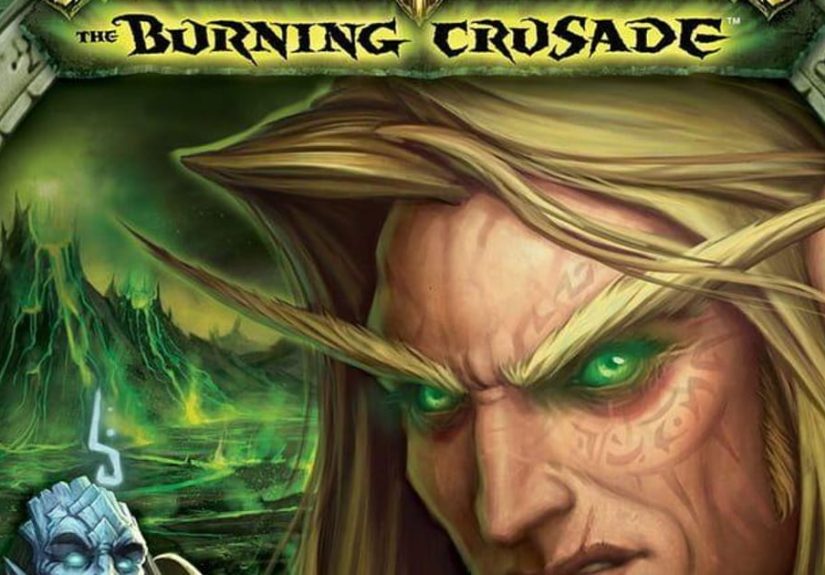
The Burning Crusade launched in 2007 as WoW’s first expansion and shattered sales records, moving millions of copies in its first 24 hours. It opened the Dark Portal to Outland, introduced Blood Elves and Draenei, added flying mounts, and brought in the arena system that reshaped competitive PvP. It also tightened raid sizes from 40 players down to 10- and 25-player content, transforming how guilds were structured and how progression worked.
Mechanically, TBC leaned into:
- More structured raid progression with clear tiers.
- Heroic dungeons with meaningful difficulty and reputation requirements.
- Specializations that actually worked (hello, Retribution Paladins and Shadow Priests).
- A heavier emphasis on attunements, grinds, and keying – for better and worse.
All of this means that when people rank The Burning Crusade, they’re really judging an entire philosophy of MMO design: slower, grindier, but also deeply rewarding when everything comes together.
Where The Burning Crusade Ranks Among WoW Expansions
Modern tier lists and expansion rankings tend to place The Burning Crusade in the upper-middle of the pack. It’s rarely at the very bottom, and in many community polls it still sits comfortably in the “good to great” range. Review and ranking roundups that average critic and user scores often list TBC behind mega-favorites like Wrath of the Lich King or Legion, but ahead of more divisive releases such as Battle for Azeroth or Shadowlands.
In community discussions, three broad opinion camps emerge:
- The Loyalists: For these players, TBC is the best expansion. They praise its dungeon design, raid atmosphere, the sense of danger in outdoor zones, and the way specs finally came into their own.
- The Nostalgia-Check Crowd: This group loved TBC at the time but now ranks it somewhere in the middle. They point out clunky attunements, awkward resist-gear checks, and class stacking requirements that don’t feel great in hindsight.
- The Modernists: These players usually prefer later expansions with more quality-of-life features and streamlined systems. They respect TBC’s impact but find it too grindy and unfriendly to alts and casuals.
Put simply, World of Warcraft: The Burning Crusade rankings and opinions are all over the map – but almost no one calls it a truly bad expansion. Even its critics tend to say, “It was good… just not the best.”
Raid Rankings: Karazhan, Black Temple, and Beyond
TBC’s raids are a huge reason it’s remembered so fondly. If you ask players to rank raids from the expansion, a fairly consistent pattern emerges.
S-Tier Raids
Karazhan
Karazhan is widely considered one of the best raids in WoW history. It’s only a 10-player instance, but it punches far above its weight. The haunted-tower setting, the eccentric boss lineup (yes, including the Opera Event), and the unique music give Kara a personality few raids can match. For many players, it was their first “real” raid – challenging, but accessible enough that guilds and even pugs could progress with some effort.
Black Temple
Black Temple hits the other end of the fantasy: a sprawling 25-player raid capped with the showdown against Illidan Stormrage. The encounters mix mechanics, coordination, and spectacle, and progression through BT became a badge of honor. It’s frequently ranked among the top raids in the entire game, not just in TBC, thanks to its atmosphere, soundtrack, and memorable boss fights.
Sunwell Plateau
Sunwell Plateau is often called the “hardcore capstone” of the expansion. It’s small, brutally difficult in its original form, and designed for guilds at the top of their game. Many players never set foot in it while it was current, which adds to its mystique. For those who did, it offered some of the most intense progression raiding TBC had to offer.
A-Tier Raids
Serpentshrine Cavern (SSC)
SSC is remembered for its underwater lair aesthetic and its final boss, Lady Vashj, an encounter that demanded coordination from the entire raid. It wasn’t as instantly beloved as Karazhan or as iconic as Black Temple, but it was a solid, mechanically interesting mid-tier raid.
Tempest Keep: The Eye
Tempest Keep gave us Kael’thas Sunstrider, one of the most notorious bosses in WoW history, famous for long, multi-phase chaos and a difficulty curve that broke many guilds. The raid’s sci-fi crystal aesthetic felt very different from classic fantasy dungeons and helped define TBC’s more experimental tone.
B- and C-Tier Raids
Not every raid can be a home run:
- Gruul’s Lair and Magtheridon’s Lair functioned more like glorified boss arenas – essential for gearing and progression, but not exactly dripping with atmosphere.
- Hyjal Summit had a cool story hook but was held back by repetitive trash waves that turned some raid nights into endurance tests rather than thrilling adventures.
- Zul’Aman (added later) is usually rated highly as a “mini-raid,” beloved for its timed run challenge and strong loot, but its smaller scale keeps it from dethroning Karazhan or Black Temple in overall rankings.
Overall, if you’re building a Burning Crusade raid tier list, a common pattern is:
S Tier: Karazhan, Black Temple, Sunwell Plateau
A Tier: Tempest Keep, Serpentshrine Cavern, Zul’Aman
B/C Tier: Gruul’s Lair, Magtheridon’s Lair, Hyjal Summit
Class and Spec Rankings in The Burning Crusade
One of TBC’s biggest strengths is how it made more specs viable. In Classic, some specs were essentially memes in serious progression. In The Burning Crusade, the class and spec meta became far more interesting – though not perfectly balanced.
Top PvE DPS Specs
Exact numbers vary by phase and gear, but most TBC class ranking lists agree that the following were consistently strong in raids:
- Beast Mastery Hunter: Famous for its simple but powerful rotation, BM Hunters were damage machines in PvE and often topped meters in TBC raids.
- Warlocks (Destruction/Affliction): Warlocks enjoyed incredible scaling, strong AoE, and powerful utility, making them mainstays in raid rosters.
- Mages (Arcane/Fire): Once geared, Mages could keep up with or surpass other casters, especially in shorter fights where mana wasn’t an issue.
- Rogues and Fury Warriors: Melee had to work harder for their glory, but in the right hands and with the right gear, they remained potent.
Tanks and Healers
TBC also diversified tanking and healing roles:
- Tanks: Protection Warriors, Protection Paladins, and Feral Druids all had niches. Paladins excelled at AoE tanking (hello, Shattered Halls), while Druids brought huge health pools and flexibility.
- Healers: Restoration Shamans, Holy Priests, Holy Paladins, and Restoration Druids all saw serious play. Shamans stood out thanks to their totems and Chain Heal, while Paladins were single-target healing monsters.
The key takeaway: class rankings in The Burning Crusade were less about “only one spec works” and more about building a raid around complementary strengths. You stacked Warlocks and Hunters for damage, but you also wanted the right mix of shamans, paladins, and priests to support them.
PvP Standouts
TBC was the birth of serious arena play, and it quickly developed its own meta:
- Warlock + Healer comps were infamous for pressure and control.
- Rogue/Mage/Priest and Warrior/Paladin setups dominated many ladders.
- Restoration Druids and Discipline Priests became staple healers thanks to mobility, control, and strong defensive toolkits.
If you like fast-paced, bursty PvP with high punishment for mistakes, TBC’s arena meta will feel like home. If you don’t like being stun locked from 100–0, well… maybe not.
What Aged Well (and What Didn’t)
Design Choices That Still Shine
- Smaller Raids: Moving from 40-man to 10- and 25-man raids made endgame more accessible. Guilds could organize better, and individuals felt more impactful.
- Heroic Dungeons: Early heroic dungeons were genuinely challenging. Crowd control, communication, and smart gearing mattered in a way that many players miss today.
- Spec Identity: TBC gave many specs their first real moment in the spotlight. You could raid as a Shadow Priest, Enhancement Shaman, or Balance Druid and not be laughed out of the group.
Systems That Feel Dated Now
- Attunement Chains: Long quest chains and key requirements made progression feel epic – but also locked friends and alts behind tedious checklists. Great for immersion; rough on modern schedules.
- Resist and Specialty Gear: Encounters that required specific resist sets (like shadow or fire) added depth, but also cluttered your bags and strained gearing funnels.
- Class Stacking: While variety improved, some high-end strategies still revolved around stacking certain specs for optimal performance.
Whether these are positives or negatives largely determines where you personally place The Burning Crusade in your own expansion rankings.
Community Opinions: Love, Critique, and Everything in Between
If you scroll through forums and social media threads, you’ll see a pattern:
- Long-time players praise TBC’s feeling of adventure, the danger in open-world zones like Hellfire Peninsula and Shadowmoon Valley, and the sense of progression from dinging 70 all the way to raiding Black Temple.
- More casual or time-limited players sometimes bounce off the rep grinds, attunements, and dungeon difficulty, especially when compared to modern catch-up systems.
- Many agree that TBC hit a sweet spot between Classic’s wild, unrefined design and later expansions’ heavily system-driven gameplay.
In other words, World of Warcraft: The Burning Crusade rankings and opinions depend heavily on how much time you had back in the day – and how much patience you have now.
Is The Burning Crusade Worth Revisiting Today?
For players checking out TBC-era content in Classic or anniversary releases, the question is simple: is it still fun?
You’ll likely enjoy The Burning Crusade if you:
- Love structured, linear progression with clear raid tiers.
- Enjoy challenging five-man content that demands crowd control and planning.
- Like the fantasy of Outland, Illidan, and the whole “you are not prepared” vibe.
- Don’t mind grinding some reputation and doing long quest chains to unlock content.
You might bounce off it if:
- You prefer quick catch-up systems and alt-friendly progression.
- You dislike attunements, keys, and gated content.
- You want fully modernized systems and quality-of-life features from day one.
That’s why TBC often lands in the “very good but not flawless” tier in many modern rankings: it’s brilliant at what it tries to do, but what it tries to do is not for everyone.
Player Experiences: Living Through The Burning Crusade
Numbers and rankings are one thing, but The Burning Crusade really lives in memories: the first time you zoned into Hellfire Peninsula and saw fel reavers stomping through the battlefield; the first time you failed a Shattered Halls heroic pull and realized, “Oh, this is not Vanilla anymore.”
Many players remember TBC as the moment WoW turned from “just a game” into a social routine. Raid nights in Karazhan became calendar events. You knew which night was Gruul and Mag, which night was SSC or TK progression, and which night you’d “just quickly” do a few heroics and somehow end up online three hours later. Guild chat buzzed with war stories about failed attunement runs, clutch battle rezzes, and that one Warlock who always pulled threat.
Arena added a completely different flavor of experience. For the first time, players had a formal way to test their skills in small-scale, rated PvP. If you played during peak TBC, you probably remember at least one season where your life revolved around a 2v2 or 3v3 comp. People min-maxed gear, debated whether to run double DPS or healer+DPS, and learned to fear certain combos on sight. You didn’t just log in for raids; you logged in to grind rating, tilt off the face of the earth, queue again, and swear that this was the last match for the night (it wasn’t).
Outside of structured content, TBC also had a distinct exploration feel. Flying mounts fundamentally changed how players interacted with the world. You could swoop into the middle of a demon-infested area, tag your quest mob, and take off before things went bador misjudge your landing, get dazed, and create an accidental corpse run. Zones like Nagrand became favorite hangouts, not just for questing but for dueling, world PvP, and pretending you were there “to farm mats” when you were actually just chatting.
Professionally and socially, The Burning Crusade also solidified roles within guilds. Raid leaders developed spreadsheets, loot systems, and DKP tables. Class leaders pored over early theorycrafting posts to squeeze out a little more DPS or healing. Even casual players felt pulled into that ecosystem: joining a guild that was “Kara farming, SSC/TK progressing” meant you had a clear ladder to climb if you wanted to see Black Temple before the next expansion.
For newer players experiencing TBC content now, the nostalgia layers aren’t the same, but the structure still creates similar stories. People still wipe on old heroics if they underestimate them. Raids still require coordination and voice chat. Arena still generates highlight moments and “we absolutely should have won that” arguments. The mechanics may be old, but the social patterns they generate are surprisingly timeless.
That’s why, when players debate World of Warcraft: The Burning Crusade rankings and opinions, they’re rarely just rating content. They’re rating a period of their lives: a time when guild rosters were full, voice servers were busy, and Friday night meant logging in because twenty-four other people were counting on you to show up. Even if later expansions refined the formula, TBC captured a kind of MMO magic that’s hard to replicate.
Final Thoughts: So Where Does The Burning Crusade Really Belong?
If you strip away nostalgia and look at the expansion objectively, The Burning Crusade lands as a highly influential, mostly well-designed chapter of WoW’s history. Its raids are among the most beloved in the game, its class and spec design set the tone for future expansions, and its difficulty curve still feels satisfying for players who enjoy a challenge.
At the same time, many of its systems – attunements, grindy reputations, resist gear requirements – feel dated in a modern MMO landscape. That’s why rankings inevitably land all over the place. For some, it will always be number one. For others, it’s a fascinating, occasionally frustrating relic they respect more than they want to replay endlessly.
Maybe the most accurate verdict is this: The Burning Crusade is the expansion that turned World of Warcraft from a hit game into a long-term hobby. Whether you rank it first, third, or sixth, it helped define what WoW could be – and it’s still shaping debates about what the game should be today.