Table of Contents >> Show >> Hide
- Why Gas Prices Change So Much From One Station to Another
- 1. Use Gas Price Apps Before You Leave
- 2. Search “Gas Prices Near Me” on Google Maps
- 3. Check Waze While Navigating
- 4. Compare Prices by Fuel Grade, Not Just Regular
- 5. Join Warehouse Clubs If You Fill Up Often
- 6. Stack Gas Rewards Programs
- 7. Use Cash-Back Gas Apps
- 8. Plan Fuel Stops Before Road Trips
- 9. Avoid Paying for Convenience When You Can
- 10. Save Gas by Driving Smarter
- Bonus Tips for Finding Cheap Gas Near You
- Common Mistakes That Make Gas More Expensive
- of Real-Life Experience: How Cheap Gas Hunting Actually Works
- Conclusion: The Cheapest Gas Is Usually the Smartest Gas
Gas prices have a special talent for rising the exact moment your fuel light turns on. One minute you are calmly driving home, and the next you are negotiating with your dashboard like it is a tiny orange hostage taker. The good news? Finding the cheapest gas in your area is not a mysterious art reserved for taxi drivers, road-trip pros, or that one neighbor who somehow knows every station price within 12 miles.
Today, drivers have more tools than ever to compare gas prices near them, stack discounts, use fuel rewards, plan smarter routes, and avoid paying extra for convenience. The trick is not just finding the lowest number on a sign. It is knowing when a cheaper station is actually worth the drive, how to check prices before leaving, and how to combine small savings so they become real money over time.
This guide breaks down the 10 easiest ways to find cheap gas near you, with practical examples, smart habits, and a few wallet-saving reality checks. Your car may still drink gasoline like it is at an all-inclusive resort, but at least you can make every gallon cost less.
Why Gas Prices Change So Much From One Station to Another
Before we chase cheap fuel like bargain hunters with cup holders, it helps to understand why gas prices vary. The price at the pump is influenced by crude oil costs, refining expenses, taxes, transportation, local competition, seasonal fuel blends, and even how close a station is to highways or busy intersections. Stations in high-rent areas or right off freeway exits often charge more because convenience has a price tag.
That is why two stations on the same road can be 20, 30, or even 50 cents apart per gallon. On a 15-gallon fill-up, a 30-cent difference saves $4.50. That may not buy you a vacation, but it can buy coffee, snacks, or the emotional satisfaction of not being robbed by a pump.
1. Use Gas Price Apps Before You Leave
The easiest way to find the cheapest gas in your area is to check a gas price app before you start driving. Apps such as GasBuddy, Waze, Upside, and AAA’s mobile tools help drivers compare nearby stations by price, distance, fuel grade, and sometimes amenities like restrooms or convenience stores.
GasBuddy is especially popular because it relies heavily on user-reported prices. That means drivers update prices after visiting stations, helping others see which places are actually cheaper right now. Waze can also show fuel prices along your route, which is useful if you are already navigating somewhere and do not want to make a random detour into the land of questionable gas station hot dogs.
Smart example
If Station A is $3.79 per gallon and 0.4 miles away, while Station B is $3.59 but 5 miles away, Station A may be the better deal unless you are already heading toward Station B. Cheap gas is only cheap if you do not burn the savings getting there.
2. Search “Gas Prices Near Me” on Google Maps
Google Maps is one of the fastest options because many drivers already use it. Search for “gas prices near me,” “cheap gas near me,” or simply “gas stations,” and the map may show nearby stations with listed prices. You can tap each station to see directions, hours, reviews, and sometimes prices for regular, mid-grade, premium, or diesel.
Not every station displays live prices, and the data may not always be as fresh as a dedicated gas app. Still, Google Maps is excellent for quick comparisons because it combines price, distance, traffic, and route planning in one place. It is particularly helpful when you are in an unfamiliar area and do not want to play “gas station roulette.”
Best use case
Use Google Maps when you are already on the road, traveling in another city, or trying to decide whether a nearby station is worth exiting for. It is fast, familiar, and far better than guessing based on which sign looks friendliest.
3. Check Waze While Navigating
Waze is useful because it blends navigation with community updates. Drivers can report traffic, hazards, police presence, and gas prices. If you are commuting or taking a road trip, Waze can help you spot cheaper gas along your route without sending you miles out of the way.
The biggest advantage is convenience. You do not have to open a separate app and manually compare stations. Instead, you can look for fuel options that fit your current drive. This is especially helpful when you are down to a quarter tank but not yet desperate enough to stop at the first station with lights and a roof.
4. Compare Prices by Fuel Grade, Not Just Regular
Many drivers only compare regular unleaded prices, but that does not help if your vehicle requires premium, diesel, or E85. The cheapest regular gas station may not have the cheapest premium gas. In some areas, one station may be competitive on regular but expensive on higher-octane fuel.
Always compare the fuel grade your car actually uses. Also, check your owner’s manual before buying premium. Many cars recommend regular gasoline, and using premium when it is not required usually does not improve performance or fuel economy enough to justify the extra cost. In plain English: do not feed your sensible sedan a steak dinner if it was built for a sandwich.
Money-saving tip
If your manual says “premium recommended” instead of “premium required,” regular gas may be acceptable in many driving conditions. If it says “required,” follow the manual. Saving a few dollars at the pump is not worth risking engine trouble.
5. Join Warehouse Clubs If You Fill Up Often
Warehouse clubs such as Costco, Sam’s Club, and BJ’s Wholesale Club are well known for member-only fuel savings. Their gas stations often offer prices lower than nearby competitors, especially in suburban areas where they have large fuel centers and steady customer traffic.
The catch is membership. If you rarely drive, a warehouse membership just for gas may not pay for itself. But if you commute daily, have a family vehicle, drive a truck, or regularly take road trips, the savings can add up. Even a 15-cent-per-gallon discount can matter when you are buying 40 to 60 gallons a month.
Quick math
If you save 20 cents per gallon and buy 50 gallons per month, that is $10 monthly or $120 annually. If the membership costs less than your yearly fuel savings and you also use it for groceries or household items, it may be worth it.
6. Stack Gas Rewards Programs
Fuel rewards programs can turn ordinary errands into cheaper fill-ups. Grocery chains, gas station brands, credit cards, and cash-back apps often offer cents-off-per-gallon discounts or percentage-based rewards. Kroger fuel points, Shell Fuel Rewards, grocery-linked rewards, and station loyalty programs are common examples.
The best strategy is stacking savings without overcomplicating your life. For instance, you might use a grocery rewards program to earn fuel points, then pay with a credit card that gives cash back on gas. Some apps also offer cash back at participating stations. The goal is to combine discounts you would naturally earn anyway, not buy $80 worth of cereal just to save $3 on gas. Unless you truly love cereal, in which case, follow your crunchy dreams.
Best practice
Choose one or two programs that match where you already shop. Rewards only work when they fit your habits. Otherwise, they become another password to forget.
7. Use Cash-Back Gas Apps
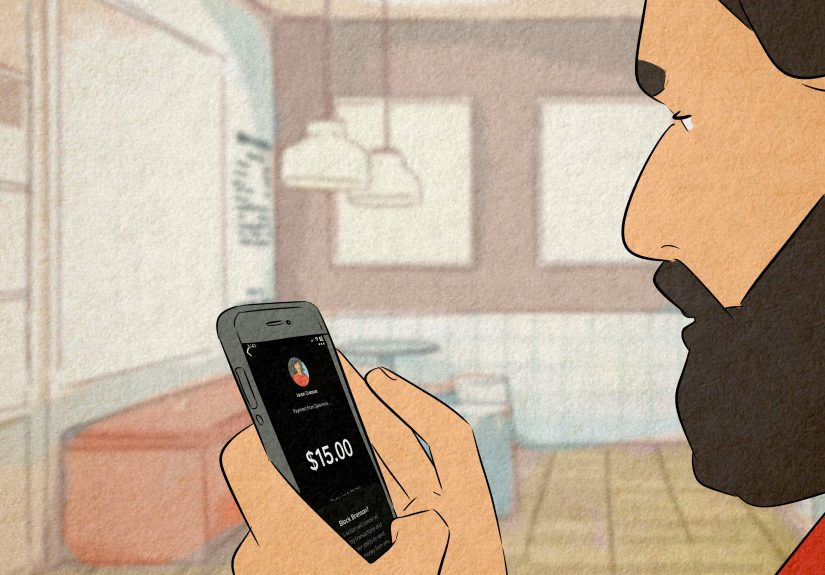
Cash-back apps such as Upside can help you earn money back after buying gas at participating stations. Instead of simply showing the lowest price, these apps may show an offer like 10, 15, or 25 cents back per gallon. You claim the offer, buy gas, and receive cash back after the purchase is confirmed.
This can be a great option when the station is already competitive. However, compare the final price after cash back. A station offering 20 cents back may still be more expensive than another station nearby with a lower posted price. The smartest move is to calculate the real cost per gallon after rewards.
Example
Station A: $3.69 per gallon with 15 cents back. Final effective price: $3.54. Station B: $3.49 with no reward. Station B is still cheaper. The app is helpful, but your calculator is the referee.
8. Plan Fuel Stops Before Road Trips
Gas prices can change dramatically between cities, counties, and states. If you are taking a road trip, plan fuel stops before you leave. Use apps to compare prices along your route and avoid filling up at the most expensive stations, such as those near airports, isolated highway exits, or tourist-heavy areas.
A good rule is to start looking when your tank is around half full, not when it is nearly empty. The lower your fuel level, the less choice you have. Desperation is expensive. Gas stations know this. Your fuel light knows this. Everybody knows this except the driver who says, “We can make it.”
Road-trip strategy
Check prices 50 to 100 miles ahead, especially before crossing into a state known for higher fuel taxes. Sometimes filling up before a state line can save several dollars in one stop.
9. Avoid Paying for Convenience When You Can
The station closest to your house, workplace, or freeway exit is not always the cheapest. Convenience stations often charge more because they can. Drivers stop there because they are nearby, tired, late, or already emotionally defeated by traffic.
To avoid overpaying, identify two or three reliable low-price stations in your normal driving area. These become your default options. You do not have to check every app every day; you simply build a small personal map of where gas is usually cheaper.
Simple habit
When you notice a station consistently priced lower than others, save it in your map app. Over time, you will know exactly where to go without doing research every time your tank gets thirsty.
10. Save Gas by Driving Smarter
Finding the cheapest gas is great, but using less gas is even better. Efficient driving habits can stretch each tank and reduce how often you need to fill up. Smooth acceleration, steady speeds, properly inflated tires, less idling, and removing unnecessary weight from your vehicle can all help improve fuel economy.
The U.S. Department of Energy and other consumer agencies consistently recommend basic maintenance and efficient driving as practical fuel-saving strategies. Keep your tires inflated to the pressure listed on the driver-side door sticker, use the recommended motor oil, avoid aggressive acceleration, and do not carry half your garage in the trunk.
Real-world example
If you save 10 cents per gallon by finding cheaper fuel but waste fuel by speeding, braking hard, and idling for 20 minutes, you may erase your savings. The cheapest gallon is the one you do not burn unnecessarily.
Bonus Tips for Finding Cheap Gas Near You
Check prices early in the week
Gas price patterns vary by market, but many price-tracking analyses have found that certain days of the week can be cheaper than others. In many places, weekends or early-week fill-ups may beat midweek prices. The exact best day depends on your state and local pricing cycle, so use your app history and local observation.
Do not drive far for tiny savings
A station 8 miles away that saves 5 cents per gallon is probably not worth it unless it is already on your route. Calculate the real savings. For a 12-gallon fill-up, 5 cents off saves 60 cents. That is not a deal; that is a coin with an errand attached.
Watch cash versus credit pricing
Some stations advertise a lower cash price while charging more for credit cards. Always check the sign carefully. If you pay by card, compare the card price, not the big shiny number designed to lure you in like a discount-shaped fishing hook.
Use station apps when loyal to one brand
If you frequently buy from the same chain, its app may offer exclusive deals, digital coupons, or loyalty discounts. This is helpful if the station is already convenient and reasonably priced.
Common Mistakes That Make Gas More Expensive
Filling up only when the tank is almost empty
Waiting until your fuel light turns on gives you fewer choices. You may end up paying whatever the nearest station charges. Start comparing when you still have enough gas to be selective.
Ignoring total trip cost
Cheap gas far away may not be cheap after accounting for mileage, time, and traffic. The best deal is usually a low-priced station already near your route.
Buying premium “just because”
Unless your vehicle requires premium, regular gas is usually the better financial choice. More expensive does not always mean better for your engine.
Forgetting rewards expiration dates
Fuel points and rewards often expire. Check your account before the end of the month so you do not lose discounts you already earned.
of Real-Life Experience: How Cheap Gas Hunting Actually Works
Finding the cheapest gas in your area sounds simple until real life gets involved. You open an app, spot a station that is 28 cents cheaper, feel like a financial genius, and then realize it is across town, behind three traffic lights, a school pickup line, and one construction cone convention. That is when cheap gas becomes a strategy, not just a price.
The most useful experience is learning your personal fuel map. Every driver has a routine: home to work, school drop-offs, grocery runs, gym visits, weekend errands, and the occasional emergency run for batteries, dog food, or whatever item disappeared from the house at the worst possible time. Instead of searching randomly, pay attention to the stations already near those routes. After a few weeks, you will notice patterns. One station may always be cheaper in the morning. Another may drop prices on Sundays. A warehouse club may be great, but only when the line does not look like people are waiting for concert tickets.
Another lesson: the best savings are boring but consistent. Saving 12 cents per gallon may not feel exciting, but if you do it every week, it becomes real money. Combine that with a rewards program or cash-back card, and suddenly you are saving enough to notice. It is not dramatic. Nobody plays movie-trailer music when you save $3.80 at the pump. But your monthly budget quietly appreciates it.
It also helps to fill up before you are desperate. Drivers make the worst fuel decisions when the tank is low. You stop thinking like a bargain hunter and start thinking like a raccoon in survival mode: nearest shiny thing wins. Keeping your tank above a quarter full gives you options. Options save money.
Road trips teach this lesson even faster. Highway stations can be wildly expensive, especially in isolated areas. The better move is to check fuel prices 30 to 60 minutes before you need gas. If you are traveling with family, make the fuel stop do double duty: bathroom break, snacks, stretching, and gas. A slightly cheaper station with clean restrooms and easy access can be a better overall choice than the absolute cheapest place hidden behind a maze of side streets.
Finally, cheap gas hunting works best when you do not become obsessed. Driving 20 minutes to save 90 cents is not frugal; it is a hobby with poor math. The winning approach is simple: compare quickly, choose stations along your route, stack easy rewards, maintain your car, and avoid last-minute fill-ups. Do that, and you will beat most drivers at the pump without turning every gas stop into a research project.
Conclusion: The Cheapest Gas Is Usually the Smartest Gas
The easiest way to find the cheapest gas in your area is to combine technology with common sense. Use gas price apps, check Google Maps, compare stations by your actual fuel grade, take advantage of rewards, and plan fill-ups before your tank is nearly empty. Then protect your savings by driving efficiently and avoiding unnecessary detours.
Gas prices will keep changing because oil markets, taxes, seasons, local competition, and supply issues all play a role. You cannot control those factors, but you can control where, when, and how you fill up. A few cents per gallon may seem small, but smart drivers know small savings repeated often become meaningful. Your car still gets its fuel, your budget gets a break, and you get the quiet joy of knowing you did not overpay for the privilege of going to work.
Note: Gas prices, rewards, app offers, and membership discounts vary by location and can change quickly. Always verify the current station price, fuel grade, and discount terms before filling up.