Table of Contents >> Show >> Hide
- Step 1: Stay Visible and Alert Before Trouble Starts
- Step 2: React Quickly if a Crash Seems Imminent
- Step 3: Call 911 and Get Out of Further Danger Only if Safe
- Step 4: Control Bleeding and Watch for Shock
- Step 5: Get Medical Care Even if You Feel “Mostly Fine”
- Step 6: Document the Accident When You Safely Can
- Step 7: Recover Physically, Mentally, and Financially
- Common Pedestrian Accident Injuries to Take Seriously
- How Drivers and Pedestrians Can Prevent Future Crashes
- Experience-Based Advice: What Survivors Often Wish They Had Known
- Conclusion
- SEO Tags
Getting hit by a car is one of those terrifying life events nobody schedules into their day planner. You leave home thinking about coffee, errands, school pickup, or whether your headphones are chargedand suddenly a vehicle, a crosswalk, and physics have decided to hold a very rude meeting. While no article can guarantee survival in a pedestrian car accident, knowing what to do before, during, and after impact can improve your odds, reduce complications, and help you make smarter decisions when adrenaline is trying to run the show.
Pedestrians are among the most vulnerable people on the road because they do not have airbags, seat belts, steel frames, or even a cup holder to emotionally support them. According to U.S. traffic safety data, thousands of pedestrians are killed and tens of thousands are injured in motor vehicle crashes every year. That does not mean walking is unsafe by default. It means the stakes are high, especially near intersections, parking lots, driveways, poorly lit roads, and places where distracted driving and distracted walking collide.
This guide explains how to survive a car accident as a pedestrian in seven practical steps. It covers prevention, what to do if a crash seems unavoidable, how to respond immediately after impact, when to call 911, how to handle bleeding or possible spinal injuries, why medical evaluation matters, and how to document what happened. Think of it as the guide you hope you never needbut will be glad you read if the sidewalk suddenly turns into a scene from an action movie nobody auditioned for.
Step 1: Stay Visible and Alert Before Trouble Starts
The best pedestrian accident survival strategy is avoiding the crash in the first place. That sounds obvious, but prevention is not just “look both ways and hope for polite drivers.” It means making yourself easier to see, easier to predict, and harder to miss.
Use Crosswalks and Intersections Wisely
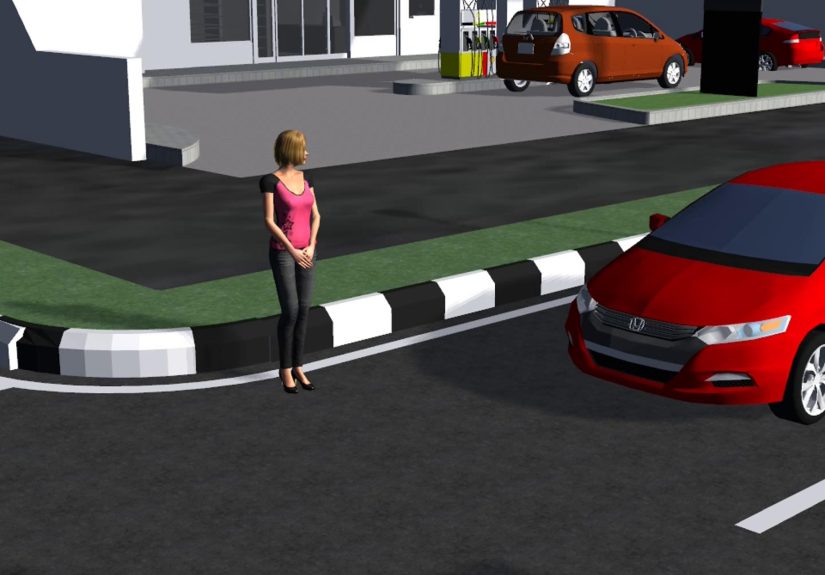
Cross at marked crosswalks or intersections whenever possible. Drivers are more likely to expect pedestrians there, and traffic signals are designed to create safer crossing windows. Even so, a walk signal is not a force field. Before stepping off the curb, pause, scan left-right-left, and watch for turning vehicles. Many pedestrian accidents happen when drivers turn right or left and fail to notice someone already in the crosswalk.
Make eye contact with drivers when you can. This does not mean having a staring contest worthy of a Western movie. It simply means checking whether the driver appears to see you. If the driver is looking down, rolling forward, or inching into the crosswalk, wait. Your schedule may be important, but your knees are also quite fond of remaining attached.
Be Bright, Reflective, and Predictable
At night, in rain, during fog, or around sunrise and sunset, visibility drops fast. Wear bright clothing, use reflective gear, or carry a small flashlight when walking in low-light conditions. A black hoodie at midnight may be stylish, but it also turns you into a pedestrian-shaped shadow. Reflective strips, light-colored jackets, blinking clip-on lights, and phone flashlights can help drivers recognize you sooner.
Walk on sidewalks whenever possible. If there is no sidewalk, walk facing traffic and stay as far from moving vehicles as you safely can. Facing traffic gives you a chance to see danger coming instead of receiving bad news from behind.
Step 2: React Quickly if a Crash Seems Imminent
If a vehicle is suddenly heading toward you, there may be only a second or two to react. There is no magic movement that guarantees survival. Ignore dramatic internet advice that treats a real crash like a stunt scene. Your goal is simple: get out of the vehicle’s path if possible and protect your most vulnerable areas if you cannot.
Move Away From the Vehicle’s Path
If you have enough time and space, step back, jump sideways, or move toward the safest nearby area: a curb, median, sidewalk, parked-car gap, grass strip, or barrier. Do not freeze if movement is possible. Your body may lock up during sudden danger, so training yourself mentally to “move away from the path” can help.
Use your voice. Shout “Stop!” or “Hey!” as loudly as you can. A driver who is distracted may snap back to attention. Raise your hands to make yourself more visible. These actions may feel awkward, but awkward is better than aerodynamic.
Protect Your Head, Neck, and Torso
If impact is unavoidable, try to turn slightly away from the vehicle and protect your head with your arms. Tuck your chin if you can. Avoid reaching out stiffly with locked arms because wrists, elbows, and shoulders can take severe force. If you fall, try to curl slightly and protect your head and neck. Again, this is not a guaranteed technique; it is a last-second effort to reduce injury.
After impact, do not rush to stand up. Many injured pedestrians feel a burst of adrenaline and believe they are “fine” for the first few minutes. Adrenaline is useful for survival, but it is also a terrible medical examiner. Broken bones, internal injuries, concussions, and spinal trauma may not be obvious right away.
Step 3: Call 911 and Get Out of Further Danger Only if Safe
After a pedestrian crash, the first priority is preventing a second crash. If you are lying in an active traffic lane and can move without severe pain, crawl or carefully move to the shoulder, sidewalk, median, or another safer location. If you have severe neck pain, back pain, numbness, weakness, confusion, heavy bleeding, or cannot move normally, stay still and ask others to block traffic and call 911.
Ask for Emergency Help Immediately
Call 911 as soon as possible, or tell a bystander directly: “You in the blue jacket, call 911.” Being specific helps prevent the classic crowd problem where everyone assumes someone else is handling it. If you are the injured pedestrian and cannot speak clearly, try to unlock your phone’s emergency call screen or gesture for help.
When speaking with dispatch, give the exact location, nearby landmarks, direction of travel if known, number of injured people, and whether there is bleeding, unconsciousness, breathing trouble, or a possible head or spinal injury. Stay on the line unless the dispatcher says to hang up.
Do Not Remove Helmets or Move Someone With Possible Spine Injury
If the pedestrian was using a bike helmet, scooter helmet, or other protective gear, do not remove it unless trained emergency responders instruct you to do so or the person’s airway is blocked and there is no other option. If there is possible head, neck, or back injury, movement can worsen damage. Keep the person still, reassure them, and wait for emergency medical professionals.
If you are the injured person, resist the urge to “walk it off.” This is not a stubbed toe at a picnic. A car just hit a human body. Let trained responders evaluate you.
Step 4: Control Bleeding and Watch for Shock
Severe bleeding can become life-threatening quickly. If you are bleeding heavily or helping someone who is, apply firm, direct pressure with clean cloth, gauze, a shirt, or whatever clean material is available. If blood soaks through, add more material on top rather than removing the original layer. Keep pressure steady.
Know the Signs of Serious Bleeding
Bleeding that spurts, flows continuously, pools on the ground, or soaks clothing needs emergency attention. Wounds on the scalp can bleed dramatically, even when the injury is not as deep as it looks, while internal bleeding may show little on the outside. Watch for pale or clammy skin, dizziness, weakness, confusion, rapid breathing, extreme thirst, or fainting.
If a limb is severely bleeding and direct pressure does not control it, a tourniquet may be needed, but it should be applied by someone trained if possible. In a life-threatening emergency, dispatchers may talk a caller through the steps until help arrives.
Prevent Shock While Waiting for Help
Shock can happen after trauma, blood loss, or severe injury. The person may become pale, cold, sweaty, weak, anxious, confused, or unusually quiet. Keep the injured pedestrian warm with a coat or blanket. Do not give food or drink, especially if surgery or sedation may be needed. If there is no suspected head, neck, back, hip, or leg injury, emergency guidance may recommend lying the person down. However, when in doubt after a vehicle impact, keeping the person still and waiting for professionals is usually safest.
Comfort matters. Speak calmly. Say help is coming. Panic spreads quickly at accident scenes, but a calm voice can make a frightening situation feel less chaotic.
Step 5: Get Medical Care Even if You Feel “Mostly Fine”
Many pedestrian accident injuries are obvious: fractures, deep cuts, road rash, head wounds, or severe pain. Others are sneaky. Concussion symptoms, internal bleeding, soft-tissue injuries, and spinal problems may appear hours or days later. That is why medical evaluation is important even if you can stand, talk, and complain about the driver’s life choices.
Watch for Head Injury Warning Signs
Seek emergency care right away for loss of consciousness, worsening headache, repeated vomiting, confusion, slurred speech, seizures, unequal pupils, weakness, numbness, trouble walking, unusual sleepiness, or memory gaps around the crash. A concussion does not require a dramatic knockout. You can have a brain injury without losing consciousness.
Children, older adults, people on blood thinners, and anyone with a bleeding disorder need extra caution after head trauma. When the skull meets pavement or a vehicle hood, “better safe than sorry” is not overreacting; it is common sense wearing a seat belt.
Do Not Ignore Pain That Changes or Spreads
Neck pain, back pressure, abdominal pain, chest pain, shortness of breath, dizziness, numbness, or weakness should be evaluated quickly. Pain that worsens after the adrenaline fades may signal injuries that were not obvious at the scene. Follow discharge instructions carefully, take medications only as directed, and attend follow-up appointments.
Keep copies of medical records, imaging results, prescriptions, therapy recommendations, and work restrictions. These documents help your healthcare team track recovery and may also matter for insurance claims.
Step 6: Document the Accident When You Safely Can
Health comes first. Documentation comes second. But when you are safe and medically stable, details can disappear faster than snacks in an office break room. Cars leave, witnesses vanish, skid marks fade, and memories become fuzzy.
Gather Driver and Witness Information
If you are able, get the driver’s name, phone number, license plate, insurance information, and vehicle description. If you cannot do it yourself, ask a bystander or police officer to help. Do not argue with the driver at the scene. Stress can turn a simple exchange into a roadside courtroom drama, and nobody needs that while waiting for an ambulance.
Ask witnesses for names and contact information. A neutral witness can be extremely important, especially if the driver claims they “never saw you” or if there is disagreement about the traffic signal, speed, or crosswalk.
Take Photos and Preserve Evidence
If it is safe, photograph the scene, crosswalk, traffic signals, skid marks, vehicle damage, your injuries, torn clothing, broken glasses, damaged phone, shoes, weather conditions, lighting, and nearby signs. Save dashcam, doorbell camera, business security camera, or traffic camera information if you notice cameras nearby.
Write down what you remember as soon as possible: where you were walking, which direction you were going, what the signal showed, what the vehicle did, what you heard, and what happened after impact. Do not guess. It is perfectly acceptable to write, “I do not remember the exact moment of impact.” Accuracy is more useful than confidence.
Step 7: Recover Physically, Mentally, and Financially
Surviving the crash is the first battle. Recovery can be longer, quieter, and more frustrating. Pedestrian accident injuries may involve emergency care, surgery, physical therapy, concussion management, wound care, missed work, transportation problems, and emotional stress. You may feel grateful to be alive and furious that walking across the street became a medical project. Both feelings can be true.
Follow the Recovery Plan
Take follow-up care seriously. Attend physical therapy, use mobility aids as instructed, keep wounds clean, and report new symptoms. Do not rush back to intense exercise, long walks, or work duties before your clinician clears you. Healing tissue does not care about your inbox.
If you have concussion symptoms, reduce activities that worsen headaches, dizziness, light sensitivity, or concentration problems. Ask your healthcare provider when it is safe to drive, work, exercise, or use screens for long periods.
Handle Insurance and Legal Questions Carefully
Pedestrian accident claims can involve auto insurance, health insurance, police reports, medical bills, lost wages, and state-specific traffic laws. Report the crash to the appropriate insurer, but be careful with recorded statements before you understand your injuries and rights. You do not need to exaggerate. You also do not need to minimize pain just to sound polite.
Consider speaking with a qualified personal injury attorney if injuries are serious, bills are high, liability is disputed, the driver fled, or an insurance company pressures you to settle quickly. Laws vary by state, so personalized advice matters. Keep every receipt, appointment note, mileage record, prescription cost, and work absence record in one folder. Future you will appreciate the administrative kindness.
Common Pedestrian Accident Injuries to Take Seriously
Pedestrians can suffer injuries from the vehicle impact, the fall, or being thrown into another object. Common injuries include concussions, skull fractures, spinal injuries, broken legs, pelvic fractures, rib injuries, shoulder injuries, internal bleeding, lacerations, dental injuries, and severe bruising. Road rash may sound minor, but deep abrasions can become infected and may require careful wound care.
Lower-body injuries are common because bumpers often strike the legs first. Head and torso injuries can occur when the pedestrian hits the hood, windshield, ground, or another object. Children may be struck differently because they are shorter, which can make upper-body and head injuries especially concerning.
Emotional injuries are real too. After a pedestrian accident, some people develop anxiety around traffic, nightmares, irritability, trouble sleeping, or fear of walking in places that used to feel normal. If these symptoms continue, mental health support can be part of recovery. Surviving is not only about bones knitting back together; it is also about feeling safe in your world again.
How Drivers and Pedestrians Can Prevent Future Crashes
Pedestrian safety is a shared responsibility. Drivers should slow down near crosswalks, schools, neighborhoods, parking lots, bus stops, and intersections. They should avoid texting, watch for turning pedestrians, yield when required, and be extra cautious in darkness or bad weather. Speed matters: the faster a vehicle travels, the less time a driver has to react and the more severe the impact can be.
Pedestrians can reduce risk by staying alert, crossing where drivers expect them, avoiding phone use while crossing, wearing visible clothing, and watching for moving wheels in parking lots and driveways. Electric vehicles and hybrids can be quieter at low speeds, so eyes matter as much as ears.
Infrastructure also plays a major role. Safer streets include well-marked crosswalks, pedestrian islands, leading pedestrian intervals, speed bumps, curb extensions, better lighting, lower speed limits, and sidewalks that do not suddenly vanish like a magician with a municipal budget.
Experience-Based Advice: What Survivors Often Wish They Had Known
People who have been hit by a car as pedestrians often describe the first few minutes as strangely unreal. One moment they are crossing a street, and the next they are sitting on pavement trying to understand why strangers are leaning over them. The body may shake. The ears may ring. Time may feel slow, fast, or chopped into missing pieces. This is one reason the first experience-based lesson is simple: do not trust your first impression of your injuries.
Many survivors say they initially felt embarrassed. They wanted to get up quickly, wave everyone away, and pretend nothing serious happened. That reaction is understandable. Nobody enjoys being the center of attention in traffic unless they are leading a parade. But standing too soon can worsen injuries or cause a fall if dizziness hits. If you are ever in that position, give yourself permission to stay down, breathe, and let people help.
Another common experience is confusion about pain. Right after impact, pain may be sharp in one place and absent in another. Later, the “minor” areas may become the real problem. A pedestrian may notice knee pain first, then develop neck stiffness, headaches, bruising, or abdominal discomfort hours later. This delayed pattern is why medical evaluation and follow-up matter. A clean bill of health at the scene is not the same as a full recovery plan.
Survivors also often wish they had gathered more information. In the moment, it can feel rude to ask for the driver’s insurance or witness phone numbers. It is not rude. It is responsible. If you are injured, ask someone nearby to take photos, collect names, or wait for police. Bystanders usually want to help but may need a clear task. “Please take a picture of that license plate” is much more useful than “Can someone do something?”
Clothing and personal items can become evidence. Shoes, jackets, backpacks, broken glasses, and damaged phones may help show the force and direction of impact. Do not throw them away immediately. Put them in a bag and label the date. This may feel overly organized, but accident recovery has a way of turning tiny details into important details.
Emotionally, survivors may feel nervous at intersections long after physical wounds improve. A horn, screeching brakes, or a car turning too close can trigger panic. This does not mean someone is weak. It means the brain remembers danger and is trying, somewhat dramatically, to prevent a repeat performance. Gradual exposure, support from loved ones, therapy, and practical safety habits can help rebuild confidence.
One of the most useful pieces of advice is to create a recovery folder immediately. Include the police report number, medical paperwork, appointment dates, medication lists, photos, receipts, insurance letters, and a daily symptom journal. Write down pain levels, sleep problems, mobility limits, missed work, and activities you cannot do. Memory fades, but notes stay stubbornly helpful.
Finally, accept help. Let someone drive you to appointments, pick up prescriptions, cook dinner, or deal with paperwork. Pedestrian accident recovery can be exhausting because the ordinary world keeps moving while your body asks for a timeout. Survival is not only the moment you avoid death; it is the long process of getting your strength, confidence, and routine back.
Conclusion
Learning how to survive a car accident as a pedestrian is not about becoming paranoid every time you step outside. It is about respecting the reality that pedestrians are vulnerable and preparation matters. Stay visible, use safe crossing habits, react quickly if danger appears, call 911 after a crash, avoid unnecessary movement when serious injury is possible, control bleeding, get medical care, document the scene, and take recovery seriously.
No one plans to be hit by a car. But if it happens, calm actions can make a chaotic situation more survivable. Your body is more important than your schedule, your pride, or the awkwardness of asking strangers for help. Walk smart, stay alert, and remember: sidewalks are great, crosswalks are useful, and physics has absolutely no sense of humor.