Table of Contents >> Show >> Hide
- Why This Pork Noodles Recipe Works
- Best Pork for Pork Noodles
- Ingredients You Will Need
- How To Make Pork Noodles
- Full Best Pork Noodles Recipe
- How To Make Pork Noodles Taste Even Better
- Easy Variations
- Common Mistakes To Avoid
- What To Serve With Pork Noodles
- How To Store and Reheat
- Why This Is the Best Pork Noodles Recipe for Busy Cooks
- Kitchen Experiences and Real-Life Lessons From Making Pork Noodles
- Conclusion
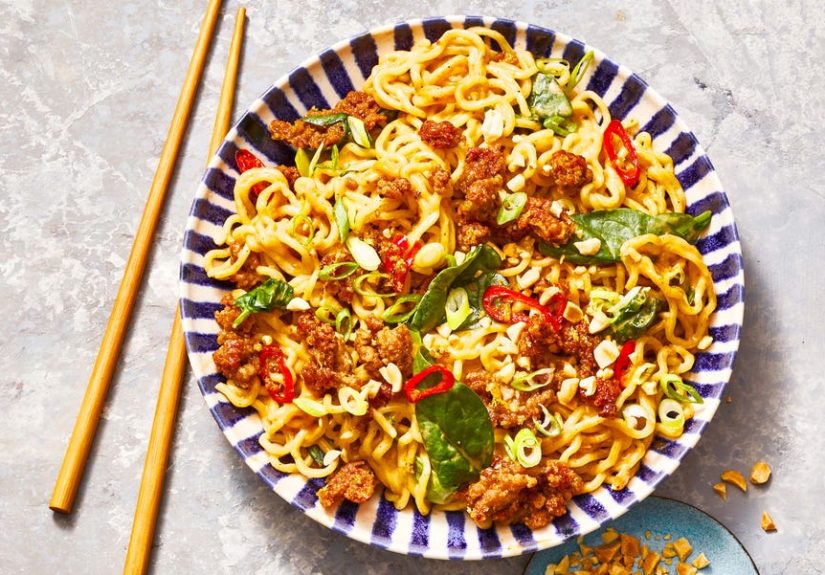
If dinner has been feeling a little too beige lately, pork noodles are here to rescue your weeknight with the enthusiasm of a skillet full of garlic. This dish hits the sweet spot between comfort food and quick dinner: tender pork, springy noodles, crisp vegetables, and a glossy sauce that clings to every strand like it knows it has a job to do.
The best pork noodles recipe is not about making the fanciest bowl in the zip code. It is about getting great texture, deep flavor, and serious slurp appeal without turning your kitchen into a steam bath or your sink into a noodle graveyard. The good news? Once you understand the building blocks, learning how to make pork noodles becomes less “mystery takeout magic” and more “I absolutely meant to make this masterpiece on a Tuesday.”
This version is designed for home cooks in the real world. It uses easy-to-find ingredients, a simple sauce, and techniques that actually work on a normal stove. You can make it with pork tenderloin for clean slices, or ground pork if you want dinner to move at a speed usually reserved for online shopping. Either way, you will end up with a savory, satisfying noodle dish that tastes far more impressive than the effort it requires.
Why This Pork Noodles Recipe Works
A great pork noodle recipe is all about balance. The noodles need to stay chewy instead of turning mushy. The pork should be juicy and browned, not gray and sad. The sauce needs enough salt, sweetness, and acidity to wake everything up without drowning the bowl. And the vegetables should still have a little bite, because texture is not optional here.
This recipe works because it follows a few smart rules. First, the noodles are cooked just until tender, then drained so they do not keep soaking up water like tiny edible sponges. Second, the pork is cooked quickly over high heat for better browning and better flavor. Third, the sauce is kept light and glossy, so you get coated noodles rather than soup pretending to be stir-fry. Finally, the aromatics do the heavy lifting: garlic, ginger, and scallions make the whole pan smell like you know exactly what you are doing.
Best Pork for Pork Noodles
Pork Tenderloin
Pork tenderloin is lean, mild, and easy to slice thinly. It is ideal if you want tidy strips of pork that cook fast and look great in the bowl. Slice it thinly against the grain so it stays tender.
Ground Pork
Ground pork is the weeknight hero. It browns quickly, absorbs flavor beautifully, and creates those little crispy edges that make you sneak bites straight from the pan. If your main goal is speed, ground pork wins by a nose.
Pork Loin or Boneless Chops
These also work well when sliced thin. They are easy to find in American grocery stores and hold up nicely in stir-fried noodle dishes. Just do not cut them too thick, or the pork will take longer to cook than your patience can tolerate.
Ingredients You Will Need
- 12 ounces lo mein, ramen, udon, spaghetti, or other wheat noodles
- 1 pound pork tenderloin, thinly sliced, or ground pork
- 1 tablespoon soy sauce for the pork
- 2 tablespoons neutral oil, such as canola or avocado oil
- 3 garlic cloves, minced
- 1 tablespoon fresh ginger, minced
- 4 scallions, sliced, whites and greens separated
- 2 cups green cabbage, shredded
- 1 red bell pepper, thinly sliced
- 1 cup carrots, julienned or thinly sliced
For the Sauce
- 3 tablespoons low-sodium soy sauce
- 1 tablespoon oyster sauce
- 1 tablespoon rice vinegar
- 1 tablespoon brown sugar or honey
- 1 teaspoon toasted sesame oil
- 1 teaspoon cornstarch
- 1/3 cup chicken broth or water
- 1 to 2 teaspoons chili garlic sauce or chili crisp, optional
How To Make Pork Noodles
Step 1: Prep the Sauce First
Whisk together the soy sauce, oyster sauce, rice vinegar, brown sugar, sesame oil, cornstarch, broth, and chili sauce if using. Making the sauce first is one of those grown-up kitchen habits that saves dinner from chaos. Once the pan is hot, you will not want to pause and search for the vinegar while garlic threatens to burn.
Step 2: Cook the Noodles
Bring a large pot of salted water to a boil and cook the noodles according to package directions until just tender. Drain well. If you are making a stir-fry style pork noodle dish, a quick rinse under cool water can stop the cooking and help prevent sticking. Toss the noodles with a tiny bit of oil if needed.
Step 3: Season the Pork
If using sliced pork, toss it with 1 tablespoon soy sauce. If using ground pork, season it lightly with salt and pepper. Let it sit while you heat the pan. This short rest gives the meat a head start on flavor.
Step 4: Brown the Pork
Heat 1 tablespoon oil in a large skillet or wok over medium-high heat. Add the pork in a single layer. If using sliced pork, cook it in batches so it browns instead of steams. If using ground pork, break it up and cook until browned and slightly crisp in spots. Transfer the pork to a plate once cooked through.
Step 5: Cook the Vegetables
Add the remaining oil to the pan. Stir in the scallion whites, garlic, and ginger. Cook for about 30 seconds, just until fragrant. Add the cabbage, bell pepper, and carrots. Stir-fry for 2 to 3 minutes until the vegetables are bright and slightly tender but still crisp. Nobody dreams about limp bell peppers.
Step 6: Bring It All Together
Return the pork to the pan. Add the noodles. Pour in the sauce and toss everything together for 1 to 2 minutes, until the sauce thickens slightly and coats the noodles. Finish with scallion greens. Taste and adjust with more soy sauce, vinegar, or chili crisp depending on your mood and your spice confidence.
Full Best Pork Noodles Recipe
Prep time: 20 minutes
Cook time: 15 minutes
Total time: 35 minutes
Servings: 4
Instructions
- Whisk all sauce ingredients in a small bowl and set aside.
- Cook noodles in salted boiling water until just tender. Drain and set aside.
- Toss sliced pork with 1 tablespoon soy sauce, or lightly season ground pork.
- Heat 1 tablespoon oil in a large skillet or wok over medium-high heat.
- Cook pork until browned and cooked through. Remove to a plate.
- Add remaining oil, then cook scallion whites, garlic, and ginger for 30 seconds.
- Add cabbage, bell pepper, and carrots. Stir-fry 2 to 3 minutes.
- Return pork to the skillet and add noodles.
- Pour in sauce and toss until glossy and evenly coated, about 1 to 2 minutes.
- Top with scallion greens and serve hot.
How To Make Pork Noodles Taste Even Better
Use High Heat, But Not Panic Heat
You want the pan hot enough to brown the pork and lightly char the vegetables, but not so hot that the garlic goes from fragrant to scorched in one dramatic second. Medium-high is your friend.
Do Not Overcrowd the Pan
If you dump in all the pork at once and it starts releasing liquid, you are not stir-frying anymore. You are politely steaming. Cook in batches if needed.
Keep the Sauce Light
The best pork noodles are glossy, not swampy. The sauce should coat the noodles, not pool at the bottom like it paid rent.
Add Fresh Finishers
Scallions, cilantro, sesame seeds, lime wedges, or chili crisp can take the bowl from very good to suspiciously restaurant-like.
Easy Variations
Garlic Pork Noodles
Double the garlic and finish with extra black pepper. This is for people who believe garlic is not an ingredient but a personality trait.
Spicy Pork Noodles
Add chili crisp, sriracha, sambal oelek, or red pepper flakes. You can also drizzle the finished bowl with hot sesame oil for a deeper heat.
Pork Vegetable Noodle Bowl
Bulk up the dish with bok choy, mushrooms, snap peas, broccoli, or spinach. This makes the bowl feel balanced, which is nice when you go back for seconds.
Pork Ramen Noodles
Use instant ramen noodles, but skip the seasoning packet if you want more control over the salt level. This turns pantry noodles into an actual dinner instead of a late-night life choice.
Common Mistakes To Avoid
- Overcooking the noodles: Mushy noodles are hard to rescue and impossible to forget.
- Using too much sauce: More is not always better. Sometimes more is just wetter.
- Skipping the aromatics: Garlic, ginger, and scallions are what make the dish smell and taste complete.
- Cooking cold pork straight from the fridge in a crowded pan: That is how you get pale meat and kitchen disappointment.
- Forgetting to taste before serving: A splash more vinegar or soy sauce can wake up the whole skillet.
What To Serve With Pork Noodles
Honestly, pork noodles can stand on their own. But if you want a fuller spread, try cucumber salad, steamed edamame, sautéed bok choy, or a simple broth-based soup. A crisp side is especially nice because it contrasts with the rich, savory noodles. If you are entertaining, add dumplings and call it a theme instead of an excuse to eat more carbs.
How To Store and Reheat
Store leftovers in an airtight container in the refrigerator for up to 3 days. Reheat in a skillet over medium heat with a splash of water or broth to loosen the sauce. The microwave works too, but the skillet does a better job of reviving the texture. Freezing is possible, though the noodles may soften after thawing. Still tasty, just a little less glamorous.
Why This Is the Best Pork Noodles Recipe for Busy Cooks
The best pork noodles recipe is the one you can actually make without special equipment, a scavenger hunt for ingredients, or a four-hour emotional commitment. This one checks all the boxes. It is fast enough for weeknights, flexible enough for fridge clean-out duty, and flavorful enough to keep in your regular dinner rotation.
It also plays nicely with substitutions. Swap the vegetables, change the noodles, use ground pork, sliced pork, or even leftover roasted pork. Keep the formula the same: noodles, pork, aromatics, vegetables, balanced sauce. Once you know that pattern, you are not just learning how to make pork noodles. You are learning how to make dinner work for you.
Kitchen Experiences and Real-Life Lessons From Making Pork Noodles
The funniest thing about making pork noodles at home is that the first attempt often feels wildly more dramatic than it really is. You boil noodles, slice pork, stir a sauce, and suddenly the kitchen smells like your favorite takeout spot. That little moment can be weirdly satisfying. It is the culinary version of putting on a blazer and instantly sitting up straighter.
One of the biggest lessons people learn from this dish is that prep matters more than fancy equipment. A wok is nice, but a large skillet works beautifully if everything is chopped, mixed, and ready before the heat goes on. This is not the kind of recipe where you casually mince ginger while the pork is already in the pan unless you enjoy adrenaline. Pork noodles reward organized cooking, and honestly, that is part of their charm.
Another real-life experience: the noodle choice changes everything. Udon makes the bowl extra chewy and cozy. Lo mein feels classic and saucy. Ramen is springy and fast. Even spaghetti, in a pinch, can pull off a respectable performance. Home cooks often discover that the “best” pork noodles are not about strict authenticity but about getting great texture with what is already in the pantry. It is less about perfection and more about smart deliciousness.
There is also the pork lesson. Sliced tenderloin feels a little more polished, while ground pork feels gloriously practical. Ground pork browns fast, picks up seasoning quickly, and creates little savory bits that tuck themselves into the noodles like hidden treasure. Sliced pork, on the other hand, gives a more restaurant-style presentation. Neither is wrong. This is one of those rare dinner decisions where the correct answer is basically, “What is in your refrigerator right now?”
Vegetables tell their own story too. Cabbage is dependable, cheap, and excellent at soaking up flavor. Bell peppers bring sweetness. Carrots add color and crunch. Bok choy makes the whole bowl feel a little greener and more virtuous, which is convenient when the second helping arrives. Many cooks end up loving pork noodles because the recipe quietly becomes a clean-out-the-fridge champion without tasting like leftovers in disguise.
Then there is the sauce, which teaches restraint. It is easy to think more sauce equals more flavor, but pork noodles are better when the sauce lightly coats everything instead of flooding the bowl. The goal is shine, not soup. Once people see how a small amount of soy sauce, vinegar, sweetener, and broth can create a balanced glaze, the recipe starts to feel less like a rigid formula and more like a useful kitchen skill.
Perhaps the most relatable experience is that pork noodles feel impressive even when they are not hard. That matters. We all need a few meals that taste like effort but behave like shortcuts. This dish delivers that energy. It is quick, adaptable, and a little theatrical in the best way. The steam rises, the noodles glisten, the scallions go on top, and suddenly a regular evening has upgraded itself. Not bad for a skillet, a pot of noodles, and a pound of pork.
Conclusion
If you have been wondering how to make pork noodles that are rich, balanced, and weeknight-friendly, this recipe gives you the roadmap. Start with good noodles, cook the pork hot and fast, keep the vegetables crisp, and finish with a sauce that brings everything together without taking over the room. The result is cozy, flavorful, and adaptable enough to make again and again.
In other words, this is the kind of dinner that earns a spot in your regular rotation. It is fast enough for busy nights, tasty enough for cravings, and flexible enough to survive whatever your produce drawer is trying to become. Once you make it once, you will understand why pork noodles deserve a permanent place in the comfort-food hall of fame.