Table of Contents >> Show >> Hide
- What Is a Cold Sore Crust?
- How Long Does the Crusting Stage Last?
- How to Heal Cold Sore Crust: 10 Steps
- Step 1: Do Not Pick the Crust
- Step 2: Keep the Area Gently Moisturized
- Step 3: Use Cold Compresses for Pain and Swelling
- Step 4: Apply Antiviral Treatment Early When Possible
- Step 5: Avoid Harsh Home Remedies
- Step 6: Protect the Crust When Eating and Drinking
- Step 7: Wash Your Hands and Avoid Touching the Sore
- Step 8: Use Sunscreen Lip Balm After Healing
- Step 9: Watch for Signs of Infection or Complications
- Step 10: Prevent the Next Cold Sore Before It Starts
- Should You Cover a Cold Sore Crust?
- Can Makeup Hide a Cold Sore Crust?
- Cold Sore Crust Mistakes That Slow Healing
- When Is a Cold Sore No Longer Contagious?
- Practical Example: A Simple Cold Sore Crust Routine
- Extra Experience Section: Real-Life Lessons for Healing Cold Sore Crust
- Conclusion
A cold sore crust is one of those tiny facial events that somehow manages to steal the spotlight from your entire personality. You wake up, look in the mirror, and there it is: a golden-brown little scab sitting on your lip like it pays rent. The good news is that the crusting stage usually means your cold sore is moving toward healing. The less-good news is that this stage can crack, itch, sting, bleed, tempt you to pick at it, and generally behave like a tiny drama queen.
Cold sores, also called fever blisters or oral herpes, are commonly caused by herpes simplex virus type 1, or HSV-1. They often begin with tingling, burning, or itching, then form small blisters that break open and crust over. While there is no instant cure that makes a cold sore disappear overnight, smart care can help the scab heal more comfortably, lower the chance of irritation, and reduce the risk of spreading the virus to other people.
This guide explains how to heal cold sore crust in 10 practical steps, with a focus on safe skin care, antiviral timing, comfort, prevention, and the little everyday habits that make a surprisingly big difference. Think of it as a rescue plan for your lipminus the panic, minus the folk remedies that sound like they were invented in a haunted kitchen.
What Is a Cold Sore Crust?
A cold sore crust is the scab that forms after the blister stage. Once the fluid-filled blisters break, the area starts to dry out. A protective crust forms over the healing skin underneath. This crust may look yellow, brown, or reddish-brown. It may feel tight when you smile, talk, eat, brush your teeth, or laugh at something you absolutely should not laugh at because your lip is already negotiating peace treaties.
The crust is not “bad.” In fact, it is part of your body’s repair process. The problem begins when the crust is picked, scrubbed, dried out too aggressively, or repeatedly cracked open. That can delay healing and may increase the risk of secondary bacterial infection. Your job is not to rip the scab off. Your job is to protect the area while your skin rebuilds underneath.
How Long Does the Crusting Stage Last?
For many people, a cold sore heals in about 7 to 14 days, though some outbreaks may take longer. The crusting stage often lasts several days. A cold sore is generally considered healed when the scab has fallen off naturally and the skin underneath looks normal again. Until then, it can still be contagious, especially if the sore is open, moist, cracked, or not fully healed.
If your cold sore lasts longer than two weeks, appears near your eye, becomes very painful, spreads, produces unusual swelling, or you have a weakened immune system or eczema, it is best to contact a healthcare professional. Cold sores are common, but “common” does not mean “ignore every warning sign.” Even a tiny lip scab deserves adult supervision when it starts acting suspicious.
How to Heal Cold Sore Crust: 10 Steps
Step 1: Do Not Pick the Crust
The number one rule of cold sore crust care is simple: do not pick it. Yes, it is tempting. Yes, it may look like it is “ready.” No, your fingernails are not licensed dermatologists. Picking can reopen the sore, cause bleeding, delay healing, increase irritation, and possibly spread the virus to other areas of your skin.
If the crust feels loose, let it fall away naturally. If it cracks, avoid tugging at the edges. If it itches, press a cool compress nearby rather than scratching it. The scab is acting like a natural bandage. Pulling it off too early is like cancelling construction before the roof is finished.
Step 2: Keep the Area Gently Moisturized
A cold sore crust that becomes overly dry is more likely to split when you talk or eat. Applying a thin layer of plain petroleum jelly or a gentle lip balm can help soften the crust and reduce painful cracking. The goal is not to make the area soggy; it is to keep it flexible enough that normal lip movement does not keep reopening the sore.
Use a clean cotton swab instead of your finger. Dab lightly. Do not rub. After the cold sore heals, throw away any lip balm, lipstick, gloss, or applicator that touched the sore during the outbreak. Your future self will appreciate not being reintroduced to the same viral villain.
Step 3: Use Cold Compresses for Pain and Swelling
A cool, damp cloth can help reduce discomfort, swelling, and tightness around the crust. Hold it gently near the area for a few minutes at a time. Do not scrub the crust, and do not use ice directly on the skin. Direct ice can irritate the area and make your lip feel like it just lost an argument with winter.
Cold compresses are especially useful when the crust feels hot, itchy, or sore. Use a clean cloth each time, then wash it before using it again. This helps reduce the chance of spreading the virus or introducing bacteria to already irritated skin.
Step 4: Apply Antiviral Treatment Early When Possible
Antiviral treatments work best when used at the first sign of a cold sore, such as tingling, burning, or itching. By the time the cold sore has crusted, treatment may still help some people, but the biggest advantage usually comes from starting early. Over-the-counter docosanol 10% cream may shorten healing time when used as directed. Prescription antiviral medicines such as acyclovir, valacyclovir, or famciclovir may be recommended for people with frequent, severe, or high-risk outbreaks.
If you often get cold sores, ask a healthcare provider whether you should keep a prescription antiviral on hand. Waiting until the blister throws a full parade across your lip is less ideal than treating during the “uh-oh, something is tingling” stage.
Step 5: Avoid Harsh Home Remedies
When people want a cold sore gone fast, the internet turns into a carnival of questionable advice. Toothpaste, alcohol, hydrogen peroxide, lemon juice, salt, and random “dry it out” tricks may sound powerful, but they can irritate the skin, crack the crust, and delay healing. A cold sore crust does not need punishment. It needs protection.
Gentle care is usually better than aggressive drying. If a product burns sharply, causes swelling, or makes the skin peel dramatically, stop using it. Healing skin is already working hard. Do not hand it a tiny chemical flamethrower.
Step 6: Protect the Crust When Eating and Drinking
Acidic, salty, spicy, or crunchy foods can irritate a cold sore crust. Citrus juice, hot sauce, chips, and very salty snacks may make the area sting or crack. Choose softer foods while the crust is fragile. Drink water, take small bites, and avoid stretching your mouth wide open if the sore is near the corner of your lip.
You do not need a dramatic “cold sore diet,” but a little common sense helps. Soup that is not too hot, yogurt, oatmeal, smoothies, scrambled eggs, and soft sandwiches are easier on a healing lip. Basically, choose foods that do not attack your mouth like they are auditioning for a spicy snack commercial.
Step 7: Wash Your Hands and Avoid Touching the Sore
Cold sores spread through direct contact with the affected area, saliva, or contaminated items. Wash your hands after applying medicine or touching anywhere near the sore. Better yet, avoid touching it unless you are cleaning or treating it. Use cotton swabs for creams and ointments.
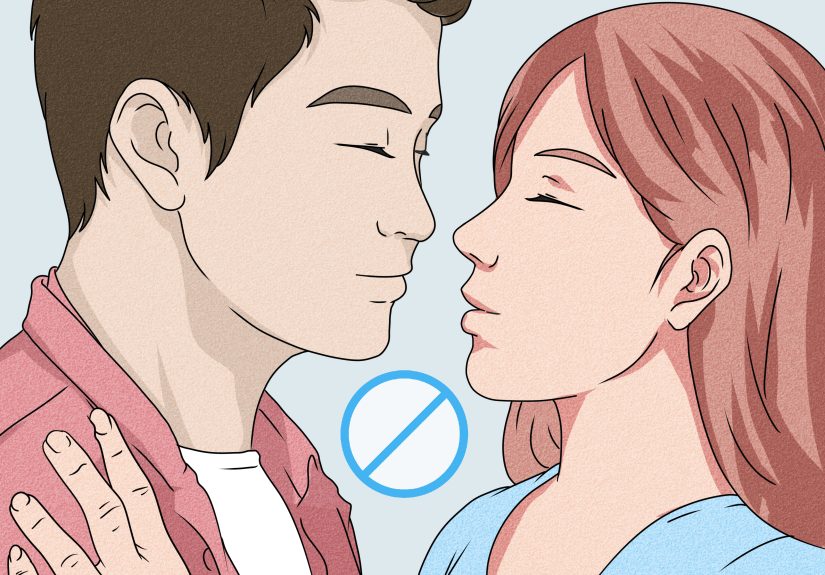
Do not share lip balm, cups, straws, utensils, razors, towels, or toothbrushes while you have an active cold sore. Avoid kissing and oral contact until the area is fully healed and the skin looks normal again. That may feel inconvenient, but it is much less awkward than accidentally sharing a cold sore like an unwanted party favor.
Step 8: Use Sunscreen Lip Balm After Healing
Sun exposure can trigger cold sore outbreaks for some people. Once the sore is healed, use a broad-spectrum lip balm with SPF 30 or higher when you go outside. Sun protection is especially helpful if your outbreaks often appear after beach days, skiing, hiking, yard work, or long sunny drives.
During the active crust stage, be careful with sunscreen products that sting or irritate broken skin. After healing, make SPF lip balm a daily habit. It is a small step that can help prevent future outbreaks while also protecting your lips from dryness and sun damage.
Step 9: Watch for Signs of Infection or Complications
A normal cold sore crust may be tender, dry, or mildly itchy. However, call a healthcare provider if you notice increasing redness, warmth, swelling, pus, worsening pain, fever, red streaks, or a sore that keeps spreading. Also seek medical advice if the cold sore is near your eye, if you have eczema, if you are immunocompromised, or if outbreaks happen six or more times per year.
Eye involvement is especially important because herpes infections near the eye can become serious. Do not touch a cold sore and then touch your eyes. Wash your hands often, and avoid contact lenses during an active outbreak if you have touched the sore or are unsure whether your hands are clean.
Step 10: Prevent the Next Cold Sore Before It Starts
The best time to manage a cold sore is before the crust arrives. Common triggers include stress, illness, fever, sun exposure, chapped lips, hormonal changes, dental work, lack of sleep, and a weakened immune system. Keeping lips moisturized, getting enough rest, using SPF lip balm, and treating early symptoms quickly may reduce the length or severity of future outbreaks.
If you can identify your personal triggers, you can build a prevention plan. For example, if you always get cold sores after too much sun, SPF lip balm is not optionalit is your lip’s tiny security guard. If outbreaks follow stressful weeks, sleep and stress management may help. If dental visits trigger outbreaks, tell your dentist or doctor ahead of time so they can discuss preventive options.
Should You Cover a Cold Sore Crust?
Some people use hydrocolloid cold sore patches to protect the area and reduce the urge to touch or pick. A patch may also make the crust less noticeable. However, patches should be used according to package directions and should not be placed over infected-looking skin. If the patch traps too much moisture, causes irritation, or pulls at the crust when removed, it may not be the right choice for you.
If you do use a patch, wash your hands before and after applying it. Remove it gently. Never rip it off like you are opening a stubborn snack wrapper. Cold sore skin is delicate, and drama belongs on television, not your lip.
Can Makeup Hide a Cold Sore Crust?
Makeup can sometimes make a cold sore crust look worse because powders and concealers cling to dry edges. If you choose to cover it, wait until the sore is no longer open or oozing, use disposable applicators, and avoid dipping used applicators back into the product. Throw away anything that directly touched the sore.
Do not use shared testers at stores, and do not share your own lip products during or soon after an outbreak. A tinted healing patch may be a cleaner option than heavy makeup. Remember, your goal is not to win a beauty contest against a scab. Your goal is to heal without causing a sequel.
Cold Sore Crust Mistakes That Slow Healing
Several habits can keep a cold sore crust around longer than necessary. Picking is the biggest one. Other common mistakes include licking the lips repeatedly, using harsh drying agents, applying too much product, touching the sore without washing hands, eating irritating foods, skipping early antiviral treatment, and assuming the sore is no longer contagious just because it has scabbed.
Another mistake is ignoring frequent outbreaks. If cold sores show up often, a healthcare provider may recommend prescription antiviral therapy. Some people benefit from taking medication at the first warning sign, while others with frequent outbreaks may need a daily preventive plan. You do not have to simply “live with it” if cold sores keep interrupting your life like tiny uninvited calendar events.
When Is a Cold Sore No Longer Contagious?
A cold sore can be contagious from the first tingling symptoms until the skin has fully healed. The crusting stage is not an all-clear signal. The safest approach is to avoid kissing, sharing lip products, and oral contact until the scab has fallen off naturally and the skin looks normal. This is especially important around babies, people with eczema, and people with weakened immune systems.
Even when no sore is visible, HSV can sometimes spread, though the risk is usually higher during active symptoms. If you get cold sores, honest communication and basic hygiene go a long way. No need for panic. Just do not share a straw during an outbreak and pretend the scab is “just dry skin with ambition.”
Practical Example: A Simple Cold Sore Crust Routine
Here is a realistic daily routine for the crusting stage. In the morning, wash your hands and gently clean the area with water. Pat dry with a clean tissue or towel. Apply a thin layer of petroleum jelly or recommended cold sore treatment with a cotton swab. During the day, avoid touching the sore, drink water, and choose foods that do not sting. If the area feels tight, dab on a tiny amount of moisturizer again. At night, clean the area gently, apply a protective layer, and sleep on a clean pillowcase.
This routine is not flashy, but healing rarely needs fireworks. It needs consistency. Think of it like caring for a very small, very annoying houseplant on your lip: do not overwater it, do not attack it, and definitely do not poke it every 12 minutes to see if it has changed.
Extra Experience Section: Real-Life Lessons for Healing Cold Sore Crust
Anyone who has dealt with cold sore crust more than once knows that the physical part is only half the story. The other half is the mental negotiation. You look in the mirror and think, “Is everyone staring at this?” In reality, most people are thinking about their own coffee, inbox, lunch plans, homework, boss, dog, or whether they left the laundry in the washer again. The cold sore feels huge to you because it is on your face and you know it is there. To everyone else, it is usually a quick glance and then life moves on.
One useful experience-based trick is to stop checking the mirror every hour. Constant inspection makes the crust feel more dramatic and increases the temptation to touch it. Instead, check it only when you need to clean or treat it. If you are going to school, work, or an event, apply your protective balm or patch, wash your hands, and then leave it alone. The less you interact with it, the better it usually behaves.
Another real-world lesson: carry your own lip balm, but do not use the same tube forever. During an outbreak, use a separate balm or apply petroleum jelly with clean cotton swabs. Once the cold sore is healed, toss anything that touched it. This may feel wasteful, but replacing one lip balm is cheaper and less annoying than inviting another outbreak to the party.
People also learn quickly that eating choices matter. A crust near the corner of the mouth can crack when you bite into a giant sandwich, burger, or apple. During the fragile stage, cut food into smaller pieces. Use a straw only if it does not rub the sore, and do not share that straw. Avoid spicy noodles, citrus drinks, and salty chips if they sting. This is not forever. It is just a few days of treating your lip like it has filed a formal complaint.
Sleep is another underrated helper. Cold sores often appear when the body is run down. Staying up late, skipping meals, getting sick, and stressing nonstop can make healing feel slower. You cannot nap a cold sore off your face like magic, but giving your immune system basic support is never a bad idea. Drink water, eat normally, rest, and avoid turning the outbreak into a personal failure. Cold sores are common. They are not a character flaw.
Social situations can feel awkward, especially if the crust is visible. A simple approach works best. If someone close tries to share a drink or kiss you, say, “I have a cold sore healing, so I’m being careful.” That is enough. You do not owe a dramatic medical presentation. Responsible boundaries are not embarrassing; they are considerate.
Finally, learn your early warning signs. Many people feel tingling, itching, burning, or tightness before the blister appears. That is the moment to act. Start approved treatment as directed, avoid touching the area, protect your lips, and reduce obvious triggers when possible. Once the crust forms, your job shifts from “stop the outbreak early” to “protect the healing skin.” Both stages matter.
The biggest lesson is patience. A cold sore crust often looks worse right before it looks better. Let it heal naturally, keep it clean and lightly protected, and resist the urge to speed things up with harsh tricks. Your lip knows how to repair itself. Your job is to stop interrupting the construction crew.
Conclusion
Healing a cold sore crust is mostly about gentle protection, smart timing, and not sabotaging your skin’s natural repair process. Do not pick the scab. Keep it lightly moisturized. Use antiviral treatment early when possible. Avoid harsh remedies. Wash your hands. Protect others by avoiding direct contact until the skin looks normal again. And if the sore is severe, near the eye, unusually painful, long-lasting, or frequent, get medical advice.
A cold sore crust may be annoying, but it is usually temporary. With the right care, you can help the area heal more comfortably and reduce the chance of making it worse. Treat the scab like a “do not disturb” sign from your skin, and you will usually get through the crusting stage with less drama and fewer mirror-based emotional support meetings.
Note: This article is for general educational purposes only and does not replace medical advice. For severe symptoms, frequent outbreaks, eye-area sores, or concerns about infection, contact a qualified healthcare professional.