Table of Contents >> Show >> Hide
- The Proposal That Had Fans Talking
- Why Halle Berry Did Not Immediately Say Yes
- A Relationship That Started Slowly During the Pandemic
- Who Is Van Hunt?
- The Public Confusion: Did She Say No Or Not?
- Why This Story Resonates With So Many People
- Halle Berry’s Love Life Has Always Been Publicly Judged
- What Van Hunt’s Proposal Says About Their Bond
- Experience Section: Lessons From A Proposal That Waited For The Right Answer
- Conclusion
Halle Berry and Van Hunt have never been the kind of celebrity couple that fits neatly into a tabloid box. They did not launch their relationship with a perfectly choreographed red-carpet reveal. They did not rush into a public engagement announcement with a slow-motion ring shot and a caption full of sparkle emojis. Instead, their romance has unfolded in a very Halle Berry way: honest, grown, a little playful, and completely uninterested in following Hollywood’s usual relationship script.
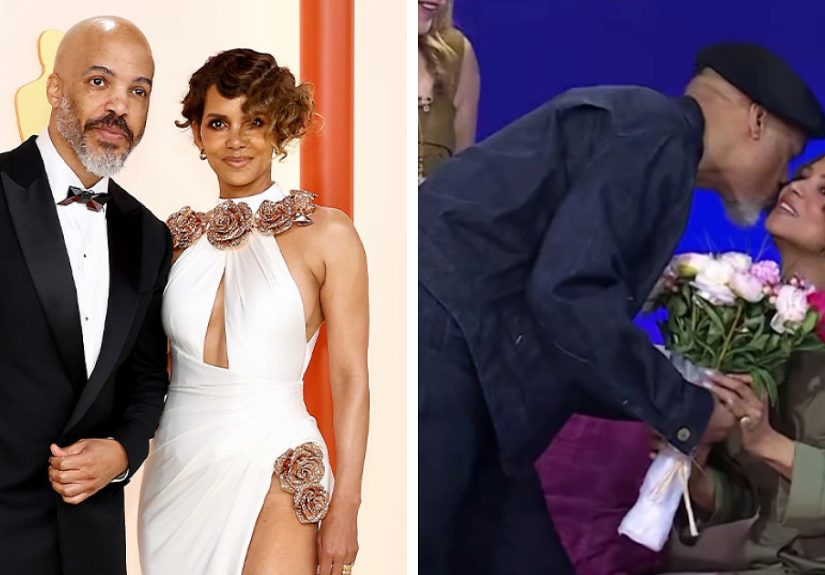
That is why fans were so fascinated when news surfaced that Van Hunt had proposed after about five years of dating, but Berry had not immediately accepted. On paper, it sounded like classic celebrity drama: Grammy-winning musician proposes to Oscar-winning actress, Oscar-winning actress leaves proposal floating in midair. But the real story is more thoughtful than dramatic. Berry was not rejecting Hunt as a partner. She was questioning whether marriage, after everything she had already lived through, needed to be the final stamp of love.
The headline practically writes itself, but the truth needs more room. Berry has been married three times before, and Hunt has also experienced marriage. Their hesitation was not about uncertainty in their relationship. It was about whether love at this stage of life should be measured by rings, ceremonies, legal paperwork, or something deeper. Later, Berry clarified that she did say yes to marrying Hunt, but the couple had not set a wedding date. In other words, the proposal was not a rejection story. It was a grown-up love story with a pause button.
The Proposal That Had Fans Talking
When Van Hunt revealed that he had proposed to Halle Berry, the internet reacted exactly as expected: quickly, loudly, and with the confidence of people who had not been invited into the relationship. Hunt joked that the proposal was still waiting for an answer, and Berry explained that she did not feel marriage was necessary to prove their bond. For many readers, that sounded surprising. After all, celebrity culture tends to treat engagement as the grand prize at the end of a relationship timeline.
But Berry’s response made sense when viewed through the larger story of her life. She was not a starry-eyed twenty-something being swept into her first major romance. She was a woman with decades of experience, two children, a remarkable career, and a hard-earned sense of self. She understood that marriage can be beautiful, but she also understood that marriage does not automatically make a relationship healthy, safe, or lasting.
That is what made the moment so interesting. Hunt’s proposal was romantic, but Berry’s hesitation was also romantic in its own way. It suggested that she took the relationship seriously enough not to turn marriage into a casual public gesture. Saying yes after five years of dating may sound easy to outsiders. For someone who has already lived through three marriages, it can carry emotional weight.
Why Halle Berry Did Not Immediately Say Yes
Berry has been open about the fact that her past shaped her response. She was previously married to baseball player David Justice, singer Eric Benét, and actor Olivier Martinez. Those relationships were highly public, sometimes painful, and often dissected by the media. By the time she met Van Hunt, Berry had already learned a lesson many people only understand after heartbreak: love is not less real because it does not come with a wedding hashtag.
Her hesitation seemed to come from a place of emotional intelligence rather than fear. She and Hunt had already built a meaningful partnership. They supported each other publicly, blended parts of their family lives carefully, and spoke about each other with warmth. Berry even described their bond as different from anything she had experienced before. Still, she did not appear to believe that a marriage certificate would magically improve what was already working.
That viewpoint is especially relatable for people who find love later in life. When someone has already built a home, raised children, survived divorce, rebuilt confidence, and rediscovered independence, marriage becomes a choice rather than a milestone. It is not the finish line. It is one possible expression of commitment.
A Relationship That Started Slowly During the Pandemic
One of the most charming details about Berry and Hunt’s relationship is how it began. The two connected during the early months of the COVID-19 pandemic, when dating was not exactly glamorous. There were no candlelit dinners in crowded restaurants or dramatic airport meetups. Instead, they spent months getting to know each other over the phone before meeting in person.
That slow beginning may be one reason Berry has described the relationship as so meaningful. Before physical chemistry took over, conversation had to do the heavy lifting. They learned each other’s thoughts, humor, rhythms, and emotional language. In a celebrity world where relationships can move from private dinner to red carpet to breakup statement at dizzying speed, their slow-burn connection felt refreshingly human.
The couple went public in 2020 when Berry confirmed the romance through social media, wearing a Van Hunt shirt in a playful post. From there, fans watched them attend events together, exchange affectionate tributes, and appear increasingly comfortable sharing pieces of their love story. Their chemistry did not feel manufactured. It felt like two people who had found peace and were slightly amused that everyone else was so invested.
Who Is Van Hunt?
Van Hunt is not just “Halle Berry’s boyfriend,” even if that phrase performs well in search engines. He is a Grammy-winning singer, songwriter, producer, and multi-instrumentalist with a career rooted in soul, funk, rock, and R&B. His music has often blended classic influences with an experimental edge, and his creative identity fits Berry’s own independent spirit.
Hunt’s calm confidence seems to be part of the relationship’s appeal. He has not tried to compete with Berry’s fame or turn their romance into a branding exercise. Instead, he has often appeared as a steady, creative presence in her life. Berry, in turn, has praised the way he supports her rather than limiting her. That matters. For a woman who has spent decades being judged by Hollywood, the media, and audiences, being loved without being reduced can feel revolutionary.
Their relationship also appears to be built on humor. Whether joking about proposals, sharing playful photos, or handling public curiosity with a wink, Berry and Hunt do not seem interested in presenting a perfect porcelain version of love. Their romance has personality. It breathes. It laughs at itself.
The Public Confusion: Did She Say No Or Not?
The biggest confusion came from the difference between not immediately accepting and rejecting. Those are not the same thing. When Hunt said the proposal was still waiting for an answer, many outlets framed it as Berry not accepting. Technically, at that moment, that was accurate. But emotionally, it was incomplete.
Berry later clarified that she did not say no. She said yes to the idea of marrying Hunt, though the couple had not set a date. That update changes the tone of the entire story. It means her initial hesitation was not a refusal of Hunt. It was a pause to consider what marriage meant for them. The ring was not thrown into the ocean. The wedding planner simply was not speed-dialed.
This distinction matters because celebrity headlines often flatten complicated emotions into click-friendly drama. A woman taking time to think can become “she rejected him.” A couple discussing marriage privately can become “relationship trouble.” In Berry and Hunt’s case, the more accurate reading is that they were navigating commitment in a way that matched their lives, not the public’s expectations.
Why This Story Resonates With So Many People
Berry’s response struck a chord because many people understand the tension between love and marriage. Some believe marriage is the strongest public declaration of commitment. Others see it as meaningful but not mandatory. And many people who have been divorced approach it with both hope and caution.
That is why Berry’s story feels bigger than celebrity gossip. It raises a question that applies far beyond Hollywood: if two people are happy, loyal, and emotionally committed, do they need to marry to prove the relationship is real?
There is no one-size-fits-all answer. For some couples, marriage provides security, family recognition, spiritual meaning, and legal protection. For others, it can feel unnecessary or even pressured. Berry acknowledged that practical matters, such as medical decision-making and legal rights, can be valid reasons to marry. That is a very adult point. Romance is wonderful, but hospital visitation rights and estate planning do not care how cute your couple selfies are.
Halle Berry’s Love Life Has Always Been Publicly Judged
Part of the public fascination comes from Berry’s long history as one of Hollywood’s most visible actresses. She made history with her Academy Award win for Monster’s Ball, became a red-carpet icon, starred in major films, and remained a constant subject of media attention. With that level of fame, her personal life has often been treated like public property.
That history may explain why fans are invested, but it also explains why Berry might be protective. When every relationship becomes a headline, privacy becomes a form of self-care. Her decision not to rush into a public wedding timeline may be less about doubt and more about control. She gets to decide what love looks like now. Not the tabloids. Not social media. Not strangers with ring-light opinions.
It is also worth noting that Berry has spent recent years speaking more openly about aging, wellness, menopause, sexuality, and women’s health. She has pushed back against outdated ideas about what women in their fifties and sixties are “supposed” to be. Her relationship with Hunt fits into that larger message. She is not performing youth. She is living fully, honestly, and on her own terms.
What Van Hunt’s Proposal Says About Their Bond
Van Hunt proposing after five years suggests that he sees Berry not as a glamorous chapter, but as a long-term partner. The timing also matters. This was not a whirlwind engagement after five weeks of romantic fireworks. It came after years of shared life, public appearances, private growth, and emotional familiarity.
In that sense, the proposal seems less like a question of “Do you love me?” and more like “Do we want to give this love another form?” Berry’s answer, first cautious and later affirmative, reflects the complexity of that question. Love can be certain even when marriage timing is not.
Their story also shows that mature relationships often move differently. There may be children to consider, past wounds to respect, careers to balance, and legal realities to discuss. A proposal at this stage is not just about romance. It is about life architecture. Who has access in an emergency? How are families blended? What does commitment look like when both people already know who they are?
Experience Section: Lessons From A Proposal That Waited For The Right Answer
One of the most relatable experiences connected to Halle Berry and Van Hunt’s proposal story is the feeling of needing time, even when love is present. Many people assume hesitation means uncertainty, but that is not always true. Sometimes hesitation means the decision matters deeply. Saying yes to marriage is not like choosing dessert. Although, to be fair, dessert usually causes fewer legal complications.
For people who have been married before, a new proposal can stir up many emotions at once. There may be excitement, tenderness, fear, memory, hope, and caution all sitting at the same table. The person may love their partner completely and still need time to ask: What does marriage mean to me now? Am I choosing this freely, or am I responding to pressure? Do I want the wedding, the legal structure, the public title, or simply the person?
Berry’s story is a useful reminder that healthy love should have room for honest timing. A partner who truly wants a life with you should be able to hear more than one kind of answer. “Not yet” is not the same as “never.” “Let’s talk about what this means” is not the same as “I do not love you.” In fact, those conversations can make a relationship stronger because they replace assumptions with clarity.
There is also an important lesson about public expectations. Couples often feel pressure to follow a timeline: dating, moving in, engagement, wedding, anniversary photos, matching holiday pajamas, and possibly a golden retriever named something like Biscuit. But real relationships rarely unfold that neatly. Some couples marry quickly and thrive. Some stay unmarried for decades and remain deeply committed. Some need time because they are healing from old experiences. The healthiest timeline is the one both people choose with honesty.
Another experience many readers may recognize is the difference between wanting love and wanting marriage. Those desires can overlap, but they are not identical. Marriage can offer legal protections, family structure, cultural meaning, and emotional celebration. It can also bring fear for someone who has experienced divorce or disappointment. A mature couple can acknowledge both sides without turning the conversation into a courtroom drama.
Berry and Hunt’s story also highlights the value of emotional friendship. Their relationship reportedly began with long conversations before they met in person, which gave them a foundation beyond attraction. That matters because lasting commitment depends on more than chemistry. It depends on whether two people can talk, repair, laugh, support each other, and remain kind when life gets complicated.
For anyone facing a similar moment, the takeaway is simple: do not confuse a delayed answer with a failed relationship. Sometimes love needs a minute to breathe. Sometimes the most romantic thing a person can say is, “I want to be sure we are doing this for the right reasons.” That may not sound like a fairy tale, but it sounds a lot like real life. And real life, when handled with care, can be far more beautiful than a rushed happy ending.
Conclusion
Halle Berry and Van Hunt’s proposal story is not really about rejection. It is about timing, healing, maturity, and redefining commitment after life has already taught both people a few serious lessons. After five years of dating, Hunt proposed, Berry paused, and the internet filled in the blanks with drama. But the fuller picture is warmer and wiser: Berry did not need marriage to validate the love she had found, yet she later made clear that she was open to marrying Hunt and had said yes.
That is what makes the story compelling. It is not a teenage fantasy dressed up in diamonds. It is a grown relationship between two people who know love can be powerful without being rushed. Berry’s journey reminds readers that commitment does not have to follow a public schedule, and Hunt’s patience shows that romance can survive a thoughtful pause. In Hollywood, that might be rarer than a quiet awards season.