Table of Contents >> Show >> Hide
- The Daily Shower Myth: Cleanliness or Cultural Programming?
- How Clever Brainwashing Works Without Looking Like Brainwashing
- 41 Things People Are Convinced They Need
- Why “Need” Is Such a Profitable Word
- The Hygiene Industry and the Fear of Being “Unacceptable”
- How to Tell a Real Need From a Manufactured Need
- What Smart Consumption Looks Like
- Personal Experience: Learning to Unsubscribe From Manufactured Needs
- Conclusion: Buy Less Automatically, Choose More Intentionally
Somewhere between your first cartoon cereal commercial and your latest “limited-time only” skincare ad, modern life quietly handed you a shopping list and whispered, “Trust me, you need all of this.” A daily shower. A ten-step routine. A new phone case. A separate cleaner for every square inch of your home. A subscription for something you forgot existed but your credit card remembers like an elephant with Wi-Fi.
The phrase “clever brainwashing” sounds dramatic, like a villain in a lab coat yelling, “Release the moisturizing body wash campaign!” But the truth is less theatrical and more ordinary: advertising, social proof, influencer culture, fear-based marketing, and habit-building design have trained people to confuse “nice to have” with “necessary.” That does not mean every product is useless. Soap is good. Clean sheets are good. Dental care is good. Pants, generally, remain a public service. The problem starts when normal comfort turns into constant pressure.
This article looks at 41 things people are often convinced they need, why those beliefs stick, and how to build a smarter relationship with buying, grooming, upgrading, and “treating yourself” without becoming a joyless cave monk who makes toothpaste from tree bark.
The Daily Shower Myth: Cleanliness or Cultural Programming?
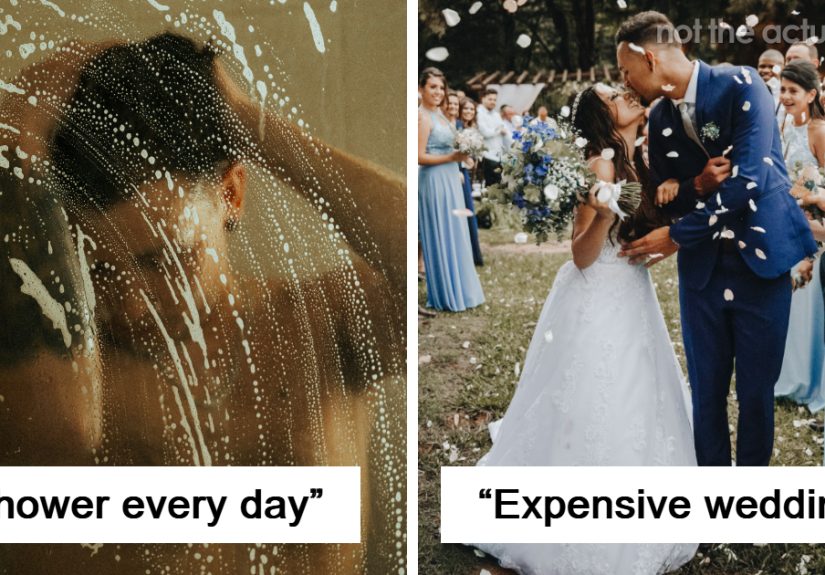
Let’s begin with the headline item: showering every day. In the United States, daily showering often feels like basic adulthood, right next to paying bills and pretending to understand printer settings. But dermatologists generally describe shower frequency as personal and situational. Your activity level, climate, job, skin type, sweat, medical needs, and personal comfort all matter.
For many people, a quick daily shower is perfectly fine, especially after exercise, hot weather, physical labor, or exposure to dirt. But long, hot showers with harsh cleansers can dry or irritate skin. In other words, the issue is not “showering is bad” or “not showering daily is gross.” The better question is: What does your body actually need today?
That question is dangerous to marketing because it makes people pause. Advertising prefers a simpler script: you are not fresh enough, smooth enough, glowing enough, scented enough, young enough, organized enough, productive enough, or upgraded enough. Conveniently, the cure is always waiting in aisle seven.
How Clever Brainwashing Works Without Looking Like Brainwashing
Modern consumer persuasion is rarely a giant billboard shouting, “Buy this or be socially rejected!” It is usually softer. It shows a spotless bathroom, a calm person with perfect skin, a fridge arranged like a museum exhibit, or a creator saying, “I’m obsessed.” The message is not only “this product works.” It is “people like you use this.”
That is why social proof is so powerful. When thousands of people review, unbox, recommend, or casually display a product, it starts to feel less like marketing and more like common sense. Add scarcity language, subscriptions, before-and-after images, “clean girl” routines, “must-have” lists, and algorithmic repetition, and the brain begins filing certain purchases under survival equipment.
The result? Many people are not buying products. They are buying relief from tiny manufactured anxieties.
41 Things People Are Convinced They Need
Here are 41 everyday items, habits, and upgrades people often believe are essential because marketing, culture, or social pressure has done a spectacular tap dance on their decision-making skills.
- A shower every single day: Often helpful, not universally required. Skin type, sweat, climate, and lifestyle matter more than a rigid rule.
- Separate body washes for every mood: Lavender for calm, citrus for energy, ocean breeze for pretending you own a yacht. One gentle cleanser usually does the job.
- Daily shampooing: Many hair types do better with less frequent shampooing, though oily scalps or heavy sweating may need more.
- A ten-step skincare routine: Some people benefit from targeted products, but many only need cleanser, moisturizer, and sunscreen.
- Expensive “clean” beauty products: “Clean” sounds comforting, but it is also a marketing term that can mean different things depending on the brand.
- Anti-aging everything: Aging is not a product defect. Sunscreen, sleep, hydration, and reasonable care often beat panic shopping.
- Designer water bottles: Staying hydrated matters. Turning hydration into a status parade is optional.
- Bottled water at home: In many areas, filtered tap water is cheaper and less wasteful.
- Single-use cleaning wipes: Convenient, yes. Essential for daily life? Usually no.
- A separate cleaner for every surface: Marketing loves specialization. Many homes can function with fewer, safer, multipurpose products.
- Laundry scent boosters: Clean clothes do not need to smell like a tropical thunderstorm wrote poetry.
- Fabric softener: It can reduce static and add fragrance, but it is not required and may not suit all fabrics.
- Whitening toothpaste for everyone: Useful for some stain concerns, but basic fluoride toothpaste is the real daily hero.
- Mouthwash as a personality trait: Helpful in some routines, but not a replacement for brushing and flossing.
- Disposable razors in bulk: Many people can reduce waste and cost with reusable options.
- New clothes every season: Fashion cycles move faster than most wardrobes actually wear out.
- Fast fashion hauls: Cheap in the cart, expensive for clutter, quality, and the planet.
- A new phone every year: Unless your current phone is failing, upgrades are often more about desire than need.
- The latest earbuds: If the old ones still work, your ears are probably not filing a complaint.
- Premium cable bundles: Many people pay for channels they never watch, like a buffet plate filled with decorative parsley.
- Too many streaming subscriptions: One show here, one free trial there, and suddenly entertainment becomes a monthly rent payment.
- Meal kits for every dinner: Convenient, but not always cheaper or necessary if basic meal planning works.
- Protein products for everyone: Protein matters, but not every snack needs to cosplay as gym equipment.
- Detox teas and cleanses: Your liver and kidneys are already running the body’s cleanup department.
- Vitamin stacks without a reason: Supplements may help specific deficiencies, but random bottles are not automatically wellness.
- Gym memberships people do not use: A membership is not fitness. Movement is fitness.
- Productivity apps for simple tasks: Sometimes a notebook works better than a digital dashboard with twelve tabs and emotional baggage.
- Premium planners: A beautiful planner can help, but it cannot schedule discipline on your behalf.
- Luxury candles: Nice? Absolutely. Necessary? Only if your living room has unionized and demanded ambiance.
- Home fragrance plug-ins everywhere: Fresh air and cleaning the source of odors often beat masking them.
- Decor trends from social media: Your home does not need to look like an algorithm-approved hotel lobby.
- Holiday décor for every micro-season: “Pre-fall pumpkin neutral beige sparkle drop” is not a real emergency.
- Subscription boxes: Fun at first, but many become monthly clutter delivery systems.
- Extended warranties on everything: Sometimes valuable, often unnecessary depending on the item, coverage, and cost.
- Premium gas for cars that do not require it: If your owner’s manual does not call for it, premium may not provide meaningful benefit.
- Brand-name basics: Generic products can be just as useful in many categories.
- Specialty kitchen gadgets: A banana slicer may save seconds, but at what philosophical cost?
- Huge knife sets: Most home cooks rely on a few good knives, not a wooden block shaped like ambition.
- Designer pet accessories: Pets want comfort, food, play, and love. They do not care if their leash has runway energy.
- Baby products for every possible scenario: Some items are genuinely helpful; others are fear wrapped in pastel packaging.
- Luxury status goods: Sometimes you are buying quality. Sometimes you are buying a logo that says, “Please notice my receipt.”
Why “Need” Is Such a Profitable Word
Companies do not have to convince you that every product is life-or-death. They only have to make you slightly uncomfortable without it. That is why “need” is such a powerful word in advertising. It turns a preference into a responsibility. You do not want a serum; you need to protect your glow. You do not want new shoes; you need to refresh your look. You do not want a subscription; you need convenience.
This is also where influencers changed the game. Traditional ads usually announce themselves. Influencer marketing often arrives wearing pajamas, holding coffee, and saying, “A lot of you asked about this.” The tone feels personal, even when the business model is commercial. A recommendation from a trusted creator can feel like advice from a friend, except the friend has affiliate links and studio lighting.
Digital design adds another layer. Free trials, countdown timers, hidden fees, hard-to-cancel subscriptions, preselected add-ons, and confusing checkout flows are not accidents when they consistently benefit the seller. These tactics do not merely advertise a product; they shape the path of least resistance.
The Hygiene Industry and the Fear of Being “Unacceptable”
Hygiene marketing is especially powerful because it taps into social fear. Nobody wants to smell bad, look unkempt, or be judged as careless. Brands know this. For more than a century, personal care advertising has sold not only cleanliness but social approval.
There is nothing wrong with wanting to feel fresh. The problem appears when people feel dirty, flawed, or irresponsible without a product they may not actually need. Daily deodorant may be useful. Ten deodorants for different emotional weather systems? Maybe not. A good cleanser may help your skin. A shelf of harsh exfoliants because a stranger online has “glass skin”? Slow down, Captain Abrasion.
Healthy hygiene is practical. Fear-based hygiene is expensive.
How to Tell a Real Need From a Manufactured Need
Ask what problem the product solves
If you cannot clearly name the problem, you may be buying a mood. That is not always bad, but it should be honest. “This candle makes me happy” is clearer than “I need this candle to complete my evening reset ritual.”
Check whether you already own a solution
Before buying another cleaner, app, serum, gadget, or organizer, look at what you already have. Many purchases are duplicates wearing a fake mustache.
Wait before buying
A 24-hour pause can break the spell of urgency. If the product still makes sense tomorrow, it may be worth considering. If you forget it existed, congratulations: you have defeated a tiny capitalism goblin.
Look for the emotional hook
Is the ad making you feel behind, unattractive, messy, unsafe, uncool, or unsuccessful? That feeling may be the actual product being sold.
Calculate the ongoing cost
Subscriptions, refills, cartridges, filters, upgrades, and accessories can turn a small purchase into a long-term financial pet.
What Smart Consumption Looks Like
Smart consumption is not anti-shopping. It is anti-sleepwalking. Buy the moisturizer if your skin loves it. Use the gym membership if you actually go. Enjoy the fancy coffee machine if it saves money and brings joy. The goal is not to reject comfort; it is to reject manipulation.
A healthy buying mindset sounds like this: “I choose this because it serves my life.” Not: “I must have this because the internet made me feel unfinished.”
Minimalism is not the only answer either. Some people love collections, beauty routines, tech, home design, or fashion. That is fine. The difference is whether your stuff supports your identity or constantly invoices it.
Personal Experience: Learning to Unsubscribe From Manufactured Needs
My own relationship with “necessary” things started changing when I realized how many products in my life were not solving problems; they were maintaining habits I never consciously chose. The bathroom was the first crime scene. There were half-used bottles everywhere: shampoo for volume, shampoo for repair, conditioner for shine, conditioner for “deep nourishment,” body wash that smelled like cedar, another that smelled like rain, and one mysterious bottle that promised “energy.” I still do not know how soap was supposed to give me energy. Was I expected to absorb motivation through my elbows?
The daily shower idea was part of that routine. I grew up thinking every day meant full shower, full soap, full shampoo, full reset. Then I noticed my skin sometimes felt tight and dry, especially in cooler months. The solution I had been sold was more lotion, then better lotion, then premium lotion, then lotion with a name that sounded like a Swiss bank. Eventually, the more sensible answer appeared: maybe I did not need to blast my skin with hot water and fragrance-heavy products every single day.
Changing that habit did not mean becoming careless. It meant becoming more observant. After workouts or sweaty days, a shower made sense. On quiet indoor days, a shorter rinse or targeted wash sometimes worked better. Shampoo became based on my scalp, not the calendar. Moisturizer became simpler. My bathroom slowly stopped looking like a small pharmacy that also sold hope.
The same thing happened with subscriptions. One month I reviewed my bank statement and found charges that felt like digital barnacles attached to my wallet. A streaming service I opened twice. An app I downloaded during a burst of productivity optimism. A “free trial” that had quietly matured into a paid adult with rent. Canceling them felt oddly refreshing, like cleaning out a closet without having to touch any sweaters.
Clothing was another lesson. I used to believe certain events required new outfits, as if my existing shirts had signed a contract refusing repeat appearances. Social media made repetition feel embarrassing, even though real people are usually too busy worrying about themselves to maintain a spreadsheet of your wardrobe. Once I started buying fewer, better pieces, getting dressed became easier, not harder.
The biggest shift was emotional. I started asking, “Do I need this, or do I need the feeling this ad is promising?” Sometimes the answer was still yes. A good product can save time, improve comfort, and make daily life nicer. But often the answer was no. I did not need another organizer; I needed less clutter. I did not need another productivity app; I needed to start the task. I did not need a new skincare miracle; I needed sleep, sunscreen, and to stop treating my face like a science fair volcano.
That is the funny thing about manufactured needs: once you notice them, they become less powerful. The spell breaks. You can still enjoy nice things, but you no longer have to obey every “must-have” list that wanders across your screen wearing beige linen and confidence.
Conclusion: Buy Less Automatically, Choose More Intentionally
“Shower every day” is really a symbol of a much larger pattern. People are constantly told what a normal, clean, successful, attractive, productive, and responsible life should require. Some of those things are genuinely useful. Others are clever inventions of industries that profit when insecurity becomes routine.
The solution is not to reject modern life or shame people for enjoying products. The solution is awareness. Notice the pressure. Question the urgency. Read the fine print. Cancel what you do not use. Keep what works. Let your actual life, not a marketing department, decide what belongs in your home.
Because the most underrated luxury in a noisy consumer culture is not owning everything. It is knowing when enough is enough.