


Table of Contents >> Show >> Hide
- What Is Gaucher Disease (And Why Does “Type 2” Matter So Much)?
- Symptoms of Gaucher Disease Type 2
- How Gaucher Disease Type 2 Is Diagnosed
- Treatment: What Helps, What Doesn’t, and What’s Being Studied
- Outlook: What to Expect With Gaucher Disease Type 2
- Genetics, Recurrence Risk, and Family Planning
- Building a Care Team (You Should Not Have to Do This Alone)
- Real-World Experiences: What Families Often Live Through (and What Can Help)
- Conclusion
Gaucher disease type 2 (also called acute neuronopathic Gaucher disease) is one of those diagnoses that arrives like an uninvited guest, kicks over the furniture, and then refuses to leave. It’s rare, it moves fast, and it affects both the body and the brainusually starting in early infancy. If you’re a parent, caregiver, or just a human trying to understand what this means, you deserve information that’s clear, honest, and not wrapped in medical jargon like a burrito you didn’t order.
This guide breaks down what Gaucher disease type 2 is, what symptoms often look like in real life, how doctors diagnose it, what treatments can (and can’t) do today, and what the outlook typically is. We’ll keep it medically accurate, deeply practical, andwhere appropriatelight enough to breathe. (Not “ha-ha” funny. More like “okay, I can read this without my brain melting” funny.)
What Is Gaucher Disease (And Why Does “Type 2” Matter So Much)?
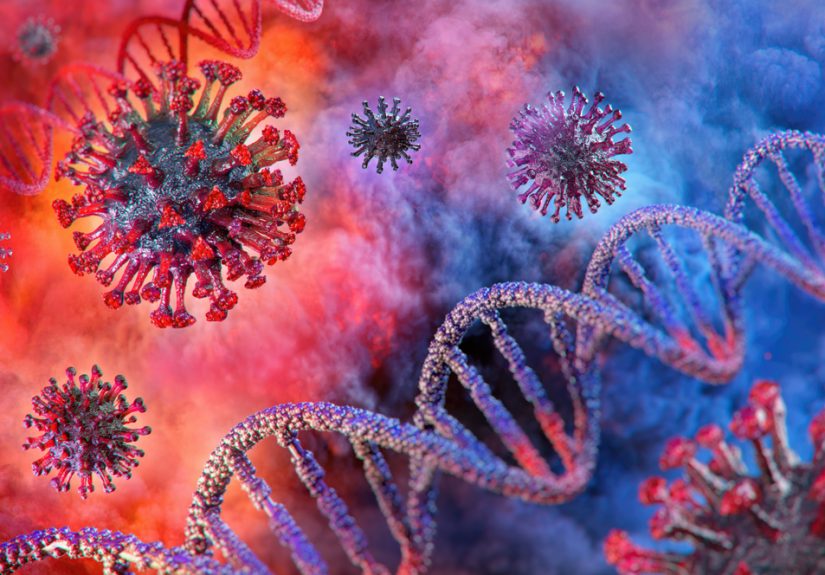
Gaucher disease is a lysosomal storage disorder. Lysosomes are tiny recycling centers inside cells: they break down certain fats and other materials so the body can reuse or dispose of them. In Gaucher disease, the body has too little of an enzyme called glucocerebrosidase (also called beta-glucocerebrosidase), usually because of changes (variants) in the GBA1 gene. Without enough working enzyme, a fatty substance (often described as glucosylceramide) builds up, especially in immune cells called macrophages. Over time, that buildup damages organs and interferes with normal body function.
Gaucher disease is traditionally grouped into three main clinical types. The big divider is whether the brain and central nervous system are directly involved:
- Type 1: “Non-neuronopathic” (no primary brain involvement). Often treatable with enzyme therapy.
- Type 3: “Chronic neuronopathic” (brain involvement, but typically slower progression than type 2).
- Type 2: Acute neuronopathic (severe brain involvement that starts early and progresses rapidly).
Here’s the hard truth: Gaucher disease type 2 is the most severe classic form and is typically fatal in infancy or early childhood. The reason is not just “more Gaucher,” but the specific pattern of neurological damageoften involving the brainstem and vital functions like swallowing and breathing.
The Biology in Plain English
Think of the enzyme as a specialized pair of scissors. In type 2, the scissors are so dull (or missing) that the body can’t keep up with the material it needs to cut. The result is widespread buildup in organs like the liver and spleen and significant damage in the brain. And the brain is not an organ you can “power-wash” back to normal.
Symptoms of Gaucher Disease Type 2
Symptoms usually appear within the first months of life, often around 3–6 months, though some babies show signs earlier. A few have symptoms that begin before birth or right at birth in a very severe “perinatal-lethal” presentation.
Type 2 symptoms typically fall into two buckets: neurologic symptoms (the defining feature) and systemic/organ symptoms. Many infants have both.
Neurologic Symptoms (The “Type 2” Signature)
- Feeding difficulties: weak suck, trouble coordinating swallowing, choking, coughing during feeds, or needing tube feeding. This is often related to brainstem and cranial nerve involvement.
- Abnormal eye movements: a baby may not track normally, may have a “staring” look, or show unusual gaze patterns.
- Seizures: can range from subtle episodes to more obvious convulsions, and may become more frequent over time.
- Stiffness (hypertonia/spasticity): increased muscle tone, rigid posture, arching (sometimes described as opisthotonus), or difficulty relaxing limbs.
- Developmental slowing or regression: limited progress with milestones and, in many cases, loss of previously gained skills.
- Breathing problems: stridor (a harsh sound when breathing), apnea episodes, recurrent respiratory infections, or increased need for oxygen/support.
Systemic and Organ Symptoms
- Enlarged liver and spleen (hepatosplenomegaly), sometimes visible as a distended belly.
- Low blood counts (anemia and thrombocytopenia), which can cause fatigue, pallor, bruising, or bleeding.
- Failure to thrive: poor weight gain and growth due to increased metabolic stress plus feeding difficulty.
- Lung involvement in some cases, adding to breathing issues.
- Bone and joint issues can occur in Gaucher disease overall, but in type 2 the rapid neurologic course often dominates the clinical picture.
Early “Red Flags” Parents and Clinicians Often Notice
Gaucher disease type 2 can mimic other neurologic or metabolic conditions early on. Some common flags that may prompt evaluation include: persistent feeding struggles that don’t match typical reflux patterns, unusual eye movements, progressive stiffness, stridor/apnea, and an enlarged spleen or liver. Individually, each sign can have many causes. Togetherespecially with rapid progressionthey suggest a metabolic/neurologic disorder that needs urgent workup.
How Gaucher Disease Type 2 Is Diagnosed
Diagnosis is usually confirmed through a combination of enzyme testing and genetic testing. Because time matters, many centers move quickly once Gaucher is suspected.
1) Enzyme Testing
Doctors can measure glucocerebrosidase enzyme activity from blood samples (often white blood cells or dried blood spots). Low activity supports a diagnosis of Gaucher disease. This is typically the key biochemical step that moves the case from “maybe” to “very likely.”
2) Genetic Testing (GBA1)
Confirmatory testing identifies changes in the GBA1 gene. Genetic results can help with family planning and sometimes offer clues about expected severitybut genotype does not always perfectly predict phenotype, especially across the neuronopathic spectrum.
3) Biomarkers and Supportive Tests
Clinicians may also check biomarkers used in Gaucher disease (for example, markers of macrophage activation and Gaucher-related lipids) and use imaging or specialist exams to assess organ size, swallowing safety, respiratory status, and neurologic function.
What About Newborn Screening?
Newborn screening for Gaucher disease is not universal in the United States. Some states have added Gaucher disease to their newborn screening panels, and pilot programs exist in certain settings. Screening can identify babies early, but it also raises challenges (like false positives and identifying carriers). If you’re pregnant or have a newborn and you’re wondering what your state offers, your pediatrician or state newborn screening program can tell you what’s currently included.
Treatment: What Helps, What Doesn’t, and What’s Being Studied
Let’s be direct: there is currently no disease-altering therapy proven to stop the neurologic progression of Gaucher disease type 2. Treatment focuses on supportive care, symptom management, andimportantlycomfort and quality of life.
Why Standard Gaucher Treatments Don’t “Fix” Type 2
For Gaucher disease type 1 (and some aspects of type 3), a mainstay treatment is enzyme replacement therapy (ERT), which supplies a working version of the missing enzyme through IV infusions. ERT can improve many visceral symptomslike enlarged liver/spleen and blood countsbecause the enzyme reaches organs in the bloodstream.
The problem in type 2 is the brain. Most ERT products do not cross the blood–brain barrier, the body’s natural security system that blocks many substances in the blood from entering the brain. So ERT may help some non-neurologic features, but it does not stop the rapid neurologic decline that defines type 2.
Supportive Care (Where Most of the Real Work Happens)
Supportive care is not “doing nothing.” It is active, skilled medical care aimed at preventing suffering, reducing complications, and supporting the family. Depending on the child’s needs, care may include:
- Feeding and nutrition support: swallow studies, thickened feeds, and often feeding tubes (NG or G-tubes) to reduce aspiration risk and support growth.
- Respiratory support: monitoring for apnea, managing secretions, oxygen, noninvasive support, and guidance for recurrent infections.
- Seizure management: anti-seizure medications tailored to seizure type and tolerability.
- Spasticity and comfort care: medication for tone, positioning strategies, physical therapy focused on comfort, and pain management when needed.
- Palliative care: a specialized team that supports symptom control, decision-making, and emotional/spiritual supportoften alongside disease-directed care.
Disease-Specific Therapies: ERT, SRT, and Why They’re Limited in Type 2
You may hear about: ERT (enzyme replacement therapy) and SRT (substrate reduction therapy), which aims to reduce production of the accumulating fats. In type 2, these approaches have not shown reliable benefit for the neurologic course because the primary disease activity is in the brain and progresses rapidly. Some clinicians may consider therapies on a case-by-case basis to address visceral symptoms, but expectations must be realistic and carefully discussed.
Other approaches, like stem cell transplant, have been explored more in type 3 than type 2, because the pace of neurologic disease in type 2 often outstrips what current interventions can meaningfully change.
Clinical Trials and Research Directions
Research is active, and the “north star” is clear: therapies that reach the brain early enough to matter. Strategies under study include:
- Gene therapy approaches aimed at producing the missing enzyme in a way that could affect the central nervous system.
- Brain-targeted enzyme delivery methods (including specialized infusion techniques investigated in research settings).
- Earlier interventionincluding studies exploring treatment that begins before birth for severe neuronopathic forms, recognizing that damage may start prenatally.
If your family is considering a clinical trial, a genetics/metabolic specialist can help you weigh potential benefits, burdens, and eligibility criteria. Trials are not guarantees, but they can be a path to access emerging therapies and contribute to progress.
Outlook: What to Expect With Gaucher Disease Type 2
Gaucher disease type 2 is typically rapidly progressive. Many infants develop symptoms within the first months of life, and the course often includes worsening feeding and breathing problems, increasing neurologic impairment, and complications from infections or respiratory failure. Life expectancy is commonly described as death in infancy or early childhood, often before age 2, though exact timelines vary.
A Concrete (Hypothetical) Example Timeline
Every child is unique, but here’s an example of how clinicians sometimes see type 2 unfold:
- 0–3 months: feeding fatigue, subtle swallowing trouble, unusual eye tracking, mild enlargement of spleen/liver.
- 3–6 months: worsening swallow safety, poor weight gain, increasing stiffness, stridor or apnea episodes, first seizures.
- 6–12 months: rapid neurologic progression, higher respiratory support needs, recurrent infections, increased seizure burden, significant developmental impairment.
The most important takeaway isn’t the exact month-by-month detailit’s that the disease typically advances quickly, and families deserve proactive planning, compassionate support, and care aligned with their values.
Genetics, Recurrence Risk, and Family Planning
Gaucher disease is usually inherited in an autosomal recessive pattern. That means a child must inherit two non-working copies of the gene (one from each parent) to be affected. Parents who each carry one altered copy are typically healthy carriers.
For two carrier parents, each pregnancy has: 25% chance of an affected child, 50% chance of a carrier child, and 25% chance of a child who is neither affected nor a carrier. Genetic counseling can help families understand these numbers, discuss carrier testing for relatives, and explore options like prenatal diagnosis or preimplantation genetic testing.
Building a Care Team (You Should Not Have to Do This Alone)
Gaucher disease type 2 care is multidisciplinary. Many families work with: metabolic genetics, neurology, pulmonology, gastroenterology/nutrition, speech/swallow therapy, palliative care, and social work. A coordinated team can reduce hospital whiplash (you know: the “we have seven appointments and none of them talk to each other” problem).
Support organizations and specialty centers can also help families navigate equipment, insurance, home nursing, and emotional support. Even if you feel like you’re “barely keeping it together,” you’re doing something profoundly hardand you deserve support that is both practical and human.
Real-World Experiences: What Families Often Live Through (and What Can Help)
The medical facts matter, but so does the lived experiencethe part that doesn’t fit neatly into a chart note. While every family’s story is different, caregivers of children with Gaucher disease type 2 often describe a similar emotional arc: confusion, urgency, grief, fierce love, and a surprising amount of logistical problem-solving that would qualify them for an honorary degree in “Advanced Medical Systems Navigation.”
1) The “Something Isn’t Right” Phase
Many parents say the first sign wasn’t dramaticit was persistent. Feeding takes too long. The baby tires quickly. There’s choking or coughing that doesn’t match typical reflux. Then maybe the eyes don’t track as expected, or the baby feels unusually stiff when you pick them up. You Google. You un-Google. You schedule an appointment. You get told “let’s watch it.” (Type 2, unfortunately, does not believe in “watching it.”)
2) Diagnosis Day: Relief and Devastation at the Same Time
Getting a diagnosis can bring a strange kind of relieffinally, the mystery has a name. But with type 2, the name carries heavy news. Families often describe diagnosis day as a moment when time feels warped: part of you is listening, part of you is floating above your body, and part of you is mentally calculating how to keep breathing while your world rearranges itself.
A practical tip that many caregivers find helpful: bring a notebook (or use your phone) and write down three categories of questions: today (what happens next week), near-term (what to expect in the next few months), and support (who helps with equipment, feeding plans, home care, and emotional support). When your brain is overloaded, paper becomes an external hard drive.
3) Daily Life Becomes a Care RoutineAnd That’s Not a Moral Failure
Families often fall into a rhythm that sounds like this: meds, feeding, suctioning/airway clearance if needed, therapy focused on comfort, monitoring breathing, managing seizures, coordinating appointments, and trying to sleep in between. Many parents wrestle with guilt“Am I doing enough?”even while doing the work of three professionals.
What can help (in a very unglamorous but real way):
- One shared care plan that all clinicians can see (or at least agree to follow).
- Palliative care early, not as “giving up,” but as a layer of support that improves quality of life.
- Home nursing when availablebecause caregivers are human beings, not rechargeable batteries.
- Respite support, even small blocks of time, to prevent total burnout.
4) Decision-Making: Choosing Comfort Can Be an Act of Strength
Type 2 Gaucher disease forces families into decisions most people never imagine: feeding tubes, respiratory support, hospital vs. home, and how to define quality of life in a situation where cure isn’t currently available. Many caregivers describe these choices as “no good options, only loving options.” Working with a trusted team can help families align care with their valueswhether that means maximizing time at home, minimizing invasive interventions, or reassessing decisions as the child’s needs change.
5) Memory-Making, Siblings, and the Parts That Aren’t Medical
Families often say the most meaningful moments are simple: holding their child during a quiet afternoon, taking photos (even in the hospital), reading the same book 900 times, celebrating tiny joys, involving siblings in age-appropriate ways, and creating rituals that honor the child’s life. Support groups can also help reduce isolationbecause it’s hard to explain this reality to people whose biggest stressor is “my Wi-Fi is slow.”
If you’re living this: you do not need to be perfect. You need support, clarity, and permission to be human while doing something impossibly hard.
Conclusion
Gaucher disease type 2 is a rare, rapidly progressive neurologic form of Gaucher disease that usually begins in early infancy. Symptoms often include feeding and swallowing problems, abnormal eye movements, seizures, increasing stiffness, and breathing difficultiesalongside organ enlargement and blood count issues. While current therapies can address some systemic features of Gaucher disease, they do not reliably alter the neurologic course in type 2, so care centers on symptom management, comfort, and family support. Research is ongoing, especially toward treatments that can reach the brain early.
If you’re a caregiver, you deserve a team that treats both the medical condition and the human experiencewith expertise, compassion, and a plan you can actually live with.