Table of Contents >> Show >> Hide
- Why a Broken Barrel Makes Surprisingly Elegant Garden Art
- Materials You Need for a Broken Barrel Garden Orb
- How to Make an Upscale Garden Junk Orb
- Where to Place a Barrel Ring Orb in the Garden
- How to Make Garden Junk Look Upscale, Not Random
- Safety and Durability Tips for Outdoor Barrel Projects
- Design Variations for More Personality
- Why This Project Feels Sustainable
- Common Mistakes to Avoid
- Experience Notes: What This Broken Barrel Orb Teaches You
- Conclusion
Every garden has a personality. Some are tidy, clipped, and polite enough to send thank-you cards. Others are wild, romantic, and one suspicious squirrel away from becoming a woodland opera. But the most memorable gardens usually have one thing in common: a surprise. In this case, the surprise is an upscale garden junk orb made from a broken barrelyes, the sad old barrel that looked like it had given up on life behind the shed.
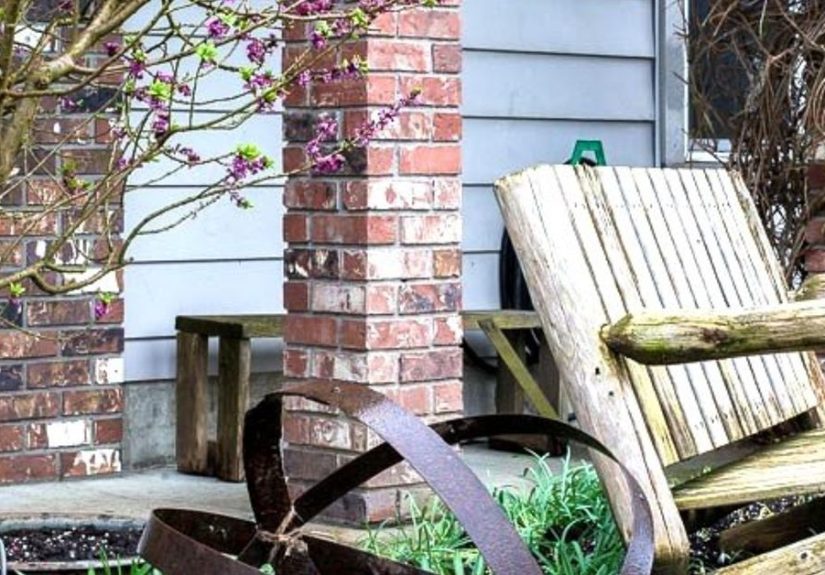
Before you send that broken planter barrel, whiskey barrel, or wine barrel to the curb, look at the rings. Those metal hoops are not trash. They are sculpture in disguise. With a little patience, a few basic fasteners, and a good eye for placement, discarded barrel rings can become a rustic garden orb that looks expensive enough to make your patio whisper, “Well, look at us being fancy.”
This project sits beautifully at the intersection of DIY garden decor, upcycled garden art, rustic landscaping, and sustainable outdoor design. It is budget-friendly, beginner-friendly, and dramatic in a quiet, earthy way. The finished orb can rest in a flower bed, perch in a planter, lean against a fence, frame a climbing vine, or sit proudly in the yard like it owns the mortgage.
Why a Broken Barrel Makes Surprisingly Elegant Garden Art
A broken barrel usually fails in pieces. The wooden staves loosen, the bottom sags, and the metal rings slip out of place. Most people see a mess. Garden upcyclers see supplies. The metal hoops already have the curved shape needed to create a sphere, so the project is less about building from scratch and more about rearranging what is already there.
That is the magic of reclaimed garden decor. The material arrives with history, texture, weathering, and character. A brand-new ornament can look stiff in a garden, like it is waiting for permission to relax. A repurposed barrel-ring orb blends in quickly because rust, patina, scuffs, and imperfect curves echo the natural aging that happens outdoors.
The Beauty of the Orb Shape
Garden orbs work because circles soften a landscape. Gardens are full of vertical stems, flat patios, rectangular raised beds, square pavers, and straight fence lines. A sphere breaks up all that geometry with movement and balance. It draws the eye without shouting. It can look modern in a minimalist garden, rustic in a cottage garden, and artistic in a flea-market-style backyard.
An orb also gives structure during the off-season. When flowers are asleep, ornamental grasses are trimmed, and the garden is doing its annual impression of a brown sweater, a metal sphere still offers shape. It becomes winter interest, a focal point, and sometimes a very dignified perch for snow.
Materials You Need for a Broken Barrel Garden Orb
The main ingredient is simple: three to seven barrel rings. Three rings create a clean, airy orb. Four or five make it fuller. Six or seven create a denser sculpture with more visual weight. If the barrel rings are slightly different sizes, do not panic. Nature is not perfectly symmetrical either, and she seems to be doing fine.
You will also need basic connecting supplies. Common options include galvanized wire, outdoor-rated twine, small bolts with washers and nuts, or screws suitable for metal. Bolts are sturdy and adjustable, while wire gives a softer handmade look. For extra durability, especially in rainy regions, choose hardware that resists rust, such as stainless steel or galvanized metal.
Helpful tools include work gloves, safety glasses, pliers, a clamp, and a drill if you plan to bolt the hoops together. If you are not comfortable using a drill, ask an experienced adult or skilled helper to handle that step. Garden art should create compliments, not emergency-room stories.
How to Make an Upscale Garden Junk Orb
Step 1: Rescue the Barrel Rings
If the barrel is already collapsing, carefully remove the metal hoops. Wear gloves because old metal can have sharp edges, rust flakes, or stubborn nails. If wooden pieces are still attached, separate them gently. Keep the best-looking staves, too; they can become plant markers, edging, or tiny rustic signs later. Nothing says “resourceful gardener” like using every part of the barrel except the ghost.
Step 2: Clean and Inspect the Rings
Brush off dirt, loose rust, and splinters. You do not need to make the hoops shiny. In fact, the aged finish is the whole point. But you should remove anything unstable, sharp, or flaky enough to stain nearby stone or furniture. If a hoop is bent, gently reshape it by hand or with pliers. Small dents add charm; major kinks can make the orb look like it lost a wrestling match.
Step 3: Nest the Hoops Together
Hold two rings at right angles, then add a third ring diagonally. Keep adjusting until the shape looks balanced from several sides. This is the part where you rotate the rings, squint, rotate again, and pretend you are a sculptor in a dramatic studio montage. Take your time. The difference between “garden sculpture” and “metal spaghetti” is usually ten minutes of adjusting.
Step 4: Secure the Top and Bottom
Once the shape looks right, connect the rings at the top and bottom. For a temporary or lightweight version, wrap wire or strong outdoor twine tightly around the crossing points. For a more permanent orb, clamp the rings, drill pilot holes, and fasten them with bolts, washers, and nuts. Leave the hardware slightly loose at first so you can adjust the spacing, then tighten once the orb sits evenly.
Step 5: Add a Protective Finish
If you love the rusty look, you can leave the orb as is. If you want to slow further deterioration, apply a clear outdoor metal sealer. Choose a finish suitable for exterior use and follow the label instructions. A clear coat helps preserve the patina while reducing the speed of rust transfer, especially if the orb will sit on pale pavers, painted decking, or a light-colored planter.
Where to Place a Barrel Ring Orb in the Garden
Placement matters. A garden orb looks best when it feels intentional, not like it rolled there after a dramatic backyard escape. Try placing it where a path turns, beside a container grouping, near ornamental grasses, under a small tree, or at the end of a sightline from a patio door. The goal is to make the eye travel toward it naturally.
For a clean modern look, set one large orb in a bed of gravel, mulch, or low groundcover. For a cottage garden look, tuck it among lavender, salvia, coneflowers, black-eyed Susans, or trailing herbs. For a woodland style, let it sit among ferns, hostas, mossy stones, and leaf litter. The metal will contrast beautifully with soft foliage.
Use It as a Trellis
A barrel-ring garden orb can also support light climbing plants. Place it over a large container and train annual vines around it. Sweet peas, nasturtiums, and small clematis varieties can add color without overwhelming the structure. Avoid heavy vines that may bend the hoops or turn your elegant orb into a botanical hostage situation.
Use It in a Container
For instant patio drama, nest a smaller orb into a large urn or planter. Surround it with trailing plants, seasonal annuals, or ornamental grasses. In fall, tuck in mini pumpkins. In winter, add evergreen cuttings and battery-operated outdoor lights. In spring, let pansies and violas flirt around the base. The orb becomes a year-round framework instead of a one-season decoration.
How to Make Garden Junk Look Upscale, Not Random
The phrase “garden junk” can sound dangerous. Done well, it means creative, collected, and charming. Done poorly, it means the backyard is auditioning for a storage-unit reality show. The secret is editing.
Choose one strong piece, such as the barrel-ring orb, and give it breathing room. Repeat materials elsewhere in small ways: a rusty lantern, a weathered metal plant label, a reclaimed wood bench, or a galvanized watering can. Repetition makes the orb look like part of a design plan rather than the survivor of a garage cleanout.
Scale is also important. A tiny orb can disappear in a big border. A huge orb can overwhelm a narrow walkway. As a general rule, place larger orbs where they have space around them and smaller ones where viewers can enjoy details up close.
Safety and Durability Tips for Outdoor Barrel Projects
Because barrel rings often come from old outdoor containers, inspect them carefully. Avoid using pieces with jagged edges where children, pets, or visitors may brush against them. File sharp points smooth or turn them inward. If the orb will sit in a lawn, make sure it is stable enough not to roll into a mower path. A discreet landscape staple, stone base, or hidden stake can help keep it in place.
If your broken barrel includes wood, remember that all wood eventually breaks down outdoors, especially when it touches soil and moisture. Reclaimed wood can be beautiful, but avoid using unknown treated wood around edible plants unless you are sure it is safe. For decorative projects, keep old wood off vegetable beds and use it where it will not contact food crops.
Design Variations for More Personality
The simplest orb is just metal hoops and weather. But if you want a little more drama, try adding a glass gazing ball inside the sphere, weaving copper wire through the rings, or wrapping outdoor fairy lights around the structure. A small solar light placed inside can make the orb glow after sunset, which is excellent if your garden enjoys being mysterious but not creepy.
You can also create a set of three orbs in different sizes. Odd-number groupings often feel more natural in landscape design. Place them in a staggered arrangement rather than a straight line. A trio near ornamental grasses can look surprisingly high-end, like something from a boutique garden shopexcept your wallet is not hiding under the sofa.
Why This Project Feels Sustainable
Upcycling is satisfying because it extends the life of materials already in circulation. Instead of buying a new decorative sphere made from newly manufactured metal, you reuse an object that already exists. That saves money, reduces waste, and gives your garden a story. A purchased ornament may look nice, but a broken-barrel orb has a plot twist.
There is also emotional sustainability in projects like this. When you make something by hand, you tend to keep it longer. You notice it more. You repair it instead of replacing it. That kind of attachment is not just charming; it helps shift outdoor decorating away from disposable trends and toward personal, lasting design.
Common Mistakes to Avoid
Using Too Many Decorative Pieces
Let the orb be the star. If every corner of the garden has a sign, statue, birdhouse, lantern, and ceramic frog with emotional baggage, the eye gets tired. One strong focal point is better than twenty tiny arguments.
Skipping Stability
A lightweight orb can move in strong wind. Anchor it if needed, especially on slopes or open lawns. The goal is peaceful sculpture, not a rolling metal tumbleweed.
Over-Polishing the Metal
Do not scrub away all the character. The patina is what makes the orb feel upscale in a rustic way. Clean it for safety, not perfection.
Choosing the Wrong Plant Partners
Pair the orb with plants that contrast its shape. Soft grasses, airy flowers, trailing vines, and bold leaves all work well. Avoid placing it where dense shrubs hide it completely unless you enjoy making art for raccoons.
Experience Notes: What This Broken Barrel Orb Teaches You
The best part of making an unexpected upscale garden junk orb is not just the finished piece. It is the way the project changes how you look at broken things. A collapsed barrel no longer seems like a problem. It becomes a parts department. The loose hoops are curves waiting to be arranged. The weathered wood becomes texture. Even the rust starts looking less like decay and more like seasoning.
In a real backyard, this kind of project usually begins without ceremony. You walk past the broken barrel three or four times, mutter that you should do something about it, and then one day the idea clicks. You pull the rings free, stack them together, and suddenly the thing that looked useless has shape. It is a tiny creative victory, and gardeners live for those. We celebrate the first tomato like it won a championship; of course we are going to get excited about a trash orb becoming sculpture.
One practical lesson is that imperfections help. If the hoops are not perfectly round, the orb can still look beautiful. In fact, a slightly irregular shape often feels more handmade and more natural in the landscape. Gardens are forgiving places. A leaning stem, a chipped pot, a mossy stone, and a weathered metal hoop can all look intentional when arranged with care.
Another lesson is that good garden design does not always require a large budget. Expensive outdoor decor can be lovely, but charm often comes from context. A reclaimed metal orb placed among fresh mulch, lavender, and soft grasses can look more sophisticated than a pricey ornament dropped into a cluttered corner. The setting does half the work. Give the piece contrast, space, and a little botanical support, and it will rise to the occasion like it has been reading design magazines.
The project also teaches patience. You may need to rotate the hoops several times before the sphere looks balanced. You may discover that one ring is too warped and needs to be swapped out. You may tighten the top only to realize the bottom looks crooked. That is normal. DIY garden art is less about perfect instructions and more about learning to negotiate with materials that have their own opinions.
Finally, this orb reminds you that gardens are allowed to be playful. Outdoor spaces do not need to be stiff or showroom-perfect. They can be personal, funny, resourceful, elegant, and a little weird in the best possible way. A broken barrel becoming a sculptural garden orb is exactly the kind of small transformation that makes a yard feel alive. It says someone here is paying attention. Someone here sees potential. Someone here looked at junk and thought, “Yes, but make it fancy.”
Conclusion
An unexpected upscale garden junk orb proves that style does not always arrive in a box with a barcode. Sometimes it rolls in from the forgotten corner of the yard, wearing rust and a suspicious amount of potential. By reusing broken barrel rings, you can create a sculptural focal point that adds shape, texture, and personality to the garden without spending much money.
Whether you place it in a flower bed, use it as a light trellis, nest it into a planter, or group it with other rustic accents, a barrel-ring orb brings instant character. It is sustainable, affordable, and wonderfully satisfying. Best of all, it gives you permission to look at old materials with fresh eyes. Because in the garden, even junk can have a glow-up.
Note: This article was written for web publication and intentionally avoids unnecessary citation placeholders, raw source links, and non-HTML elements.