Table of Contents >> Show >> Hide
- Why This Is the Best Escarole Salad with Preserved Lemon Vinaigrette
- What Is Escarole?
- What Makes Preserved Lemon Vinaigrette Special?
- Ingredients You Will Need
- How To Make Escarole Salad with Preserved Lemon Vinaigrette
- Recipe Card: Escarole Salad with Preserved Lemon Vinaigrette
- Flavor Variations
- Expert Tips for the Best Result
- What To Serve with Escarole Salad
- Storage and Make-Ahead Tips
- Common Mistakes To Avoid
- Personal Kitchen Experience: Why This Salad Works in Real Life
- Conclusion
Some salads politely sit beside dinner and try not to make a fuss. This escarole salad with preserved lemon vinaigrette is not one of those salads. It is bright, crunchy, briny, slightly bitter, a little creamy, and just dramatic enough to make the roast chicken wonder why it is no longer the main character.
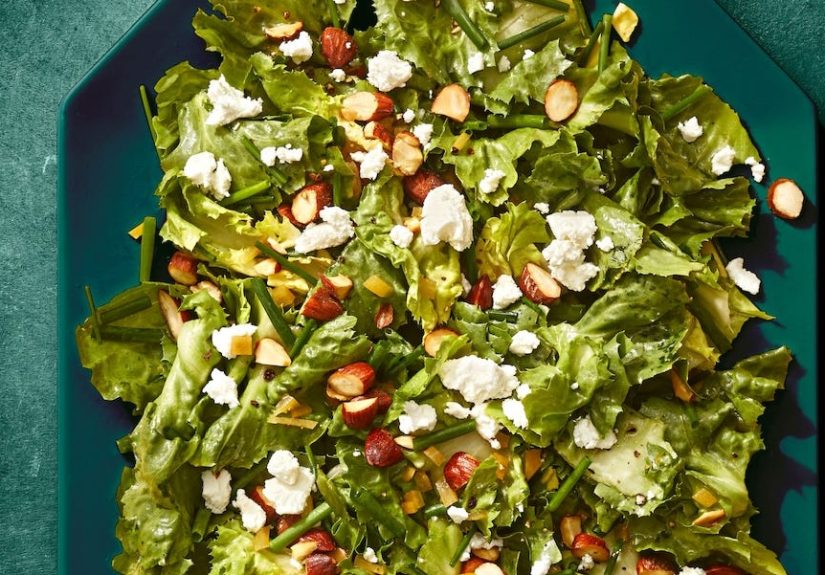
Escarole is one of the most underrated salad greens in the produce aisle. It looks leafy and gentle, but it has backbone. Its pale inner leaves are tender and crisp, while the darker outer leaves bring a pleasant bitterness that stands up beautifully to bold dressings. Add a preserved lemon vinaigrette, toasted almonds, herbs, and creamy cheese, and suddenly you have a salad that tastes restaurant-worthy without requiring restaurant-level chaos in your kitchen.
This recipe is designed for home cooks who want something fresh but not boring. The preserved lemon vinaigrette gives the salad a deep citrus flavor that regular lemon juice alone cannot deliver. Fresh lemon is sharp and sunny; preserved lemon is salty, mellow, floral, and savory. Together, they create a dressing that wakes up every leaf without bullying it. Think of it as lemon vinaigrette after a semester abroad.
Why This Is the Best Escarole Salad with Preserved Lemon Vinaigrette
The secret to a great escarole salad is balance. Escarole has a mild bitterness, so it needs ingredients that soften, brighten, and round out its flavor. In this recipe, preserved lemon brings salty citrus depth, honey adds a quiet sweetness, Dijon mustard helps the vinaigrette emulsify, olive oil gives body, toasted almonds add crunch, and goat cheese or shaved Parmesan brings creamy richness.
The result is a salad that works as a holiday side dish, a dinner-party starter, or a very respectable lunch when you want to feel like someone who owns linen napkins. It pairs especially well with roast chicken, seared fish, grilled shrimp, lamb, creamy pasta, white beans, or a simple soup.
What Is Escarole?
Escarole is a leafy green in the chicory family, related to endive, frisée, and radicchio. It has broad, slightly ruffled leaves and a flavor that ranges from mild and sweet near the heart to more bitter and assertive on the outer leaves. Unlike delicate spring mix, escarole does not collapse the second dressing touches it. It has enough structure to handle a bold vinaigrette, crunchy toppings, and a little tossing.
For raw salads, the inner leaves are especially lovely because they are tender, pale, and crisp. The darker outer leaves can absolutely be used, but if they seem tough, save a few for soup, sautéed greens, or beans. Waste not, want not, and let the soup pot handle the drama.
What Makes Preserved Lemon Vinaigrette Special?
Preserved lemons are lemons cured with salt and lemon juice until the rind softens and the flavor becomes concentrated, savory, and complex. They are common in North African, Middle Eastern, and Mediterranean cooking, and they are magical in salad dressings because they add more than acidity. They add salt, citrus oils, fragrance, and a subtle fermented depth.
For vinaigrette, the preserved lemon rind is usually the star. The pulp can be very salty, so this recipe uses the rind and only a small amount of pulp if desired. A quick rinse helps control saltiness. Finely chopping the rind lets it distribute evenly through the dressing, so every bite gets a tiny pop of citrus.
Ingredients You Will Need
For the Salad
- 1 large head escarole, about 1 to 1 1/2 pounds
- 1/3 cup toasted almonds, roughly chopped
- 1/4 cup fresh chives, thinly sliced
- 1/4 cup fresh parsley or dill, roughly chopped
- 3 to 4 ounces goat cheese, crumbled, or Parmesan shaved thin
- Freshly ground black pepper, to taste
For the Preserved Lemon Vinaigrette
- 1 heaping tablespoon finely chopped preserved lemon rind
- 2 tablespoons fresh lemon juice
- 1 teaspoon Dijon mustard
- 1 teaspoon honey
- 1 small garlic clove, finely grated or minced
- 1/4 cup extra-virgin olive oil
- Kosher salt, only if needed
- Freshly ground black pepper, to taste
How To Make Escarole Salad with Preserved Lemon Vinaigrette
Step 1: Wash the Escarole Thoroughly
Escarole leaves can hide dirt near the base, so do not just give the head a polite sprinkle under the faucet and call it a day. Separate the leaves, place them in a large bowl of cold water, swish them around, then lift them out. Repeat if the water looks gritty. Dry the leaves very well in a salad spinner or with clean kitchen towels. Wet greens make watery dressing, and watery dressing makes sadness.
Step 2: Tear the Leaves
Tear the escarole into bite-size pieces. Tearing gives the salad a more natural texture than chopping and helps the leaves catch the vinaigrette. Keep the pale inner leaves slightly larger if you like a dramatic, leafy presentation.
Step 3: Prepare the Preserved Lemon
Remove a quarter of a preserved lemon from the jar. Scrape away most of the pulp if it is very salty, then rinse the rind briefly and pat it dry. Finely chop the rind until it is almost minced. The pieces should be small enough to blend into the vinaigrette but still noticeable enough to give little bursts of flavor.
Step 4: Make the Vinaigrette
In a small bowl, whisk together the preserved lemon rind, fresh lemon juice, Dijon mustard, honey, garlic, and black pepper. Slowly drizzle in the olive oil while whisking until the dressing looks glossy and slightly thickened. Taste before adding salt. Preserved lemons are already salty, and your vinaigrette may not need any extra seasoning.
Step 5: Toast the Almonds
Place the almonds in a dry skillet over medium heat and toast for 3 to 5 minutes, stirring often, until fragrant. Watch them carefully because nuts go from golden to “well, that happened” very quickly. Let them cool before adding them to the salad.
Step 6: Toss and Finish
Place the escarole in a large serving bowl. Add half the vinaigrette and toss gently. Add more dressing as needed, but avoid drowning the leaves. Sprinkle in the almonds, chives, herbs, and cheese. Toss once or twice more, then finish with black pepper. Serve immediately for the best crunch.
Recipe Card: Escarole Salad with Preserved Lemon Vinaigrette
Prep time: 15 minutes
Cook time: 5 minutes
Total time: 20 minutes
Servings: 4 as a side dish
Difficulty: Easy
Flavor Variations
Add Protein
Turn this escarole salad into a full meal by adding grilled chicken, seared salmon, tuna, chickpeas, white beans, or jammy eggs. The preserved lemon vinaigrette is bold enough to season protein without needing a second sauce.
Make It Vegan
Skip the goat cheese or Parmesan and use toasted pistachios, walnuts, or roasted chickpeas for richness. Replace honey with maple syrup or agave. The salad will still taste bright, balanced, and satisfying.
Add Fruit
Thin slices of apple, pear, orange segments, or pomegranate seeds work beautifully here. Sweet fruit softens escarole’s bitterness and plays nicely with the salty lemon dressing.
Use Different Greens
If escarole is unavailable, try frisée, endive, radicchio, romaine, kale, or a mix of sturdy greens. Romaine will be milder, radicchio will be more bitter, and kale will need a short massage with the dressing to soften.
Expert Tips for the Best Result
Do Not Skip Drying the Greens
Dry greens are the difference between a crisp, glossy salad and a bowl of lemony puddle water. A salad spinner is your best friend here. If you do not have one, wrap the washed leaves in a towel and gently pat them dry.
Taste the Preserved Lemon First
Some preserved lemons are intensely salty, while others are milder. Taste a tiny piece before making the dressing. If it is very salty, rinse it well and avoid adding salt until the end.
Dress Lightly
Escarole can handle more dressing than delicate lettuce, but restraint still matters. Start with half the vinaigrette, toss, then add more only if needed. You want the leaves coated, not swimming laps.
Use Good Olive Oil
Because this salad has only a few ingredients, the olive oil matters. Use an extra-virgin olive oil that tastes fresh, fruity, and slightly peppery. If the oil tastes stale on a spoon, it will taste stale in the salad.
What To Serve with Escarole Salad
This salad is flexible enough for weeknights and elegant enough for entertaining. Serve it beside roasted chicken with crispy skin, grilled fish, shrimp skewers, lamb chops, mushroom risotto, pasta with garlic and olive oil, or a rustic white bean stew. It also makes a great counterpoint to rich holiday dishes because the lemon vinaigrette cuts through butter, cream, and roasted meats like a tiny citrus superhero.
For a lighter meal, pair the salad with crusty bread and a bowl of soup. Lentil soup, tomato soup, chicken soup, and minestrone are all excellent choices. The bitterness of escarole and the brightness of preserved lemon keep the meal from feeling heavy.
Storage and Make-Ahead Tips
The vinaigrette can be made up to 5 days ahead and stored in a covered jar in the refrigerator. It may thicken when chilled, so let it sit at room temperature for 10 minutes and shake well before using.
The escarole can be washed, dried, torn, and refrigerated up to 1 day ahead. Store it in a container lined with a paper towel to absorb extra moisture. Do not dress the salad until just before serving, or the leaves will lose their crisp texture.
If you have leftover dressed salad, it will still be edible the next day, but it will be softer. Tuck it into a sandwich, pile it beside roasted vegetables, or chop it into a grain bowl. Leftovers deserve dignity too.
Common Mistakes To Avoid
Using Too Much Preserved Lemon
Preserved lemon is powerful. A little makes the dressing lively; too much can make it taste like it lost a wrestling match with a salt shaker. Start with one heaping tablespoon of chopped rind and adjust from there.
Forgetting the Sweetener
Honey may seem optional, but it plays an important role. It rounds out the bitterness of escarole and balances the acidity of fresh lemon juice. You do not need much, just enough to make the vinaigrette feel complete.
Adding Salt Too Early
Because preserved lemons and cheese both add salt, season at the end. Taste the salad after tossing, then decide whether it needs more. This one habit can save you from accidentally creating a salad that tastes like the ocean wrote a memoir.
Personal Kitchen Experience: Why This Salad Works in Real Life
The first time I made an escarole salad with preserved lemon vinaigrette, I expected it to be “nice.” That is the word people use when they are trying to be polite about salad. Instead, it was the bowl everyone kept reaching for between bites of the main dish. The reason was not complicated: it had contrast. The leaves were crisp, the vinaigrette was bright, the almonds were crunchy, and the cheese made the whole thing feel generous.
Escarole is especially useful when cooking for people who claim they do not like bitter greens. The trick is not to hide the bitterness completely. The trick is to give it good company. Preserved lemon brings salt and citrus. Honey brings warmth. Olive oil brings roundness. Nuts bring toastiness. Cheese brings creaminess. Suddenly, the bitterness tastes intentional instead of aggressive.
This salad has also become one of my favorite “reset” dishes after a heavy meal season. After days of casseroles, roasts, creamy sides, and desserts that seem to multiply when no one is looking, a big bowl of escarole with lemon vinaigrette feels refreshing without being punishing. It is not diet food. It is food with a pulse. It tastes clean, but it still has enough flavor to keep you interested.
Another practical advantage is that escarole is sturdy. Many salads must be served within three minutes of dressing or they start looking like they regret their life choices. Escarole gives you a little breathing room. That makes it ideal for dinner parties, holiday meals, or weeknights when everyone is somehow hungry and also standing directly in the kitchen walkway.
The preserved lemon vinaigrette is the part I now make even when I do not have escarole. It is excellent on roasted carrots, grilled zucchini, grain bowls, chickpea salads, tuna, chicken, and even boiled potatoes. If you keep a jar of preserved lemons in the refrigerator, you are never far from a dressing that tastes like you planned ahead, even if dinner is mostly assembled from pantry odds and ends.
For the best experience, serve the salad in a wide bowl instead of a deep one. A wide bowl lets the toppings spread out evenly, so nobody gets the sad final serving of plain leaves. Add the almonds and cheese at the end, give everything one gentle toss, and bring it to the table while the greens are still perky. The salad should look abundant, rustic, and bright, not overly arranged.
If you are making this recipe for guests, try pairing it with something rich. Roast chicken, creamy pasta, baked salmon, or a cheese-heavy main dish all benefit from the sharpness of preserved lemon. The salad refreshes the palate between bites, which is a fancy way of saying it keeps dinner from feeling like a nap invitation.
Most importantly, do not be afraid to adjust. If your escarole is very bitter, add a touch more honey or cheese. If your preserved lemon is mild, add a little extra rind. If you want more crunch, double the almonds. Good salad is not about strict obedience. It is about tasting, tweaking, and pretending you meant to do that all along.
Conclusion
This escarole salad with preserved lemon vinaigrette proves that a salad can be simple without being sleepy. With crisp escarole, salty preserved lemon, fresh lemon juice, honey, Dijon mustard, herbs, toasted almonds, and creamy cheese, every bite has brightness, crunch, and depth. It is easy enough for a weekday lunch but polished enough for a dinner party or holiday table.
The best part is how adaptable it is. You can make it vegan, add protein, swap the nuts, use Parmesan instead of goat cheese, or turn the vinaigrette into your new house dressing. Once you learn how preserved lemon transforms a basic vinaigrette, plain bottled dressing may start looking a little nervous.