Table of Contents >> Show >> Hide
- Why These Album Cover Recreations Went Viral
- The Story Behind the Care Home Album Covers
- 12 Album Cover Moments That Made the Series Shine
- 1. Vera as Adele’s 21
- 2. Martin Steinberg as Bruce Springsteen
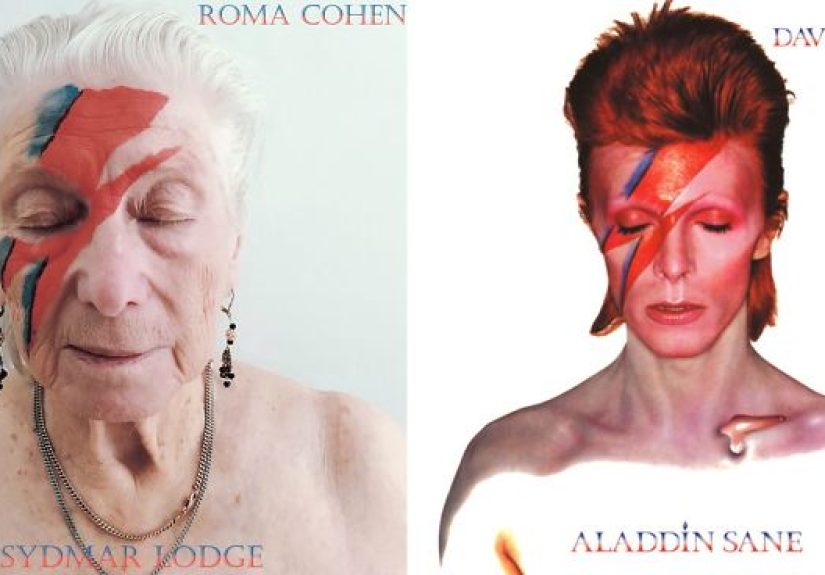
- 3. Roma Cohen as David Bowie
- 4. Sheila Solomon as The Clash
- 5. Sheila as Rag’n’Bone Man
- 6. Lily as Madonna
- 7. Staff as Queen
- 8. Toba David as Michael Jackson
- 9. Taylor Swift’s 1989 Reimagined
- 10. Elvis with Care Home Charisma
- 11. A Pop-Punk Cover with a Care Home Twist
- 12. A Beatles-Inspired Group Moment
- What Makes the Photos So Moving?
- Creative Aging Is More Than a Nice Idea
- Why Care Homes Need More Projects Like This
- How to Recreate a Similar Project Respectfully
- Experience Notes: What This Topic Teaches About Joy, Aging, and Being Seen
- Conclusion
Some photo projects make you smile. Others make you stop, stare, laugh, tear up a little, and immediately send the link to three people with the message, “You have to see this.” The viral project featuring care home residents recreating iconic album covers belongs firmly in that second category.
Created at Sydmar Lodge Care Home in North London during the COVID-19 lockdown, the series transformed older residents and carers into the stars of famous album covers. Instead of treating care home life as quiet, gray, or invisible, the project turned it into a stage. Suddenly, residents were not just “being cared for.” They were Adele, Bowie, Springsteen, Madonna, Elvis, Queen, and punk-rock legends with a walking cane used like a guitar. Frankly, the attitude level was higher than most celebrity press shoots.
The project was led by activities coordinator and photographer Robert Speker, who wanted to keep residents engaged while visits, trips, and outside entertainment were restricted. What began as a creative activity quickly became an international feel-good story. The photos were shared widely online because they hit a rare sweet spot: funny without being silly, touching without being sentimental, and stylish without trying too hard.
Why These Album Cover Recreations Went Viral
The internet sees a lot of “cute” content, but this project had something stronger: personality. Each recreation respected the original album cover while giving the resident a starring role. That made the images instantly recognizable, but also fresh. A familiar pose, a clever title swap, a bit of makeup, a carefully chosen outfit, and suddenly an older adult who might usually be overlooked was placed right in the cultural spotlight.
That is part of the magic. The series does not ask viewers to feel sorry for older people. It asks viewers to look again. These residents are funny, game, expressive, glamorous, rebellious, elegant, and sometimes wonderfully deadpan. In other words, they are exactly what great album-cover subjects have always been: memorable.
The timing mattered too. During lockdown, care homes around the world faced isolation, fear, and limited contact with families. Many residents were unable to receive normal visitors or attend regular outings. Against that background, a photo shoot full of music, humor, costume, and confidence felt like a tiny rebellion against loneliness. It said, “We are still here. We still have style. And yes, we can absolutely pull off eyeliner.”
The Story Behind the Care Home Album Covers
Robert Speker had the kind of idea that sounds simple after someone else does it: take famous album covers, match them with residents and carers, recreate the composition, and edit the final image with a playful twist. But the execution took real care. Costumes had to be chosen, poses had to be adapted, makeup and drawn-on tattoos had to be applied, lighting had to work, and the final images had to carry the spirit of the originals without turning the residents into props.
That last point is important. The best part of the project is not that older people copied celebrities. It is that the residents became the stars. Vera became the moody black-and-white icon of a cover inspired by Adele’s 21. Martin Steinberg reimagined Bruce Springsteen’s flag-backed pose with a British twist. Roma Cohen wore David Bowie-style lightning with the calm authority of someone who knew she owned the room. Sheila Solomon brought punk energy to The Clash and personal meaning to a Rag’n’Bone Man-inspired cover. Staff members also joined in, proving that caregiving can include creativity, humor, and a little theatrical lighting.
The project later gained even more attention because it showed what meaningful activities in care settings can look like. A good activity is not just a way to fill time. It can support dignity, connection, self-expression, memory, and joy. In this case, it also created images that looked good enough to hang on a wall.
12 Album Cover Moments That Made the Series Shine
The exact gallery is best experienced visually, but the standout concepts show why the project connected with so many people. These 12 moments capture the spirit of the series and the reason it became such a beloved example of creative aging.
1. Vera as Adele’s 21
Vera’s recreation of Adele’s famous black-and-white album style became one of the most widely shared images. The brilliance is in the simplicity: a quiet pose, moody lighting, and a title changed to reflect Vera’s own age. It is elegant, funny, and surprisingly powerful.
2. Martin Steinberg as Bruce Springsteen
Bruce Springsteen’s Born in the U.S.A. cover is instantly recognizable, so the care home version had a built-in joke. Martin’s version swapped the American theme for an English one, keeping the denim-and-flag composition while making it personal.
3. Roma Cohen as David Bowie
The Bowie-inspired cover worked because it did not simply copy the lightning-bolt makeup; it gave the whole image a new energy. Roma’s white hair and steady gaze made the recreation feel less like a costume and more like a portrait of an icon in her own right.
4. Sheila Solomon as The Clash
Few rock images are as kinetic as The Clash’s London Calling. In the Sydmar Lodge version, Sheila used her cane as the dramatic prop. The result was bold, funny, and full of punk spirit. It also proved that attitude does not retire.
5. Sheila as Rag’n’Bone Man
This cover carried extra personal meaning because Sheila was a fan of Rag’n’Bone Man and had reportedly seen him perform. The hand-drawn tattoo details, seated pose, and personal connection made the recreation feel like more than a parody. It became a tribute.
6. Lily as Madonna
A Madonna-inspired cover needs confidence, softness, and a little mystery. Lily brought all three. The recreation reminded viewers that glamour is not owned by youth; sometimes it simply gets better lighting.
7. Staff as Queen
When carers recreated a Queen-style cover, the project widened from resident activity to community performance. The staff did not stand outside the fun; they joined it. That matters because shared laughter can strengthen the bond between residents and caregivers.
8. Toba David as Michael Jackson
The Michael Jackson-inspired recreation leaned into pose, styling, and pop-star confidence. It worked because it was playful without feeling forced. The best versions in the series all had that quality: everyone seemed to be in on the joke.
9. Taylor Swift’s 1989 Reimagined
The Taylor Swift-inspired cover was clever because of the title format. By replacing the original details with a resident’s initials and birth year, the photo turned a pop album into a personal time capsule.
10. Elvis with Care Home Charisma
An Elvis-style cover naturally invites swagger, and the Sydmar Lodge version delivered it with charm. Classic black-and-white framing, expressive posture, and a wink of rock-and-roll nostalgia helped the image land.
11. A Pop-Punk Cover with a Care Home Twist
One of the more modern references came from pop-punk culture, adapted in a way that kept the project light and appropriate. The contrast between youthful album imagery and care home participation made the recreation especially internet-friendly.
12. A Beatles-Inspired Group Moment
Group recreations added another layer to the project. They showed that the series was not only about individual portraits, but also about shared performance. Album covers are often cultural memory objects, and group images turned that memory into a small community event.
What Makes the Photos So Moving?
The photos are funny, but they are not funny at the residents’ expense. That distinction is everything. The humor comes from recognition: we know the original covers, and we enjoy seeing them lovingly remixed. The residents are not being mocked; they are being celebrated.
They also challenge a lazy idea that later life must be quiet, passive, or disconnected from pop culture. Many older adults lived through the rise of rock, soul, disco, punk, pop, and MTV. They did not suddenly lose their connection to music because they moved into a care setting. Music is part of identity. A song can carry a first dance, a school memory, a road trip, a heartbreak, a wedding, or a family kitchen on a Sunday morning.
That is why the album-cover format worked so well. An album cover is more than packaging. It is a visual doorway into memory. Even if someone does not know every song, they may recognize the pose, the typography, the mood, or the era. The project used that shared cultural language to create connection.
Creative Aging Is More Than a Nice Idea
Projects like this are not just “cute activities.” They fit into a broader understanding of creative aging, which recognizes that older adults benefit from meaningful artistic participation. Arts programs can support self-expression, social connection, mood, confidence, and a sense of purpose. In care settings, those benefits can be especially important because daily routines may otherwise become repetitive.
A photo shoot may seem small from the outside, but think about what it involves. A resident is invited to choose or accept a role. They prepare for the image. They discuss costume and pose. They interact with staff. They see themselves transformed. Their family may see the final result. Other residents react. The photo becomes a conversation starter. That is not just entertainment; it is engagement with layers.
For residents living with memory challenges, music and visual art can also create pathways for connection when ordinary conversation becomes difficult. A familiar song or image may spark recognition, rhythm, emotion, or a shared smile. Nobody needs to deliver a perfect performance. Participation itself has value.
Why Care Homes Need More Projects Like This
Care homes often work hard to provide safety, meals, medication support, and daily assistance. Those things are essential. But human beings need more than safety. They need identity, humor, stories, novelty, and chances to surprise themselves.
The album-cover project is a great model because it is adaptable. A care home does not need a celebrity budget to create something meaningful. It needs imagination, consent, planning, respect, and a willingness to let residents be more than “residents.” They can be artists, models, critics, comedians, directors, stylists, and the occasional rock legend.
There is also a lesson for families. When relatives see a parent, grandparent, aunt, or uncle starring in a creative photo, they may see a side of that person that everyday care routines hide. The image becomes evidence of personality. It says, “This person still has preferences. This person still has humor. This person still enjoys being seen.”
How to Recreate a Similar Project Respectfully
Any care home, senior center, family group, or community organization inspired by the Sydmar Lodge series should start with respect. Ask participants what music they like. Offer options instead of assigning identities. Make sure everyone understands how the photos will be used. Keep the tone celebratory, not embarrassing. The goal is not to make older adults look “unexpectedly cool,” as if coolness has an expiration date. The goal is to reveal the coolness that was already there.
Choose album covers that can be adapted safely and comfortably. Avoid anything that requires awkward poses, unsafe props, or styling that makes a participant uneasy. Work with what people already enjoy: favorite scarves, jackets, hats, glasses, instruments, or meaningful objects. A walking stick can become a punk-rock prop. A cardigan can become a fashion statement. A plain wall can become a studio backdrop with the right lighting and a little patience.
Finally, share the finished photos in a way that benefits the participants. Print them. Display them. Send them to families. Turn them into a calendar if everyone agrees. Celebrate the behind-the-scenes stories, not just the final images. The making of the project is often where the richest memories are created.
Experience Notes: What This Topic Teaches About Joy, Aging, and Being Seen
One of the most powerful experiences connected to this topic is the realization that creativity can change the emotional temperature of a room. Imagine a typical care home afternoon: familiar chairs, familiar hallways, familiar routines. Then someone brings out a camera, a jacket, a little makeup, and a printed album cover. Suddenly the room has a mission. People start comparing the original image with the resident’s pose. Someone laughs because the angle is wrong. Someone else suggests a better expression. A staff member adjusts a collar. Another resident watches from across the room and asks what is happening. The ordinary afternoon becomes a production.
That kind of shared activity matters because it creates anticipation. Many older adults in care settings live with schedules built around meals, medications, appointments, and rest. A creative project adds a different kind of schedule: preparation, performance, reveal. The reveal may be the best part. Seeing oneself in a finished image can be surprisingly emotional. A resident might say, “Is that really me?” Family members might see the photo and laugh with delight. Staff may discover that a quiet resident has a dramatic side worthy of a record contract, or at least a very confident hallway entrance.
There is also an intergenerational experience built into album-cover recreations. Younger staff members may know Taylor Swift or modern pop references; older residents may connect more strongly with Elvis, Johnny Cash, The Beatles, or classic rock. When those references meet, conversation happens naturally. A staff member might ask, “Did you listen to this artist?” A resident may answer with a story about dances, records, concerts, or the first time they heard a song on the radio. The photo shoot becomes a bridge between eras.
For families, these images can be priceless because they interrupt the worry-filled version of care home life. Families often think about whether their loved one is safe, eating well, sleeping well, or receiving proper support. Those concerns are valid. But a joyful image adds another question: “Are they having moments that feel alive?” The Sydmar Lodge project answered yes, loudly, in full album-cover format.
The experience also teaches a broader lesson about dignity. Dignity does not always look formal. Sometimes it looks like a 93-year-old woman posing as a global pop star. Sometimes it looks like a cane raised in punk-rock triumph. Sometimes it looks like carers stepping into the frame and becoming part of the fun. Dignity is not only quiet respect; it is also the freedom to play, choose, laugh, and be remembered for something other than age or care needs.
That is why “Care Home Residents Recreate Iconic Album Covers And It Looks Amazing” remains more than a viral headline. It is a reminder that creativity belongs everywhere, including places where people too often assume the exciting chapters are over. The photos say the opposite. They say the stage is still open, the lighting is still flattering, and the next great cover star might be sitting in the lounge waiting for someone to ask.
Conclusion
The Sydmar Lodge album-cover project became famous because it looked amazing, but it lasted in people’s memories because it felt meaningful. It honored residents as individuals with humor, taste, history, and presence. It gave staff a way to create joy during a difficult period. It gave families and viewers a new way to see older adults: not as background figures, but as stars with stories worth framing.
At its heart, the project proves that care is not only about protection. It is also about participation. A truly good care environment makes room for comfort, safety, creativity, laughter, music, and the occasional rock-star pose. And if the final result happens to look like a legendary album cover? Even better. Every care home deserves a little more spotlight, and every resident deserves the chance to step into it.