Table of Contents >> Show >> Hide
- Why Fluids Matter When You Have a Cold or the Flu
- Best Drinks to Sip When You’re Sick
- 1. Water: The Classic That Never Needed a Rebrand
- 2. Warm Lemon Water with Honey
- 3. Herbal Tea for Comfort and Congestion
- 4. Ginger Tea for Nausea and Warmth
- 5. Broth and Clear Soup
- 6. Electrolyte Drinks When Fever, Vomiting, or Diarrhea Shows Up
- 7. Warm Apple Juice or Diluted Juice
- 8. Smoothies When You Need Calories
- 9. Ice Pops and Frozen Drinks for Sore Throat
- What About Tea with Caffeine?
- Drinks to Avoid When You Have a Cold or Flu
- Salt Water: Do Not Sip It, Gargle It
- A Simple Sick-Day Sip Schedule
- When Sipping Is Not Enough
- Real-Life Experiences: What Sipping Helps When You’re Sick
- Conclusion
When a cold or the flu hits, your body suddenly turns into a dramatic little weather system: foggy head, thunderous cough, waterfall nose, and a throat that feels like it hosted a gravel-eating contest. While no drink can magically delete a virus overnight, what you sip can make a real difference in how comfortable, hydrated, and human you feel while your immune system does its job.
The best cold and flu remedies are often boring in the best way: fluids, warmth, rest, and gentle ingredients that soothe the throat and help thin mucus. Think water, broth, herbal tea, warm lemon-honey drinks, electrolyte beverages, and simple soups. The goal is not to “kill the cold” with one heroic mug. The goal is to support recovery, ease symptoms, and avoid making yourself feel like a dried-out houseplant.
This guide breaks down what to sip when you’re sick, why it helps, what to avoid, and how to build a simple drink routine for cold and flu days.
Why Fluids Matter When You Have a Cold or the Flu
Cold and flu viruses can bring fever, sweating, congestion, coughing, sore throat, reduced appetite, and sometimes vomiting or diarrhea. All of that can make it easier to become dehydrated, especially if you are not eating much. Hydration helps your body regulate temperature, keeps your throat moist, and may help loosen thick mucus so it is easier to cough up or blow out.
Warm drinks may feel especially helpful because steam and heat can temporarily soothe irritated airways. A hot mug will not cure congestion, but it can make a stuffy nose feel less stubborn. It is the difference between “I am a functioning person” and “I am communicating only through tissues.”
Best Drinks to Sip When You’re Sick
1. Water: The Classic That Never Needed a Rebrand
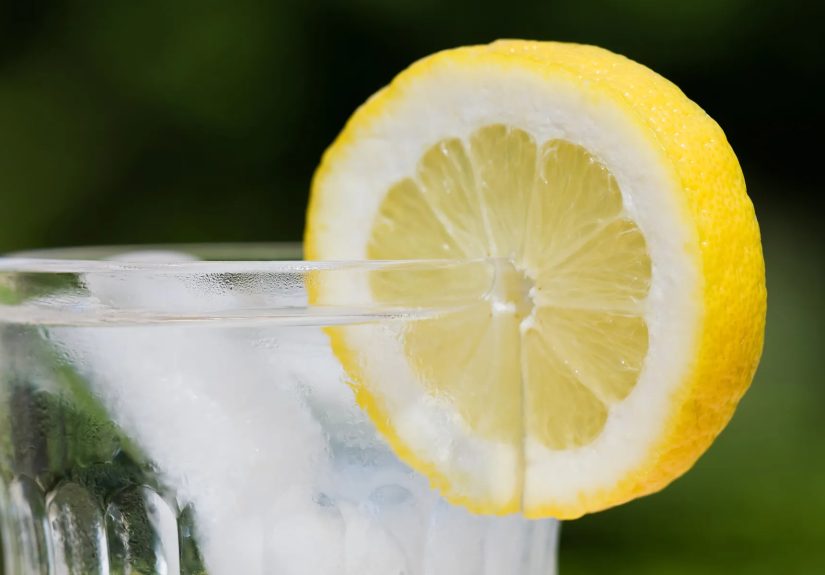
Water is the simplest, most reliable drink when you have a cold or flu. It has no caffeine, no added sugar, no acidity, and no ingredients that might irritate your stomach. If plain water feels too boring, try sipping it warm, adding a squeeze of lemon, or infusing it with cucumber, mint, or berries.
A practical rule: sip steadily throughout the day rather than trying to chug a huge bottle at once. Your stomach may already be cranky, and no one needs a hydration challenge while wearing pajamas at 2 p.m.
2. Warm Lemon Water with Honey
Warm lemon water with honey is one of the most popular home remedies for sore throat and cough, and for good reason. Warm liquid can soothe irritation, lemon adds a bright flavor, and honey may help calm coughing, especially at night. Honey coats the throat, which can reduce that scratchy, tickly feeling that makes you cough right when you finally get comfortable.
To make it, stir 1 to 2 teaspoons of honey into a mug of warm water and add fresh lemon juice to taste. Avoid boiling-hot water, which can irritate an already sore throat. Warm and cozy is the mission; lava is not.
Important safety note: Do not give honey to children under 12 months old because of the risk of infant botulism. For adults and children over age 1, honey is generally safe, though people with diabetes or honey allergies should be cautious.
3. Herbal Tea for Comfort and Congestion
Caffeine-free herbal tea is one of the best drinks for cold and flu symptoms because it delivers hydration, warmth, and comfort in one mug. Chamomile tea can feel calming before bed. Peppermint tea may feel refreshing when your nose is stuffy. Ginger tea has a warming bite that many people enjoy when they feel chilled or nauseated.
If your throat hurts, add honey. If your stomach feels unsettled, keep the tea simple and avoid strong spices. If you are taking medication, check whether certain herbal teas are safe for you, especially if you are pregnant, breastfeeding, managing a chronic condition, or taking blood thinners.
4. Ginger Tea for Nausea and Warmth
Ginger is a favorite sick-day ingredient because it has a bold, warming flavor and is commonly used to help settle nausea. Fresh ginger tea is easy: slice a few pieces of fresh ginger, simmer in water for 10 minutes, strain, and sip slowly. Add honey or lemon if your throat can handle the acidity.
Ginger tea is especially useful when the flu makes food sound about as appealing as chewing cardboard. It gives you warmth and flavor without requiring much effort. Just do not overdo it; very strong ginger can irritate some stomachs.
5. Broth and Clear Soup
Broth is part drink, part meal, and part emotional support. Chicken broth, vegetable broth, miso broth, and clear soup can help provide fluids and sodium, which may be useful if you have been sweating from fever or eating less than usual. The warmth can also soothe a sore throat and make congestion feel temporarily lighter.
Chicken soup deserves its reputation as a cold-day comfort food. It gives you fluid, warmth, salt, and a little protein if it contains chicken. Add soft noodles, rice, carrots, or greens if you can tolerate them. A low-sodium broth is a good option if you are watching your salt intake, while regular broth may be helpful if you need a bit more sodium after poor appetite or mild fluid loss.
6. Electrolyte Drinks When Fever, Vomiting, or Diarrhea Shows Up
For a regular stuffy-nose cold, water and warm drinks are usually enough. But if you have fever, heavy sweating, vomiting, or diarrhea, an oral rehydration solution or electrolyte drink may help replace fluids and minerals. This can be especially helpful for children, older adults, and anyone who struggles to drink enough while sick.
Choose drinks that are not overloaded with sugar. Some sports drinks can help in a pinch, but they may be too sweet for an upset stomach. Oral rehydration solutions are designed specifically for fluid replacement. If you have kidney disease, heart failure, high blood pressure, or another condition that requires fluid or sodium limits, ask a healthcare professional what is safest.
7. Warm Apple Juice or Diluted Juice
Warm apple juice can be soothing for some people, especially children who refuse plain water with the stubbornness of a tiny lawyer. Diluted juice can provide fluid and a little energy when appetite is low. However, juice is not medicine, and too much sugar may upset the stomach or worsen diarrhea.
If citrus juice stings your throat, skip it. Orange juice has vitamin C, but it can feel harsh when your throat is raw. Whole fruit is usually more satisfying once you feel ready to eat again.
8. Smoothies When You Need Calories
When you are sick and have no appetite, a smoothie can be easier than chewing a full meal. Blend banana, berries, yogurt, milk or a milk alternative, and a little water or ice. The result gives you fluid, carbohydrates, and sometimes protein. Keep it mild if your stomach is sensitive.
Avoid making smoothies too rich or too acidic. A giant citrus-and-kale wellness potion may sound virtuous, but your sore throat might file a complaint. Gentle is better: banana, yogurt, oats, and berries are a good starting point.
9. Ice Pops and Frozen Drinks for Sore Throat
Not every helpful “sip” has to be warm. Ice pops, frozen fruit bars, and crushed ice can feel wonderful when your throat is burning. They also help with fluid intake when drinking feels unpleasant. For children, ice pops can be a practical way to encourage hydration without turning the living room into a negotiation summit.
Look for options made with real fruit and less added sugar when possible. If you are dealing with nausea, start with small amounts.
What About Tea with Caffeine?
A small cup of black or green tea is usually fine for many adults, and tea contains fluid. However, large amounts of caffeine can make some people feel jittery, interfere with sleep, or contribute to fluid loss. When you are sick, sleep is part of the treatment plan, so do not let caffeine turn bedtime into a staring contest with the ceiling.
If you want tea in the evening, choose decaf tea or caffeine-free herbal tea. Your future 3 a.m. self will thank you.
Drinks to Avoid When You Have a Cold or Flu
Alcohol
Alcohol is not a cold remedy, even if your uncle insists his “medicinal” hot toddy once defeated a winter cough in 1987. Alcohol can worsen dehydration, interfere with sleep, irritate the throat, and interact with medications. If you like the hot toddy idea, make a nonalcoholic version with warm water, lemon, honey, and ginger.
Too Much Coffee
Coffee is not forbidden, but too much can backfire. It may worsen jitters, upset your stomach, or make it harder to rest. If you are used to coffee, a small cup may prevent a caffeine-withdrawal headache, but balance it with water and non-caffeinated drinks.
Sugary Sodas and Energy Drinks
Soda and energy drinks may sound appealing when you want something cold and fizzy, but they are not ideal sick-day hydration. They can be high in sugar, acidic, and loaded with caffeine. If you crave bubbles, try sparkling water or diluted juice with sparkling water.
Very Acidic Drinks
Lemon, orange, and grapefruit can taste refreshing, but acidic drinks may sting a sore throat or upset the stomach. Use them lightly, dilute them, or skip them until your throat calms down.
Salt Water: Do Not Sip It, Gargle It
Warm salt water is not something to sip, unless your goal is to experience instant regret. But gargling with it may help soothe a sore throat. Mix about half a teaspoon of salt into a cup of warm water, gargle, and spit it out. This can temporarily reduce throat irritation and help clear mucus from the back of the throat.
Children should only gargle if they are old enough to do it safely without swallowing the mixture.
A Simple Sick-Day Sip Schedule
When you feel awful, decision-making becomes a luxury. Here is a simple routine you can follow:
- Morning: Warm water or herbal tea with honey, plus a glass of water.
- Midday: Broth, soup, or an electrolyte drink if you have fever or fluid loss.
- Afternoon: Water, diluted juice, or ginger tea.
- Evening: Chamomile tea, warm lemon-honey water, or broth.
- Bedtime: A small mug of warm tea with honey if coughing keeps you awake.
You do not have to follow this perfectly. The best drink is the one you can tolerate and will actually sip. Recovery is not a lifestyle photoshoot; it is survival with tissues.
When Sipping Is Not Enough
Most colds improve with time, fluids, and rest. The flu can be more intense and may require medical advice, especially for people at higher risk of complications. Contact a healthcare professional if you have trouble breathing, chest pain, severe weakness, confusion, dehydration, symptoms that improve and then suddenly worsen, a high or persistent fever, or flu symptoms in someone who is pregnant, elderly, very young, immunocompromised, or living with a chronic condition.
Antibiotics do not treat colds or flu because those illnesses are caused by viruses, not bacteria. For flu, antiviral medications may help some people, especially when started early and when the person is at higher risk. If you think you have the flu and are in a high-risk group, do not wait until day five to ask for help while whispering dramatically into your soup.
Real-Life Experiences: What Sipping Helps When You’re Sick
In real life, cold and flu remedies are rarely glamorous. No one is lighting a candle, arranging lemons in a ceramic bowl, and smiling peacefully while their sinuses are staging a rebellion. Most people just want something warm, easy, and comforting enough to get them through the next few hours. That is where the right drink routine can quietly save the day.
One of the most useful experiences many people discover is that temperature matters. When your throat feels scratchy, cold drinks may feel refreshing for a few minutes, but warm drinks often provide longer comfort. A mug of honey tea before bed can be especially helpful because nighttime coughing tends to become worse when you lie down. The honey coats the throat, the warmth relaxes irritation, and the ritual tells your body, “We are done fighting the blanket. We are going to sleep now.”
Another practical lesson is that broth is underrated. When appetite disappears, drinking broth can feel easier than eating. It gives you fluid and salt, and it feels more satisfying than plain water. People who cannot face a full meal often manage a small bowl of chicken soup or vegetable broth. Add crackers, rice, noodles, or soft vegetables when your appetite begins to return. This is not fancy nutrition science in a lab coat; it is common sense with a spoon.
Ginger tea is another sick-day favorite because it works well when your stomach feels unsettled. Fresh ginger has a stronger flavor than tea bags, so start light. A few slices in hot water may be enough. If the drink tastes like it could power a motorcycle, dilute it. Sick-day drinks should support you, not challenge you to a duel.
For people with fever or sweating, electrolyte drinks can make a noticeable difference. The key is not to drink them like candy. Use them when fluid loss is real: fever, vomiting, diarrhea, or poor intake. If you are just dealing with a mild runny nose, water and tea are usually fine. But when you feel weak, dry-mouthed, or lightheaded, replacing fluids becomes more important.
Parents often learn that hydration requires creativity. A child may refuse water but accept ice pops, warm apple juice, diluted juice, or broth from a favorite cup. Adults are not much different, honestly. When you are sick, the “best” option is often the one you can keep drinking. A perfect beverage plan that you hate is less useful than a simple mug of tea you will actually finish.
The biggest experience-based takeaway is this: do not wait until you are very thirsty. Sip early, sip often, and keep drinks close by. Put a water bottle beside the bed, a mug near the couch, and broth in the fridge ready to heat. When illness drains your energy, preparation matters. Your future congested self will appreciate not having to make decisions while wrapped in a blanket like a burrito with opinions.
Conclusion
Cold and flu remedies do not need to be complicated. The best things to sip when you are sick are simple, soothing, and easy to tolerate: water, herbal tea, warm lemon-honey drinks, broth, gentle smoothies, ice pops, and electrolyte drinks when fluid loss is a concern. These drinks will not cure a virus overnight, but they can help you stay hydrated, calm a sore throat, loosen congestion, and feel more comfortable while your body recovers.
Skip alcohol, go easy on caffeine, avoid drinks that irritate your throat, and call a healthcare professional if symptoms are severe, unusual, or worsening. In the meantime, keep a mug nearby, rest as much as possible, and remember: healing is much easier when you are not running on dry crackers and vibes.
Note: This article is for general educational purposes only and should not replace professional medical advice. Seek medical care for severe symptoms, high-risk conditions, dehydration, breathing trouble, chest pain, or symptoms that worsen after initially improving.