Table of Contents >> Show >> Hide
- What Are Commune Light Socket Shades, Exactly?
- Why This Tiny Shade Has Such Big Design Energy
- How Commune Light Socket Shades Change the Quality of Light
- Best Places to Use Commune Light Socket Shades
- How to Style Commune Light Socket Shades Without Trying Too Hard
- Things to Check Before You Buy
- Pros and Cons of Commune Light Socket Shades
- Why Commune Light Socket Shades Appeal to Design Enthusiasts
- Real-Life Experiences With Commune Light Socket Shades
- Conclusion
If you have ever looked at a bare bulb and thought, “This is either genius or the lighting equivalent of forgetting to put on shoes,” then welcome. Commune Light Socket Shades sit in that delicious middle ground where utility meets personality. They are small, stylish, and surprisingly transformative. In a world full of giant statement chandeliers screaming for attention, these shades are more like the cool friend who walks into the room wearing simple black clothes and somehow still steals the show.
The appeal of Commune Light Socket Shades is not just that they look good. It is that they solve a familiar problem in a very elegant way: exposed bulbs can feel harsh, unfinished, or too industrial when you want warmth with a little more polish. A socket shade gives you a softer silhouette, a more thoughtful finish, and a more custom look without forcing you into a full-blown rewiring drama. In other words, it is a design upgrade that does not require you to become the kind of person who casually says, “I spent the weekend reworking the ceiling canopy situation.”
What Are Commune Light Socket Shades, Exactly?
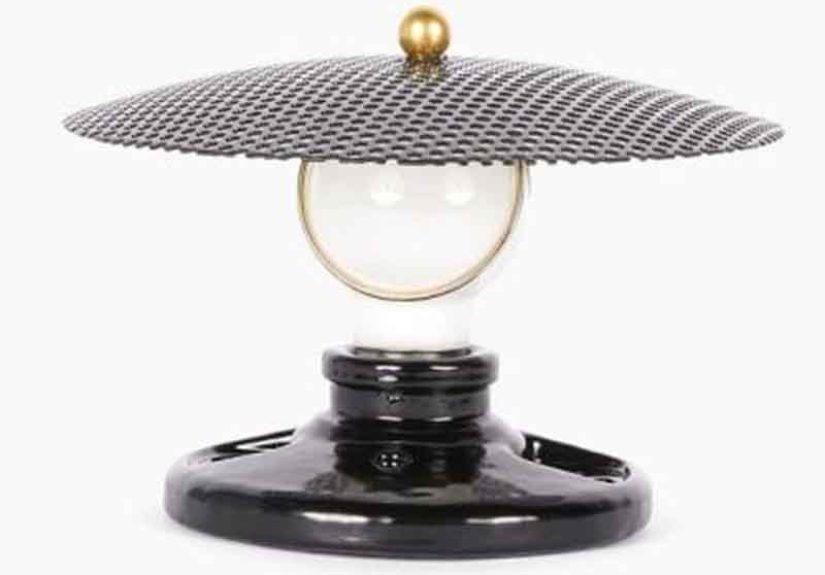
Commune’s version of the light socket shade is especially interesting because it turns a tiny accessory into a design statement. These shades are known for their perforated steel construction, powder-coated finish, brass detailing, and cheerful-but-curated color options. Instead of reading like a fussy lampshade, they feel edited, architectural, and a little playful. That balance is hard to pull off. Too much whimsy, and a shade looks like it belongs in a novelty aisle. Too much seriousness, and it becomes a tiny museum object with a trust fund.
What makes the product stand out is its clip-on approach. Rather than behaving like a traditional fitter shade that demands specific hardware and a mini crash course in lighting vocabulary, this format feels approachable. It belongs to that increasingly popular category of clip-on light shades and socket shades that help people personalize basic fixtures without replacing everything around them. For renters, vintage lovers, and anyone allergic to overcomplicated upgrades, that is a pretty charming proposition.
Why This Tiny Shade Has Such Big Design Energy
There is a reason designer-friendly accessories like this are getting attention. Lighting has moved far beyond pure function. People want layers, mood, texture, and pieces that feel personal instead of mass-produced. A small shade on an exposed bulb can completely shift the tone of a room. Suddenly, the bulb is not just a bulb. It becomes part of a visual composition. It starts having opinions. It wants to sit next to a walnut shelf, a ceramic vase, and a stack of art books.
Commune Light Socket Shades work because they hit several current design sweet spots at once. They nod to vintage and utilitarian lighting, but they do not feel dusty or overly nostalgic. They also suit the growing taste for artisan-looking, collected interiors. The perforation adds texture. The metal adds shape. The color choices let you either blend in or make the shade a tiny accent piece. This is why they make sense in homes that mix modern, rustic, eclectic, California casual, or even soft industrial styles.
They also help soften the old “bare bulb equals cool design” trend. Bare bulbs can be beautiful, but they can also create glare, feel visually stark, and push a room toward coffee-shop-bathroom energy if you are not careful. Add a small shade, and the look becomes more intentional. It says, “Yes, I like simple fixtures, but I also enjoy not being interrogated by a naked bulb at 9 p.m.”
How Commune Light Socket Shades Change the Quality of Light
One of the smartest things about a socket shade is that it affects not just appearance, but experience. Lighting is emotional. It changes how a room feels, how colors read, and whether your evening atmosphere says “cozy dinner” or “small-town police station.” Commune’s perforated metal design does not diffuse light in the same way that opal glass or fabric would. Instead, it shapes the bulb visually and helps direct the glow while still allowing some light play through the perforations.
That distinction matters. If you want broad, milky, cloudlike diffusion, you may prefer opal glass or pale fabric shades. If you want something with a little more edge, direction, and sculptural presence, a perforated steel lamp shade like this brings more character. It is especially useful where you want a pool of light with personality: over a reading corner, in a hallway, beside a bed, above open shelving, or in a powder room that deserves better than generic overhead glare.
Bulb choice matters too. Warm bulbs typically make this style look better than cool, blue-white ones. For most homes, warm white lighting feels more inviting and more forgiving. It flatters finishes, softens shadows, and prevents your carefully chosen decor from looking like it is being reviewed by airport security.
Best Places to Use Commune Light Socket Shades
1. Hallways That Need More Than Basic Utility
A hallway is often where people surrender and install something forgettable. Commune Light Socket Shades are a good antidote to that surrender. They can make transitional spaces feel considered without overwhelming them. A simple socket with a shade adds polish and rhythm, especially when repeated down a corridor.
2. Bedrooms That Need Soft Character
In bedrooms, this kind of shade works beautifully with warm bulbs and layered lighting. Use it in wall-mounted fixtures or compact ceiling lights where you want a quiet glow and a little design texture. The look is minimal, but not sterile. It is neat, but not joyless. Think: grown-up charm without the hotel-room blandness.
3. Kitchens That Mix Utility and Personality
Kitchen lighting often swings between two extremes: aggressively bright or tragically dim. A socket shade can help define a small zone, such as a breakfast nook, open shelf corner, or side wall fixture, while keeping the overall look unfussy. If your kitchen already has a lot of hard surfaces, the perforated metal detail can add just enough visual intrigue without introducing clutter.
4. Entryways That Need a Better First Impression
If your entry light currently says, “Someone lives here, probably,” a small designer-forward socket shade can say much more. It creates a warm first impression, makes a compact area feel styled, and proves that even tiny spaces deserve real design attention.
How to Style Commune Light Socket Shades Without Trying Too Hard
The secret is not to over-explain them. These shades work best when they are allowed to be part of a broader lighting story instead of the only interesting thing in the room. Pair them with warm wood, matte paint, vintage brass, ceramic textures, linen, or plaster finishes. If you love contrast, use a bold shade color against a neutral wall. If you want a quieter look, choose a tone that relates to nearby hardware or trim.
They also look great in interiors that mix periods. A contemporary shade on a traditional wall color? Excellent. A crisp white shade near older millwork? Also excellent. A red one in a too-safe room that needs a little life? That is the design equivalent of adding hot sauce to scrambled eggs. Suddenly, everyone is awake.
Do not make the mistake of treating every fixture in the house like members of a marching band that must wear identical uniforms. Lighting looks more interesting when it feels collected. Commune Light Socket Shades play well with other finishes and styles, which is part of their charm. Let them echo a brass detail here, a dark metal finish there, or a pop of color somewhere else in the room.
Things to Check Before You Buy
As cute as a shade may be, it still lives in the real world, where compatibility matters. Before buying any designer lighting accessory, check the bulb shape, the socket type, the fixture rating, and the bulb wattage or LED equivalent that your fixture allows. Small shades can look effortless, but the setup should still be safe and appropriate for the fixture.
You should also think about what kind of light you actually need. If the fixture is your main source of ambient light, a more open or more diffused setup may serve you better. If it is accent or mood lighting, a sculptural metal shade can be a fantastic choice. This is where many people go wrong. They shop with their eyes only, then act shocked when a dramatic shade creates dramatic shadows. That is not failure. That is physics with good taste.
Proportion matters too. Even a small lighting upgrade should feel balanced with the fixture and the room around it. A socket shade should look like it belongs, not like it crash-landed from a different lamp and is trying to make the best of the situation.
Pros and Cons of Commune Light Socket Shades
Pros
They are compact, expressive, and easier to incorporate than a brand-new fixture. They offer a refined alternative to bare-bulb lighting. They add texture without bulk. They feel artisan and design-forward. They are especially appealing for people who love details and want a home that looks layered rather than cookie-cutter.
Cons
They are not the right solution for every lighting need. If you want maximum brightness and broad diffusion, a tiny metal shade may not be your champion. They are also style-specific. If your room is aiming for soft traditional romance or ultra-minimal invisible lighting, the Commune look may feel too graphic or too personality-packed. And yes, once you install one well-chosen shade, there is a fair chance you will start judging the rest of your fixtures. This is emotionally manageable, but it is still a side effect.
Why Commune Light Socket Shades Appeal to Design Enthusiasts
The best design objects often do two things at once: they solve a problem, and they make you smile a little. Commune Light Socket Shades do both. They refine exposed bulb lighting, create a more finished silhouette, and bring a sense of intentionality to even basic fixtures. More importantly, they make a room feel cared for. Not staged. Not algorithmically trendy. Just cared for.
That is ultimately why these shades resonate. They are modest in scale but rich in effect. They prove that a room does not always need a giant renovation or a celebrity chandelier to feel special. Sometimes it just needs a clever little shade with good proportions, warm light, and enough personality to whisper, “Relax, I’ve got this.”
Real-Life Experiences With Commune Light Socket Shades
Living with Commune Light Socket Shades is one of those experiences that sounds very small on paper and then turns out to be strangely satisfying in daily life. At first glance, it can seem almost ridiculous to get excited about a tiny shade that clips onto a bulb. It is not a new sofa. It is not a dramatic wallpaper moment. It is not the kind of thing guests usually gasp over the second they enter your home. But then you install one, flip on the light in the evening, and suddenly the room feels more finished. More relaxed. More like somebody with excellent instincts lives there.
One of the best experiences people tend to have with this kind of lighting is the way it changes awkward in-between spaces. That little corner that used to feel blank starts looking intentional. The hallway that was doing its best impression of a doctor’s office suddenly feels warm. A bedside fixture that once felt overly exposed becomes more intimate and inviting. It is a subtle shift, but it is a real one. You notice it most at night, when the rest of the house quiets down and lighting does the heavy lifting for atmosphere.
There is also something fun about the visual texture. During the day, the shade reads as a small sculptural object. At night, it becomes part silhouette, part glow, part mood-setting magician. The perforated design can create a delicate sense of depth, and even when the light is off, the fixture still looks like a deliberate design choice instead of a temporary placeholder. That matters more than people think. Homes feel better when the details stop looking accidental.
Another real-world perk is that these shades often inspire a chain reaction. You put one up, and then you start noticing bulb temperatures, fixture finishes, and all the weird little lighting mistakes you previously ignored. That sounds dangerous, but it is mostly helpful. It teaches you that good lighting is rarely about one heroic overhead fixture. It is about the accumulated effect of many smaller decisions. A warm bulb here, a better shade there, a slightly more flattering glow everywhere else. Suddenly your home is not brighter so much as smarter.
Of course, the experience is not purely romantic. You still need to choose the right bulb, make sure the setup is compatible, and understand that a metal shade will shape light differently than a glass or fabric one. But that is part of the pleasure for people who enjoy home design. You are not just buying an object. You are tuning the feeling of a space. And when you get it right, the reward is immediate. The room looks calmer. The fixture looks better. You look wildly more competent than you felt five minutes earlier.
In the end, the experience of using Commune Light Socket Shades is less about dramatic transformation and more about daily delight. They are the kind of small upgrade that keeps paying you back in mood, polish, and quiet satisfaction. Which, honestly, is a pretty good return for one tiny shade.
Conclusion
Commune Light Socket Shades may be small, but they punch far above their weight in style, mood, and flexibility. They offer a cleaner, warmer, more intentional answer to exposed bulb lighting while fitting beautifully into collected, modern, vintage-inspired, and character-rich interiors. If you want a lighting accessory that feels useful, artful, and just a little bit smug in the best possible way, this is a very smart place to start.