Table of Contents >> Show >> Hide
Some days, your mood feels like a fully charged smartphone. Other days, it feels like a phone at 3% with 47 apps open, no charger in sight, and one emotional notification too many. While food is not a magic wand for sadness, stress, anxiety, or depression, experts agree that what you eat can absolutely affect how you feel.
That idea has a name now: nutritional psychiatry. Researchers and clinicians have been exploring how diet, inflammation, blood sugar balance, the gut-brain axis, and nutrient intake may all shape mood, focus, and resilience. Translation: your lunch is not your therapist, but it can either support your brain or make the day feel like a slow-motion Monday.
The big takeaway is not that one “happy food” will fix everything. It is that an overall eating pattern rich in whole foods seems to support better mental health more consistently than a diet loaded with ultra-processed snacks, sugar spikes, and meals that look like they were engineered by a vending machine. Many experts point to a Mediterranean-style approach built around fish, plants, legumes, whole grains, nuts, seeds, fermented foods, and healthy fats.
Below are 15 foods that may help support a better mood naturally, plus the nutrients that make them worth inviting onto your plate more often.
Note: If low mood lasts more than two weeks, feels intense, or comes with hopelessness, isolation, or thoughts of self-harm, please seek help from a licensed healthcare professional right away. Food can support mental health, but it should not replace proper care.
Why Food and Mood Are Connected
Before we get to the grocery list, here is the short version. Your brain needs a steady supply of energy and nutrients to make neurotransmitters, regulate inflammation, and keep nerve cells communicating well. Your gut also plays a surprising role in this story. A healthy digestive system and a healthy microbiome may influence mood, stress response, and overall brain function.
That is why experts often recommend foods rich in omega-3 fatty acids, fiber, probiotics, folate, magnesium, vitamin C, B vitamins, protein, and complex carbohydrates. These nutrients are linked to brain health, steadier energy, and better overall wellness. No, this does not mean you need to live on kale and salmon while staring lovingly at a bowl of quinoa. It does mean that consistent, balanced choices can help your brain stop feeling like it is running on fumes.
15 Mood-Boosting Foods Worth Adding to Your Routine
1. Salmon
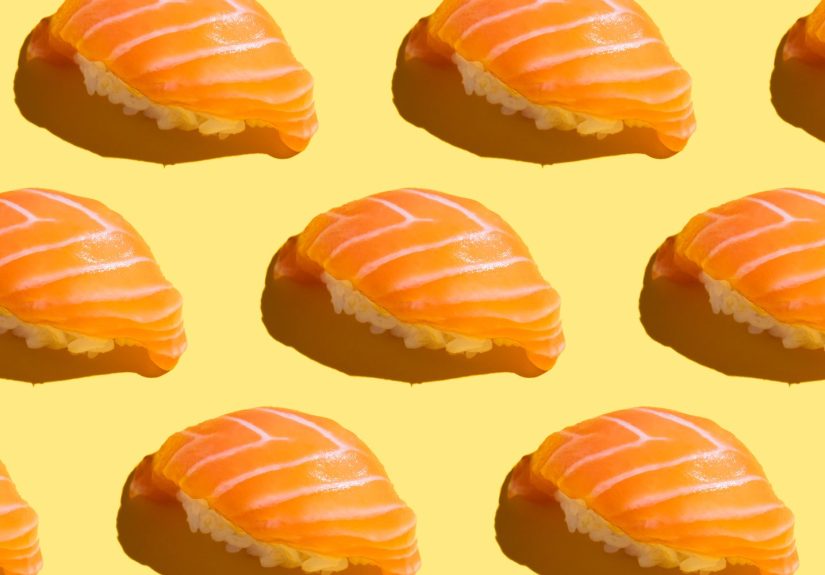
Salmon is the poster child for omega-3 fatty acids, especially EPA and DHA. These fats are heavily studied for brain and heart health, and they are often associated with mood support. Salmon also delivers protein, vitamin D, and B vitamins, which help keep energy and nerve function on track.
Easy idea: bake a salmon fillet with lemon and olive oil, then pair it with brown rice and greens. Fancy enough for guests, easy enough for a Tuesday.
2. Sardines
If salmon is the celebrity, sardines are the underrated character actor who quietly steals the whole movie. Sardines are rich in omega-3s, vitamin B12, protein, and minerals. They are also convenient, affordable, and shelf-stable, which means your “I have nothing to eat” excuse just lost a little power.
Try them on whole-grain toast with avocado, cracked pepper, and a squeeze of citrus for a fast meal that feels smarter than it looks.
3. Spinach and Other Leafy Greens
Spinach, kale, Swiss chard, and collard greens are packed with folate, magnesium, fiber, and antioxidants. Folate matters because low levels have been linked with a greater likelihood of depression in some research. Leafy greens also support overall health without causing the blood sugar roller coaster that can leave you feeling cranky by midafternoon.
If salads bore you, sauté spinach with garlic, stir kale into soup, or blend greens into a smoothie with banana and berries.
4. Lentils
Lentils bring a lot to the mood table: complex carbohydrates, plant protein, iron, folate, and fiber. That combination can help with more stable energy and fuller, longer-lasting meals. And when your energy is more stable, your mood often has a better shot at staying there too.
Lentil soup, lentil curry, or a lentil grain bowl are all great ways to make comfort food pull double duty.
5. Beans
Black beans, chickpeas, kidney beans, and white beans are budget-friendly mood allies. Like lentils, they offer fiber, complex carbs, protein, magnesium, and folate. They also fit beautifully into the kind of plant-forward eating pattern experts frequently recommend for mental and physical health.
Practical move: toss beans into tacos, salads, chili, pasta, or even mashed into a sandwich spread when you want lunch to work harder.
6. Oats
Oats are one of the best examples of a complex carbohydrate that can help you avoid the dramatic rise-and-crash cycle of sugary breakfasts. Because they digest more slowly, oats may support steadier blood sugar and more even energy. They also provide fiber that helps feed beneficial gut bacteria.
A bowl of oatmeal with walnuts, berries, and cinnamon is one of the simplest “feel better” breakfasts around. It is not glamorous, but neither is being hangry at 10:17 a.m.
7. Greek Yogurt
Greek yogurt offers protein, calcium, and, if it contains live active cultures, beneficial bacteria that may support gut health. Since experts are increasingly interested in the gut-brain connection, yogurt earns a place on the list for being easy, accessible, and versatile.
Choose plain yogurt when possible and add your own fruit, seeds, or a drizzle of honey. That way, you get the benefits without turning breakfast into dessert wearing a fake mustache.
8. Kefir, Kimchi, or Sauerkraut
Fermented foods have become stars of the wellness world, and not without reason. Kefir, kimchi, and sauerkraut may help diversify your gut microbiome, and researchers continue to explore how gut health may influence mood and stress response. The science is still evolving, so these foods are best seen as helpful supports, not miracle jars.
Try a small serving with meals. A little kefir in a smoothie or a spoonful of kimchi next to rice and eggs can go a long way.
9. Blueberries and Strawberries
Berries are rich in vitamin C, fiber, and flavonoids, compounds associated with antioxidant and anti-inflammatory benefits. That matters because chronic inflammation and oxidative stress are part of the broader conversation around brain health and mood. Plus, berries make healthy eating feel less like a punishment and more like a reasonable life choice.
Keep frozen berries on hand for smoothies, oatmeal, or yogurt bowls. They are cheaper, last longer, and never judge you.
10. Oranges and Other Citrus Fruits
Citrus fruits bring brightness to your plate and plenty of vitamin C. Some experts note that vitamin C-rich foods may support mood as part of an overall healthy diet, especially when they replace heavily processed snack foods. Oranges, grapefruit, mandarins, and lemons also help with hydration and freshness, which sounds small until you realize how often “blah” starts with feeling run-down.
Pair orange slices with nuts for a satisfying snack that gives you both quick refreshment and staying power.
11. Bananas
Bananas are simple, portable, and surprisingly useful for mood support. They provide vitamin B6, potassium, and carbohydrates that can be paired with protein or healthy fat for more balanced energy. They are also gentle on the stomach, which is useful when stress has your digestive system acting dramatic.
Slice one over oats, blend it into a smoothie, or eat it with peanut butter when you need a snack that takes less effort than choosing a streaming show.
12. Eggs
Eggs are rich in protein and contain nutrients like choline, vitamin B12, and selenium. They are filling, flexible, and useful for building meals that keep your energy steady. A breakfast built around eggs often holds up better than one built around pastries and wishful thinking.
Scramble eggs with spinach, serve with whole-grain toast, and you have a meal that checks several mood-supportive boxes at once.
13. Walnuts
Walnuts are frequently praised for their healthy fats, including plant-based omega-3 ALA, along with fiber and minerals. They make an easy snack, and they fit the broader pattern experts like to see: less processed crunch, more nutrient density.
Add chopped walnuts to oatmeal, salads, yogurt, or even roasted vegetables. They make almost everything taste slightly more sophisticated, which is nice.
14. Pumpkin Seeds
Pumpkin seeds are small but mighty. They provide magnesium, zinc, iron, protein, and healthy fats. Magnesium, in particular, is often discussed in connection with stress and mood. Pumpkin seeds also make healthy eating less boring because they add texture, and texture matters more than nutrition articles sometimes admit.
Sprinkle them on salads, soups, oatmeal, or trail mix. They are the confetti of sensible eating.
15. Avocados
Avocados offer fiber, heart-healthy fats, and a creamy texture that can make meals feel satisfying without leaning on ultra-processed ingredients. Satisfaction matters. When meals leave you truly full, you are less likely to end up scavenging through the pantry 90 minutes later in search of emotional crackers.
Use avocado on toast, in grain bowls, with eggs, or mashed into bean tacos for a meal that feels nourishing and indulgent at the same time.
Bonus Treat: Dark Chocolate
Yes, it deserves a mention. Dark chocolate, especially varieties with a higher cocoa content, contains flavanols and may support mood when enjoyed in reasonable amounts. The key phrase there is reasonable amounts. This is not a formal invitation to eat an entire family-size bar while telling yourself it is “for brain health.”
A square or two after dinner can satisfy a sweet craving while still fitting into an overall balanced eating pattern.
How to Actually Eat for a Better Mood Without Making Life Weird
The most helpful approach is not obsessing over one nutrient. It is building meals that combine protein, fiber-rich carbohydrates, healthy fats, and colorful produce. That combination tends to support more stable energy, better fullness, and fewer dramatic snack emergencies.
Here is what that can look like in real life:
- Breakfast: Oatmeal with Greek yogurt, berries, walnuts, and pumpkin seeds.
- Lunch: Lentil bowl with spinach, avocado, olive oil, and citrus on the side.
- Dinner: Salmon with roasted vegetables and beans or whole grains.
- Snack: Banana with nut butter, or yogurt with fruit.
This kind of eating will not make you levitate with joy by tomorrow morning. But it can help reduce the drag that comes from blood sugar crashes, nutrient gaps, and a diet packed with highly processed food. Think of it as giving your brain a better work environment. Fewer flickering lights. More functioning equipment.
What People Often Experience When They Start Eating This Way
Here is the part people rarely say out loud: when you start eating more mood-supportive foods, the first thing you may notice is not “happiness.” It is often stability. That matters. For many people, feeling less foggy, less irritable, and less physically wrung out is the first sign they are heading in the right direction.
Imagine someone who usually starts the day with a giant sweet coffee and a pastry, then crashes before lunch and spends the afternoon prowling for chips. When that person switches to oatmeal with berries and yogurt or eggs with whole-grain toast, the difference may feel surprisingly practical. Fewer mood dips. Less shaky hunger. More focus. Not exactly a fireworks show, but definitely better than emotionally unraveling because the printer jammed.
Another common experience is improved energy consistency. Meals built with beans, lentils, oats, fish, nuts, and produce tend to feel more grounding. Instead of that weird cycle where you are starving, then stuffed, then sleepy, then craving sugar again, the day can start to feel more even. And when your body is not constantly overreacting to food, your mind often follows.
Some people also notice changes in their relationship with cravings. This does not mean cravings vanish into the mist forever. You are still human. Cookies still exist. But when you eat balanced meals more regularly, cravings may stop feeling like emergency alerts from a failing internal alarm system. A square of dark chocolate becomes a pleasure, not a hostage negotiation.
Gut-friendly foods can create their own kind of subtle shift too. People who add yogurt, kefir, kimchi, sauerkraut, oats, beans, and fruit may notice that digestion feels more comfortable over time. That can sound unrelated to mood until you have spent an entire day feeling bloated, uncomfortable, and vaguely annoyed at everybody for no clear reason. Physical comfort and emotional comfort are closer cousins than most of us admit.
There is also the experience of feeling more capable. Cooking a pot of lentil soup, assembling a salmon bowl, or keeping a few better snacks on hand can create a quiet sense of momentum. It is not perfection. It is proof that you can support yourself in small, practical ways. Sometimes that alone lifts mood because it changes the story from “I am a mess” to “I am doing a few things that help.”
Of course, not every experience is magical. Some people eat better for a week and feel mostly the same. That does not mean food “doesn’t work.” It usually means mood is complex. Sleep, stress, hormones, loneliness, movement, finances, grief, workload, and mental health conditions all matter too. Food is one piece of the puzzle, not the whole box.
The healthiest mindset is to treat these foods as allies, not assignments. Add one or two. Repeat what feels doable. Build meals that leave you nourished instead of punished. Over time, many people find that eating for better mental health is less about chasing a dramatic emotional high and more about creating a steadier, kinder baseline. And honestly, that is a pretty great place to start.
Final Thoughts
If you have been feeling blah, the answer may not be a single “superfood.” It is more likely a pattern: more whole foods, more fiber, more healthy fats, more color, more steady fuel, and fewer ultra-processed choices pretending to be lunch. The best foods for mood naturally are often the same foods that support heart health, gut health, and long-term wellness. Your body loves consistency. Your brain apparently does too.
So no, you do not need to become a perfectly organized person who meal-preps twelve matching glass containers every Sunday. You just need a few better defaults. A tub of yogurt. A bag of oats. A can of beans. Some berries in the freezer. Eggs. Greens. Fish when you can. Dark chocolate when the universe demands diplomacy.
That is not a fad. That is strategy.