Table of Contents >> Show >> Hide
- How Long Does Spaghetti Sauce Last in the Fridge?
- Why the Type of Sauce Matters
- How to Store Spaghetti Sauce Safely
- How to Tell If Spaghetti Sauce Has Gone Bad
- Can You Freeze Spaghetti Sauce?
- Can You Reheat Spaghetti Sauce More Than Once?
- Does Jarred Sauce Last Longer Than Homemade Sauce?
- What About Spaghetti Already Mixed With Sauce?
- Common Mistakes That Make Spaghetti Sauce Spoil Faster
- Practical Examples: Should You Keep It or Toss It?
- of Real-Life Experience: What Actually Happens in the Kitchen
- Conclusion: So, How Long Will Spaghetti Sauce Keep in the Fridge?
Spaghetti sauce is one of those magical kitchen staples that makes you feel like dinner is basically handled. Boil pasta, warm sauce, sprinkle cheese, and suddenly you are the proud owner of a meal that looks like you tried harder than you did. But then comes the familiar fridge mystery: that half-used jar of marinara or container of homemade meat sauce sitting on the shelf, looking innocent but raising one important question: how long will spaghetti sauce keep in the fridge?
The short answer is this: most spaghetti sauce keeps in the refrigerator for about 3 to 5 days after opening or cooking, depending on the type of sauce, how it was stored, and whether it contains meat, dairy, or seafood. Plain tomato-based sauce may last toward the longer end, while meat sauce, Alfredo-style sauce, or homemade sauce should be eaten sooner. If you are not sure when it went into the fridge, your safest move is to toss it. The pasta gods may forgive food waste, but your stomach may not forgive questionable sauce.
This guide breaks down how long different kinds of spaghetti sauce last, how to store sauce properly, how to tell when it has gone bad, and how to freeze it before it becomes a science project wearing a tomato-red disguise.
How Long Does Spaghetti Sauce Last in the Fridge?
In general, refrigerated spaghetti sauce should be used within a few days. A good food-safety rule is to treat opened or homemade sauce like other cooked leftovers: eat it within 3 to 4 days for the safest quality. Some opened commercial tomato sauces may be acceptable for up to 5 days, and certain high-acid jarred sauces may keep slightly longer when handled perfectly, but 3 to 5 days is the practical sweet spot for most homes.
The exact timeline depends on what is in the sauce. Tomato sauce with garlic, onions, herbs, and olive oil is usually less risky than a sauce loaded with ground beef, sausage, cream, cheese, or seafood. Once animal protein or dairy enters the chat, the storage clock starts ticking louder.
Quick Fridge Storage Guide
| Type of Spaghetti Sauce | Recommended Fridge Life | Best Storage Tip |
|---|---|---|
| Opened jarred tomato sauce | 3 to 5 days | Keep tightly sealed and refrigerated promptly |
| Homemade marinara sauce | 3 to 4 days | Cool quickly and store in an airtight container |
| Meat sauce or Bolognese | 3 to 4 days | Refrigerate within 2 hours and reheat thoroughly |
| Cream-based pasta sauce | 3 to 4 days | Avoid repeated reheating and cooling |
| Pesto or oil-based sauce | 3 to 5 days | Use clean utensils and watch for off smells |
| Spaghetti with sauce already mixed in | 3 to 4 days | Store in shallow containers for faster cooling |
Why the Type of Sauce Matters
Not all spaghetti sauce is built the same. A simple tomato sauce and a rich meat sauce may both be delicious, but they do not behave the same way in the fridge. Ingredients affect moisture, acidity, protein content, and spoilage risk.
Tomato-Based Sauce
Classic marinara, tomato basil sauce, and simple spaghetti sauce are usually the most forgiving. Tomatoes are naturally acidic, which can slow some types of spoilage. However, once a jar is opened or sauce is cooked, bacteria, yeast, and mold can still make their way in. That is why even tomato-based sauce should not be left hanging around the fridge indefinitely like it pays rent.
For best quality, use opened jarred tomato sauce within 3 to 5 days. Homemade tomato sauce should generally be eaten within 3 to 4 days because it does not go through the same commercial processing as shelf-stable jarred sauce.
Meat Sauce
Meat sauce, Bolognese, sausage marinara, and sauces with meatballs should be treated like cooked meat leftovers. These sauces should be refrigerated quickly and used within 3 to 4 days. Meat adds protein and moisture, which can make leftovers more vulnerable if they are stored too long or cooled too slowly.
If your sauce contains beef, pork, turkey, chicken, or sausage, do not try to “stretch it one more day” just because it smells okay. Spoilage bacteria can make food smell bad, but illness-causing bacteria do not always announce themselves with a dramatic villain laugh.
Creamy or Cheesy Sauce
Although this article focuses on spaghetti sauce, many people use the same storage question for Alfredo, vodka sauce, creamy tomato sauce, or cheese-based pasta sauces. These should be used within 3 to 4 days. Dairy can separate, sour, or spoil faster than plain tomato sauce, especially if the sauce was left out during dinner or repeatedly reheated.
Homemade Sauce
Homemade spaghetti sauce is wonderful because you control the flavor. More garlic? Yes. Extra basil? Obviously. A suspiciously generous amount of Parmesan? We support your choices. But homemade sauce usually has a shorter refrigerator life than unopened commercial sauce because it has not been processed for shelf stability. Once cooked, homemade sauce belongs in the fridge within 2 hours and should be used within 3 to 4 days.
How to Store Spaghetti Sauce Safely
Good storage can help sauce stay fresh and safe for the full recommended window. Bad storage can shorten that window quickly. The fridge is not a pause button; it is more like a slow-motion button. Bacteria still grow, just more slowly when food is kept cold.
Keep the Fridge at 40°F or Below
Your refrigerator should be set at 40°F or below. This temperature helps slow bacterial growth and keeps leftovers safer. If you do not already have a refrigerator thermometer, it is a cheap and useful tool. Many fridges run warmer than the dial suggests, especially when packed tighter than a suitcase before vacation.
Refrigerate Sauce Within 2 Hours
Spaghetti sauce should not sit at room temperature for more than 2 hours. If the room is very hot, that window gets even shorter. After dinner, transfer the sauce to a container and refrigerate it promptly. Leaving the pot on the stove “until it cools” sounds harmless, but a big pot of sauce can stay warm for a long time, giving bacteria a cozy little spa day.
Use Shallow, Airtight Containers
Large deep containers cool slowly. Instead, divide sauce into shallow containers so it chills faster. Airtight containers also help protect sauce from absorbing refrigerator odors. Nobody wants marinara with a mysterious hint of onion, old takeout, and sadness.
Do Not Store Sauce in an Open Can
If your sauce came from a can, transfer leftovers to a glass or plastic food-storage container. Cans are not ideal for storing opened food in the refrigerator. A sealed container keeps the sauce fresher and makes it easier to label.
Use Clean Utensils Every Time
Never dip a used spoon into the jar after it has touched pasta, meat, or your mouth. Cross-contamination shortens shelf life. Use a clean spoon every time you scoop sauce. Yes, this creates one more dish. No, your future self does not want moldy sauce.
How to Tell If Spaghetti Sauce Has Gone Bad
Sometimes the calendar gives you the answer. If sauce has been in the fridge longer than 5 days, especially if it is homemade or contains meat, it is time to let it go. But even before the date expires, check for signs of spoilage.
Throw Spaghetti Sauce Away If You Notice:
- Mold: Any visible mold means the whole container should be discarded.
- Sour or fermented smell: Tomato sauce should smell bright and savory, not fizzy, yeasty, or funky.
- Color changes: Darkening, gray patches, or odd discoloration can signal spoilage.
- Texture changes: Sliminess, bubbling, unusual thickness, or separation can be warning signs.
- Bulging lid or pressure release: If a jar pops, sprays, or hisses strangely after opening, do not taste it.
- Unknown storage date: If nobody remembers when it was opened, assume it is older than it claims to be.
One important note: tasting is not a reliable safety test. If sauce looks or smells suspicious, do not sample it “just to check.” Your tongue is not a laboratory, even if it has strong opinions about garlic.
Can You Freeze Spaghetti Sauce?
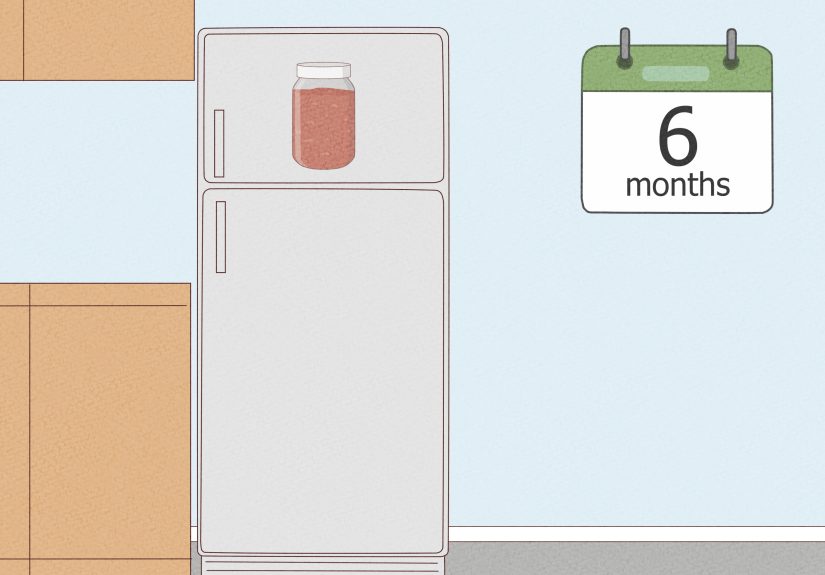
Yes, spaghetti sauce freezes very well. In fact, freezing is the smartest move if you know you will not use the sauce within a few days. Most tomato-based and meat sauces keep good quality in the freezer for about 3 months, though frozen food kept at 0°F remains safe longer if continuously frozen. Quality may decline over time, but safety is mainly protected by consistent freezing.
How to Freeze Spaghetti Sauce
- Cool the sauce quickly after cooking.
- Portion it into meal-size servings.
- Use freezer-safe containers or heavy-duty freezer bags.
- Leave a little room for expansion.
- Label with the date and sauce type.
- Freeze within 3 to 4 days of cooking or opening.
Freezing sauce in small portions is especially useful. A single-cup portion can rescue a lonely bowl of pasta, a quick meatball sandwich, or a homemade pizza that began as “I have no food” and ended as “actually, I am a genius.”
How to Thaw Frozen Sauce
The safest way to thaw spaghetti sauce is in the refrigerator overnight. You can also reheat it from frozen on the stove over low heat, stirring often. If using the microwave, stir during heating so the sauce warms evenly. Reheated leftovers should reach 165°F, and sauces, soups, and gravies should be brought to a boil when reheated.
Can You Reheat Spaghetti Sauce More Than Once?
Technically, leftovers can be reheated more than once if they are handled safely each time, but quality drops and risk increases with every round of heating, cooling, and reheating. The better method is to reheat only the portion you plan to eat.
For example, if you have a quart of marinara in the fridge, do not warm the entire container just to use half a cup. Scoop out what you need with a clean spoon, reheat that portion, and return the rest to the fridge immediately. This keeps the main batch colder and fresher.
Does Jarred Sauce Last Longer Than Homemade Sauce?
Before opening, jarred spaghetti sauce can last a long time in the pantry because it has been commercially processed and sealed. But once opened, it is no longer shelf-stable. It should be refrigerated and used within the time recommended on the label, often around 3 to 5 days.
Homemade sauce may not last as long because it lacks commercial processing. Even if it tastes fresher and better, it should still be treated like cooked leftovers. That means a shorter fridge window and a strong case for freezing extra portions.
What About Spaghetti Already Mixed With Sauce?
Cooked spaghetti mixed with sauce should usually be eaten within 3 to 4 days. The pasta itself adds moisture and starch, and if meat or cheese is involved, the leftover becomes more perishable. Store sauced pasta in an airtight container and reheat it until steaming hot.
If possible, store pasta and sauce separately. Separate storage helps the pasta avoid becoming mushy and lets you reheat only what you need. It also gives you more meal options. Today it is spaghetti. Tomorrow it might be baked ziti. The sauce is versatile; the noodles are just trying their best.
Common Mistakes That Make Spaghetti Sauce Spoil Faster
Leaving Sauce Out Too Long
The biggest mistake is forgetting sauce on the counter or stove. Refrigerate it within 2 hours. If it sat out overnight, throw it away. Reheating does not reliably fix food that has spent too long in the danger zone.
Putting a Giant Hot Pot Straight Into the Fridge
A huge pot of hot sauce can warm the refrigerator and cool too slowly. Divide it into smaller containers first. This helps the sauce chill faster and protects the other food in your fridge.
Trusting the Expiration Date After Opening
The date printed on a jar usually applies to unopened sauce. Once opened, the clock changes. If a jar says it is good until next year, that does not mean the opened jar in your fridge gets a one-year vacation.
Scraping Mold Off the Top
If you see mold, discard the sauce. Mold can spread below the surface, especially in moist foods. Scraping off the fuzzy spot is not enough.
Practical Examples: Should You Keep It or Toss It?
Example 1: Opened Marinara, Day 4
If the jar has been refrigerated the whole time, smells normal, and was handled with clean utensils, it is probably still within the safe window. Use it soon and heat it thoroughly.
Example 2: Homemade Meat Sauce, Day 5
This is a toss. Meat sauce is best within 3 to 4 days. By day 5, the risk is higher, even if it looks fine.
Example 3: Sauce Left Out Overnight
Throw it away. It does not matter if it was expensive, organic, imported, or made with tomatoes that had a better childhood than you did. Overnight at room temperature is too long.
Example 4: Frozen Sauce From Two Months Ago
That sauce is likely still in good shape if it was frozen promptly and stored properly. Thaw it safely, reheat thoroughly, and enjoy your freezer victory.
of Real-Life Experience: What Actually Happens in the Kitchen
In real life, spaghetti sauce rarely enters the refrigerator under perfect laboratory conditions. It usually happens after dinner, when everyone is full, the sink looks like a tiny dish mountain, and someone says, “Should we save the sauce?” The answer is yes, but only if you save it correctly. From experience, the easiest way to avoid fridge confusion is to label the container before you put it away. A strip of masking tape and a marker can save you from playing “Guess That Sauce” four days later.
One of the most common household habits is keeping opened jars of spaghetti sauce far longer than recommended. Many people open a jar on Monday, use a little on pasta, then forget it behind the pickles until the following week. The sauce might look fine at first glance, but once it has been opened, exposed to air, and scooped into, it is no longer the same protected product it was on the store shelf. This is why a simple date label works so well. Write “opened Monday” on the lid, and suddenly the jar has accountability.
Another practical lesson: small containers beat big containers every time. If you make a huge pot of Sunday sauce, do not store it all in one giant tub unless you plan to feed a marching band. Divide it into two-cup portions. Keep one in the fridge for the next few days and freeze the rest. This makes weeknight cooking much easier. A frozen portion of sauce can turn plain pasta, roasted vegetables, meatballs, or even a toasted roll into a fast meal. Future you will feel like someone meal-prepped. Surprise: it was past you, wearing pajama pants.
Meat sauce deserves extra caution. In many kitchens, it is the sauce people are most tempted to keep because it took more effort. Ground beef, sausage, onions, tomatoes, herbs, and simmering time all feel like an investment. But effort does not extend shelf life. If anything, meat sauce should be treated more carefully. Cool it quickly, refrigerate it promptly, and use it within 3 to 4 days. If you know you will not eat it by then, freeze it on day one or day two while it still tastes fresh.
Repeated reheating is another sneaky quality killer. The sauce gets thicker, saltier, and sometimes slightly scorched, especially if reheated in a saucepan without enough stirring. A better habit is to reheat only what you need. Scoop a serving into a small pan or microwave-safe bowl, heat it thoroughly, and leave the rest cold. This keeps the main container safer and helps the sauce taste better later.
Finally, trust your timeline more than your optimism. Everyone wants the sauce to still be good because nobody enjoys throwing away food. But when a sauce is past its safe window, smells odd, has mold, or comes with a mysterious history, tossing it is the wise choice. Food safety is not glamorous, but neither is spending the night regretting a bowl of spaghetti. A good rule for real kitchens is simple: label it, chill it, use it within a few days, or freeze it before the fridge turns it into a dare.
Conclusion: So, How Long Will Spaghetti Sauce Keep in the Fridge?
Most spaghetti sauce will keep in the fridge for 3 to 5 days, but the safest timeline depends on the sauce. Homemade sauce and meat sauce should usually be used within 3 to 4 days. Opened jarred tomato sauce may last around 3 to 5 days when stored properly. Cream-based sauces should also be eaten sooner rather than later.
The best way to keep spaghetti sauce safe is to refrigerate it within 2 hours, store it in a clean airtight container, keep your fridge at 40°F or below, and freeze any sauce you will not use quickly. When in doubt, throw it out. Spaghetti night should end with happy leftovers, not a food-safety detective story.