Table of Contents >> Show >> Hide
- Why Emoticons and Smileys Still Matter on Facebook
- Way 1: Use Facebook’s Built-In Emoji and Reaction Tools
- Way 2: Use Your Device’s Emoji Keyboard
- Way 3: Use Classic Text Smileys and Emoticons
- Best Practices for Using Emoticons and Smileys on Facebook
- Troubleshooting: What to Do If Emojis Are Not Working
- Real-World Experiences With Facebook Emoticons and Smileys
- Final Thoughts
- SEO Tags
Facebook may be many things—a social network, a family reunion, a neighborhood bulletin board, and occasionally a place where someone argues with a raccoon video—but it is also one of the easiest places to communicate with emojis, emoticons, and smileys. If plain text feels a little too serious, a well-placed grin, wink, or laughing face can make your meaning clearer, friendlier, and much more human.
The good news is that you do not need to be a tech wizard, keyboard ninja, or emoji archaeologist to make it happen. There are three simple ways to use emoticons and smileys on Facebook: Facebook’s built-in emoji tools, your device’s emoji keyboard, and classic text-based smileys. Each method is quick, beginner-friendly, and useful in different situations.
In this guide, you will learn exactly how to use emoticons and smileys on Facebook, where each method works best, and how to avoid overdoing it. Because yes, there is such a thing as sending twelve crying-laughing faces when one would have done the job just fine.
Why Emoticons and Smileys Still Matter on Facebook
Before we get into the how-to, let’s talk about the why. Emojis and smileys are tiny, but they do a surprisingly big job. They add tone to your posts and comments, soften awkward wording, show support quickly, and make casual conversation feel more natural. A simple smile can turn a short comment from “That’s nice” into “That’s nice, and I am definitely not being sarcastic.”
On Facebook, they are especially useful because the platform mixes so many types of communication in one place. You might be posting a status update, replying to a cousin in the comments, reacting to a friend’s story, or chatting in Messenger. Different tools work better in different places, which is why knowing all three methods gives you more flexibility.
Way 1: Use Facebook’s Built-In Emoji and Reaction Tools
This is the easiest way for most people. Facebook already includes emoji menus, reaction buttons, and message reactions in many parts of the platform. If you can see a smiley icon, a sticker icon, or a reaction row, Facebook is practically begging you to add a little personality.
How to Add Emojis to a Facebook Post
When you create a post, Facebook usually gives you a built-in emoji option right in the post composer. Start a new post, click or tap into the text area, and look for the smiley face icon. Open it, browse the available emojis, and select the ones you want. You can place them at the beginning of a post, inside a sentence, or at the end for emphasis.
For example, instead of posting:
Just finished my first 5K.
You could post:
Just finished my first 5K! 🏃♀️🎉
Same message, but the second one has energy. It sounds like you crossed the finish line instead of slowly wandering into the parking lot.
How to Add Emojis to Comments
Comment sections are one of the most common places to use Facebook smileys. Click into the comment box under a post, then look for the smiley face icon near the text field. Select your emoji and it will be inserted into the comment. You can use one by itself or combine it with text.
Examples:
- So cute! 😍
- You crushed it 👏
- I needed this laugh today 😂
If you want to keep things extra visual, Facebook may also let you comment with a sticker. That can be fun, but use stickers carefully. A sticker can be hilarious with close friends and slightly unhinged in your neighborhood buy-and-sell group.
How to Use Reactions on Posts and Comments
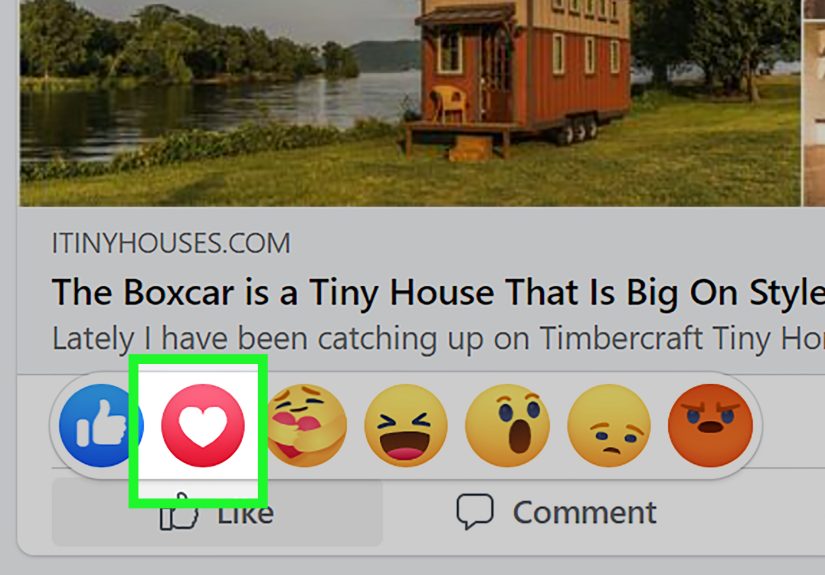
Reactions are the quick-response version of emoticons on Facebook. Instead of typing out a comment, you can choose a reaction from the Like button area. On mobile, this usually means pressing and holding the Like button. On other versions of Facebook, the reaction menu appears from the Like control so you can choose the one that fits best.
This is perfect when you want to acknowledge something without writing a full comment. For example:
- Use a heart reaction for happy news.
- Use a laughing reaction for a funny meme.
- Use a supportive reaction for a difficult update from a friend.
It is fast, simple, and socially efficient. Basically, it is the digital equivalent of nodding with excellent emotional range.
How to React With Emojis in Messenger
Messenger also makes emoji use easy. In a chat, press and hold a message to react with an emoji. This is helpful when you want to respond without sending a whole new message. Maybe someone says they are running late. Maybe your friend sends a selfie. Maybe your sibling shares a truly questionable recipe. A quick emoji reaction keeps the conversation moving.
You can also customize your Messenger reaction set or change the quick reaction emoji in some chats, which is handy if your friend group uses one emoji constantly. If your group’s default reaction is the skull emoji because “I’m dead” is your shared love language, Messenger can often accommodate that.
How to Use Emoji Reactions on Facebook Stories
If you are watching a friend’s Facebook story, you can usually react with an emoji directly from the story screen. This is one of the fastest ways to respond because it sends a clear emotional cue without demanding a big conversation. It works especially well for vacation photos, pet videos, birthdays, and those mysterious story posts that are just a sunset and a song lyric.
Way 2: Use Your Device’s Emoji Keyboard
If Facebook’s built-in emoji menu is not showing up, or you simply want faster access, use your phone or computer’s emoji keyboard. This method works not just on Facebook but almost anywhere you can type.
On Windows
If you are using Facebook on a Windows computer, click into any text field on Facebook—like a post, comment, or Messenger chat—and press Windows key + period or Windows key + semicolon. The emoji panel should open. From there, choose the emoji you want and insert it directly into your text.
This is especially handy when you want to add emojis without hunting for Facebook’s own menu. It is quick, clean, and feels slightly powerful, like discovering a secret door in a house you have lived in for years.
On Mac
On a Mac, click into the Facebook text field and press Control + Command + Space. That opens the Character Viewer, where you can browse emoji and other symbols. On some current Mac setups, Fn + E can also bring up emoji tools.
If you are writing a longer post and want to search for a specific emoji—like “party,” “heart,” or “laughing”—the Mac emoji viewer makes that very easy.
On iPhone and iPad
On iPhone or iPad, make sure the emoji keyboard is enabled in your keyboard settings. Once it is turned on, open Facebook, tap into a text field, and switch to the emoji keyboard using the emoji or globe key. Then tap the emoji you want to insert.
This works beautifully for comments, posts, captions, and chats. It is also the easiest method for people who already use emojis in text messages, because the process feels exactly the same.
On Android
On Android, most users rely on Gboard or another on-screen keyboard. Tap into a Facebook text field, tap the emoji button on the keyboard, and choose your emoji. If you use Gboard, you can often search for emojis by keyword, which saves time when you know what you want but do not feel like scrolling through thirty-seven facial expressions that all look vaguely cheerful.
This method is ideal when Facebook’s built-in options feel limited or when you want access to your full emoji selection right from the keyboard.
When the Device Keyboard Method Is Best
Use your device keyboard when:
- You do not see Facebook’s smiley icon.
- You want faster typing on mobile.
- You are switching between apps and want a consistent emoji tool.
- You want access to recently used emojis and search options.
If Facebook’s built-in emoji menu is the front door, your device keyboard is the side entrance with easier parking.
Way 3: Use Classic Text Smileys and Emoticons
Now for the old-school method. Before today’s colorful emoji libraries took over the internet, people used keyboard characters to make faces. These text-based smileys still work great on Facebook, especially if you want a casual, retro vibe or you are typing quickly from memory.
Popular Facebook Smileys You Can Type
- 🙂 = happy
- 😀 = laughing or excited
- 😉 = wink
- 🙁 = sad or disappointed
- 😛 = playful
- <3 = heart or love
- :/ = unsure or awkward
These may not always convert into graphic emoji on every screen or every version of Facebook, but they are widely understood as text smileys. And honestly, there is something charming about them. A typed 😉 has the energy of the early internet and a person who still remembers when everyone customized their profile page with way too much enthusiasm.
Why Text Smileys Still Work
Classic emoticons are useful because they are fast, universal, and lightweight. You do not need to open a menu or switch keyboards. Just type them into a comment or message and keep going.
They are especially helpful when:
- You are on a desktop and want speed.
- You are keeping things simple.
- You want a more subtle tone than a giant colorful emoji.
- You enjoy the tiny thrill of typing 🙂 like it is still 2009.
Best Practices for Using Emoticons and Smileys on Facebook
Match the Emoji to the Moment
A laughing face on a funny meme makes sense. A laughing face under someone’s serious life update? Absolutely not. Context matters. Use emojis to support your message, not sabotage it.
Do Not Overload Every Sentence
One or two emojis can make a post feel lively. Ten in a row can make it feel like your keyboard slipped on a banana peel. Use them like seasoning, not like a whole bottle of hot sauce.
Know Your Audience
Your best friend may appreciate a dramatic string of skulls, sparkles, and crying faces. Your boss, aunt, or local community group may prefer something a little calmer. Facebook is a mixed crowd, so read the room before you decorate the room.
Use Reactions When You Want to Be Quick
If a full comment feels unnecessary, a reaction is often the perfect middle ground. It shows you engaged without forcing you to write “So true!” for the sixth time that day.
Keep Accessibility in Mind
If you are writing an important post, do not let emojis replace your actual meaning. Some people use screen readers, and others may interpret visual symbols differently. Emojis are great helpers, but plain words should still carry the main message.
Troubleshooting: What to Do If Emojis Are Not Working
If you cannot find emojis on Facebook, try these fixes:
- Refresh the page or restart the Facebook app.
- Update your app or browser.
- Use your phone or computer’s built-in emoji keyboard instead.
- Make sure the emoji keyboard is enabled in your device settings.
- Try Messenger or the Facebook app instead of mobile browser view if a feature seems limited.
Most emoji problems are not dramatic. They are usually just a missing keyboard setting, an outdated app, or Facebook having one of its mysterious little moods.
Real-World Experiences With Facebook Emoticons and Smileys
Anyone who uses Facebook regularly has probably learned the unwritten rules of emojis through trial and error. And by “trial and error,” I mean “sending something slightly embarrassing and then staring at the screen like it betrayed you.”
For example, a lot of people start with reactions because they feel safer. Hitting a heart or laughing reaction takes one second, and there is less pressure than writing a comment. It is perfect for busy days when you want to acknowledge a friend’s post but do not have the mental energy to write a thoughtful paragraph about their banana bread, baby announcement, or spontaneous trip to Arizona.
Then there is the comment section experience. This is where emojis can either shine or spiral. A simple Looks amazing 😍 under a vacation photo feels warm and natural. But a comment loaded with seven flames, three hearts, two rockets, and one random peach can make people pause and wonder whether your phone became self-aware.
Messenger is where many users become truly comfortable with emoji reactions. Instead of replying “haha,” “got it,” or “love this” again and again, they react directly to the message. It speeds up conversation and adds emotional nuance. People often find that a thumbs-up can feel efficient, a heart can feel supportive, and a laughing reaction can keep chat threads light. In group chats especially, reactions prevent the conversation from becoming a cluttered pile of one-word replies.
Older users often prefer classic smileys like 🙂 and 😉 because they are easy to remember and feel natural on a keyboard. Younger users may lean more heavily on the device emoji keyboard because it is already built into how they text. What is interesting is that both approaches still work. Facebook is one of the few places online where old-school text emoticons and modern emoji tools can coexist peacefully, like two generations agreeing on a dessert menu.
There are also practical experiences that teach people what not to do. Many users discover that tone matters fast. A wink can seem playful in one conversation and passive-aggressive in another. A crying-laughing face can be hilarious with friends and wildly inappropriate in serious discussions. Over time, people get better at choosing symbols that match the mood instead of hijacking it.
Another common experience is realizing that device keyboards are often faster than Facebook’s built-in picker. Once someone learns the Windows or Mac shortcut, or gets used to the emoji key on mobile, they tend to use it everywhere. It becomes muscle memory. Suddenly, adding a smiley to a Facebook post feels as normal as adding punctuation.
In the end, the best Facebook emoji experience is not about using the most symbols. It is about using the right one at the right time. A single well-placed emoji can make your message friendlier, clearer, and more memorable. That is the real trick. Not more emojis. Better emojis.
Final Thoughts
If you want to use emoticons and smileys on Facebook, you really only need three methods: Facebook’s built-in emoji and reaction tools, your device’s emoji keyboard, and classic text smileys. Together, they cover just about every situation, from casual comments to Messenger chats to story reactions.
Start simple. Try a smiley in a comment, a reaction on a post, or an emoji in your next status update. Once you get comfortable, you will find your own style. Maybe you are a one-emoji minimalist. Maybe you are a tasteful sparkle person. Maybe you are loyal to 🙂 forever. Whatever your approach, Facebook gives you plenty of ways to say more with less.
And that, in the world of social media, is a beautiful little superpower.