Table of Contents >> Show >> Hide
- What Is the Lamella Wall / Ceiling Light?
- The Design Story: Mushroom Gills Meet Danish Craft
- Key Features of the Lamella Wall / Ceiling Light
- Where the Lamella Wall / Ceiling Light Works Best
- Lighting Performance: What to Expect
- How to Style the Lamella Wall / Ceiling Light
- Lamella vs. a Standard Flush Mount
- Buying Tips Before You Choose Lamella
- Maintenance and Care
- Real-Life Experience: Living With a Lamella Wall / Ceiling Light
- Conclusion
- SEO Tags
Note: This publication-ready article is written in standard American English and is based on current product information, design context, lighting best practices, and real-world interior styling considerations for the Lamella Wall / Ceiling Light.
The Lamella Wall / Ceiling Light is the kind of fixture that proves lighting does not have to shout to get noticed. It does not swing dramatically over a dining table like a chandelier in a period drama. It does not blast a room with the energy of a supermarket aisle. Instead, it glows softly, folds beautifully, and quietly turns a wall or ceiling into a design moment. In other words, it is the lighting equivalent of someone who walks into a room wearing perfect linen and somehow makes everyone else rethink their outfit.
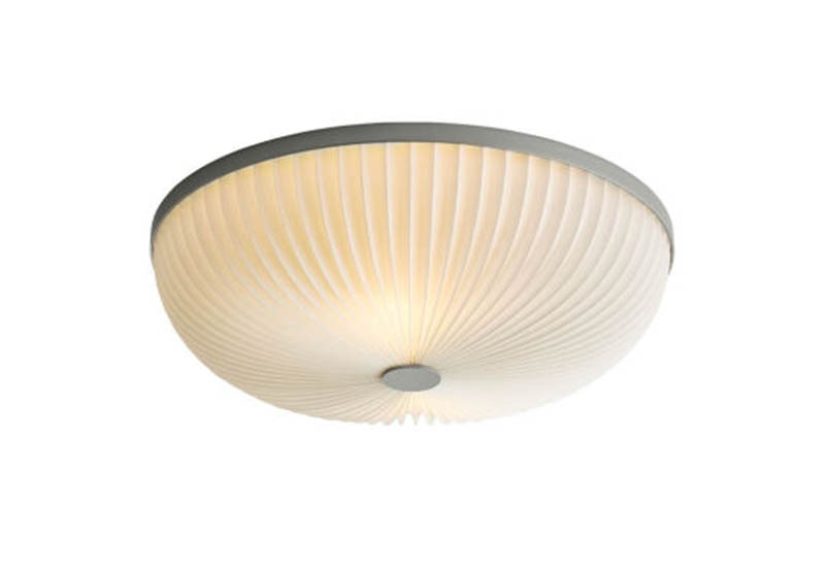
Designed for Le Klint by Takagi & Homstvedt, the Lamella series takes its inspiration from the underside of a mushroom cap, where thin layered ribs are known as lamellae. That sounds extremely botanical for a lamp, but it makes perfect sense when you see the fixture. The shade has a delicate, pleated structure that feels organic, architectural, and Scandinavian all at once. It is clean but not cold, sculptural but not fussy, and practical without looking like it came from the “basic flush mount” aisle of regret.
As both a wall light and a ceiling light, Lamella is especially useful in modern homes where flexibility matters. It can brighten a hallway, soften a bedroom, add charm beside a bed, elevate a staircase, or provide ambient light in a living room. The design is simple enough to blend in but distinctive enough to make guests ask, “Where did you get that?” which is basically the unofficial gold medal of home decor.
What Is the Lamella Wall / Ceiling Light?
The Lamella Wall / Ceiling Light is a decorative flush-mounted fixture from Danish lighting brand Le Klint. It is commonly listed as the Le Klint 235 Lamella in the smaller size and the Le Klint 236 Lamella in the larger size. The fixture is designed to work on either a ceiling or a wall, giving homeowners and designers more freedom than a traditional single-purpose light.
The smaller version measures approximately 35 cm in diameter with a height of about 12 cm, while the larger version measures approximately 50 cm in diameter with a height of about 13 cm. In U.S. listings, the larger model is often shown around 19.69 inches wide by 19.69 inches high by 5.12 inches deep. Depending on the market and retailer, the fixture may be shown with brushed aluminum, silver, gold, or golden-toned metal details.
The shade is made from a white pleated material, often described as plastic foil or standard foil, combined with metal details. The overall effect is soft, diffused, and elegant. It is not a spotlight. It is not meant to interrogate your furniture. Its job is to spread light gently and make the room feel calmer, warmer, and more intentional.
The Design Story: Mushroom Gills Meet Danish Craft
The name “Lamella” comes from biology. On the underside of many mushrooms, lamellae are the fine rib-like structures that radiate from the center. Takagi & Homstvedt translated that natural pattern into a pleated lighting design, creating a fixture that looks both mathematical and alive. The pleats are not random decoration; they are the entire personality of the lamp.
Le Klint is famous for hand-folded and pleated lampshades, a craft tradition that dates back to the company’s earliest history. The Lamella series connects that heritage with a more modern silhouette. Instead of a classic conical lampshade, the wall and ceiling model has a rounded, almost shell-like form cinched by a metal band. The result feels like a meeting between origami, Nordic minimalism, and a very stylish forest floor.
The Lamella Wall / Ceiling Light also uses the revived PLICA technique, an old production method associated with curved pleating. That is a key reason the lamp has such a smooth, flowing look. Many pleated shades are angular or sharply geometric, but Lamella has a softer rhythm. The folds feel structured without looking stiff.
Key Features of the Lamella Wall / Ceiling Light
1. Dual Wall and Ceiling Use
One of the biggest advantages of the Lamella fixture is its versatility. It can be mounted overhead as a ceiling light or vertically as a wall sconce. This makes it especially helpful for spaces where a pendant would hang too low or where a standard wall sconce might feel too narrow.
2. Soft Diffused Lighting
The pleated shade helps spread light gently across the room. Instead of a harsh beam, Lamella creates a soft ambient glow. This makes it well suited for bedrooms, hallways, living rooms, staircases, nurseries, and dining areas where comfort matters as much as visibility.
3. Sculptural Scandinavian Style
The design fits beautifully into Scandinavian, Japandi, modern organic, minimalist, and transitional interiors. It has enough texture to avoid looking plain, but its white shade and refined metal details keep it from overwhelming a room.
4. Two Practical Sizes
The 35 cm model is ideal for smaller rooms, narrow corridors, bedside wall placement, or compact entryways. The 50 cm model has more presence and works well in larger bedrooms, living spaces, stair landings, or dining areas with lower ceilings.
5. Elegant Finish Options
Brushed aluminum or silver-toned finishes give the lamp a crisp, contemporary look. Gold or golden-toned metal details create a warmer, slightly more decorative feel. Neither option is loud; even the gold version behaves itself nicely.
Where the Lamella Wall / Ceiling Light Works Best
The beauty of a wall and ceiling fixture is that it solves multiple lighting problems without demanding much physical space. Lamella is especially useful in homes where ceiling height is limited, furniture layouts are tight, or the room needs a soft visual focal point.
Bedroom
In a bedroom, Lamella can work as an overhead flush mount or as a pair of wall lights near the bed. The soft shade makes the room feel restful, especially when paired with warm LED bulbs. If your bedroom currently has a sad “landlord special” ceiling light, Lamella is a major upgrade. It says, “I have taste,” without also saying, “I hired a lighting consultant named Claude.”
Hallway
Hallways often suffer from boring lighting. A row of basic flush mounts can make even a lovely home feel like an office corridor. Lamella adds texture and warmth while staying close to the ceiling or wall. The smaller size works particularly well in narrow passageways.
Living Room
In a living room, Lamella is best used as ambient lighting rather than the only light source. Pair it with table lamps, floor lamps, or accent lighting to create layers. The fixture can also look beautiful on a large wall, where it becomes part light, part wall art.
Staircase
Mounted along a staircase wall, Lamella can create a soft rhythm of light. The pleated shade adds visual interest from different angles, which is useful in a vertical space where people see the fixture from below, above, and straight on.
Dining Area
If you have a low ceiling and cannot use a pendant over the dining table, the larger Lamella ceiling light is a strong alternative. It provides style without stealing headroom. Your tall guests will appreciate not having to duck under a dramatic pendant every time they reach for bread.
Lighting Performance: What to Expect
The Lamella Wall / Ceiling Light is primarily an ambient light fixture. It is meant to create overall mood and general illumination rather than intense task lighting. In many U.S. listings, the fixture is compatible with LED bulbs using a medium base, and some versions are shown with two bulbs. Exact bulb requirements may vary by market, so buyers should always check the retailer’s specification sheet before ordering.
For the best effect, warm white bulbs are usually the most flattering choice. A color temperature around 2700K to 3000K helps preserve the cozy, soft character of the shade. Cooler bulbs may make the fixture look sharper and more clinical, which is useful in some settings but less ideal if the goal is warmth and relaxation.
Dimming is also worth considering. A dimmable bulb and compatible wall dimmer allow Lamella to shift from practical brightness in the early evening to a low, atmospheric glow later at night. That flexibility matters because nobody wants the same lighting for folding laundry, hosting dinner, and pretending to read a book while actually scrolling on their phone.
How to Style the Lamella Wall / Ceiling Light
Because the Lamella light has a clean white shade and refined metal details, it is easy to style. The trick is to let its texture do the work. You do not need to surround it with overly decorative pieces. In fact, the lamp often looks best when paired with natural materials and simple forms.
Pair It With Natural Wood
Oak, walnut, ash, and light maple all work beautifully with Lamella. The organic inspiration of the fixture pairs naturally with wood grain, woven baskets, linen curtains, and ceramic decor. The combination feels calm and quietly expensive.
Use It in Japandi Interiors
Japandi style blends Japanese simplicity with Scandinavian warmth, and Lamella fits right in. Its pleated form echoes paper lanterns and origami, while the Danish design heritage keeps it grounded in Nordic minimalism.
Let the Finish Guide the Mood
Choose silver or brushed aluminum for a cleaner, cooler, more contemporary room. Choose gold for spaces that need a little warmth. The gold finish works especially well with beige walls, warm whites, terracotta accents, brass hardware, and darker woods.
Avoid Overcrowding the Wall
If you use Lamella as a wall light, give it room to breathe. Its circular shape and pleated surface need negative space around them. Too many nearby frames, shelves, or decorative objects can make the wall feel busy.
Lamella vs. a Standard Flush Mount
A standard flush mount usually exists to provide light and then disappear. That is fine in a closet, laundry room, or garage. But in visible living spaces, a basic fixture can flatten the room’s personality. Lamella does the opposite. It provides light while also adding shape, texture, and craftsmanship.
The difference is especially noticeable in low-ceiling rooms. Many homeowners assume a low ceiling means sacrificing style, but a sculptural flush mount can deliver impact without requiring vertical space. Lamella proves that “flush mount” does not have to mean “design compromise.” It can mean smart, elegant, and slightly smug in the best possible way.
Buying Tips Before You Choose Lamella
- Measure first: Use painter’s tape to mark the diameter on your wall or ceiling before choosing between 35 cm and 50 cm.
- Check bulb compatibility: Confirm the correct socket, wattage, voltage, and dimming requirements for your region and retailer.
- Choose the right finish: Silver feels crisp and modern; gold feels warmer and more decorative.
- Plan your lighting layers: Use Lamella for ambient light, then add task and accent lighting where needed.
- Hire a professional installer: Wall and ceiling hardwired fixtures should be installed safely and correctly.
Maintenance and Care
Like many pleated fixtures, Lamella looks delicate and should be treated with care. Dust can collect along the folds, so gentle cleaning is important. A soft feather duster, microfiber cloth, or low-suction vacuum brush can help keep the shade clean. Avoid harsh cleaners, soaking, or aggressive scrubbing. The goal is to remove dust, not train for an arm-wrestling tournament.
Because the fixture has a textured shade, regular light dusting is better than waiting until buildup becomes obvious. In a kitchen or high-humidity area, consider placement carefully. Although Lamella can look lovely in dining and living spaces, it is not the first choice for greasy or damp environments unless the product specifications clearly support that use.
Real-Life Experience: Living With a Lamella Wall / Ceiling Light
Experiencing the Lamella Wall / Ceiling Light in a home is different from simply seeing it in a product photo. Online, the lamp looks clean, sculptural, and attractive. In person, its real strength is how it changes throughout the day. When switched off, it behaves almost like a quiet wall sculpture. The pleats create small shadows, the round shape softens the architecture, and the fixture gives the room a finished look without needing to dominate the space.
In the evening, the personality changes. The shade diffuses the bulb’s brightness and turns it into a gentle glow. This is where Lamella makes the most sense. It is not trying to light every corner with maximum force. Instead, it creates atmosphere. In a bedroom, it can make the space feel calmer almost immediately. In a hallway, it can turn a simple pass-through area into something that feels considered. In a living room, it works best when combined with other lamps, creating a layered effect that feels comfortable and relaxed.
One of the most enjoyable things about the Lamella fixture is its ability to look good from more than one angle. Some wall lights look excellent straight on and awkward from the side. Lamella’s rounded form and central metal detail make it visually interesting whether you are walking past it, looking up at it, or seeing it from across the room. That matters in real homes, where people rarely stand perfectly centered in front of a fixture like they are evaluating it in a showroom.
The larger 50 cm version feels more like a statement piece. It is well suited to rooms where the ceiling light is part of the decor rather than an afterthought. The smaller 35 cm version is easier to use in multiples or in tighter spaces. If you are lighting a narrow hallway, compact bedroom, or small landing, the smaller size often feels more balanced. If you are working with a larger wall or a room with wider proportions, the larger model has the presence to hold its own.
Another practical experience is that bulb choice matters a lot. A warm LED bulb makes the fixture feel inviting and cozy. A cooler bulb can make it appear brighter but less intimate. A dimmer adds even more flexibility, especially in bedrooms and living areas. With dimming, Lamella can be functional during busy hours and atmospheric when the room shifts into evening mode. It is a fixture that rewards thoughtful setup.
The only real caution is that the pleated shade is part of the charm, so it also deserves care. Dusting the folds regularly keeps the lamp looking crisp. If you ignore it for months, the shade will politely collect dust and then make you regret your life choices on cleaning day. Fortunately, gentle maintenance is usually enough.
Overall, living with the Lamella Wall / Ceiling Light feels like adding a small piece of design heritage to everyday life. It is not flashy. It is not trendy in a way that will feel dated next season. It is soft, useful, and quietly artistic. For homeowners who want lighting with warmth, craftsmanship, and a little botanical poetry, Lamella is a fixture that earns its place.
Conclusion
The Lamella Wall / Ceiling Light is a beautiful example of how thoughtful lighting can transform a room without overwhelming it. Inspired by mushroom lamellae and shaped through Le Klint’s pleating tradition, it blends nature, craft, and modern Scandinavian design. Its dual wall-or-ceiling function makes it practical, while its soft diffused glow makes it inviting.
For bedrooms, hallways, staircases, dining areas, and living rooms, Lamella offers a refined alternative to ordinary flush mounts and basic sconces. It works especially well for homeowners who want a fixture that feels warm, sculptural, and timeless. Choose the size and finish carefully, pair it with warm LED bulbs, and give it space to shine. The result is lighting that feels less like a utility and more like a design decision you will be happy to look at every day.