Table of Contents >> Show >> Hide
- What Are Marmoleum Grey-dations Tiles?
- Why Choose Marmoleum Grey-dations Tiles?
- Design Ideas for Marmoleum Grey-dations Tiles
- Where Marmoleum Grey-dations Tiles Work Best
- Marmoleum vs. Vinyl: What Is the Difference?
- Installation Tips for Marmoleum Grey-dations Tiles
- How to Clean and Maintain Marmoleum Grey-dations Tiles
- Sustainability and Indoor Air Considerations
- Buying Tips: What to Check Before Ordering
- Common Mistakes to Avoid
- Experience Notes: Living with Marmoleum Grey-dations Tiles
- Conclusion
Grey flooring used to sound like the design equivalent of ordering plain oatmeal and calling it dinner. Practical? Yes. Thrilling? Not exactly. But Marmoleum Grey-dations Tiles prove that grey can be anything but boring. In the right room, grey linoleum tile can feel modern, calm, warm, architectural, playful, or quietly luxurious. It is the flooring version of a great white T-shirt: simple, flexible, and surprisingly good at making everything else look better.
Marmoleum, made by Forbo, is a modern linoleum flooring product known for its natural ingredients, durable surface finish, and wide design range. The Grey-dations concept highlights shades of grey that can support soft neutral rooms, bold accent colors, vintage-inspired interiors, and clean contemporary spaces. Whether you are renovating a kitchen, designing a bathroom, updating a hallway, or planning a light commercial interior, these grey Marmoleum tiles offer a stylish alternative to vinyl, ceramic, laminate, or basic sheet flooring.
This guide explores what Marmoleum Grey-dations Tiles are, why grey linoleum has become a design favorite, where these tiles work best, how to style them, and what to know before installation. We will also cover practical maintenance tips, sustainability considerations, and real-world experience from using grey Marmoleum-style flooring in everyday homes.
What Are Marmoleum Grey-dations Tiles?
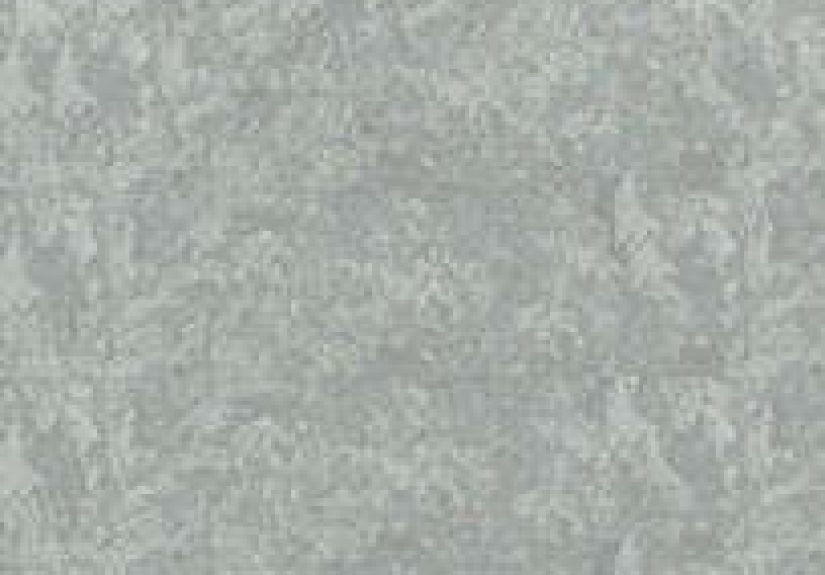
Marmoleum Grey-dations Tiles refer to grey-toned Marmoleum linoleum tiles associated with Forbo’s Marmoleum design family. The name “Grey-dations” plays on the idea of gradations: a spectrum of greys ranging from pale mist and stone grey to charcoal, graphite, and near-black. These tones can appear solid, marbled, speckled, or softly variegated depending on the specific Marmoleum collection and colorway.
Unlike synthetic vinyl flooring, Marmoleum is real linoleum. It is typically made from renewable and natural raw materials such as linseed oil, rosin binders, wood flour, limestone, pigments, and backing materials. That composition gives Marmoleum its distinctive feel: firm underfoot, matte rather than plasticky, and visually softer than many high-gloss resilient floors.
Why the Grey-dations Look Matters
Grey is one of the hardest-working colors in interior design. It can cool down warm wood cabinets, soften bright white walls, make colorful furniture pop, and create a calm background for busy family life. A grey Marmoleum tile floor can sit quietly in the background or become a design feature, depending on how the tiles are arranged.
For example, a pale grey tile can make a small kitchen feel brighter without the cleaning anxiety of pure white flooring. A charcoal grey tile can ground a bathroom with white subway tile. A mix of grey tones can create a checkerboard, stripe, border, or custom pattern without shouting, “I am trying very hard to be trendy.”
Why Choose Marmoleum Grey-dations Tiles?
The biggest advantage of Marmoleum Grey-dations Tiles is the combination of design flexibility and everyday practicality. They bring the benefits of modular flooring together with the warmth and authenticity of natural linoleum.
1. A Modern Neutral That Does Not Feel Cold
Grey flooring can sometimes look sterile, especially when paired with shiny finishes and icy lighting. Marmoleum has a softer, more organic surface, so grey shades tend to feel warmer and more approachable. Instead of looking like a parking garage floor, a well-chosen grey Marmoleum tile can resemble stone, concrete, slate, or a subtle woven textile.
This makes it a smart choice for Scandinavian-inspired kitchens, midcentury bathrooms, schoolhouse-style mudrooms, minimalist laundry rooms, and creative studios. It also works beautifully with natural wood, painted cabinets, brass hardware, matte black fixtures, and colorful wall art.
2. Modular Design Possibilities
Marmoleum tiles and planks allow more design freedom than a single sheet floor. Depending on the product line, designers can create checkerboards, running-bond layouts, borders, stripes, geometric blocks, or tone-on-tone patterns. Grey is especially useful because it can serve as either the main color or the supporting actor.
Imagine a kitchen with light grey field tiles and a darker grey border. Or a children’s playroom with soft grey tiles interrupted by yellow, blue, or green accent squares. In a boutique office, grey Marmoleum planks can be laid in a subtle linear pattern that looks professional but not lifeless. Modular flooring gives you room to be creative without committing to a circus floor. Unless you want a circus floor, in which case grey will still politely help organize the chaos.
3. Comfortable Underfoot
Compared with ceramic or porcelain tile, Marmoleum feels warmer and more forgiving underfoot. That matters in kitchens, laundry rooms, classrooms, studios, and other spaces where people stand for long periods. It is not as cushiony as cork or carpet, but it has a gentle resilience that makes daily use more pleasant.
For homeowners who love the clean look of tile but dislike cold, hard surfaces, grey Marmoleum tiles offer a useful middle ground. You get a neat, tailored appearance without the “why are my feet freezing?” morning routine.
Design Ideas for Marmoleum Grey-dations Tiles
The beauty of grey Marmoleum is that it can move between design styles with ease. Here are practical ways to use it in real rooms.
Grey and White for a Classic Kitchen
Pair light grey Marmoleum tiles with white cabinets, butcher block counters, and simple chrome or nickel hardware. The result feels fresh, clean, and timeless. A subtle grey floor also hides crumbs better than white flooring, which is important if your household includes toast, children, pets, or adults who claim they “never snack over the counter.”
Charcoal Grey for a Grounded Bathroom
Darker grey Marmoleum tiles can give bathrooms a strong foundation. Pair charcoal flooring with white wall tile, a vintage-style sink, and warm wood accents. The contrast feels crisp but not harsh. If the room is small, keep walls and shower curtains light so the darker floor feels intentional rather than cave-like.
Grey with Bright Accent Colors
One of grey’s best talents is making saturated colors look even better. A grey Marmoleum floor can support red dining chairs, teal cabinets, mustard shelving, or cobalt blue accessories. The grey keeps the palette controlled, so bold colors feel energetic instead of overwhelming.
Tone-on-Tone Grey Patterns
If you want pattern without visual noise, use two or three related grey tones. Try a checkerboard with soft grey and medium grey, a border in graphite, or a plank layout that alternates warm grey and cool grey. This strategy adds movement while staying sophisticated.
Where Marmoleum Grey-dations Tiles Work Best
Marmoleum tiles are suitable for many residential and commercial spaces, but thoughtful placement matters. Like any flooring material, they perform best when matched to the right room and installed correctly.
Kitchens
Kitchens are one of the best places for grey Marmoleum tiles. The material is comfortable for standing, the grey palette handles daily messes gracefully, and the modular format allows creative layouts. Light to medium grey tones are especially useful in busy kitchens because they conceal minor dust better than very dark or very light floors.
Bathrooms and Powder Rooms
Marmoleum can work in bathrooms when installed carefully and maintained properly, but moisture management is important. Edges, seams, and subfloors need attention. For powder rooms, half baths, and well-ventilated bathrooms, grey Marmoleum tiles can be a stylish alternative to ceramic tile. In wet rooms or areas with frequent standing water, consult product guidelines and an experienced installer before committing.
Mudrooms and Entryways
Grey tiles are excellent in entry areas because they disguise dirt better than pale floors and look more refined than many utility surfaces. Add a proper walk-off mat at exterior doors to reduce grit, because grit is basically tiny sandpaper wearing shoes.
Home Offices and Studios
Grey Marmoleum creates a calm, productive backdrop for workspaces. It pairs nicely with metal desks, wood shelving, plants, and task lighting. Creative studios can use grey as a flexible base for colorful materials, art supplies, and rotating projects.
Schools, Clinics, and Light Commercial Spaces
Marmoleum has long been used in institutional and commercial interiors because of its durability, cleanability, and design range. Grey-dation tones are particularly useful in public spaces because they look professional, hide everyday wear, and coordinate with many wall colors and furniture systems.
Marmoleum vs. Vinyl: What Is the Difference?
Many people use “linoleum” and “vinyl” as if they are the same thing, but they are different flooring categories. Vinyl is a synthetic plastic-based flooring product, while real linoleum is made largely from natural raw materials. Marmoleum is Forbo’s linoleum brand, and it is often chosen by homeowners and designers who want resilient flooring with a more natural material story.
Vinyl can offer excellent water resistance and a wide range of printed visuals, including wood and stone looks. Marmoleum, on the other hand, has color and pattern integrated into the material rather than simply printed on top in the same way many vinyl products are. It also has a distinctive matte, natural appearance that many people prefer in design-forward homes.
The better choice depends on your room, budget, moisture conditions, design goals, and maintenance expectations. For a laundry room with frequent water spills, vinyl may be more forgiving. For a kitchen, studio, classroom, or hallway where sustainability and natural character matter, Marmoleum Grey-dations Tiles are a strong contender.
Installation Tips for Marmoleum Grey-dations Tiles
Good flooring is only as good as the installation underneath it. Marmoleum tiles need a flat, clean, dry, and stable subfloor. Imperfections may show through over time, especially with resilient flooring. If the subfloor is uneven, dusty, damp, or poorly prepared, even the prettiest grey tile can start acting like a drama queen.
Plan the Layout Before Adhesive
Dry-lay tiles before installation to check color balance, pattern direction, borders, and cuts. This is especially important with grey gradations because undertones can shift in different lighting. A tile that looks warm grey in the box may appear cooler beside white cabinets or north-facing windows.
Use the Right Adhesive and Tools
Follow the manufacturer’s current installation guidelines for adhesive type, trowel size, rolling, open time, and seam treatment. Do not guess. Flooring adhesive is not a place for creative improvisation, unless your creative vision includes curled corners and regret.
Consider Professional Installation
Experienced DIYers may be able to install some modular flooring products, but glue-down Marmoleum tile installation benefits from skill. Professional installers understand subfloor preparation, adhesive behavior, tile acclimation, and finishing details. For kitchens, bathrooms, and commercial spaces, professional installation is usually worth considering.
How to Clean and Maintain Marmoleum Grey-dations Tiles
Marmoleum is designed for easy maintenance, but “easy” does not mean “ignore it until it files a complaint.” Regular care protects the surface and keeps grey tiles looking intentional rather than tired.
Daily and Weekly Care
Sweep, dust mop, or vacuum regularly to remove grit. Damp mop with a neutral pH cleaner recommended for linoleum flooring. Avoid harsh alkaline cleaners, abrasive pads, excessive water, and products that leave sticky residues. Sticky residue attracts dirt, and then the floor looks dirty again approximately three minutes after you cleaned it. Nobody needs that kind of emotional roller coaster.
Protect High-Traffic Areas
Use walk-off mats near entrances, felt pads under furniture, and protective glides on chair legs. In home offices, choose a chair mat or soft casters if your rolling chair gets heavy use. Grey hides many sins, but it cannot perform miracles against daily grinding grit.
Deal with Spills Promptly
Wipe spills as soon as practical. Marmoleum is durable, but standing water and neglected stains are never ideal for resilient flooring. In kitchens and bathrooms, pay attention to areas near sinks, dishwashers, tubs, and pet bowls.
Sustainability and Indoor Air Considerations
One reason Marmoleum remains popular among eco-conscious designers is its material composition. Real linoleum has a long history as a resilient flooring made from natural ingredients. Marmoleum products are often promoted for their renewable content, biobased certifications, and low-emission performance, depending on the specific product and market.
For homeowners, this means Marmoleum Grey-dations Tiles can be part of a healthier-materials design strategy. However, the entire flooring system matters: adhesive, subfloor preparation, cleaning products, ventilation, and maintenance all influence indoor air quality. Choosing a low-emission floor is helpful, but using the wrong cleaner afterward is like buying organic vegetables and deep-frying them in mystery oil.
Buying Tips: What to Check Before Ordering
Because product lines, color names, and availability can change, treat “Grey-dations” as a design direction as much as a product label. Before ordering, confirm current Forbo Marmoleum color numbers, tile sizes, finish, installation method, lead time, and warranty details with an authorized retailer or flooring professional.
Ask for Physical Samples
Never choose grey flooring from a screen alone. Monitors lie. Lighting lies. Even your phone camera lies, though it does it with confidence. Order samples and view them in the actual room during morning, afternoon, and evening light.
Compare Undertones
Grey can lean blue, green, beige, brown, or purple. A cool grey may look sharp with white cabinets but clash with cream walls. A warm grey may flatter wood tones but look muddy beside blue tile. Put samples next to cabinets, counters, paint chips, rugs, and furniture before making a final choice.
Order Extra Material
Order extra tiles for cuts, mistakes, and future repairs. Modular flooring has an advantage here: if a tile is damaged later, replacement may be easier than repairing a full sheet floor. Keep leftover tiles flat and stored safely.
Common Mistakes to Avoid
The first mistake is choosing a grey that is too dark for a small, poorly lit room. Dark grey can be beautiful, but it needs enough light and contrast. The second mistake is ignoring subfloor preparation. Resilient flooring rewards patience before installation and punishes shortcuts afterward. The third mistake is using harsh cleaners that dull or damage the finish.
Another common mistake is creating a room that is grey from floor to ceiling without texture, warmth, or contrast. Grey flooring looks best when balanced with wood, textiles, greenery, warm metals, art, or layered lighting. Otherwise, your room may start to feel like the inside of a filing cabinet.
Experience Notes: Living with Marmoleum Grey-dations Tiles
After working with grey Marmoleum-style flooring in real interiors, the biggest surprise is how adaptable it feels once installed. A small sample may look quiet, but across a whole room the floor develops personality. Light grey tiles can brighten a kitchen without creating the sterile feel of glossy white surfaces. Medium grey tiles are the true problem-solvers: they hide dust reasonably well, pair with almost every cabinet finish, and do not dominate the room. Dark grey tiles are the mood-makers, especially in bathrooms, studios, and entryways where contrast adds drama.
In one kitchen-style example, a soft grey Marmoleum tile floor paired with white cabinets, walnut shelves, and a simple black pendant light created a space that felt clean but not cold. The homeowner originally worried the grey would look too commercial. Instead, the matte surface made the room feel relaxed and lived-in. The floor did not fight with patterned dish towels, colorful ceramics, or changing seasonal decor. That is one of grey’s underrated talents: it lets people change their mind about everything else.
In a mudroom scenario, medium grey tiles proved practical because they handled footprints, backpacks, dog traffic, and the daily parade of “I only stepped in one tiny puddle” excuses. The room still needed regular sweeping, of course, but the grey pattern was forgiving. A darker solid floor might have shown dust more clearly, while a pale floor would have advertised every speck of dirt like breaking news. The mid-grey option created a realistic balance between style and sanity.
Bathrooms are where grey Marmoleum can look especially charming, particularly in vintage-inspired designs. Paired with white wall tile, a canvas shower curtain, polished chrome, and a simple mirror, grey flooring creates a schoolhouse look that feels classic rather than themed. The key lesson is to manage moisture carefully. Bath mats should be breathable and cleaned often, spills should be wiped up, and ventilation matters. Marmoleum is tough, but no floor appreciates being treated like a swimming pool.
Another experience worth noting is how much lighting changes grey. In warm afternoon light, a grey tile can look soft and almost taupe. Under cool LED lighting, the same tile may appear sharper and bluer. This is why physical samples are non-negotiable. Tape them to the floor, live with them for a few days, and look at them when the room is messy. A floor that still looks good beside laundry baskets, cereal crumbs, and real-life clutter is usually a keeper.
Maintenance is straightforward when the routine is simple. The best results come from regular dust removal, a neutral cleaner, and avoiding products that promise an instant shine. Marmoleum’s natural, matte character is part of its appeal. Trying to force it into a glossy plastic look defeats the purpose. In high-traffic spaces, entrance mats and furniture pads make a noticeable difference. The floor ages better when dirt is stopped at the door instead of dragged across the surface.
The most satisfying part of using Marmoleum Grey-dations Tiles is their quiet confidence. They are not the loudest design choice in the room, but they make cabinets, walls, furniture, and fixtures look more intentional. They work with modern design, old-house charm, creative color palettes, and practical family spaces. For anyone who wants flooring that is stylish, durable, more natural than standard vinyl, and flexible enough to survive changing tastes, grey Marmoleum tiles deserve serious consideration.
Conclusion
Marmoleum Grey-dations Tiles are a smart flooring choice for homeowners, designers, and remodelers who want a neutral surface with more character than basic grey vinyl and more comfort than cold ceramic tile. Their appeal comes from the balance of natural linoleum composition, modular design flexibility, practical maintenance, and a grey palette that can move from soft and subtle to bold and architectural.
The best results come from choosing the right grey undertone, testing samples in your actual space, preparing the subfloor properly, and maintaining the surface with gentle, manufacturer-appropriate care. Whether used in a kitchen, bath, mudroom, studio, or light commercial interior, Marmoleum Grey-dations Tiles can create a floor that feels calm, stylish, and genuinely useful. In other words, grey finally gets to be the interesting one.