Table of Contents >> Show >> Hide
- Who Is the Woman at the Center of the Firestorm?
- Why the Resurfaced Clip Hit So Hard
- The Interview Opened the Door, but the Debate Was Already Waiting
- Why the Mormon Angle Became So Central
- The Real Source of Public Concern: Agency, Labor, and Performance
- Hannah Neeleman’s Pushback Matters Too
- What This Story Says About the Tradwife Economy
- Shared Experiences Around This Debate: Why So Many Viewers Felt It in Their Gut
- Conclusion
- SEO Tags
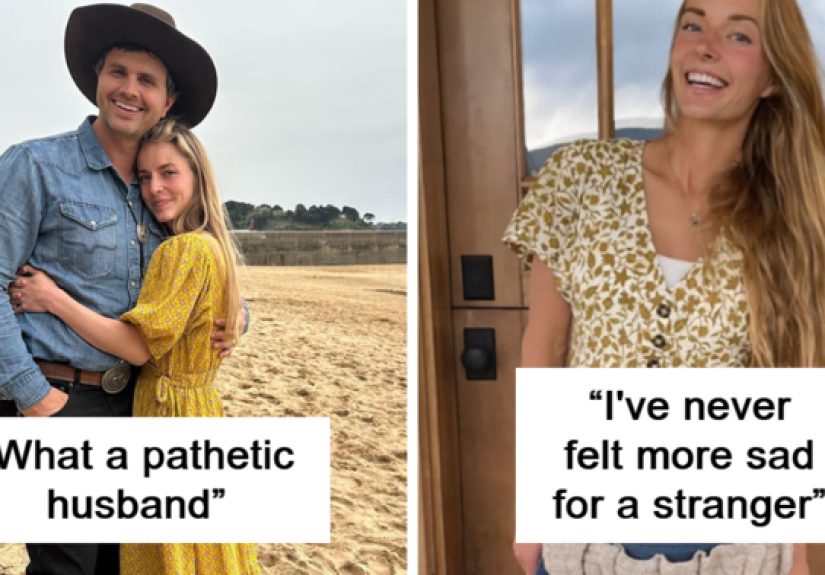
One resurfaced birthday clip. One very public profile. One internet that absolutely refuses to keep calm when an apron appears where a Greek vacation was apparently hoped for. That, in a nutshell, is how Hannah Neeleman of Ballerina Farm became the center of a culture-war cyclone that was never really just about farm life, homemaking, or even one gift. It became a debate about gender roles, faith, class, performance, ambition, and the impossible burden of looking “effortlessly traditional” on social media.
The controversy exploded after a profile in The Sunday Times reignited scrutiny of Neeleman’s highly curated online persona. Soon afterward, an older video resurfaced showing her opening a birthday gift from her husband, Daniel Neeleman. She joked that she was hoping for tickets to Greece. Instead, the box revealed an egg apron for collecting eggs on the farm. Viewers saw the clip, paired it with the interview, and reacted as if they had stumbled into a domestic drama disguised as rustic content. Hannah later pushed back on the narrative, saying she had been portrayed as oppressed when that was not how she saw her life or marriage.
Who Is the Woman at the Center of the Firestorm?
Hannah Neeleman is not just another influencer with a ring light and a sourdough starter. She is a Juilliard-trained ballerina, a business owner, a pageant titleholder, and the woman behind Ballerina Farm, the hugely popular lifestyle brand and social media account built around farm life, home cooking, motherhood, and polished rural aesthetics. She is also a member of The Church of Jesus Christ of Latter-day Saints, which helps explain why some coverage immediately framed her as a “Mormon trad-wife,” even though she has repeatedly resisted being reduced to that label.
That distinction matters. Hannah has said she does not necessarily identify with the “tradwife” label, even if parts of a traditional family structure resonate with her. In later coverage, she described herself and her husband as co-parents, co-CEOs, co-decision makers, and yes, co-diaper changers. That response did not end the debate. If anything, it made the story more interesting, because the internet tends to get suspicious whenever a public figure insists the viral interpretation missed the point.
Why the Resurfaced Clip Hit So Hard
On paper, the clip sounds almost too small to matter. A husband gives his wife an apron with pockets for eggs. She smiles, jokes about Greece, and tries it on. Roll credits. Except that context is everything online. The video resurfaced after a widely discussed profile had already primed audiences to examine Hannah’s marriage, workload, and public image through a more skeptical lens. So viewers did not see a quirky farm gift. They saw symbolism. And the internet loves symbolism the way raccoons love shiny objects.
For critics, the apron clip looked like a perfect visual summary of the imbalance they believed the interview hinted at: a woman associated with beauty, discipline, and once-global artistic ambition receiving yet another object tied to labor, service, and domestic performance. Business Insider’s broader reporting on Ballerina Farm added another accelerant to the reaction by highlighting the family’s wealth and the gap between the romantic “simple life” aesthetic and the financial privilege that helps sustain it. That gap made the clip feel, to many viewers, less homespun and more loaded.
In other words, people were not really arguing about fabric with pockets. They were arguing about what the apron represented: unpaid labor, aestheticized femininity, invisible exhaustion, and the longstanding suspicion that some of the internet’s most wholesome content is also its most ideologically slippery.
The Interview Opened the Door, but the Debate Was Already Waiting
The resurfaced clip only became explosive because the public had already been primed by a bigger conversation about the “tradwife” trend. Parents has described the tradwife model as different from simply being a stay-at-home mom: it is often framed as a principled embrace of old-fashioned gender roles rather than just a practical childcare arrangement. TIME went even further, arguing that the trend does not merely borrow from a nostalgic vision of the past; it carries a deeper ideological history tied to conservative ideas about marriage, authority, and women’s roles.
That is why Hannah Neeleman’s content lands in such a charged space. Her videos are visually soothing and commercially savvy, but they also intersect with a broader online movement that critics say glamorizes submission, domestic hierarchy, and a selective memory of history. Even when a creator resists the label, the aesthetic can still do the cultural work. Soft lighting, homemade butter, babies on hips, farm dresses, and endless labor presented as fulfillment alone do not stay neutral once they hit a social feed already flooded with debates about feminism, religion, and reactionary gender politics.
Why the Mormon Angle Became So Central
The word “Mormon” in headlines does a lot of work, sometimes too much. Neeleman’s membership in The Church of Jesus Christ of Latter-day Saints is real, and faith-based ideals about marriage and family are part of the backdrop. Official church teaching emphasizes that marriage between a man and a woman is central to God’s plan and that children are meant to be raised in such families. Pew’s research has also found that Latter-day Saints in the United States are more likely than the general public to be married and to have larger families on average.
But flattening every Latter-day Saint woman into a single stereotype is lazy analysis. Pew’s more recent research shows that majorities across religious groups say women’s increased participation in the paid labor force is a change for the better. Meanwhile, Utah coverage from Deseret News and the Salt Lake Tribune has emphasized that Hannah’s public identity is more complicated than the “tradwife” tag suggests. She is part homemaker, part entrepreneur, part influencer, part symbol, and those pieces do not always sit neatly together.
So yes, religion matters here. But it matters as one layer in a much messier story, not as a magic decoder ring.
The Real Source of Public Concern: Agency, Labor, and Performance
What unsettled viewers most was not just the possibility that Hannah works hard. Plenty of people work hard. What unsettled them was the suspicion that her life was being packaged as effortless, ideal, and universally aspirational when it may actually depend on a punishing amount of labor, substantial resources, and a carefully managed narrative. The Cut captured this tension well by arguing that influencer life is brand storytelling, not raw documentary truth. That observation may sound obvious, but audiences still react strongly when a polished fantasy suddenly shows seams.
There is also the labor question. Tradwife imagery often makes domestic work look sacred, sensual, beautiful, and calm. What it rarely shows is how relentless that work can be. Former tradwives and people raised in highly traditional households have described the emotional and practical toll of gender systems that prescribe women’s purpose in advance. Vox has reported on how the tradwife idea often leaves women’s autonomy under pressure, while People published an interview with a former tradwife who described the uglier reality behind the aesthetic. Put simply: viewers saw the apron and thought less about whimsy than about workload.
Then there is the performance problem. Social media turns domestic life into public theater. Once that happens, every pie crust, every baby announcement, every farm chore, and every birthday gift becomes part of an ongoing script. The audience does not just watch; it interprets. That means a creator can post one smiling clip and still trigger a thousand essays’ worth of concern, projection, admiration, resentment, and armchair sociology before lunch.
Hannah Neeleman’s Pushback Matters Too
Any honest analysis has to acknowledge that Hannah herself rejected the most alarming version of the story. She said the profile made her look oppressed and her husband look like the culprit, which she said was false. She has emphasized that she and Daniel built a business together and share family responsibilities. Later coverage continued to show her resisting the easiest internet shorthand, saying parts of the tradwife framing fit and other parts do not.
That response does not erase why people were concerned, but it does complicate the usual internet script. Public concern can be sincere and still be incomplete. Viewers can notice red flags and still project too much. A woman can defend her life and still be operating within structures outsiders find troubling. Social media rarely rewards that kind of uncomfortable middle ground, but this story lives there. It lives in contradiction. And contradiction, while bad for easy headlines, is usually where real life hangs out.
What This Story Says About the Tradwife Economy
The broader lesson is not that every woman who bakes bread on camera is secretly trapped, nor that every critic is merely bitter. The lesson is that tradwife-adjacent content has become a powerful business model because it sells several fantasies at once: domestic order, maternal competence, beauty without visible burnout, spirituality without overt preaching, and simplicity without obvious sacrifice. It packages care work as meaning, then monetizes the package.
Vox has pointed out that tradwife discourse also leaves a strange void around men. The “trad husband” is often far less visible, even though the model depends on him economically and ideologically. That imbalance helps explain why the resurfaced clip produced such a sharp response. The gift appeared to symbolize a system in which the woman’s role is endlessly aestheticized while the man’s role remains less examined, less performative, and often more protected from critique.
Shared Experiences Around This Debate: Why So Many Viewers Felt It in Their Gut
One reason the Ballerina Farm controversy lingered is that it tapped into experiences many people already carry around, even if they have never milked a cow in their lives. A lot of women recognized the feeling of having their labor treated as natural rather than extraordinary. They saw a birthday clip and instantly translated it into a language they knew: wanting rest, romance, or recognition and receiving another tool for work instead. That is why the reaction was so emotional. It was not just about Hannah; it was about memory.
For mothers, especially, the story hit a familiar nerve. Social media is full of glowing tributes to maternal sacrifice, but much of daily caregiving still goes unseen, repetitive, and under-celebrated. Viewers who have lived through burnout could easily project themselves into the moment, reading the apron not as a cute farm accessory but as one more reminder that domestic excellence is often rewarded with more domestic expectation. The details may have been unique, yet the emotional pattern felt very ordinary.
Others experienced something more like class whiplash. The Ballerina Farm brand sells rustic effort and hand-crafted abundance, but reporting has also highlighted the family’s significant advantages. That creates a powerful cognitive dissonance for audiences who are trying to pay rent, afford groceries, and survive childcare costs while being told, visually, that the good life is just a matter of making more pasta from scratch. When privilege dresses up as purity, people notice. Maybe not immediately, but eventually. The internet always circles back with a flashlight.
There is also a religious and cultural shorthand at work. For some viewers, the phrase “Mormon trad-wife” triggered assumptions about patriarchy, submission, and highly structured family life. For others, especially people familiar with Latter-day Saint communities, the coverage felt reductive or unfair. That split helps explain why the discourse was so chaotic. Many were not arguing over the same question. Some were asking whether the lifestyle was oppressive. Others were asking whether the media was distorting it. And still others were reacting to the broader political symbolism of tradwife content, regardless of what Hannah personally intended.
Young women brought yet another layer to the conversation. Tradwife content often arrives online as comfort food for the eyes: pretty dresses, warm kitchens, babies, bread, flowers, order. But behind the softness is a sharper question about adulthood itself. Is ambition making people miserable? Is opting out a form of freedom or surrender? Is domesticity empowering when chosen, or limiting when idealized? That ambiguity is part of the appeal and part of the danger. It lets viewers see either liberation or regression, depending on what they fear most.
Finally, many viewers simply recognized the internet’s oldest trick in a fresh dress and apron: take a complicated life, flatten it into a symbol, and then ask millions of strangers to solve it. That is not a flaw unique to this controversy. It is the machine working as designed. The Ballerina Farm debate spread because it offered everything social platforms reward: beauty, tension, moral stakes, ambiguity, class anxiety, gender politics, and a prop so memorable even people who never comment online suddenly had opinions about egg storage. If that sounds ridiculous, well, welcome to modern media. Ridiculous and revealing are roommates now.
Conclusion
The resurfaced clip involving Hannah Neeleman did not trigger widespread concern because people are incapable of taking a joke or because the internet hates homemakers. It triggered concern because it appeared at the exact intersection of faith, femininity, class, labor, and online branding. The gift itself was small. The meaning people attached to it was enormous.
That is why this story remains sticky. To supporters, Hannah represents a woman building a family, a business, and a beautiful life on her own terms. To critics, she represents the monetized glamor of domestic inequality disguised as aspiration. To most observers, she is probably neither cartoon villain nor helpless symbol. She is a public figure whose carefully curated image collided with an audience primed to question what polished “traditional” womanhood is really selling.
And that may be the most useful takeaway of all: whenever social media offers a life that looks impossibly serene, it is worth asking not only who benefits from the image, but what labor, money, belief system, and storytelling discipline make that serenity possible. Sometimes the answer is harmless. Sometimes it is unsettling. Usually, it is both.