Table of Contents >> Show >> Hide
- Al Roker Has Always Been More Than a Forecast Guy
- Why Weather Hunters Makes So Much Sense
- The Real Secret: He Is Translating Weather, Not Just Teaching It
- From Morning TV Icon to Cross-Generational Science Guide
- Why This Matters in American Culture Right Now
- The Experience of Watching Al Roker Reach a New Generation
- The Forecast for Al Roker’s Next Act
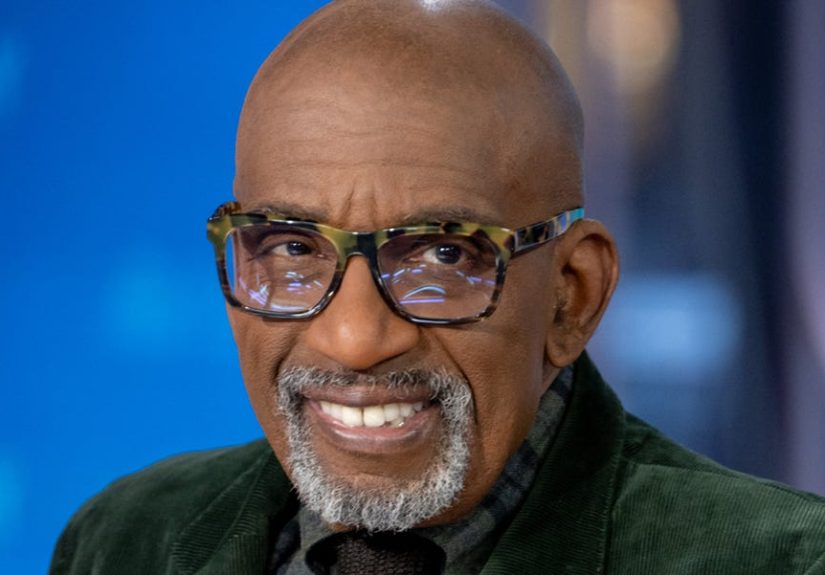
For decades, Al Roker has done something that looks simple until you try it yourself: he makes weather feel personal without making it boring, urgent without making it unbearable, and scientific without sounding like a textbook in a bow tie. That is not a small trick. In American television, plenty of people have delivered forecasts. Very few have turned weather into a daily relationship.
That is why Roker’s latest chapter feels bigger than a side project. He is not just standing in front of a map and telling adults whether they need an umbrella. He is taking everything he has learned from years of broadcast weather, climate storytelling, community reporting, and family-friendly television and turning it toward kids. In other words, Al Roker is doing what smart communicators do when they’ve mastered one audience: he is building the bridge to the next one.
That bridge has a name now: Weather Hunters. The PBS Kids series is designed for children ages 5 to 8 and follows Lily Hunter, a weather-curious kid who explores the science of storms, clouds, wind, seasons, and the environment with her family. The tone is playful, the structure is approachable, and the mission is clear. Roker is taking weather out of the grown-up news bucket and placing it where it has always belonged for children: in the category of wonder.
Al Roker Has Always Been More Than a Forecast Guy
Calling Al Roker a “weatherman” is accurate, but it is also a little like calling a great chef “someone who heats food.” True, technically. Complete, not even close.
Roker permanently joined Today in 1996, stepping into a role that could have trapped a lesser broadcaster in routine. Instead, he turned it into something looser, warmer, and more elastic. He became a weather anchor, feature reporter, cultural fixture, occasional ringmaster, and the kind of steady TV presence viewers feel they know even if they have never met him. Morning television is crowded with noise, but Roker has long known how to cut through it. He informs, yes. He also translates. He knows that viewers do not just want to hear that a cold front is moving in. They want to know what it means for school drop-off, travel plans, safety, and the shape of the day.
That skill matters even more now. Weather is no longer a harmless small-talk topic most of the time. It is a source of fascination, anxiety, disruption, and very real consequence. Extreme heat, violent storms, flooding, wild swings in seasonal patterns, and climate questions have changed the way Americans think about the atmosphere over their heads. Roker has been part of that shift for years, helping make weather coverage more serious without stripping it of humanity.
One reason he has remained relevant is that he understands a truth many broadcasters miss: people learn best when they do not feel lectured. He has spent years making data digestible. That same instinct is at the heart of his newer work. He is not abandoning grown-up weather coverage. He is extending its logic. If adults need help understanding the forecast, kids definitely deserve their own version too.
Why Weather Hunters Makes So Much Sense
If you had to build a children’s STEM show around a topic that touches nearly every kid in America, weather would be hard to beat. It is visible, weird, immediate, and sometimes gloriously dramatic. A dinosaur fossil is cool, but it is not happening above your driveway right now. A thunderstorm is. A rainbow is. Fog is. Wind is. A child does not need a lab to notice weather. They just need a window and a question.
That accessibility is exactly what makes Weather Hunters such a natural fit for PBS Kids and for Roker himself. The show blends adventure, comedy, family dynamics, and science, creating a format that lets children engage with meteorology and basic Earth science without feeling as if they have accidentally wandered into a classroom during summer break.
The central family also gives the concept emotional traction. Lily Hunter is the lead investigator, but the show is built around shared curiosity. Her family explores weather together, which is a smart creative decision and an even smarter educational one. Children rarely learn in neat little silos. They learn in conversation with parents, siblings, teachers, and the adults around them. By turning weather into a family activity, the show tells kids that science is not some faraway elite thing reserved for specialists in lab coats. It is part of daily life.
Even better, the series does not appear interested in treating weather as either totally terrifying or totally trivial. That balance matters. Kids today see clips of hurricanes, fire weather, blizzards, strange cloud formations, and viral weather footage online before many adults have had coffee. They are curious, but they can also be overwhelmed. Roker’s approach is to demystify weather without draining it of awe. That is a smart educational lane: explain the thing, respect the feelings, keep the wonder.
The Real Secret: He Is Translating Weather, Not Just Teaching It
There is a big difference between teaching weather facts and teaching kids how to think about weather. Roker seems interested in the second path, which is the better one.
Lots of educational content can tell children what humidity is or how clouds form. The stronger material helps them notice patterns, ask better questions, and connect science to lived experience. Why are the leaves moving like that? Why does the sky look different today? Why do adults keep talking about preparing for storms before they arrive? Why does one place get snow while another gets rain? These are not just science questions. They are observational questions. They build habits of attention.
That habit may be the most valuable thing Roker is passing on. Weather literacy is not just cute trivia for future science fair champions. It is practical knowledge. It helps children become calmer, more informed, and more capable. It also gives parents a language for talking about preparedness without spiraling into doom. A family can discuss flashlights, rain gear, heat safety, hurricane plans, or thunderstorm awareness in a way that feels proactive rather than panicked.
And that is where Roker’s TV experience becomes a secret weapon. He has covered the emotional side of weather for years. He knows forecasts are not abstract. They affect livelihoods, routines, homes, travel, and peace of mind. When he brings that understanding to a children’s series, the result is not just STEM content. It is emotional translation. It tells young viewers: yes, weather can be serious, but it is something you can understand, prepare for, and talk about.
From Morning TV Icon to Cross-Generational Science Guide
Roker’s move into children’s programming does not feel random. It feels like the next logical sentence in a very long paragraph.
Part of what makes him effective is that he has always had range. He can do the forecast, crack a joke, handle a human-interest story, cover a major weather event, and still sound recognizably like himself. That consistency has made him one of the most trusted faces on morning television. Trust, once earned, is portable. It travels.
Now it is traveling into children’s media. That matters because young audiences do not just need content. They need guides. And parents tend to notice when the person guiding their child feels steady, informed, and genuinely interested in the subject. Roker checks those boxes with unusual ease.
It also helps that Weather Hunters is rooted in things he has openly cared about for years: animation, family, weather, climate, and communication. This is not some celebrity cash-in where a famous face gets stapled onto a concept developed in a conference room by people who have never met a real child. The project reflects Roker’s long-standing love of animation and his interest in making science engaging. That sincerity comes through.
His Legacy Is Expanding, Not Ending
In early 2026, Roker marked 30 years on Today, a milestone that says a lot in an industry not exactly famous for handing out long careers like Halloween candy. Around the same period, the National Academy of Television Arts & Sciences recognized him with a Lifetime Achievement honor at the 2025 News & Documentary Emmy Awards. Those are the kinds of markers that usually trigger retirement whispers, nostalgia montages, and enough soft-focus clips to power three documentaries.
But Roker’s current arc does not read like a farewell tour. It reads like expansion. He still clearly values the daily work, and his public comments around legacy suggest a broadcaster more interested in usefulness than self-mythology. That makes his pivot toward younger audiences even more compelling. He is not merely protecting a legacy. He is multiplying it.
That multiplication shows up in the growing Weather Hunters universe as well. Children’s books tied to the series are on the way, extending the brand from screen time to reading time. That may sound small, but it is not. When a media idea moves successfully across TV and books, it becomes part of a child’s broader ecosystem of learning. Suddenly weather is not just something on the morning news. It is a story, a game, a bedtime read, a family conversation, and maybe the first step toward a deeper interest in science.
Why This Matters in American Culture Right Now
There was a time when weather coverage mostly sat in the corner of television as a useful but limited service. Those days are gone. Weather now overlaps with public safety, education, infrastructure, climate awareness, and household decision-making. In that environment, the person who can explain weather clearly is doing more than broadcasting. He is building public understanding.
Roker has been doing that for adults for years, and now he is bringing that same gift to children at exactly the right time. Kids are growing up in a world where weather headlines are more frequent, more intense, and more emotionally loaded. Giving them vocabulary, context, and curiosity is not fluff. It is preparation.
There is also something culturally powerful about the show’s representation. A Black family at the center of a weather-and-science series on PBS Kids is not just nice optics. It broadens the picture of who belongs in STEM, who gets to ask scientific questions, and who gets to lead the adventure. That kind of visibility matters, especially for young children who are still deciding what kinds of futures feel open to them.
And let’s be honest: if you can convince a child that clouds, wind shifts, humidity, and storm prep are interesting, you have performed a kind of sorcery. Good sorcery, but sorcery nonetheless.
The Experience of Watching Al Roker Reach a New Generation
One of the most interesting experiences tied to this moment is how familiar it feels to adults and how fresh it feels to kids at the same time. For longtime viewers, Al Roker is already part of the furniture of American mornings in the best possible way. He is the guy who has been there through snow days, storm tracks, heat waves, Thanksgiving parades, laughs on the plaza, and those strange in-between moments when news and everyday life collide. Many adults do not remember “discovering” Al Roker because he has simply always been there.
Children, however, meet him differently. They are not encountering him as a legacy broadcaster first. They are meeting him through a story world built for them. That changes everything. To a child watching Weather Hunters, he is not a decades-long TV institution carrying the history of morning television on his shoulders. He is a weather-loving grown-up in a family adventure who helps make sense of the sky. That is a cleaner, more direct entry point.
There is something genuinely moving about that handoff. Parents and grandparents may know Roker from Today, while children know him from PBS Kids. The adults bring trust; the kids bring curiosity. Suddenly weather becomes a shared subject across age groups. A grandparent can talk about the forecast. A child can talk about why leaves move before the wind picks up. A parent can turn a rainy afternoon into a conversation about clouds instead of a complaint about canceled plans. In an era when families often consume different media in different rooms on different screens, that kind of overlap is rare and valuable.
The educational experience matters too. Children often respond best when learning feels tied to real life rather than abstract instruction. Weather has that built-in advantage. You can watch an episode about wind, then step outside and feel it. You can hear about fog, then spot it on the way to school. You can discuss storm preparedness, then help gather flashlights and batteries at home. That makes the learning sticky. It stays with kids because it immediately connects to what they see.
Roker has also described experiences with children asking surprisingly sophisticated weather questions, including about unusual phenomena many adults barely understand. That says a lot about the current generation. Kids are absorbing more visual information about the natural world than ever before. They are seeing clips of storms, wild weather, and climate-related events online at very young ages. What they need is not less curiosity. They need better interpretation. Roker seems to understand that instinctively.
And perhaps that is the deepest experience attached to this story: reassurance without condescension. He is not telling children to stop worrying and let the grown-ups handle it. He is inviting them into the conversation. Learn this. Notice that. Ask why. Be prepared. Stay curious. Do it together. That is an unusually respectful message for children’s media, and it fits Roker’s public persona perfectly.
For adults, watching him make this shift feels a little like watching a favorite teacher open a new classroom next door. Same voice. Same warmth. Same gift for explanation. New students. New format. Same mission: help people understand the world a little better before they head out into it.
The Forecast for Al Roker’s Next Act
If the last several years have shown anything, it is that Al Roker’s influence was never limited to standing beside a weather map. His real talent has always been broader. He takes a topic everyone lives under but not everyone understands and makes it feel manageable, human, and even joyful.
Now he is doing that for a new generation, one episode, one weather mystery, and one curious child at a time. That is not a brand extension. It is a cultural extension.
And in a media landscape full of loud personalities competing to sound important, there is something refreshing about a broadcaster whose message is basically this: look up, pay attention, ask questions, learn the science, take care of each other, and maybe pack a light jacket just in case.
Honestly, that might be the healthiest forecast on television.