Table of Contents >> Show >> Hide
- What Is Wet AMD?
- Why Wet AMD Risk Matters
- Main Risk Factors for Wet AMD
- Wet AMD Symptoms You Should Not Ignore
- How Wet AMD Is Diagnosed
- Benefits of Wet AMD Treatment
- Common Wet AMD Treatment Options
- Risks and Side Effects of Treatment
- What Happens If Wet AMD Is Not Treated?
- Can Wet AMD Be Prevented?
- Living With Wet AMD
- Patient-Style Experiences: What Wet AMD Treatment Can Feel Like
- Conclusion
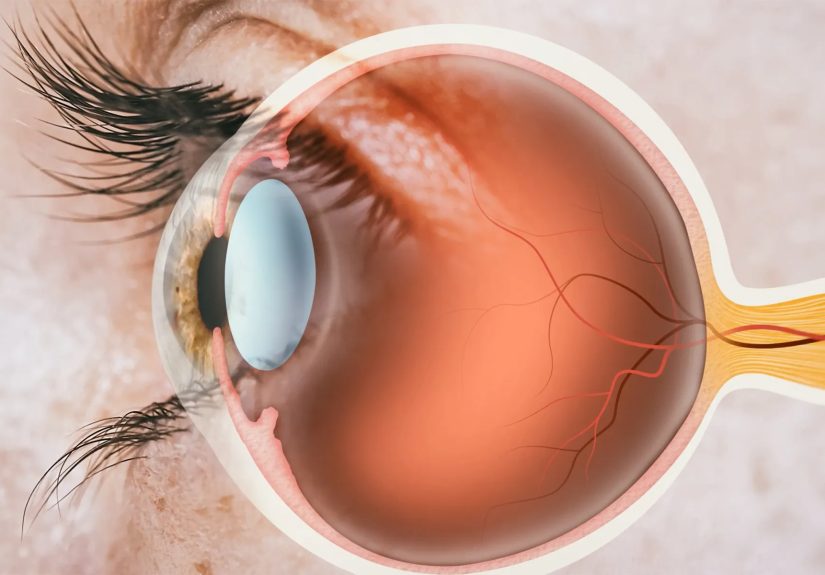
Wet age-related macular degeneration, often shortened to wet AMD, is one of those eye conditions that sounds small until it starts interfering with the everyday things people love: reading a menu, recognizing a neighbor across the street, following subtitles, threading a needle, or seeing the face of a grandchild clearly. It affects the macula, the central part of the retina responsible for sharp, detailed vision. When wet AMD develops, abnormal blood vessels grow under the retina and may leak fluid or blood. The result can be blurry, distorted, or missing central vision.
The good news is that wet AMD is not the hopeless diagnosis it once was. Today, treatment can slow vision loss, stabilize sight, and in some cases help people regain some lost vision. The catch? Timing matters. Wet AMD can progress quickly, so early diagnosis and consistent treatment are the superheroes of this storycape optional, retina specialist required.
This guide explains wet AMD risk factors, warning signs, treatment options, benefits, limitations, and real-life experiences that help make the topic easier to understand.
What Is Wet AMD?
Age-related macular degeneration is a disease that damages the macula. AMD has two major forms: dry AMD and wet AMD. Dry AMD is more common and usually progresses slowly. Wet AMD is less common but more aggressive. It typically begins in someone who already has dry AMD, then changes when fragile, abnormal blood vessels begin growing beneath the retina.
These new vessels are not exactly model citizens. They can leak fluid, bleed, and create swelling or scarring in the macula. Because the macula handles central vision, wet AMD affects activities that require fine visual detail. Peripheral vision usually remains, which means wet AMD does not typically cause total blindness. However, central vision loss can still be life-changing.
Why Wet AMD Risk Matters
Understanding wet AMD risk is important because many people do not notice early AMD. The condition may quietly develop before obvious symptoms appear. By the time straight lines look wavy or a dark spot appears in the center of vision, the disease may already be active.
Risk awareness does not mean living in fear of every blurry moment. Sometimes blurry vision is just dry eyes, tired eyes, or the heroic aftermath of staring at a laptop for too long. But if a person is older, has a family history of AMD, smokes, or already has dry AMD, changes in central vision should be taken seriously.
Main Risk Factors for Wet AMD
Age
Age is one of the strongest risk factors for AMD. The condition becomes more common after age 50 and risk continues to rise with age. The retina, like the rest of the body, has a long résumé by later adulthood. Over time, changes in retinal cells, blood vessels, and waste-clearing processes can increase vulnerability to macular damage.
Family History and Genetics
AMD can run in families. Having a parent or sibling with age-related macular degeneration increases risk. Genetics are not destiny, but they are a helpful warning label. A person with family history should be more intentional about regular comprehensive dilated eye exams, especially after midlife.
Smoking
Smoking is one of the most important modifiable risk factors for AMD. Tobacco smoke increases oxidative stress, harms blood vessels, and may interfere with the delicate tissue environment that supports the retina. Quitting smoking cannot guarantee prevention, but it is one of the strongest lifestyle moves a person can make for eye health.
High Blood Pressure, High Cholesterol, and Heart Disease
The eyes depend on healthy blood flow. Conditions such as hypertension, high cholesterol, and cardiovascular disease may increase AMD risk or contribute to progression. Managing these conditions is not only good for the heart; it may also help protect the retina. Your eyes, apparently, are very interested in your annual physical.
Race and Ethnicity
AMD is more common in white adults than in some other racial and ethnic groups. This does not mean other groups are immune. Anyone can develop AMD, and vision changes deserve evaluation regardless of background.
Diet and Nutritional Status
A diet low in protective nutrients may contribute to risk. Leafy greens, colorful vegetables, fruits, fish, nuts, and foods rich in antioxidants support overall eye health. For certain people with intermediate AMD, AREDS2 supplements may help slow progression to advanced AMD, but they are not a substitute for treatment once wet AMD develops.
Obesity and Lifestyle Factors
Obesity, low physical activity, and poor overall metabolic health may raise the chance that AMD progresses. A healthy weight, regular exercise, and good control of chronic conditions can support long-term vision health. No single salad will save the macula, but consistent habits can matter.
Wet AMD Symptoms You Should Not Ignore
Wet AMD symptoms often appear suddenly and can worsen quickly. Common warning signs include:
- Straight lines appearing wavy, bent, or distorted
- Blurry central vision
- A dark, gray, or empty spot near the center of vision
- Difficulty reading printed words
- Trouble recognizing faces
- Needing brighter light for close-up tasks
- Difficulty adjusting to dim environments
- Colors appearing less vivid
One practical home tool is the Amsler grid, a simple square grid used to notice distortion or missing areas in central vision. It is not a replacement for an eye exam, but it can help people monitor changes between appointments. If lines suddenly look warped, blank, or broken, the right move is not to squint harder and hope for the best. It is to call an eye care professional promptly.
How Wet AMD Is Diagnosed
Wet AMD is diagnosed through a comprehensive eye exam. An eye doctor may dilate the pupils to examine the retina and macula. Imaging tests are also commonly used. Optical coherence tomography, often called OCT, creates detailed cross-sectional images of the retina and can show fluid or swelling. Fluorescein angiography or other retinal imaging may help identify leaking blood vessels.
Diagnosis is especially important because treatment decisions depend on what is happening inside the eye. Two people may both have wet AMD, yet their treatment schedule, medication choice, and monitoring plan may differ.
Benefits of Wet AMD Treatment
Treatment Can Slow Vision Loss
The biggest benefit of wet AMD treatment is slowing disease progression. Without treatment, wet AMD can lead to severe central vision loss. Modern therapies target the abnormal blood vessel growth and leakage that drive the disease. For many patients, treatment helps protect the vision they still have.
Treatment Can Stabilize Vision
Anti-VEGF injections are the main treatment for wet AMD. VEGF stands for vascular endothelial growth factor, a protein involved in blood vessel growth. In wet AMD, too much VEGF activity encourages abnormal vessels to grow and leak. Anti-VEGF medicines block this process. Many people experience stabilization, meaning vision stops getting worse or declines more slowly.
Some People Regain Vision
Early treatment may help some patients recover part of the vision they lost. The amount of improvement varies. Some people notice clearer reading vision; others mainly avoid further decline. Either way, preserving useful central vision can have a major effect on independence and quality of life.
Treatment Helps Maintain Daily Function
Vision is deeply connected to daily life. Stabilizing wet AMD may help people continue reading, cooking, using a phone, watching TV, managing medications, recognizing faces, and moving around with more confidence. Treatment is not just about letters on an eye chart. It is about staying connected to the practical and emotional details of life.
Common Wet AMD Treatment Options
Anti-VEGF Injections
Anti-VEGF injections are considered the first-line treatment for wet AMD. Medicines used may include aflibercept, ranibizumab, bevacizumab, brolucizumab, or faricimab, depending on the eye specialist’s recommendation and the patient’s situation. These medicines are injected into the eye after numbing drops and cleaning steps are used to reduce discomfort and infection risk.
The idea of an eye injection sounds dramatic. In real life, many patients say the anticipation is worse than the actual procedure. The injection is usually quick, and the eye is numbed beforehand. Some irritation, tearing, or a scratchy feeling afterward can happen, but the process is often more manageable than people expect.
Treatment Schedules
Wet AMD treatment usually requires repeated visits. Some patients start with monthly injections. Later, the schedule may change based on OCT results, vision changes, and whether fluid remains active. Retina specialists may use monthly dosing, as-needed dosing, or a treat-and-extend approach, where the time between injections is gradually lengthened if the eye remains stable.
Photodynamic Therapy
Photodynamic therapy, or PDT, is less common today but may be used in certain situations. It involves a light-sensitive medicine and a special laser that targets abnormal blood vessels. PDT is sometimes combined with anti-VEGF treatment, depending on the case.
Risks and Side Effects of Treatment
Like any medical treatment, wet AMD therapy has risks. Anti-VEGF injections can cause temporary discomfort, redness, floaters, or irritation. Rare but serious complications may include infection inside the eye, increased eye pressure, inflammation, bleeding, retinal tear, or retinal detachment. These complications are uncommon, but patients should know the warning signs.
Call an eye doctor promptly if severe eye pain, worsening redness, major vision loss, increasing light sensitivity, or heavy discharge occurs after an injection. A mild scratchy feeling is one thing; an angry, painful eye demanding attention like a smoke alarm is another.
What Happens If Wet AMD Is Not Treated?
Untreated wet AMD can cause rapid and permanent central vision loss. The abnormal vessels may continue leaking, bleeding, and damaging the macula. Scarring can develop, and once retinal tissue is severely damaged, lost vision may not be recoverable.
This is why prompt treatment matters. Wet AMD is not usually a “let’s see how it looks next year” condition. If symptoms appear suddenly, same-week evaluation may make a meaningful difference.
Can Wet AMD Be Prevented?
There is no guaranteed way to prevent wet AMD, but risk can be reduced. The most useful steps include not smoking, managing blood pressure and cholesterol, exercising regularly, eating a nutrient-rich diet, maintaining a healthy weight, and getting regular eye exams. People with intermediate AMD should ask their eye doctor whether AREDS2 supplements are appropriate.
AREDS2 supplements are not ordinary multivitamins and are not right for everyone. They are designed for specific stages of AMD. They also do not replace anti-VEGF injections for wet AMD. Think of them as stage-specific support, not a magic retinal smoothie in capsule form.
Living With Wet AMD
A wet AMD diagnosis can feel frightening, especially when vision changes happen quickly. However, many people continue living active, independent lives with treatment, monitoring, and low-vision support. Good lighting, magnifiers, large-print settings, voice assistants, contrast-enhancing tools, and occupational therapy can make daily tasks easier.
Emotional support matters too. Central vision loss can affect confidence, reading enjoyment, driving decisions, hobbies, and social life. People may feel frustrated when they can see a clock on the wall but not the number they are trying to read. That contradiction is common with macular disease. Support groups, counseling, and low-vision rehabilitation can help patients adjust without feeling alone.
Patient-Style Experiences: What Wet AMD Treatment Can Feel Like
Many people first discover wet AMD through a small but strange visual change. A kitchen cabinet line looks slightly bent. A crossword puzzle has a blurry middle. A face on television seems clear around the edges but oddly smudged in the center. At first, it is tempting to blame the lighting, the glasses, the TV, or the newspaper printerbecause surely the newspaper has become blurrier lately, right? Then the distortion persists, and an eye exam reveals fluid in the retina.
The first retina appointment can be overwhelming. There may be eye drops, bright lights, imaging machines, new medical terms, and a treatment plan that includes injections. Patients often describe the first injection as emotionally harder than physically painful. The word “injection” and the word “eye” are not a pairing most people enthusiastically place on their calendar. But after numbing drops, antiseptic cleaning, and a quick procedure, many patients are surprised by how fast it is.
The treatment routine can become part of life. Some people schedule injection visits like oil changes for the family car: not glamorous, not optional, and much better than waiting for a breakdown. They may bring sunglasses for after dilation, arrange transportation, and plan a quieter afternoon afterward. A scratchy feeling after the visit may happen, so patients often keep artificial tears nearby if their doctor recommends them.
Emotionally, the experience varies. One person may feel encouraged when OCT images show less fluid. Another may feel disappointed because vision stabilizes but does not fully return. This is a key point: success in wet AMD treatment does not always mean perfect vision. Sometimes success means holding the line, keeping enough central vision to read large print, recognize loved ones, cook safely, or continue a favorite hobby with adaptations.
Caregivers also play a major role. A spouse, adult child, friend, or neighbor may help with transportation, appointment reminders, insurance paperwork, or medication lists. The support may look small from the outside, but it can be enormous to the person receiving treatment. A ride to the retina clinic is not just a ride; it is a bridge to independence.
Over time, patients often become better observers of their own vision. They may check one eye at a time, notice changes faster, and call the doctor sooner. They learn that waiting can be costly, but panic is not useful either. The best mindset is alert, steady, and proactive.
Living with wet AMD is not only about medical treatment. It is about redesigning daily life so vision loss does not get the final vote. Better lighting near reading chairs, high-contrast cutting boards, large phone fonts, audiobooks, talking watches, and magnification apps can restore a sense of control. Wet AMD may change how someone reads, shops, cooks, or enjoys entertainment, but with treatment and smart tools, many people continue doing the things that make life feel like life.
Conclusion
Wet AMD is a serious eye condition, but serious does not mean hopeless. The main risks include age, family history, smoking, cardiovascular factors, and existing dry AMD. The biggest warning signs are distorted central vision, blurry spots, difficulty reading, and trouble recognizing faces. Because wet AMD can progress quickly, early diagnosis and treatment are essential.
Anti-VEGF injections have transformed wet AMD care. They can slow vision loss, stabilize sight, and sometimes improve vision. Treatment requires commitment, follow-up visits, and realistic expectations, but the benefits can be life-changing. The goal is not only to protect the macula. It is to protect independence, confidence, and the small visual joys that make everyday life easier.
Note: This article is for educational purposes only and should not replace professional medical advice. Anyone with sudden vision changes, distorted lines, central blurriness, or symptoms of wet AMD should contact an eye care professional promptly.