Table of Contents >> Show >> Hide
- What Is White Balsamic Dressing?
- Why You’ll Love This White Balsamic Dressing Recipe
- White Balsamic Dressing Recipe
- How This Recipe Works
- Best Ingredients for the Most Flavor
- Easy Variations to Try
- How to Use White Balsamic Dressing
- Common Mistakes to Avoid
- How to Store It
- Can You Make It Ahead?
- Conclusion
- Kitchen Experiences Related to White Balsamic Dressing Recipe
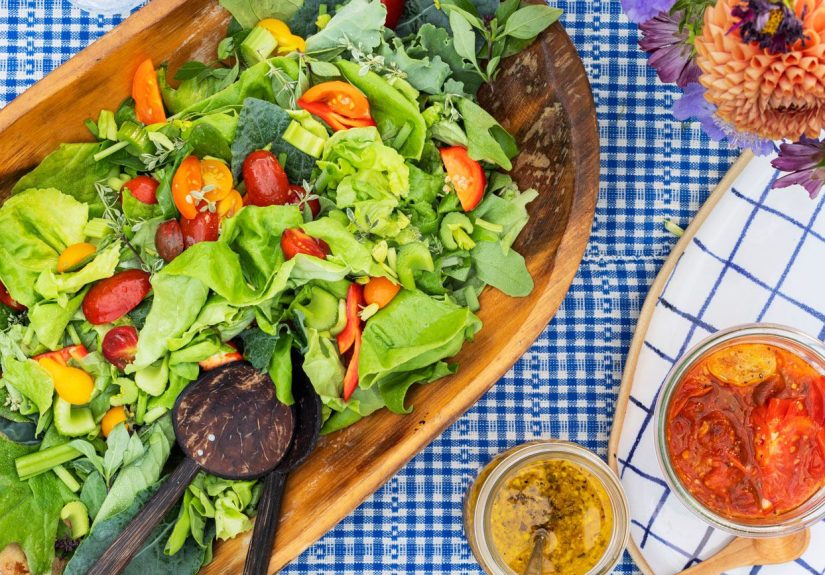
If your salad routine has been feeling a little too “leaf pile with trust issues,” a great white balsamic dressing recipe can fix that in minutes. This style of vinaigrette is bright, lightly sweet, tangy, and elegant without trying too hard. It has the zip you want from a homemade dressing, but it stays pale and glossy instead of turning everything deep brown like traditional dark balsamic can. In other words, it is the salad dressing equivalent of showing up polished, relaxed, and somehow still fun at brunch.
What makes this dressing so useful is its flexibility. It tastes just as good on delicate greens as it does on a grain bowl, roasted vegetables, chicken, salmon, or pasta salad. It can lean sweet, savory, garlicky, herb-packed, or citrusy depending on what dinner needs. Better yet, it comes together with basic pantry ingredients and zero culinary drama. No blender is required, no mysterious technique is involved, and no one has to pretend they enjoy store-bought dressing that tastes like sweetened beige confusion.
This recipe takes the best ideas from classic American vinaigrette formulas and turns them into one practical, flavorful version you will actually make again. The result is balanced, easy to customize, and simple enough for a weeknight, yet polished enough to drizzle over a meal when company shows up unexpectedly and you suddenly start referring to dinner as “the spread.”
What Is White Balsamic Dressing?
White balsamic dressing is a vinaigrette made with white balsamic vinegar, oil, and a few balancing ingredients such as Dijon mustard, honey, garlic, salt, and pepper. White balsamic vinegar is milder and lighter in color than dark balsamic, which gives the dressing a gentler tang and a cleaner look. That matters more than it sounds. On green salads, cucumber dishes, pasta salads, and light proteins, a pale dressing looks fresher and lets the ingredients keep their natural color.
Flavor-wise, white balsamic sits in a very friendly middle ground. It has sweetness, but not dessert-level sweetness. It has acidity, but not the kind that makes your mouth feel personally attacked. That balance makes it an ideal base for home cooks who want something more interesting than plain lemon vinaigrette, but less heavy than creamy bottled dressings.
It also plays especially well with ingredients that can get overshadowed by darker, more assertive vinegars. Think spring mix, arugula, shaved fennel, pears, apples, strawberries, goat cheese, mozzarella, grilled chicken, salmon, asparagus, and roasted Brussels sprouts. White balsamic dressing does not bulldoze the rest of the plate. It actually lets dinner have a personality.
Why You’ll Love This White Balsamic Dressing Recipe
- It is fast: You can whisk it together in about 5 minutes.
- It tastes fresh: Homemade dressing has a cleaner, brighter flavor than most bottled versions.
- It looks beautiful: The pale color is perfect for delicate salads and light dishes.
- It is flexible: You can make it sweeter, sharper, creamier, or more herb-forward.
- It earns its keep: Use it beyond salad on vegetables, grains, fish, chicken, and sandwiches.
White Balsamic Dressing Recipe
Ingredients
- 1/2 cup extra-virgin olive oil
- 1/4 cup white balsamic vinegar
- 1 tablespoon Dijon mustard
- 1 tablespoon honey
- 1 small garlic clove, finely grated or minced
- 1 tablespoon finely minced shallot
- 1/2 teaspoon kosher salt
- 1/4 teaspoon freshly ground black pepper
- 1 teaspoon Italian seasoning or 1 tablespoon finely chopped fresh herbs, optional
Directions
- Add the white balsamic vinegar, Dijon mustard, honey, garlic, shallot, salt, pepper, and optional herbs to a medium bowl or a jar with a tight-fitting lid.
- Whisk until the honey dissolves and the mixture looks smooth. If using a jar, seal it and shake well.
- Slowly drizzle in the olive oil while whisking constantly until the dressing emulsifies and turns slightly creamy. If using a jar, add the oil, close the lid, and shake vigorously for 20 to 30 seconds.
- Taste and adjust. Add a little more honey if you want it sweeter, more vinegar if you want it brighter, or a splash more oil if it tastes too sharp.
- Serve immediately or refrigerate until ready to use.
Yield
Makes about 3/4 cup dressing, enough for 4 to 6 side salads or several servings of vegetables, grain bowls, or protein.
How This Recipe Works
A good vinaigrette is all about balance. The oil softens the vinegar’s edge, the vinegar brings brightness, the mustard helps the dressing emulsify, and the honey rounds out the sharp corners. Garlic and shallot add savory depth, so the final result tastes layered instead of flat. It is a simple formula, but every ingredient has a job.
This recipe lands in the sweet spot between a classic 3-to-1 vinaigrette and a tangier 2-to-1 version. That gives you enough acidity to make the dressing feel lively, while still keeping it mellow enough for everyday use. White balsamic vinegar is naturally softer than dark balsamic, so this balance works especially well for people who want flavor without feeling like they just dressed their salad in attitude.
Dijon mustard deserves its own little standing ovation. It helps oil and vinegar come together into a smoother dressing, and it adds a subtle savory kick. Honey also does more than sweeten. It helps create roundness, especially when the dressing is going over bitter greens like arugula, radicchio, or endive.
Best Ingredients for the Most Flavor
Use a Good White Balsamic Vinegar
The vinegar is not background noise here. It is the lead singer. Use one that tastes balanced and pleasantly sweet-tart rather than harsh. A better bottle gives the dressing more complexity and makes the entire recipe taste more polished.
Choose the Right Oil
Extra-virgin olive oil gives the dressing richness and body. If your olive oil is extremely peppery or bitter, cut it with a more neutral oil like canola, grapeseed, or avocado oil for a softer finish. That is especially helpful if you are pairing the dressing with fruit, mild greens, or seafood.
Fresh Garlic Matters
Fresh garlic gives the dressing a sharper, livelier flavor than garlic powder, though garlic powder works in a pinch. Grating the garlic on a microplane helps it disappear into the vinaigrette so you get flavor without awkward little chunks ambushing your lettuce.
Shallot Adds Depth
Minced shallot makes the dressing feel restaurant-worthy. It adds a gentle onion note that does not dominate the way raw yellow onion might. If you skip it, the dressing will still be good. If you include it, the dressing gets noticeably more interesting.
Easy Variations to Try
Lemon White Balsamic Dressing
Add 1 to 2 teaspoons fresh lemon juice for extra brightness. This version is especially good on arugula, spinach, and salads with avocado or Parmesan.
Creamy White Balsamic Dressing
Whisk in 1 tablespoon mayonnaise or Greek yogurt for a thicker, creamier texture. It becomes excellent on chopped salads, slaws, and wraps.
Herb White Balsamic Dressing
Use fresh basil, parsley, dill, or tarragon. This variation tastes like spring and makes even a basic cucumber salad feel suspiciously fancy.
Maple White Balsamic Dressing
Swap the honey for maple syrup for a warmer sweetness. This version shines on roasted carrots, sweet potatoes, and fall grain bowls.
Fruit-Friendly White Balsamic Dressing
Increase the honey slightly and add a pinch of flaky salt. Drizzle it over salads with strawberries, blueberries, peaches, pears, or apples.
How to Use White Balsamic Dressing
This is where the recipe becomes a repeat player instead of a one-time salad cameo. Here are some of the best ways to use it:
- Green salads: Mixed greens, spinach, arugula, romaine, butter lettuce, or spring mix.
- Fruit salads: Especially with strawberries, blueberries, peaches, pears, or melon.
- Pasta salad: Toss with cooked pasta, mozzarella, tomatoes, cucumbers, and herbs.
- Grain bowls: Excellent on quinoa, farro, brown rice, or couscous with roasted vegetables.
- Roasted vegetables: Brussels sprouts, carrots, asparagus, zucchini, or cauliflower.
- Chicken and fish: Use it as a finishing drizzle or a quick marinade.
- Sandwiches and wraps: A little drizzle adds brightness without heaviness.
If you are building a simple salad around this dressing, try mixed greens, sliced pear, toasted pecans, crumbled goat cheese, and thinly sliced red onion. If you want a savory version, go with romaine, cucumber, tomatoes, shaved Parmesan, grilled chicken, and a few crunchy croutons. Both are easy. Both taste like you made a plan.
Common Mistakes to Avoid
Using Too Much Oil
Yes, oil adds richness, but too much can make the dressing taste flat. If your first spoonful tastes oily instead of lively, add a splash more vinegar.
Skipping the Emulsifier
Can you make dressing without mustard? Of course. Should you, when mustard is right there being useful? Probably not. Mustard helps the dressing blend and stay smoother longer.
Under-Seasoning
Salt is not optional flair. It wakes up the acidity, sweetness, and aromatics. Taste before serving and adjust.
Pouring It on Too Early
Dress tender greens right before serving or they can wilt and lose their texture. Grain salads and pasta salads are the exception because they benefit from soaking up flavor.
How to Store It
Store white balsamic dressing in an airtight jar or container in the refrigerator. Because this version contains fresh garlic and shallot, it is best used within about 3 days for peak freshness. If you make a simpler version with just oil, vinegar, mustard, and seasonings, it may keep a bit longer. Either way, give it a good shake or whisk before serving.
If the olive oil firms up in the fridge, do not panic. Your dressing is not broken, cursed, or plotting against you. Let it sit at room temperature for 20 to 30 minutes, then shake again until smooth.
Can You Make It Ahead?
Absolutely. In fact, making it a few hours ahead can improve the flavor because the garlic, shallot, and honey have more time to mingle. It is a smart meal-prep move for weekday lunches, make-ahead salads, and easy dinners. Just remember that the dressing may separate in storage, which is normal. A few vigorous shakes fixes everything, including, temporarily, your opinion of desk lunch.
Conclusion
A reliable white balsamic dressing recipe deserves a permanent place in your kitchen rotation. It is fast, versatile, and far more elegant than the small amount of effort suggests. The flavor is balanced and bright, the texture is silky when properly emulsified, and the pale color makes it especially useful for salads and dishes where you want freshness to shine. It can be sweetened for fruit salads, sharpened for peppery greens, softened for grain bowls, or turned creamy for wraps and chopped salads.
Most importantly, this is the kind of recipe that makes everyday food taste a little more intentional. A bowl of greens becomes lunch you actually want. Roasted vegetables become a side dish people ask about. A piece of chicken stops feeling like meal prep and starts feeling like dinner. That is the quiet genius of homemade dressing: small ingredients, big payoff, and just enough tang to keep life interesting.
Kitchen Experiences Related to White Balsamic Dressing Recipe
The first time I made a white balsamic dressing recipe at home, I expected it to be fine. Useful, maybe. Respectable. Something that would quietly sit next to a bowl of greens and do its job without making much of an impression. Instead, it completely changed how I thought about simple salads. The dressing was bright and glossy, with a soft golden color that looked fresh instead of heavy. When I tossed it with arugula, sliced pears, and goat cheese, the whole salad suddenly looked like something that belonged on a restaurant patio instead of on my kitchen counter next to a half-read grocery receipt.
What surprised me most was how many foods it improved that were not technically salad. I started using it on grain bowls with farro and roasted vegetables, and it made leftovers feel brand-new. Then it ended up on grilled chicken, where it added acidity without overpowering the meat. Then on roasted carrots. Then on a sandwich. At some point, it stopped being “that dressing I made once” and became “the jar in the fridge I reach for when dinner needs help.” That is when you know a recipe has become part of real life rather than just part of a cooking mood.
Another thing I learned through experience is that white balsamic dressing is especially good for people who say they do not like salad dressing because most bottled options are too sweet, too oily, or too loud. Homemade white balsamic dressing has a cleaner taste. You can adjust it in seconds. Need more bite? Add vinegar. Need more balance? Add honey. Need more body? Add mustard or a spoonful of yogurt. It is forgiving, which is wonderful for anyone who likes cooking but does not enjoy measuring ingredients with the emotional precision of a laboratory scientist.
I have also found that it is a great “company” recipe because it feels polished without requiring any theatrical kitchen behavior. You can shake it in a jar, set it on the table, and suddenly a basic platter of greens, tomatoes, cucumber, and herbs looks intentional. People notice homemade dressing. They may not always say, “Ah yes, the elegant acidity profile is beautifully restrained,” because most dinner guests are not auditioning for a food show. But they do say things like, “What is in this?” and “Why is this so good?” which is basically the same compliment wearing more casual shoes.
Perhaps the most relatable experience, though, is discovering that a good white balsamic dressing recipe makes you more likely to eat vegetables during the week. It removes friction. When there is a jar of dressing already made, a salad feels easy. Roasted vegetables feel finished. Lunch feels less like a nutritional chore and more like an actual meal. That tiny bit of readiness has a ripple effect in the kitchen. Suddenly the spinach gets used. The cucumbers do not die forgotten in the produce drawer. The leftover chicken gets repurposed. One small jar quietly makes the whole refrigerator seem more functional, which is a surprisingly powerful feeling for something made from vinegar and oil.
So yes, this recipe is technically about dressing. But in practice, it is really about making everyday meals taste brighter, fresher, and more put together. And honestly, that is a pretty excellent return on five minutes of whisking.