Table of Contents >> Show >> Hide
- The Old Cholesterol Rule Was Too Simple
- Dietary Cholesterol vs. Blood Cholesterol: They Are Not Twins
- Why Saturated Fat Deserves More Attention
- Trans Fat Is Still the One to Avoid
- Eggs Are Not the Breakfast Criminals We Once Thought
- Shellfish, Shrimp, and Other Misunderstood Foods
- Fiber: The Quiet Hero of Cholesterol Health
- The Best Diet Pattern for Cholesterol Is Not Miserable
- Who Should Still Be More Careful?
- What to Focus on Instead of Food Cholesterol
- Experience Section: Learning to Stop Fearing the Egg Yolk
- Conclusion: Stop Counting Cholesterol Like It Is 1985
For decades, cholesterol in food had the public image of a tiny villain wearing a black cape and hiding inside egg yolks. Breakfast menus were judged like crime scenes. Shrimp got suspicious looks. People ordered egg-white omelets with the seriousness of someone defusing a bomb. But nutrition science has moved on, and thankfully, so can your breakfast.
The modern view is more practical: for most people, cholesterol in food is not the main thing that raises blood cholesterol. The bigger dietary troublemakers are saturated fat, trans fat, low fiber intake, excess calories, and an overall eating pattern built around processed foods. In other words, the egg on your plate is usually less of a problem than the bacon, buttered toast, and giant sugary coffee keeping it company.
This does not mean cholesterol levels do not matter. High LDL cholesterol, often called “bad” cholesterol, is still a major risk factor for heart disease. What has changed is our understanding of what usually drives those numbers. Instead of panicking over every milligram of dietary cholesterol, it makes more sense to focus on food quality, healthy fats, fiber-rich plants, and sustainable habits you can actually live with.
The Old Cholesterol Rule Was Too Simple
For years, many people were told to avoid foods high in cholesterol because eating cholesterol was assumed to translate directly into higher cholesterol in the blood. It sounded logical. Eat cholesterol, get cholesterol. Eat carrots, become a rabbit. Nutrition, unfortunately, is rarely that tidy.
Your body makes cholesterol on its own, mostly in the liver, because cholesterol is essential for cell membranes, hormones, vitamin D production, and bile acids that help digest fat. When you eat more cholesterol, many bodies compensate by making less. When you eat less, the liver may make more. This balancing act is one reason dietary cholesterol does not affect everyone in the same way.
That is why modern nutrition advice has shifted away from treating cholesterol in food as the headline villain. The better question is not simply, “How much cholesterol does this food contain?” It is, “What kind of food is this, what else comes with it, and what does my overall diet look like?”
Dietary Cholesterol vs. Blood Cholesterol: They Are Not Twins
Dietary cholesterol is the cholesterol found in animal-based foods such as eggs, shellfish, meat, poultry, and full-fat dairy. Blood cholesterol refers to cholesterol circulating in your bloodstream, including LDL cholesterol, HDL cholesterol, and other lipid markers your healthcare provider may check.
The two are related, but they are not identical. For many people, saturated fat has a stronger effect on LDL cholesterol than cholesterol in food itself. That is why a butter-heavy pastry, fatty processed meat, or fast-food breakfast sandwich can be more concerning than a simple boiled egg. The egg contains cholesterol, yes, but it is also rich in protein, choline, vitamin B12, selenium, and other nutrients. The fast-food sandwich brings extra saturated fat, refined carbohydrates, sodium, and calories to the party. Quite the guest list.
Why Saturated Fat Deserves More Attention
Saturated fat is found mostly in fatty meats, butter, cheese, full-fat dairy desserts, coconut oil, palm oil, and many baked or fried foods. It can raise LDL cholesterol in many people, which is why major heart-health organizations continue to recommend limiting it.
This is where the cholesterol conversation gets more useful. Instead of asking whether an egg has cholesterol, ask what you are eating with it. Scrambled eggs cooked in olive oil with spinach and tomatoes are a very different meal from eggs fried in butter and served with sausage, biscuits, and gravy. Same egg. Different nutritional neighborhood.
A practical approach is to replace saturated fats with unsaturated fats more often. Use olive oil instead of butter when it fits the dish. Choose nuts, seeds, avocado, and fatty fish instead of highly processed snacks. Pick leaner cuts of meat more often. This does not require a joyless diet. It just means giving your arteries fewer reasons to file a complaint.
Trans Fat Is Still the One to Avoid
If dietary cholesterol has been somewhat over-feared, trans fat has earned its bad reputation. Trans fats can raise LDL cholesterol and lower HDL cholesterol, which is exactly the opposite of what you want. They have historically appeared in some margarines, packaged baked goods, fried foods, and products made with partially hydrogenated oils.
The good news is that artificial trans fats have been greatly reduced in the U.S. food supply, but label reading is still smart. If you see “partially hydrogenated oil” in the ingredients, that food is not auditioning for a heart-health award. It is better to choose minimally processed foods and fats from sources such as olive oil, nuts, seeds, and fish.
Eggs Are Not the Breakfast Criminals We Once Thought
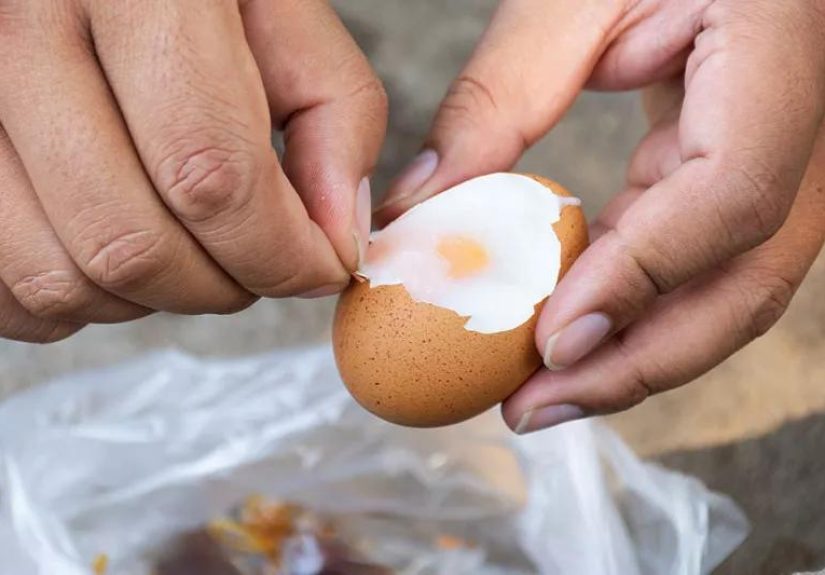
Eggs are the most famous example in the dietary cholesterol debate. A large egg contains cholesterol, mostly in the yolk. That fact once made eggs controversial, and egg whites became the official breakfast of people trying very hard to look responsible.
Today, many experts agree that moderate egg intake can fit into a heart-healthy eating pattern for many healthy adults. The key word is “pattern.” Eggs are not magic. They are not poison. They are food. What matters is the company they keep on your plate.
A vegetable omelet with whole-grain toast and fruit is a balanced breakfast. A plate of eggs with bacon, sausage, hash browns, and a side of “I will nap immediately” is a different story. If you enjoy eggs, you usually do not need to fear them. Just avoid using them as an excuse to build a saturated-fat theme park.
Shellfish, Shrimp, and Other Misunderstood Foods
Shrimp and some shellfish are naturally higher in cholesterol, but they are relatively low in saturated fat. That makes them a good example of why cholesterol numbers alone can be misleading. Grilled shrimp with vegetables and brown rice is not nutritionally equivalent to deep-fried shrimp with creamy sauce and fries.
The cooking method and meal context matter. Steaming, grilling, baking, and sautéing with small amounts of healthy oil usually support a better overall diet. Frying and pairing foods with heavy sauces can turn a reasonable meal into a saturated-fat and calorie overload.
Fiber: The Quiet Hero of Cholesterol Health
If cholesterol had a superhero movie, soluble fiber would be the calm character who saves the day without needing dramatic music. Soluble fiber helps reduce cholesterol absorption in the digestive tract and supports healthier LDL levels. It is found in oats, barley, beans, lentils, apples, pears, citrus fruits, chia seeds, flaxseed, and many vegetables.
Adding fiber is often more powerful than simply removing foods. For example, breakfast could be oatmeal with berries and walnuts. Lunch could include lentil soup or a bean-and-vegetable bowl. Dinner could feature roasted vegetables, salmon, and quinoa. These meals do not obsess over dietary cholesterol; they build a cholesterol-friendly environment.
Fiber also supports fullness, gut health, and steadier blood sugar. That means it helps in several ways at once. It is the nutritional equivalent of a coworker who actually reads the meeting notes and brings coffee.
The Best Diet Pattern for Cholesterol Is Not Miserable
A heart-healthy eating pattern is not a punishment menu. It can include satisfying, flavorful foods: vegetables, fruits, legumes, whole grains, fish, poultry, nuts, seeds, olive oil, low-fat or unsweetened dairy, and moderate portions of eggs or lean meats. The Mediterranean and DASH-style eating patterns are often recommended because they emphasize plants, unsaturated fats, and minimally processed foods.
Notice what this approach does not require: counting every milligram of cholesterol like a nutrition accountant trapped in spreadsheet prison. Instead, it focuses on food combinations that naturally improve the quality of your diet.
Smart Plate Examples
Try eggs with sautéed peppers, onions, spinach, and a side of fruit. Choose salmon with roasted vegetables and a small serving of brown rice. Make tacos with beans, avocado, salsa, cabbage, and grilled chicken or fish. Use Greek yogurt with berries and oats instead of a sugary pastry. These meals are simple, satisfying, and much more useful than treating every egg yolk like a tiny yellow emergency.
Who Should Still Be More Careful?
The phrase “no longer worry about cholesterol in food” should not be read as “everyone should eat unlimited high-cholesterol foods forever.” Some people need more personalized advice. If you have high LDL cholesterol, heart disease, diabetes, chronic kidney disease, familial hypercholesterolemia, or a strong family history of early heart disease, your healthcare provider may recommend stricter limits.
Some people are also “hyper-responders,” meaning their blood cholesterol may rise more noticeably in response to dietary cholesterol. This does not make eggs evil; it means biology is individual. If your cholesterol numbers are high or changing, lab tests and professional guidance matter more than internet arguments.
What to Focus on Instead of Food Cholesterol
First, reduce saturated fat where it is easy to do so. Swap butter for olive oil. Choose lean meats more often. Limit processed meats such as bacon, sausage, hot dogs, and salami. Enjoy cheese in smaller portions rather than treating it as a food group with its own national anthem.
Second, avoid trans fats and highly processed foods as much as possible. Third, increase soluble fiber with oats, beans, lentils, fruits, and vegetables. Fourth, choose unsaturated fats from nuts, seeds, avocado, olive oil, and fish. Fifth, pay attention to your overall lifestyle: physical activity, sleep, weight management, smoking status, and alcohol intake can all influence heart health.
Finally, check your numbers. You cannot feel high LDL cholesterol. It does not knock politely and say, “Excuse me, your arteries would like a word.” A cholesterol test gives you real information, and real information beats guessing every time.
Experience Section: Learning to Stop Fearing the Egg Yolk
Many people grew up with the same food rule: egg whites were good, egg yolks were suspicious, and shrimp was something you enjoyed only while feeling mildly guilty. The old cholesterol fear shaped grocery lists, restaurant orders, and family breakfasts. Someone would make an omelet and immediately apologize for the yolks, as if breakfast had committed a parking violation.
A more realistic experience is what happens when people stop obsessing over dietary cholesterol and start improving the whole meal. Imagine someone who loves eggs but has been avoiding them for years. They finally bring eggs back, but instead of pairing them with bacon and white toast, they make a vegetable scramble with mushrooms, spinach, tomatoes, and a slice of whole-grain bread. The meal is colorful, filling, and enjoyable. More importantly, it is sustainable. Nobody wants to live forever on bland egg whites and regret.
Another common experience involves dining out. A person trying to “eat for cholesterol” may scan the menu and panic at the word “cholesterol,” while missing the bigger picture. The grilled shrimp bowl with vegetables may be a better choice than a creamy pasta loaded with butter, cheese, and processed meat, even if shrimp contains dietary cholesterol. Once you understand the difference between dietary cholesterol and saturated fat, menus become less confusing. You stop playing food detective with the wrong suspect.
At home, the shift can feel liberating. Instead of banning foods, you build better combinations. Eggs with avocado and vegetables. Tuna or salmon with beans and greens. Oatmeal with chia seeds and berries. Lentil soup with olive oil and herbs. These meals are not extreme. They are normal foods arranged in a smarter way.
People often discover that the most effective changes are not dramatic. They stop frying everything in butter. They eat beans a few times a week. They replace some processed meats with fish or chicken. They snack on nuts instead of cookies most days. They add vegetables to breakfast, which feels strange for about three mornings and then becomes normal. The cholesterol conversation moves from fear to confidence.
There is also an emotional benefit. Food guilt is exhausting. When every yolk feels dangerous and every restaurant meal feels like a test, healthy eating becomes stressful. A better mindset is flexible and informed. You can enjoy an egg. You can eat shrimp. You can have cheese sometimes. You can also care about your LDL cholesterol, choose more fiber, limit saturated fat, and talk with your doctor when needed. That is not contradiction. That is grown-up nutrition.
The biggest lesson is this: the plate matters more than one isolated nutrient. A single food rarely defines your health. Your repeated habits do. When you stop fearing cholesterol in food and start focusing on overall quality, eating becomes simpler, smarter, and a lot less dramatic. Your breakfast can finally relax.
Conclusion: Stop Counting Cholesterol Like It Is 1985
You no longer need to treat cholesterol in food as the main enemy of heart health. For most people, saturated fat, trans fat, low fiber intake, and an unbalanced eating pattern matter more. Eggs, shrimp, and other cholesterol-containing foods can often fit into a healthy diet when they are prepared wisely and eaten with nutrient-rich foods.
The smarter strategy is not fear. It is context. Choose more whole foods, more plants, more soluble fiber, and more unsaturated fats. Limit processed meats, butter-heavy foods, and fried packaged snacks. Know your cholesterol numbers, especially LDL cholesterol, and get personalized medical advice if you have risk factors. In short: worry less about the cholesterol in a single food and care more about the pattern on your plate.
Note: This article is for educational purposes only and should not replace professional medical advice. People with high cholesterol, heart disease, diabetes, kidney disease, familial hypercholesterolemia, or other medical conditions should follow guidance from a qualified healthcare professional.