Table of Contents >> Show >> Hide
Welcome to 15 weeks pregnant, also known as that oddly magical phase where your jeans may be plotting against you, but your energy might finally be making a comeback. You are officially in the second trimester, a stretch many pregnant people describe as the “sweet spot” of pregnancy. Morning sickness often starts to ease, your appetite may return with dramatic flair, and your baby is busy growing from a tiny mystery bean into a much more recognizable little human.
At this stage, a lot is happening behind the scenes. Hormones are still running the show, your body is making room for a growing uterus, and your baby is developing features, movement, and stronger body systems. If you are wondering what symptoms are normal, how your baby is changing, and what you should actually do this week, you are in the right place.
What Happens at 15 Weeks Pregnant?
At 15 weeks pregnant, you are in month four of pregnancy and well into the second trimester. For many people, this is when pregnancy starts to feel more real. You may have a small bump, your clothes may fit differently, and prenatal visits begin to focus more on monitoring growth, nutrition, and upcoming screening tests.
Your baby is growing steadily, and your body is adapting in all kinds of clever and sometimes inconvenient ways. This week is often a mix of relief, curiosity, and random questions like, “Why am I hungry again?” and “Was that a baby flutter or just lunch?” Both are fair questions.
15 Weeks Pregnant Symptoms
Symptoms at 15 weeks vary a lot. Some people feel terrific. Others still feel like they were tricked by the phrase “second-trimester glow.” Both experiences are normal.
1. More energy
One of the biggest changes during week 15 of pregnancy is that fatigue may start to let up. If the first trimester felt like walking through wet cement while carrying crackers for emotional support, this may be the week you feel more like yourself again.
2. A growing bump
Your uterus is rising out of your pelvis, which can make your pregnancy bump more noticeable. First pregnancies may show later, while second or third pregnancies may show sooner. There is no perfect timeline. Bodies love to freestyle.
3. Round ligament pain
As your uterus expands, the ligaments supporting it stretch. This can cause quick, sharp, or pulling pains in the lower abdomen or groin, especially when you stand up quickly, cough, laugh, or roll over in bed like a dramatic burrito.
4. Nasal congestion or nosebleeds
Pregnancy hormones can increase blood flow and swell the lining of the nose. That means stuffiness, a runny nose, or occasional nosebleeds can show up even if you are not sick. Glamorous, right?
5. Heartburn and indigestion
Progesterone relaxes smooth muscles, including the valve between your stomach and esophagus. Translation: stomach acid may sneak upward more easily. Smaller meals and avoiding trigger foods can help.
6. Constipation and bloating
Yep, still a thing. Pregnancy hormones can slow digestion, which may lead to constipation, gas, and bloating. Drinking water, eating fiber-rich foods, and staying active can make a real difference.
7. Increased appetite
As nausea fades, hunger often returns with enthusiasm. This is a great time to focus on balanced meals with protein, fiber, healthy fats, whole grains, fruits, and vegetables instead of treating the pantry like an all-you-can-eat festival every hour.
8. Skin changes
You may notice a dark line down the center of your abdomen called the linea nigra, darker nipples, or patches of darker skin on the face known as melasma. These changes are common and usually fade after pregnancy.
9. Vaginal discharge
More vaginal discharge during pregnancy is usually normal. It is often thin, milky, and mild-smelling. But if it becomes itchy, painful, green, gray, or has a strong odor, it is a good idea to check in with your provider.
10. Headaches or dizziness
Hormonal changes, dehydration, hunger, stress, and shifting blood pressure can all contribute. Drinking enough fluids, eating regularly, and getting rest may help. Persistent or severe headaches should be discussed with your clinician.
Baby Development at 15 Weeks
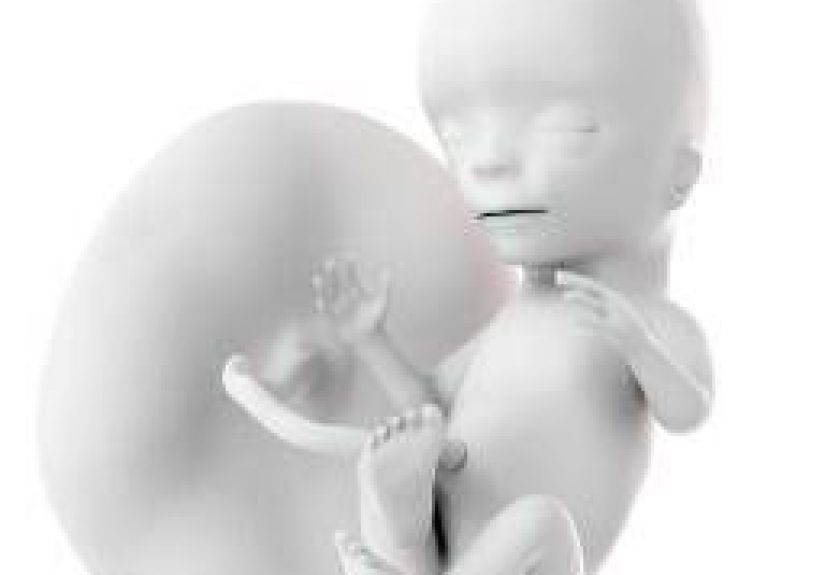
Your baby is doing some impressive work this week. At 15 weeks, the fetus is growing in length, developing more defined features, and practicing movements you probably cannot feel yet. Many babies are around the size of an apple or navel orange, though exact measurements vary.
Your baby’s body is getting more proportionate
Earlier in pregnancy, your baby’s head was disproportionately large compared with the rest of the body. By now, body proportions are becoming more balanced, which is one reason the fetus is starting to look more like a newborn-in-training and less like a sketch from a very rushed biology class.
Bones and muscles are strengthening
Bones continue to harden, and muscles are getting stronger. Your baby can move arms and legs, flex fingers, and make little motions inside the uterus. These movements may be visible on ultrasound even before you feel them.
Skin and hair are developing
The skin is still thin, but it is developing and becoming more complex. Hair follicles are forming, and fine body hair will eventually appear. Eyebrows and scalp hair are also starting their early development journey.
Facial features are becoming clearer
The ears are moving into place, the eyes are positioned more appropriately on the face, and facial expressions may begin to appear. It is a busy week for tiny features with big personality potential.
Your baby may suck a thumb
Hand-to-mouth movements can begin around this stage. It is one of those delightful prenatal facts that can make an ultrasound suddenly feel very emotional.
Organs are working more as a team
All the major organ systems are formed and continuing to mature. The heart is pumping, the kidneys are functioning, and the nervous system is developing further. Your baby is not just growing bigger. They are becoming more coordinated and more capable every week.
Can You Feel the Baby at 15 Weeks?
Maybe, but maybe not. Some people, especially those who have been pregnant before, may notice early fluttering sensations around 15 weeks. Others will not feel movement until 18 to 20 weeks or even a little later. Early movement can feel like bubbles, popcorn pops, butterflies, or a suspiciously poetic gas bubble.
Not feeling movement yet at 15 weeks is usually completely normal. There is no prize for early kicks, and your baby is not behind schedule if they are still keeping their gymnastics private.
Things to Do at 15 Weeks Pregnant
Keep up with prenatal care
Your prenatal appointments matter, even when you feel great. These visits help monitor your blood pressure, weight, urine, fetal heartbeat, and any new symptoms. They are also the best time to ask questions you forgot the moment you left your last appointment.
Ask about second-trimester screening
Depending on your medical history, age, previous screening results, and provider recommendations, you may discuss second-trimester blood tests such as AFP or the quad screen. In some cases, diagnostic testing like amniocentesis may also be offered between 15 and 20 weeks.
Take your prenatal vitamin
Prenatal vitamins are still important at this stage. Nutrients like folic acid, iron, calcium, vitamin D, choline, and omega-3 fats support both your health and your baby’s development. Missing one day is not a disaster. Missing them all week because the bottle rolled behind the toaster is more of a problem.
Focus on smart nutrition
The second trimester usually requires modestly increased calories, not an open invitation to eat for two grown adults and a linebacker. Aim for nutrient-dense foods like eggs, yogurt, beans, lean meats, salmon low in mercury, leafy greens, berries, nuts, oats, and whole grains. Balanced meals can help with energy, constipation, and steady weight gain.
Stay active if your provider says it is safe
Exercise during pregnancy is generally encouraged for most people. Walking, swimming, prenatal yoga, and low-impact strength work can help with mood, sleep, circulation, constipation, and back pain. The goal is consistency, not winning an Olympic medal in maternity leggings.
Hydrate like it is your side quest
Drinking enough water can help reduce headaches, constipation, dizziness, and fatigue. Keep a water bottle nearby and make it annoyingly loyal.
Start thinking about your anatomy scan
Your mid-pregnancy ultrasound, often called the anatomy scan, usually happens around 18 to 22 weeks. It checks your baby’s growth and anatomy and gives your care team helpful information about the pregnancy. You do not need to memorize anything yet, but it is good to know it is coming.
Review medications and products
Before taking over-the-counter medicine, herbal products, or supplements, check with your healthcare provider. Pregnancy is not the time for random internet chemistry experiments.
When to Call Your Healthcare Provider
Some symptoms need prompt medical attention. Contact your healthcare provider right away if you have vaginal bleeding, leaking fluid, severe abdominal pain, strong cramping, fever, chills, painful urination, severe or persistent vomiting, severe headache, vision changes, sudden swelling, chest pain, trouble breathing, or you simply feel that something is not right.
Trusting your instincts is not overreacting. Pregnancy comes with enough uncertainty already. It is always okay to ask.
Tips for Partners and Support People
If you are supporting someone who is 15 weeks pregnant, this is an excellent time to be useful in ways that do not involve saying, “Wow, you’re really showing.” Try grocery runs, snack management, appointment reminders, household help, and listening without attempting to fix everything. Pregnant people often need support, not a TED Talk.
What 15 Weeks Pregnant Can Feel Like in Real Life
By 15 weeks, many pregnant people feel caught between stages. You may not look obviously pregnant to everyone, but your body knows. Your favorite jeans know. Your appetite definitely knows. You might feel more energetic one day and then totally wiped the next. You may love seeing your bump in the mirror and then immediately get annoyed because all your bras suddenly feel like medieval architecture.
A very common experience at this point is feeling better physically but more aware emotionally. Once nausea eases, many people finally have the mental space to think about the baby, the future, and all the practical details ahead. That can feel exciting, surreal, and occasionally overwhelming. One minute you are comparing stroller types. The next minute you are crying because a tiny pair of socks exists. This is not weird. This is pregnancy with hormones and a plot twist.
Another common theme around 15 weeks is uncertainty about what is normal. You may wonder whether a tug in your lower abdomen is round ligament pain, whether your increased discharge is expected, or whether the flutter you felt was the baby or your digestive system performing improv. A lot of second-trimester experiences are subtle and hard to interpret at first. That is part of why reassurance from prenatal visits can be so helpful.
Many people also describe week 15 as the point when pregnancy starts to become more public, even if they did not plan for it. Coworkers may notice. Family may get more excited. Strangers may suddenly develop opinions nobody asked for. You might feel thrilled to share the news, or you might feel protective and private. Both responses are completely valid.
There is also the practical side of the 15-week experience. Eating becomes a bit of a strategy game. Heartburn may make spicy takeout less glamorous than it used to be. Constipation can turn fiber into your newest personality trait. Sleep might improve for some people, while others begin the nightly ritual of flipping from side to side and arranging pillows like a small architectural project.
Emotionally, 15 weeks can be a season of cautious joy. Some people feel ready to plan, decorate, and imagine the baby more vividly. Others still feel anxious, especially after infertility, prior loss, or a complicated first trimester. Both experiences can coexist. You can be grateful and nervous. Happy and unsettled. Excited and tired of being asked whether you have cravings yet.
Perhaps the most reassuring truth about 15 weeks pregnant is this: there is no single “correct” way to feel. Some people are glowing. Some are bloated. Some are productive. Some need a nap and a bagel. Most are some combination of all four. Week 15 is less about perfection and more about progress. Your baby is developing. Your body is adapting. And you are already doing a remarkable job, even on the days when your biggest accomplishment is remembering where you left your water bottle.
Conclusion
At 15 weeks pregnant, you are in a fascinating transition. The worst of early pregnancy symptoms may be easing, your baby is growing quickly, and this is a great time to build healthy habits that support the months ahead. Pay attention to your body, keep your prenatal appointments, eat well, stay hydrated, move in ways that feel good, and reach out to your provider when something feels off.
You do not need to do pregnancy perfectly. You just need good information, good support, and a little grace for the weird, wonderful ride you are on.