Table of Contents >> Show >> Hide
- Before You Cut: How to Prep Strawberries the Right Way
- Way 1: Slice Strawberries for Cakes, Salads, Toast, and Garnishes
- Way 2: Dice Strawberries for Sauces, Salsa, Muffins, and Yogurt
- Way 3: Fan Strawberries for Desserts, Brunch Boards, and Special Occasions
- Which Strawberry Cut Should You Use?
- How to Store Cut Strawberries
- Common Mistakes to Avoid When Cutting Strawberries
- Creative Ways to Serve Cut Strawberries
- Extra Experience: Real-Life Lessons from Cutting Strawberries for Every Occasion
- Conclusion
Strawberries are tiny red overachievers. They can dress up a cheesecake, brighten a salad, rescue a boring bowl of oatmeal, and somehow make a glass of water feel like it went to a spa. But before they become the star of your dessert board, brunch table, smoothie bowl, or kid-friendly snack plate, they need one simple thing: the right cut.
Learning how to cut strawberries may sound basic, but the shape matters more than most people think. Thin slices look elegant on cakes and tarts. Small dice blend beautifully into yogurt, salsa, sauces, and baked goods. Fancy fan cuts turn ordinary berries into edible decorations that say, “Yes, I absolutely have my life together,” even if the laundry pile nearby disagrees.
This guide breaks down three practical ways to cut strawberries for every occasion: slices, dice, and decorative fans. Along the way, you will also learn how to wash, hull, store, and serve strawberries so they stay sweet, juicy, and ready for their close-up.
Before You Cut: How to Prep Strawberries the Right Way
Good strawberry cutting starts before the knife touches the berry. Strawberries are delicate, porous, and quick to absorb moisture, so a little care goes a long way.
Choose ripe, firm strawberries
Look for strawberries that are bright red, plump, fragrant, and firm. The leafy green caps should look fresh rather than wilted. Avoid berries with mold, soft spots, leaking juice, or dull, bruised skin. A strawberry does not continue to sweeten much after picking, so pale berries may look promising but often taste like crunchy disappointment.
Wash only before using
For the best texture, wash strawberries shortly before you plan to cut or eat them. Rinse them gently under cool running water, then pat them dry with a clean towel or paper towel. Extra moisture can speed up spoilage, especially once the berries are cut.
Do not use soap, dish detergent, or harsh cleaners on strawberries. Plain running water and gentle handling are the safest, most practical approach for home kitchens.
Hull the strawberries
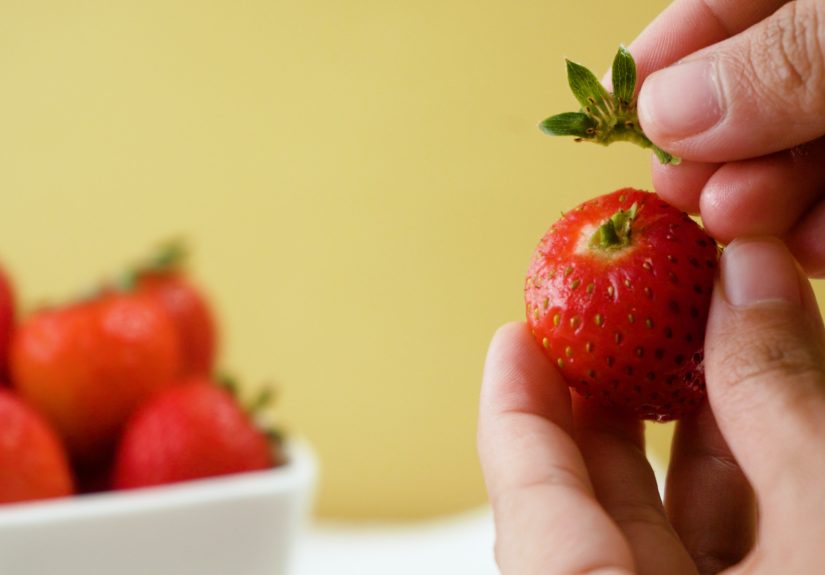
Hulling means removing the green leafy top and the firm white core underneath it. You can use a paring knife, strawberry huller, or even a sturdy straw. For less waste, angle a small knife around the cap and remove only the tough center instead of slicing off the entire top.
Use a sharp knife
A sharp paring knife gives clean edges and prevents crushing. A dull knife squashes the berry, releases too much juice, and turns your cutting board into a tiny fruit crime scene.
Way 1: Slice Strawberries for Cakes, Salads, Toast, and Garnishes
Sliced strawberries are the all-purpose cut. They look neat, cook evenly, layer beautifully, and work in both sweet and savory dishes. If strawberries had a business-casual outfit, this would be it.
How to slice strawberries
- Wash and dry the strawberries.
- Remove the green tops and hull the berries.
- Place each strawberry flat-side down on the cutting board.
- Slice lengthwise from top to tip for elegant oval slices.
- For rounder slices, turn the berry sideways and cut crosswise.
For most recipes, aim for slices about 1/8 to 1/4 inch thick. Thin slices are best for decoration, while thicker slices hold their shape better in fruit salads, shortcakes, and breakfast bowls.
Best uses for sliced strawberries
Sliced strawberries are perfect for layering over pancakes, waffles, French toast, yogurt parfaits, oatmeal, cheesecakes, pavlovas, and fresh green salads. They also work well in infused water because the cut surfaces release flavor quickly without falling apart too fast.
If you are decorating a cake, place the larger slices around the outer edge and use smaller slices toward the center. This creates a polished look without requiring pastry-school-level confidence.
Pro tips for cleaner slices
Dry the berries before slicing so they do not slide around. Cut with a gentle forward motion rather than pressing straight down. If you need very thin slices for a tart, choose firm strawberries and chill them briefly before cutting.
For a fruit platter, keep the slices uniform. Consistency makes the tray look intentional, not like someone panicked five minutes before guests arrived.
Way 2: Dice Strawberries for Sauces, Salsa, Muffins, and Yogurt
Diced strawberries are small, juicy pieces that mix evenly into recipes. This cut is ideal when you want strawberry flavor in every bite rather than one giant berry chunk stealing the spotlight.
How to dice strawberries
- Wash, dry, hull, and slice the strawberries lengthwise.
- Stack two or three slices if they are firm enough.
- Cut the slices into thin strips.
- Turn the strips and cut across them to create small cubes.
For a fine dice, cut the pieces about 1/4 inch. For a chunkier dice, aim for 1/2 inch pieces. The size depends on the recipe. Smooth yogurt bowls and sauces do better with smaller pieces, while muffins and crisps can handle a heartier chop.
Best uses for diced strawberries
Diced strawberries are excellent in fruit salsa, fresh compote, overnight oats, chia pudding, muffins, quick breads, pancakes, ice cream toppings, and no-cook strawberry sauce. Add a little lemon juice and sugar, let the fruit sit for 10 to 15 minutes, and the berries will release their juices into a glossy topping.
They also work beautifully in savory dishes. Try diced strawberries with cucumber, jalapeño, red onion, lime juice, and cilantro for a bright strawberry salsa. Serve it with grilled chicken, fish tacos, or tortilla chips. It sounds fancy, but really it is just fruit wearing a tiny chef hat.
How to avoid mushy diced strawberries
Use firm berries and avoid overhandling them. If the strawberries are very ripe, cut them into larger pieces instead of tiny cubes. Add sugar only shortly before serving, because sugar draws out moisture and softens the fruit.
For baked goods, toss diced strawberries with a small spoonful of flour from the recipe before folding them into batter. This helps reduce sinking and controls excess moisture.
Way 3: Fan Strawberries for Desserts, Brunch Boards, and Special Occasions
Strawberry fans are the decorative cut that turns a simple dessert into something that looks bakery-worthy. The good news? They are much easier than they appear. The bad news? People may start expecting you to decorate everything. Use this power wisely.
How to make a strawberry fan
- Choose a firm, medium-to-large strawberry with the green top still attached.
- Wash and dry the berry carefully.
- Place it on a cutting board with the pointed end facing you.
- Starting just below the leafy cap, make thin lengthwise cuts toward the tip.
- Do not cut all the way through the top; keep the slices connected.
- Gently press or spread the slices apart to create a fan shape.
The leafy cap acts like a hinge, holding the slices together. This makes the berry easy to move and place on cakes, cupcakes, fruit platters, mousse cups, pancakes, or cocktails.
Best uses for strawberry fans
Use strawberry fans for cheesecake, chocolate cake, shortcake, panna cotta, pudding cups, charcuterie-style dessert boards, brunch platters, and romantic desserts. They also look great on smoothie bowls and crepes.
For a polished plate, pair one strawberry fan with a small mint leaf, a dusting of powdered sugar, or a drizzle of melted chocolate. Suddenly your dessert looks like it came from a restaurant where the menu has no dollar signs.
Fan-cut tips for beginners
Choose berries that are firm and symmetrical. Very soft berries collapse when fanned. Use a small, sharp knife and make slow, even cuts. If your first fan looks more like a confused accordion, do not worry. It will still taste like a strawberry, which is the main point of this whole operation.
Which Strawberry Cut Should You Use?
The right cut depends on the occasion, the recipe, and the texture you want.
Use slices when presentation matters
Slices are best when strawberries need to be seen. They create clean lines and attractive layers, making them ideal for cakes, tarts, salads, toast, and breakfast bowls.
Use dice when mixing into recipes
Diced strawberries are best when the fruit needs to blend into a dish. Use them in sauces, batters, yogurt, salsa, compotes, and fillings.
Use fans when you want decoration
Fans are best for garnishes and special occasions. They add height, color, and visual drama with very little effort.
How to Store Cut Strawberries
Once strawberries are cut, they become more perishable. Store sliced, diced, or fan-cut strawberries in an airtight container in the refrigerator. For the best flavor and texture, use them as soon as possible, ideally within a day or two.
If cut strawberries sit at room temperature for more than two hours, it is safer to discard them. On hot days or outdoor buffet tables, keep them chilled until serving time.
Can you freeze cut strawberries?
Yes. Wash, dry, hull, and cut the strawberries, then spread them in a single layer on a parchment-lined baking sheet. Freeze until firm, then transfer them to a freezer bag or airtight container. Frozen cut strawberries are excellent for smoothies, sauces, baking, and oatmeal, though they will be softer after thawing.
Common Mistakes to Avoid When Cutting Strawberries
Cutting before washing
Wash strawberries before cutting so dirt and surface bacteria are not transferred from the outside into the fruit.
Washing too early
Washing berries days in advance can add moisture and shorten freshness. Wash them close to serving time for the best results.
Using a dull knife
A dull knife crushes strawberries instead of cutting them. Use a sharp paring knife for clean slices and better presentation.
Removing too much fruit when hulling
Cutting straight across the top wastes the sweetest upper part of the berry. Use a small circular cut around the cap to remove only what you need.
Choosing the wrong cut for the dish
Large slices in muffin batter can create soggy pockets. Tiny dice on top of a cake may look messy. Match the cut to the job and your strawberries will behave much better.
Creative Ways to Serve Cut Strawberries
Once you know how to cut strawberries, you can use them in dozens of easy dishes. Layer slices on almond butter toast. Stir diced berries into Greek yogurt with honey and granola. Add fan-cut strawberries to a chocolate tart. Toss sliced strawberries with spinach, feta, pecans, and balsamic vinaigrette. Mix diced berries with basil and lemon zest for a quick topping over vanilla ice cream.
For kids, use sliced strawberries to make fruit faces on pancakes. For brunch, build a berry board with strawberries, blueberries, whipped cream, pound cake cubes, and chocolate dip. For summer parties, freeze sliced strawberries into ice cubes for lemonade or sparkling water.
The beauty of strawberries is that they do not need much help. A good cut simply lets them shine.
Extra Experience: Real-Life Lessons from Cutting Strawberries for Every Occasion
After cutting strawberries for breakfasts, desserts, lunch boxes, family gatherings, and the occasional “I need something pretty in 10 minutes” moment, one lesson becomes clear: strawberries are small, but they have opinions. They reward patience and punish rushing. Try to slice a soft, overripe berry too thin, and it collapses like a tiny red beanbag. Dice a wet strawberry too aggressively, and suddenly you are not prepping fruityou are making jam by accident.
One of the most useful habits is sorting berries before cutting. Put firm, beautiful berries aside for fans and decorative slices. Use medium-ripe berries for salads, snacks, and parfaits. Save softer berries for sauces, smoothies, fillings, or quick compotes. This prevents waste and helps every berry land in the role it was born to play. Not every strawberry is destined for the top of a cheesecake. Some are clearly meant for a blender, and that is still a noble career.
For parties, slicing strawberries ahead of time can save stress, but timing matters. If they are cut too early, they begin releasing juice and lose their crisp edges. A smart approach is to wash and dry the berries first, then store them whole in the refrigerator. Cut them closer to serving time. If you must prep ahead, use an airtight container lined with a paper towel and keep the berries cold. Add sugar, glaze, or dressing shortly before serving.
For kids’ snacks, slices are usually the safest and easiest shape. They are easy to pick up, easy to chew, and easy to arrange with other fruit. Diced strawberries are better for mixing into oatmeal or yogurt, especially when you want natural sweetness without adding much sugar. For toddlers, cut the pieces small and soft enough for safe eating, and always consider the child’s age and chewing ability.
For baking, diced strawberries usually perform better than big chunks. Large pieces release more moisture and can create soggy spots in muffins, cakes, and bars. Smaller pieces distribute flavor evenly. A little lemon zest can brighten the flavor, while a light coating of flour can help the fruit stay suspended in batter.
For date-night desserts or holiday plates, strawberry fans are the easiest upgrade. They take only a few seconds but instantly make a dessert look intentional. Place one fan on a slice of cake, add a mint leaf, and people will assume you planned the whole thing days in advance. You do not have to correct them.
The best experience-based advice is simple: cut strawberries according to texture, not just appearance. Firm berries slice beautifully. Medium berries dice well. Soft berries should become sauce. Once you stop forcing every strawberry into the same job, prep becomes easier, prettier, and far less frustrating.
Conclusion
Knowing how to cut strawberries gives you more control over flavor, texture, and presentation. Slices are perfect for layering and decorating everyday dishes. Dice works best when strawberries need to blend into sauces, fillings, batters, and breakfast bowls. Fans add instant charm to desserts, brunch boards, and special occasions.
Start with fresh berries, wash them just before use, dry them well, hull them carefully, and use a sharp knife. With those basics in place, strawberries become one of the easiest fruits to prepare beautifully. Whether you are making a quick snack or decorating a showstopper dessert, the right cut helps every berry look like it was invited on purpose.