Table of Contents >> Show >> Hide
- Airbnb Is Not Dead, but the Vibe Has Absolutely Changed
- What Those Viral Airbnb Tweets Are Really Complaining About
- Why the “Airbnb Is Dying” Narrative Keeps Winning Online
- Can Airbnb Fix the Problem?
- Traveler Experiences Behind the Tweets: The Real Reason the Complaints Feel So Familiar
- Final Thoughts
Airbnb used to feel like a travel life hack. You got more space, a kitchen, a neighborhood vibe, and sometimes a treehouse that made your hotel room look like a sad beige shoebox. Then the internet did what the internet does best: it started collecting receipts. And by receipts, we mean screenshots of absurd checkout chores, eye-watering cleaning fees, last-minute host drama, and house rules that read like a lease agreement written by a very stressed hall monitor.
That is why viral “Airbnb is dying” tweets keep landing so hard. They are funny, sure, but they are also painfully familiar. The joke is rarely just one bad stay. It is the whole experience: the listing looked charming, the final price looked criminal, and the checkout instructions made you feel like you had accidentally joined the cleaning staff.
Still, let’s be fair before we get petty. Airbnb is not literally collapsing. It remains a giant travel platform with strong demand, global reach, and enough scale to keep reinventing itself. But reputationally? The brand has been taking body blows. The shine that once made Airbnb feel cooler, cheaper, and more personal than a hotel has worn off in many markets. Travelers are no longer asking, “Can I find a unique stay?” They are asking, “Why am I paying hotel prices to take out the trash and start the laundry?”
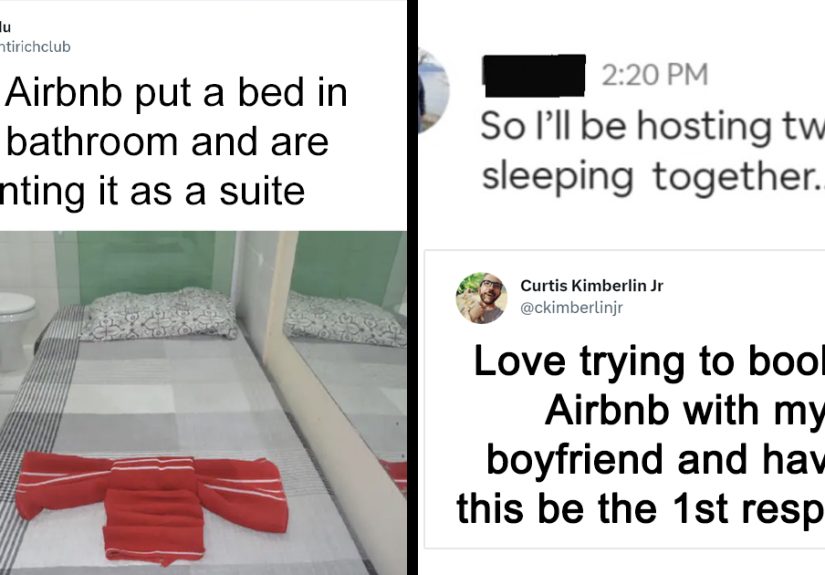
This is the real story behind those 40 infuriating new tweets. They are not random gripes. They are a crowd-sourced consumer report with better punchlines. And together, they help explain why so many travelers think Airbnb is losing its magic.
Airbnb Is Not Dead, but the Vibe Has Absolutely Changed
Let’s start with the obvious contradiction in the headline. Airbnb is not “dying” in a financial obituary sense. The company continues to post strong business results, and it has been expanding beyond home rentals into services, experiences, and even more hotel partnerships. That matters, because it shows the platform still has scale, demand, and a lot of customers who are very much alive and clicking.
But the tweets are not really about the balance sheet. They are about brand fatigue. For years, Airbnb sold a dream: travel like a local, live like a human, stop paying minibar prices for a granola bar the size of a postage stamp. Then many travelers discovered that the modern short-term rental experience can feel less like “live like a local” and more like “pay a premium to borrow someone’s high-maintenance house rules.”
That emotional shift matters. A travel brand can stay profitable while still losing cultural goodwill. In fact, that is exactly what makes the backlash interesting. People are not mocking Airbnb because it disappeared. They are mocking it because it got bigger, pricier, more standardized, and in some cases, more annoying. Nothing kills romance faster than realizing your quirky cabin getaway now comes with a chore chart and a $178 cleaning fee.
What Those Viral Airbnb Tweets Are Really Complaining About
1. The Price You Click Is Not the Price You Feel
The number one reason Airbnb gets dragged online is simple: pricing whiplash. Travelers see a nightly rate that feels manageable, then click through and watch the total balloon like it just discovered venture capital. Cleaning fees, service fees, occupancy costs, and taxes can turn a “great deal” into a budget ambush.
This became such a persistent complaint that price transparency stopped being a nice feature and became a public-relations necessity. Airbnb eventually moved toward total-price display by default, which tells you just how widespread the frustration had become. Nobody redesigns pricing presentation worldwide because customers are thrilled. They do it because customers are tired of feeling catfished by math.
And once travelers start comparing total prices instead of cute thumbnail images, hotels suddenly look a lot less boring. Predictability is a powerful luxury. There is something deeply soothing about seeing one number, paying one number, and not needing a detective board with red string to understand why the final bill doubled.
2. The Cleaning Fee Became the Villain of the Internet
If Airbnb had a cartoon nemesis, it would be the cleaning fee. Not because cleaning a rental costs nothing. Of course it costs money. Someone has to wash sheets, scrub bathrooms, reset supplies, and make the place ready for the next guest. The problem is not the existence of cleaning. The problem is the theatrical way the charge often appears, especially on short stays.
A one-night or two-night trip is where the resentment really goes feral. A separate cleaning fee can make a modest stay suddenly feel absurdly overpriced. That is when the tweets start flying: “Why is my one-night stay priced like I rented a ballroom after a wedding?” At that point, the fee is not just a cost. It becomes a symbol of everything travelers dislike about the platform’s modern pricing model.
Even worse, some guests do not just pay the cleaning fee. They also get a list of cleanup tasks. Which leads us directly to the next reason the internet keeps clowning Airbnb.
3. Guests Hate Paying to Work on Vacation
Nothing sums up the Airbnb backlash better than the famous “checkout chore list.” The internet has seen all of it: strip the beds, start the laundry, run the dishwasher, take out the trash, gather towels, and occasionally complete tasks that make you wonder whether the host mistook you for an intern.
To be clear, most travelers do not object to basic courtesy. Leaving a place decent is normal. Nobody is defending chaos. But there is a big difference between “please lock the door on your way out” and “congratulations, your vacation now includes housekeeping duties.” Once that line gets crossed, the guest no longer feels hosted. The guest feels subcontracted.
That is why these stories explode on social media. They hit a nerve instantly. Hotels may have their own problems, but almost nobody checks out of a Marriott wondering whether they forgot to rotate the linens.
4. Hotel Prices Without Hotel Service Is a Bad Trade
Airbnb built its reputation by offering what hotels could not: extra space, kitchens, neighborhood flavor, and better value for groups. That case still holds in some situations. Larger families or groups splitting a full home can still come out ahead. But for solo travelers, couples, and short city breaks, the value equation has changed.
When the total price starts looking hotel-ish, travelers naturally ask what else they get for the money. Hotels answer with front desks, daily housekeeping, luggage storage, loyalty points, easier problem resolution, and fewer surprises. Airbnb often answers with a keypad code and hope.
That difference shows up all over the tweets. People are no longer comparing fantasy versions of each option. They are comparing real-world tradeoffs. If the Airbnb costs the same as a hotel, but the hotel includes better support and fewer variables, many travelers will choose predictability over personality. That is not because hotels got exciting. It is because uncertainty got expensive.
5. Trust Took a Hit
Pricing irritation alone would be survivable. Trust problems are tougher. Fake listings, misleading photos, missing amenities, or sudden host cancellations all damage the core promise of the platform. A traveler can forgive a slightly weird couch. It is much harder to forgive arriving in a city at night only to discover the stay is not what was advertised, or worse, may not really exist in the way it seemed online.
That is one reason these tweets feel more than snarky. They often describe a system problem: too much inconsistency. The best hotels are boring in the most useful way possible. The room may not be soulful, but the odds of a complete reality mismatch are lower. Airbnb, on the other hand, is still a marketplace full of wildly different hosts, standards, communication habits, and ideas about what “walkable” means. On one listing, it means five minutes to downtown. On another, it means “you can technically walk there if you enjoy heatstroke.”
6. The Brand Is Caught in a Housing and Regulation Fight
Another reason Airbnb gets hammered online is that the criticism is no longer just about travel comfort. In many cities, short-term rentals are tangled up with bigger fights over housing supply, neighborhood disruption, and affordability. Once that happens, Airbnb stops being just a booking app and starts becoming a political symbol.
That shift changes the tone of the backlash. Some tweets complain about fees. Others frame the company as part of a larger urban problem: fewer long-term rentals, more tourist turnover, and neighborhoods that feel increasingly built for visitors instead of residents. Whether every complaint is perfectly fair is almost beside the point. The reputational damage is real because the platform now lives inside a much bigger public argument.
And regulations are not theoretical anymore. Major cities have tightened rules, and enforcement has become more aggressive in some places. That creates friction for hosts, confusion for guests, and another layer of instability for a platform that used to feel much more carefree.
Why the “Airbnb Is Dying” Narrative Keeps Winning Online
The phrase works because it captures a broader emotional truth. What many travelers miss is not merely cheap lodging. They miss the old Airbnb bargain: lower prices, more character, and a sense that you had outsmarted the travel industry. The tweets land because they document the collapse of that bargain in real time.
In the old fantasy, Airbnb was the rebel. Hotels were bland, corporate, and overpriced. In the current joke economy, Airbnb is the platform charging you a cleaning fee while asking you to perform a closing shift. That is a spectacular reversal. It is also why the criticism spreads so easily. Nobody needs a long explainer to understand why “expensive and inconvenient” is a dangerous combo.
Social media also rewards complaints that are easy to visualize. A screenshot of a ridiculous checkout list is instantly shareable. A photo of a fee breakdown is instantly relatable. A story about being asked to vacuum before a 10 a.m. checkout practically writes its own punchline. These are not abstract policy debates. They are meme-ready frustrations with receipts attached.
Can Airbnb Fix the Problem?
Yes, but only if it keeps doing the least glamorous thing in tech: making the product more boring in good ways. Clearer total pricing helps. Stronger standards for listings help. Reducing unreasonable checkout tasks helps. Better enforcement against fraud helps. Easier refunds and stronger customer support help even more.
The deeper challenge is this: Airbnb grew by selling uniqueness, but scale punishes inconsistency. The bigger the platform gets, the less patience travelers have for surprise costs and roulette-wheel quality control. You cannot operate at global scale while still acting like every bad experience is an isolated misunderstanding between creative individuals. At some point, the platform has to own the pattern.
That is why Airbnb has been trying to look more polished, more transparent, and in some cases more hotel-like. Ironically, the company that once won by rejecting hotel norms is now borrowing some of them back. That may be smart business. It is also a quiet admission that many of the tweets had a point.
Traveler Experiences Behind the Tweets: The Real Reason the Complaints Feel So Familiar
What makes these Airbnb tweets so sticky is that they do not sound like edge cases anymore. They sound like stories travelers swap in group chats after a weekend trip. One person books a cute apartment because the hotel nearby looked too expensive. Another friend opens the total and says, “Wait, why is the cleaning fee basically a second night?” Everybody laughs, but not because it is rare. They laugh because it is now part of the script.
Then comes the arrival experience. Sometimes it is smooth. Sometimes it feels like a side quest. The instructions are hidden in three separate messages. The keypad code arrives late. The parking note contradicts the listing. The “easy self-check-in” turns out to require a gate, a lockbox, a second lockbox, and the emotional resilience of an escape-room enthusiast. Hotels may not be magical, but they do offer one underrated luxury: a person at a desk whose entire job is helping you get into the building.
Inside the rental, the experience can still be wonderful. That is why Airbnb has not gone anywhere. A full kitchen is genuinely useful. A living room is a gift when you are traveling with kids, friends, or relatives who snore like broken lawn equipment. But the gap between best-case and worst-case stays is what wears people down. When a hotel is mediocre, it is usually predictably mediocre. When an Airbnb disappoints, it can disappoint in unusually creative ways.
Many of the complaints also come from a simple emotional mismatch. Guests increasingly feel like they are paying premium prices, so they expect premium treatment. Instead, they sometimes get a host relationship that feels oddly tense. Be quiet, but also enjoy yourself. Clean up, but also pay the cleaning fee. Follow the rules, but discover half of them only after booking. Do not ask for flexibility, but please leave a five-star review. That tension is exactly the kind of thing that turns an ordinary annoyance into a viral post.
And then there is checkout day, where the mood often shifts from vacation glow to unpaid labor drama. Most people do not mind tossing trash or locking up. But when the instructions start sounding like end-of-shift closing duties, resentment shows up fast. Travelers compare that feeling with the hotel experience and realize something important: convenience is not boring at all. Convenience is beautiful. Convenience is waking up, grabbing coffee, and leaving without needing to photograph the dishwasher to prove compliance.
That is the deeper reason these tweets resonate. They capture a growing sense that Airbnb is no longer automatically the smarter, cooler option. It can still be the right choice, especially for longer stays or larger groups. But the days when the brand got the benefit of the doubt are fading. Travelers are now doing more math, asking more questions, and treating the platform with less starry-eyed trust. In internet terms, that is what “Airbnb is dying” really means. Not extinction. Just the end of automatic love.
Final Thoughts
The viral backlash against Airbnb is not just a pile-on. It is a consumer mood swing backed by real frustrations. Those 40 infuriating new tweets may be funny, but they also map the exact reasons many travelers are rethinking short-term rentals: hidden-feeling costs, cleaning fee resentment, ridiculous checkout chores, inconsistent quality, support issues, and growing regulatory heat.
Airbnb still has strengths. It can be a brilliant option for groups, long stays, unique homes, and destinations where hotels are limited. But the company no longer gets to coast on its original myth. Today, it has to compete on clarity, trust, and ease, not just charm. And if it fails, the internet is more than ready to post another 40 screenshots about it.
In other words, Airbnb is not dying because people hate the idea of home sharing. It is struggling because too many travelers now feel like the experience stopped matching the promise. In the travel business, that is the kind of problem no amount of aesthetic listing photos can fix.