Table of Contents >> Show >> Hide
- Why Endometriosis Can Make Sex Painful
- What to Do Right Away When Sex Hurts
- How to Make Sex More Comfortable Over Time
- When to See a Doctor About Painful Sex and Endometriosis
- How Doctors Evaluate Painful Sex With Endometriosis
- Treatment Options That May Help
- Talking to a Partner Without Making It Weird
- What Not to Do
- Can Painful Sex With Endometriosis Get Better?
- Experiences People Commonly Describe When Sex Hurts With Endometriosis
- Conclusion
Let’s start with the most important truth: if sex hurts with endometriosis, you are not “bad at relaxing,” broken, dramatic, or somehow failing a secret adulthood exam nobody remembers signing up for. Pain during or after sex is a common symptom of endometriosis, and it can be deeply frustrating because it affects more than your body. It can shake your confidence, change your relationship with intimacy, and make you feel like your own pelvis has declared war at the worst possible time.
The good news is that painful sex with endometriosis is not something you just have to grin and endure. There are real reasons it happens, real tools that can help, and real treatments worth discussing with a qualified clinician. Some people get relief from small practical changes, such as more lubrication or switching positions. Others need a bigger plan that includes medication, pelvic floor physical therapy, counseling, surgery, or a combination approach. The key is understanding that pain with sex is information, not a personality trait.
This guide breaks down what to do when sex hurts with endometriosis, how to make intimacy more comfortable, when to call a doctor, and how to think about the emotional side without turning the whole conversation into a gloomy after-school special.
Why Endometriosis Can Make Sex Painful
Endometriosis happens when tissue similar to the lining of the uterus grows outside the uterus. Those growths can irritate nearby organs, trigger inflammation, create scar tissue, and make certain movements or pressure feel painful. When that pain shows up during sex, it often feels deeper in the pelvis, though some people also notice tension, burning, soreness, or cramping that lasts afterward.
One reason sex can hurt with endometriosis is location. If endometriosis affects areas behind the uterus, near the vaginal canal, on the uterosacral ligaments, or around the ovaries, certain angles or deeper penetration may press on already irritated tissue. That can turn intimacy into an unwanted pelvic alarm bell. Another reason is muscle guarding. When your body expects pain, the pelvic floor can tighten automatically, which may make sex even more uncomfortable. Add inflammation, fatigue, stress, digestive symptoms, or bladder pain, and suddenly the whole region starts acting like an overbooked complaint department.
Also, not all pain is caused by endometriosis alone. Some people have overlapping issues such as pelvic floor dysfunction, vulvodynia, vaginal dryness, ovarian cysts, bowel symptoms, bladder pain, or adenomyosis. That is why a good evaluation matters. You are not just trying to slap a cute label on the pain. You are trying to find out what is actually driving it.
What to Do Right Away When Sex Hurts
1. Stop treating pain like a test of toughness
If sex starts hurting, pause. Full stop. Pushing through pain may leave you more sore afterward and can train your body to expect pain the next time. That is not sexy. That is nervous-system chaos wearing perfume.
2. Say what is happening out loud
You do not need a perfect speech. A simple “That hurts,” “I need to slow down,” or “Let’s switch gears” is enough. Clear communication reduces anxiety, helps your partner respond better, and keeps pain from becoming a silent third party in the room.
3. Change the angle, depth, or activity
For many people with endometriosis, deeper penetration is the main trigger. That means adjusting depth can help. Try positions that allow more control over pace and angle, use pillows for support, and prioritize options that reduce pelvic pressure. Side-lying positions, shallower penetration, and positions where the receiving partner controls movement often feel better than anything that resembles a pelvic cannonball.
4. Use lubricant generously
Lubrication cannot treat endometriosis itself, but it can reduce friction and make intimacy more comfortable, especially if you also have dryness or pelvic floor tension. Water-based or silicone-based lubricants are common choices. This is not cheating. This is smart engineering.
5. Think beyond penetration
Intimacy is bigger than one script. If penetrative sex hurts, that does not mean closeness is off the table. Some couples do better when they take pressure off performance and focus on forms of connection that do not trigger pelvic pain. Less pressure often means less muscle tension, and less tension can mean a better overall experience.
How to Make Sex More Comfortable Over Time
Track patterns instead of guessing
Keep a simple log for a few weeks. Note when pain happens, where you feel it, whether it is during or after sex, where you are in your menstrual cycle, and whether bowel symptoms, bladder symptoms, bleeding, or fatigue show up too. This helps in two ways: it may reveal patterns, and it gives your doctor something more useful than “Honestly, everything is weird and annoying.”
Time intimacy strategically
Some people notice sex is less painful on certain days of the month and much worse around their period or ovulation. If you know your flare windows, you may be able to plan intimacy for times when your pelvis is less likely to stage a protest.
Warm up your muscles and nervous system
A warm bath, heating pad, breathing exercises, stretching, or a longer transition into intimacy may help some people feel less guarded. If your body is bracing for impact before anything even begins, slowing down matters.
Consider pelvic floor physical therapy
This is one of the most overlooked tools for painful sex with endometriosis. A pelvic floor physical therapist can help address muscle tightness, guarding, coordination problems, and pain patterns. If endometriosis is the spark, pelvic floor dysfunction is often the gasoline. Treating both can make a major difference.
Address stress and fear around pain
When pain becomes predictable, anxiety often follows. Then anxiety tightens muscles, reduces arousal, and lowers your pain threshold. Delightful cycle, right? Counseling, sex therapy, or pain-focused therapy can help break that loop. This does not mean the pain is “all in your head.” It means your brain and body are on the same group chat, and both deserve support.
When to See a Doctor About Painful Sex and Endometriosis
If sex hurts regularly, bring it up with a gynecologist or another qualified clinician. Yes, even if it feels awkward. Especially then. Pain during sex is a legitimate medical symptom, not a side quest you should solve alone at 2 a.m. with search results and vibes.
Make an appointment sooner rather than later if:
- pain happens often or is getting worse
- you have pelvic pain outside of sex too
- you notice heavy periods, painful periods, bowel pain, bladder pain, or bleeding after sex
- you feel sore for hours or days after intimacy
- you suspect endometriosis but have never been evaluated
- you have trouble with relationships, sleep, mood, or quality of life because of the pain
Seek urgent medical care if the pain is sudden and severe, or if it comes with fever, vomiting, heavy bleeding, unusual discharge, dizziness, fainting, or signs of infection. Endometriosis is not the only cause of pain with sex, so sudden changes deserve prompt attention.
How Doctors Evaluate Painful Sex With Endometriosis
A clinician will usually start with your symptom history, menstrual history, and a discussion of where and when the pain happens. They may ask whether the pain feels deeper in the pelvis or closer to the vaginal opening, whether it happens only with sex or also with bowel movements or urination, and whether you have other symptoms such as bloating, fatigue, or infertility concerns.
You may also have a pelvic exam, and depending on your symptoms, your doctor might order imaging such as an ultrasound or MRI. Imaging can help identify cysts or other problems, but it does not always catch every case of endometriosis. That is one reason the condition can take years to diagnose. In some cases, laparoscopy is used to confirm and sometimes treat endometriosis.
Try to be specific during the visit. Instead of “Sex hurts,” say things like “The pain is deep and sharp,” “It is worse in certain positions,” or “I cramp for a day afterward.” Those details matter.
Treatment Options That May Help
Pain relief
Nonsteroidal anti-inflammatory drugs, often called NSAIDs, may help some people manage pain flares. These are usually more helpful as part of a broader plan than as a magic wand, but they can still be useful.
Hormonal treatment
Hormonal therapy is commonly used to manage endometriosis pain. Depending on your situation, options may include birth control pills, progestin-only treatments, hormonal IUDs, GnRH-based treatments, or other suppression strategies. The goal is usually to reduce the hormonal stimulation that fuels endometriosis-related pain. The best choice depends on your symptoms, side effect tolerance, age, medical history, and whether pregnancy is a current goal.
Pelvic floor physical therapy
If muscles are contributing to the pain, physical therapy can be incredibly helpful. This is especially true when sex hurts even after inflammation is treated, or when pain has led to chronic clenching and guarding.
Surgery
Some people benefit from laparoscopic surgery to remove endometriosis lesions, scar tissue, or endometriomas. Surgery is not a universal cure, and symptoms can return, but it can reduce pain and improve quality of life for some patients. If painful sex is a major symptom, ask how the location of your disease may relate to it and whether surgery could reasonably help.
Multidisciplinary care
Many people do best with a layered plan: gynecologic care, pelvic floor therapy, pain management, mental health support, and practical changes at home. If one treatment does not fix everything, that does not mean you are out of options. It usually means the problem has more than one driver.
Talking to a Partner Without Making It Weird
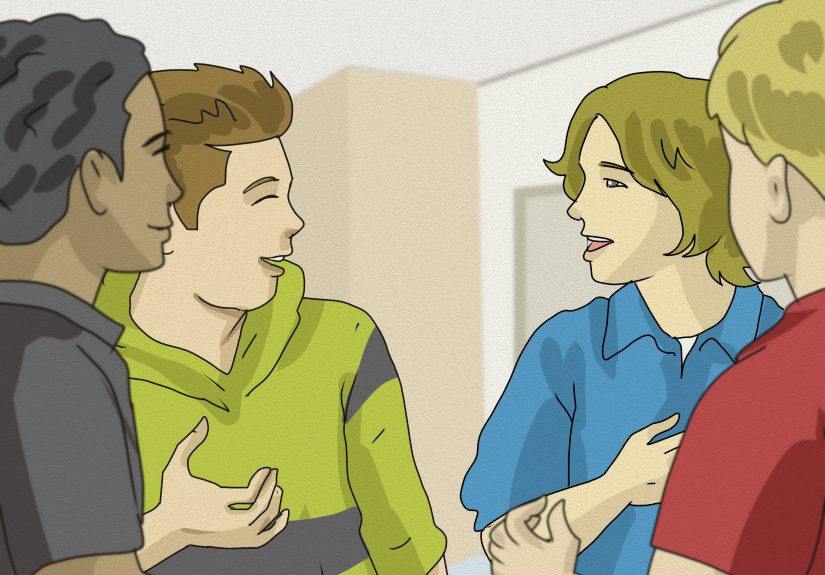
It may feel hard to explain pelvic pain during intimacy because the topic is personal and emotions can get tangled fast. But honesty usually works better than silence. Tell your partner what hurts, what helps, what warning signs you notice, and what support looks like for you. Maybe that means slowing down. Maybe it means more check-ins. Maybe it means redefining intimacy on flare days.
A good partner is not looking for a performance review. They are looking for a way to stay connected without hurting you. Framing the issue as a health problem instead of a rejection can help both of you breathe easier.
What Not to Do
- Do not keep forcing the same approach and hoping your pelvis suddenly becomes cooperative.
- Do not assume the pain is “normal” just because you have endometriosis.
- Do not blame yourself for needing adjustments, breaks, or treatment.
- Do not let embarrassment keep you from getting evaluated.
- Do not settle for “everything looks fine” if your symptoms are clearly not fine.
Can Painful Sex With Endometriosis Get Better?
Yes, for many people it can. The path is not always quick, and it is rarely one-size-fits-all, but improvement is absolutely possible. Some people feel much better after identifying triggers and changing positions. Some improve with pelvic floor therapy. Others need hormonal treatment or surgery before sex becomes manageable again. Often, relief comes from combining medical care with practical intimacy strategies instead of waiting for one perfect fix to do all the work.
The biggest shift is often this: stop treating painful sex like a private failure and start treating it like a solvable health problem. That mindset alone can move you from shame to strategy, which is a much better neighborhood.
Experiences People Commonly Describe When Sex Hurts With Endometriosis
Many people with endometriosis say the hardest part is not just the pain itself. It is the confusion. At first, they may think they are doing something wrong, that they need to “just relax,” or that everyone secretly finds sex uncomfortable and nobody mentions it. Then the pattern becomes harder to ignore. Maybe the pain shows up only in certain positions. Maybe it feels fine in the moment but turns into cramping an hour later. Maybe it gets worse around a period, during ovulation, or during a flare when bowel symptoms are acting up too.
Another common experience is the delay in connecting the dots. A person may already have painful periods, bloating, fatigue, or pain with bowel movements, but not realize that painful sex belongs in the same conversation. Some say they mention it casually during an appointment, almost as an afterthought, only to learn that it is actually one of the classic symptoms clinicians look for when evaluating endometriosis.
People also often describe a cycle of anticipation and tension. After a few painful experiences, the body starts expecting pain before intimacy even begins. Muscles tighten. Anxiety increases. A person may become less interested in sex, not because they do not want closeness, but because they are bracing for the aftermath. This can create guilt, frustration, or misunderstanding in relationships, especially if nobody has clearly named the problem yet.
There are also stories of relief, and those matter. Some people say the breakthrough was finally seeing a specialist who took their pain seriously. Others say pelvic floor physical therapy changed everything because it addressed the muscle tension layered on top of the endometriosis. Some found that changing positions, using more lubricant, and slowing down made intimacy feel possible again. Others improved after starting hormonal treatment or having laparoscopic surgery. The details vary, but the theme is the same: when the pain is understood, options open up.
Emotionally, many people describe a sense of grief mixed with hope. Grief for spontaneity, confidence, or the version of intimacy they expected to have. Hope because once the subject is finally out in the open, there is room for problem-solving instead of guessing. That may involve a doctor, a physical therapist, a therapist who understands pain and relationships, or a partner who is willing to learn. Usually, it involves some trial and error. Bodies are not spreadsheets. They do not always respond in a neat little column.
The most encouraging experience people share is this: pain does not have to be the final word. It may be part of the story right now, but it does not get to narrate the whole future. With support, treatment, and honest communication, many people find ways to reduce pain, protect intimacy, and feel more at home in their bodies again.
Conclusion
If sex hurts with endometriosis, the answer is not to stay silent, push through it, or assume this is simply the price of having a pelvic condition. Start by pausing when it hurts, adjusting what you can, tracking patterns, and getting a proper medical evaluation. Painful sex can be related to inflammation, lesion location, scarring, pelvic floor tension, or overlapping conditions, which is why treatment often works best when it is personalized.
Most of all, remember that comfort, pleasure, safety, and intimacy are not luxuries. They are part of health. Your body is not being difficult. It is asking for better information, better support, and a plan that actually respects what it is telling you.