Table of Contents >> Show >> Hide
- Why Silk Needs Special Care
- Before You Wash: Read the Label Like It Owes You Money
- How to Hand Wash Silk Garments
- How to Wash Silk in the Washing Machine
- How to Dry Silk Without Ruining It
- Common Mistakes to Avoid
- When You Should Skip Home Washing
- Best Practices for Different Silk Garments
- Real-Life Experiences and Lessons From Washing Silk
- Conclusion
Silk is the diva of the laundry world. It is gorgeous, dramatic, expensive enough to make you nervous, and fully capable of punishing bad decisions with water spots, stretched seams, or that sad “why does this blouse look tired now?” effect. The good news is that silk is not impossible to wash at home. It just wants a little respect, a gentle touch, and absolutely no chaotic laundry energy.
If you have ever stood over a sink holding a silk blouse like it was a tiny hostage, this guide is for you. Below, you will learn exactly how to wash silk garments by hand, when it is safe to use the washing machine, what mistakes to avoid, and how to dry silk without turning it into a wrinkled mystery fabric. We will also cover stain care, color bleeding, and the difference between “dry clean,” “dry clean recommended,” and the phrase that should stop you in your tracks: “dry clean only.”
Why Silk Needs Special Care
Silk is a natural protein fiber, which is one reason it feels luxurious against the skin. It is also why silk can react badly to rough agitation, harsh detergents, hot water, and high heat. In plain English, silk likes spa treatment, not boot camp.
The fabric can lose sheen, bleed dye, shrink, snag, or develop stubborn creases if you wash it aggressively. That does not mean every silk item must go straight to the dry cleaner. It means you should slow down, read the label, and choose the gentlest method that fits the garment.
Before You Wash: Read the Label Like It Owes You Money
Before you do anything, check the care label. This is the part many people skip, then later stare into the distance wondering where it all went wrong.
What the label usually means
Dry clean only: Do not experiment. Take it to a professional cleaner, especially if the garment is structured, lined, tailored, embellished, pleated, vintage, or very expensive.
Dry clean: This often means professional cleaning is preferred, but some garments may still tolerate cautious hand-washing at home.
Hand wash: Great. Your sink is now part of the plan.
Machine washable silk or gentle cycle: You may be able to use the washing machine, but only with very gentle settings.
Do a colorfastness test
If the item is brightly colored, dark, patterned, or printed, dampen a hidden seam with cool water and blot with a white cloth. If color transfers, stop. That garment is not volunteering for a home wash.
Check for weak spots and stains
Look at the underarms, neckline, cuffs, and front placket. Silk often collects deodorant residue, makeup, body oil, or perfume in those areas. Also inspect seams, loose threads, and tiny snags. A garment that is already fragile should not be put through a machine just because your schedule is busy and your optimism is loud.
How to Hand Wash Silk Garments
Hand-washing is usually the safest method for washable silk. It is simple, effective, and far less scary once you have done it once.
What you need
- A clean sink, basin, or large bowl
- Cool or cold water
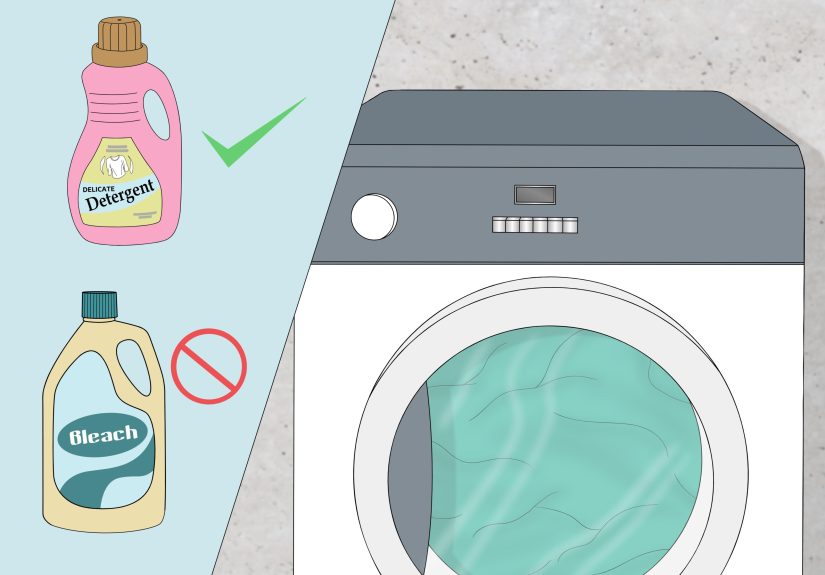
- A gentle detergent made for delicates, silk, or wool
- A clean white towel
Step 1: Fill the basin
Fill a clean basin with cool or cold water. Add a small amount of gentle detergent and swish the water so it dissolves evenly. More detergent is not better here. Silk is not a greasy frying pan. You want light cleansing, not a bubble festival.
Step 2: Pre-treat carefully
If you see a light stain, treat it gently. Dab, do not scrub. Rubbing silk can rough up the fibers and leave the area dull. For deodorant or perspiration marks, use a delicate touch and avoid harsh stain removers unless they are clearly labeled safe for silk. Bleach is a hard no.
Step 3: Submerge and swish
Place the garment in the water and move it gently with your hands. Think soft swishing, not aggressive kneading. Let it soak briefly, usually just a few minutes. Silk releases soil quickly, so there is no award for soaking it forever.
Step 4: Rinse thoroughly
Drain the soapy water and rinse the garment under cool water until the water runs clear and the fabric no longer feels slippery. Leftover detergent can make silk feel stiff, dull, or unhappy in a way only expensive fabric can express.
Step 5: Remove excess water the right way
Never wring silk. Twisting can leave permanent creases, stretch the fabric, and distort the shape. Instead, press the garment gently against the sink or basin to release water. Then lay it flat on a clean white towel, roll the towel up, and press lightly. This helps pull out moisture without rough handling.
Step 6: Dry flat or hang with care
Lay the garment flat on a dry towel or drying rack away from direct sunlight and direct heat. Some silk garments, like lightweight blouses, camisoles, and robes, may also be hung on a padded or plastic hanger if the label allows and the wet weight will not distort the shape. When in doubt, dry flat.
How to Wash Silk in the Washing Machine
Yes, some silk garments can go in the washer. No, that does not mean you should toss them in with jeans, bath towels, and the family’s emotional baggage.
Use the washing machine only if the label says the item is machine washable, washable silk, or safe for a gentle or hand-wash cycle. If the garment is vintage, embellished, deeply dyed, lined, or sentimental enough to make you cry if damaged, hand-wash it or dry clean it instead.
Step 1: Turn the garment inside out
This helps reduce friction on the visible side of the fabric. For pillowcases, slips, or blouses with delicate surfaces, turning the item inside out is a smart extra layer of protection.
Step 2: Use a mesh laundry bag
Put the silk garment in a mesh bag. This is one of the easiest ways to reduce snagging, abrasion, and accidental encounters with zippers, hooks, or the spin cycle’s dramatic personality.
Step 3: Wash with similar lightweight items
Do not wash silk with heavy fabrics like denim, sweatshirts, or towels. Keep the load small and lightweight. If possible, wash silk alone or with other delicate items in similar colors.
Step 4: Choose the right settings
Select the delicate, gentle, or hand-wash cycle. Use cold water. Choose the lowest spin speed available. The entire goal is to reduce agitation. If your washer has a center agitator and you do not fully trust it, that is a healthy instinct.
Step 5: Add gentle detergent
Use a mild detergent designed for delicate fabrics. Skip chlorine bleach, skip strong brighteners, and skip anything that promises to attack stains like it is auditioning for an action movie.
Step 6: Remove promptly
When the cycle ends, remove the garment right away. Leaving silk bunched in the washer invites wrinkles, creases, and the kind of stale damp smell that ruins your victory lap.
How to Dry Silk Without Ruining It
Drying is where many good washing attempts go off the rails. Silk dislikes high heat, prolonged direct sun, and rough handling after washing.
The safest drying methods
- Lay flat on a clean towel
- Dry on a flat mesh rack
- Hang carefully only if the garment is light and the label allows it
Keep silk away from radiators, sunny windows, and hot dryers. Some brands may allow air-only or very low-heat tumble drying, but the safest default is to avoid the dryer unless the care label clearly says it is okay.
What about wrinkles?
If the garment is wrinkled, smooth it gently with your hands while damp and let gravity do some of the work. You can steam silk lightly if the label permits, but keep heat controlled. If using an iron, use a low setting, press on the wrong side, and place a pressing cloth between the iron and the fabric. Silk and scorching are not a cute pairing.
Common Mistakes to Avoid
Using hot water
Hot water can weaken fibers, fade color, and dull silk’s natural sheen. Cool or cold water is usually the safer choice.
Scrubbing stains
Silk is not the fabric for energetic cleaning. Blot and dab. Do not scrub like you are trying to erase a bad memory.
Using too much detergent
Excess detergent is hard to rinse out and can leave the fabric looking flat. Use a small amount and rinse well.
Wringing or twisting
This is one of the fastest ways to create creases and distortion. Press and roll in a towel instead.
Putting silk in the dryer by default
Unless your label specifically says tumble dry low or air-only, skip it. Air-drying is the safer path.
Ignoring the label
A silk slip is not the same as a structured silk blazer. Labels exist because garments are not all built the same, even if they all look equally expensive on the hanger.
When You Should Skip Home Washing
Take silk to a professional cleaner if the item is:
- Labeled dry clean only
- Heavily structured or tailored
- Lined, pleated, or embellished
- Vintage or heirloom quality
- Deeply saturated, printed, or prone to dye bleeding
- Covered in oil-based stains, set-in marks, or mystery damage
There is a difference between confidence and gambling. If the loss would genuinely hurt, let a professional handle it.
Best Practices for Different Silk Garments
Silk blouses and camisoles
These are ideal candidates for hand-washing. Machine washing can work if labeled washable, but always use a mesh bag and low agitation.
Silk pillowcases
Many are machine washable. Turn them inside out or bag them, use cold water, and wash on a delicate cycle. Air-dry flat for the best results.
Silk robes and slips
Hand-washing is usually the gentlest route. Many can also be machine-washed on delicate if the label allows. Keep them far away from heavy items and high heat.
Silk scarves
Scarves are often colorful and prone to dye transfer. Hand-wash with extra caution, or dry clean if the colors are vivid, the print is valuable, or the fabric is vintage.
Real-Life Experiences and Lessons From Washing Silk
The funniest thing about learning how to wash silk is that most people begin in a state of mild panic. They either avoid washing it for months, or they make one brave but questionable decision and immediately become a cautionary tale. Over time, though, most silk owners figure out the same truth: silk is delicate, but it is not made of fairy dust.
One common experience is the first successful hand-wash of a silk blouse that looked doomed after a hot day, a deodorant smudge, and a little too much perfume. People often expect the worst. Then they use cool water, a tiny amount of gentle detergent, a short soak, and a towel to remove moisture, and the blouse comes out looking surprisingly fresh. That moment tends to create instant laundry confidence. Suddenly, the sink feels less like a punishment and more like a power move.
Another frequent lesson comes from the washing machine. Many people assume that if a garment survives one delicate cycle, all silk is now machine-safe forever. That is how a washable pillowcase and a vintage silk scarf end up receiving the same treatment, which is not a great plan. Washable silk usually responds well when bagged, separated from heavy fabrics, and washed in cold water. But garments with intense dye, fragile seams, or special trims can react very differently. Experience teaches caution fast.
There is also the universal mistake of using too much detergent. People think more soap means more clean, then spend ten minutes rinsing a silk camisole that still feels slippery and looks a little dull. With silk, less is usually better. The fabric does not need an aggressive cleanse. It needs a polite introduction to soapy water and a thorough rinse.
Drying creates its own set of stories. Plenty of people learn the hard way that wringing silk is a terrible idea. It seems efficient for about three seconds, right up until the garment dries with odd creases or a shape that appears emotionally damaged. The towel-roll method feels slow the first time, but it quickly becomes a favorite because it works so well.
Then there is the dryer temptation. Almost everyone has had that moment of thinking, “Maybe just five minutes.” Sometimes they get away with it on air-only. Sometimes they do not. Experienced silk owners usually arrive at the same conclusion: unless the label clearly gives permission, the dryer is not your friend.
The best silk-washing experience is usually the boring one, which is actually a compliment. You wash gently, dry patiently, smooth out wrinkles, and the garment looks exactly the way it should. No drama. No shrinkage. No weird shine marks. Just a clean silk piece that still feels soft, looks elegant, and makes you feel like you have quietly defeated laundry chaos with skill and grace.
Conclusion
If you want silk to last, the formula is simple: read the label, go gentle, keep the water cool, choose a mild detergent, and dry with patience. Hand-washing is usually the safest option, while machine washing works best only for garments clearly labeled as washable silk or gentle cycle safe. Avoid bleach, avoid wringing, avoid heat, and avoid pretending every expensive fabric can survive “just a quick regular wash.” Silk has standards. Honestly, fair enough.