Table of Contents >> Show >> Hide
- Before You Open the Diffuser: A Quick Reality Check
- 1. Peppermint Oil
- 2. Eucalyptus Oil
- 3. Lavender Oil
- 4. Lemon Oil
- 5. Tea Tree Oil
- 6. Frankincense Oil
- How To Use Essential Oils for Allergies More Safely
- When Essential Oils Are a Bad Idea
- What Works Better Than Essential Oils for Most Allergy Symptoms
- So, Which Essential Oil Is Best for Allergies?
- Experiences People Commonly Have With Essential Oils for Allergies
- Conclusion
- SEO Tags
If allergies make your nose feel like it has filed a formal complaint against spring, you are not alone. Sneezing, congestion, itchy eyes, postnasal drip, and that glamorous “I slept with one eye open because I couldn’t breathe” look can turn a nice day into a pollen-powered ambush. That is why so many people search for natural options like essential oils.
Here is the honest version, not the internet version with too many exclamation points: essential oils are not a cure for allergies. They will not retrain your immune system, erase pollen, or replace proven allergy treatments. But some people do find that certain oils make breathing feel easier, support relaxation, or add a little comfort when allergy symptoms are making life annoying. The trick is knowing which oils may help, how they are usually used, and where the safety line is.
This guide walks through six essential oils commonly discussed for allergy relief, what they may actually do, what they definitely do not do, and how to use them without turning a sniffly day into a worse day.
Before You Open the Diffuser: A Quick Reality Check
Most allergy symptoms, especially seasonal allergies and allergic rhinitis, are caused by your immune system reacting to things like pollen, dust mites, mold, or pet dander. That reaction triggers inflammation and histamine release, which leads to the classic parade of sneezing, runny nose, congestion, watery eyes, and itching.
Essential oils may help in three main ways:
- They can create a cooling or soothing sensation that makes you feel less congested.
- Some may support relaxation or better sleep when symptoms are wearing you down.
- A few are used topically for allergy-related skin irritation, though that comes with extra caution.
What they do not do is replace first-line allergy care. If your symptoms are frequent or moderate to severe, standard treatments such as saline rinses, antihistamines, intranasal corticosteroid sprays, trigger reduction, and allergy testing usually have much stronger evidence behind them.
1. Peppermint Oil
Why people use it
Peppermint oil is the overachiever of the essential oil shelf. Thanks to its menthol content, it creates a cooling sensation that can make your nose and upper airways feel more open. That does not mean it is “curing” allergy inflammation, but it may help you feel less stuffy for a while.
What it may help with
If your allergies leave you with a heavy, blocked-up feeling, peppermint is one of the most commonly used oils for temporary comfort. Many people like it in steam inhalation or in a diffuser for that fresh, brisk feeling that says, “Maybe I can breathe like a regular person again.”
Best use
Try a very small amount in a diffuser or a diluted topical blend applied away from the eyes and inside of the nose. Less is more here. Peppermint is powerful, and your sinuses do not need a motivational speaker shouting at them.
Safety notes
Peppermint oil can irritate skin, and menthol-containing products should not be applied near the face of infants or very young children. If you have asthma or very reactive airways, peppermint may feel too intense rather than soothing.
2. Eucalyptus Oil
Why people use it
Eucalyptus is probably the essential oil most closely associated with congestion. Its scent has that unmistakable “spa meets cold season” vibe, and many people use it when they feel clogged up from allergies or sinus pressure.
What it may help with
Eucalyptus may help you feel like nasal passages are a bit more open, especially during steam inhalation or diffusion. That sensation can be useful when pollen, dust, or lingering sinus irritation make breathing through your nose feel like a part-time job.
Best use
Diffusion is usually the easiest option. Some people also use diluted eucalyptus in a chest rub or on the temples, but it should stay far away from the eyes, inside of the nose, and broken skin. If you try steam inhalation, keep it gentle and do not overdo it.
Safety notes
Eucalyptus can irritate skin and airways if too strong. It should never be swallowed. It is also not a smart choice around very young children, and people with asthma or fragrance sensitivity may find it triggering rather than helpful.
3. Lavender Oil
Why people use it
Lavender is not the obvious “allergy oil,” but it earns its place for one practical reason: allergies can wreck sleep. When your nose is stuffed up, your throat is scratchy, and you are sneezing every time you lie down, sleep quality can nosedive. Lavender is often used to promote calm and a better bedtime routine.
What it may help with
Lavender may be most useful for the indirect misery of allergies rather than the allergies themselves. If symptoms leave you restless, tired, or generally crabby in a way that would test the patience of a saint, lavender may help create a calmer environment for rest.
Best use
A small amount in a diffuser before bed or a diluted roll-on on the wrists can be enough. A pillow spray made for sensitive users is another option. Think “gentle nudge toward sleep,” not “magical anti-pollen force field.”
Safety notes
Lavender can still cause headaches, coughing, or skin reactions in some people. If scents tend to bother you, lavender may not be the mellow hero it is often advertised to be.
4. Lemon Oil
Why people use it
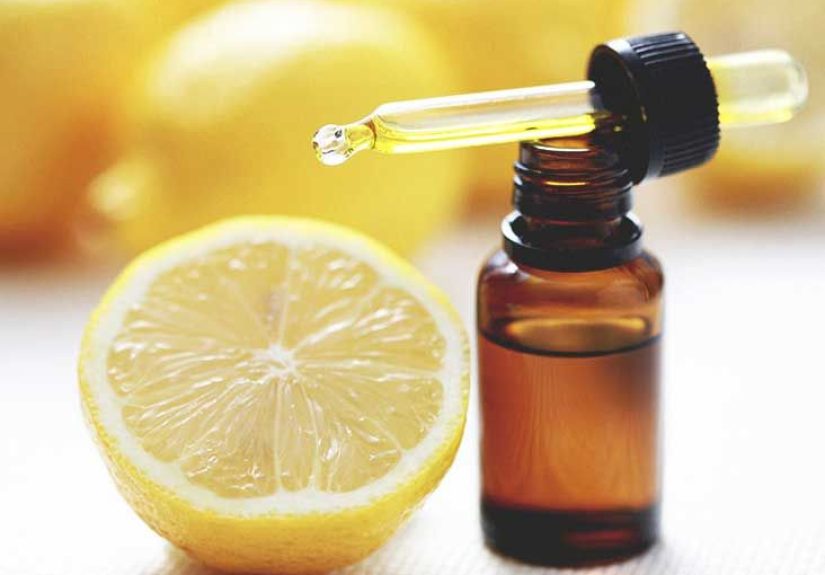
Lemon oil smells clean, bright, and like your living room suddenly has its life together. It is often used in aromatherapy blends aimed at freshness, clarity, and lifting that foggy feeling that can come with allergy season.
What it may help with
Lemon oil may help make an indoor space feel fresher, especially when combined with good ventilation and regular cleaning during high-allergen seasons. Some people also find citrus aromas energizing when allergies leave them tired and dull. That said, lemon oil is more about atmosphere and comfort than direct allergy relief.
Best use
Use it in a diffuser, especially in rooms that feel stale or stuffy. It can pair well with lavender or eucalyptus in a light blend, but keep the amount modest.
Safety notes
If used on skin, lemon oil must be diluted carefully, and citrus oils can increase sun sensitivity. Translation: applying it and then heading into bright sunlight is not a clever experiment.
5. Tea Tree Oil
Why people use it
Tea tree oil is best known for skin use, not seasonal sneezing. That makes it more relevant for people whose allergies show up partly on the skin, such as itchiness, sensitivity, or irritation that overlaps with eczema-prone skin.
What it may help with
Tea tree may sometimes be included in diluted topical blends or skincare products meant for irritated skin. But this is where the caution alarm gets louder, because essential oils can also trigger contact irritation or allergic reactions. In other words, tea tree can be helpful for some skin issues and absolutely unwelcome for others.
Best use
If you try it, use a diluted, well-formulated topical product and patch test first. Tea tree is not the oil to freestyle with right before a big event.
Safety notes
Do not swallow tea tree oil. Avoid using old or badly stored products, since degraded tea tree oil is more likely to irritate skin. If your skin barrier is already angry, simplify your routine instead of piling on strong oils.
6. Frankincense Oil
Why people use it
Frankincense often shows up in essential oil lists because of its warm, resinous scent and its reputation for supporting calm, mood, and inflammation-related comfort. For allergies, it is more of a supporting actor than the star.
What it may help with
Some people find frankincense useful in blends when allergies make them feel generally inflamed, tense, or run-down. It may be especially appealing in evening aromatherapy when the goal is to wind down rather than blast your sinuses awake.
Best use
Use it in a diffuser or a diluted topical blend. It pairs well with lavender or lemon if you want a smoother aroma than peppermint or eucalyptus alone.
Safety notes
Frankincense is still an essential oil, which means it can irritate skin or trigger reactions in some users. It is a “maybe helpful” option, not a guaranteed allergy fix.
How To Use Essential Oils for Allergies More Safely
- Diffuse lightly. More drops do not equal more relief. Too much fragrance can backfire.
- Always dilute before skin use. Carrier oils like jojoba, sweet almond, or coconut oil are standard choices.
- Patch test first. Try a small diluted amount on the forearm and wait 24 hours.
- Never swallow essential oils unless specifically directed by a qualified clinician.
- Do not put oils inside your nose, eyes, ears, or on broken skin.
- Use extra caution with children, pets, pregnancy, asthma, or fragrance sensitivity.
- Stop immediately if you cough more, feel tightness in the chest, wheeze, get a rash, or feel worse.
When Essential Oils Are a Bad Idea
Essential oils are not a good “just wing it” remedy if you have asthma, frequent wheezing, a history of fragrance-triggered headaches, very sensitive skin, or known reactions to scented products. They are also a poor substitute for actual medical care if you have severe allergy symptoms, recurring sinus infections, or trouble breathing.
Get medical help right away if you develop swelling of the lips or tongue, severe wheezing, chest tightness, faintness, or breathing trouble. That is not “regular allergies being dramatic.” That is urgent.
What Works Better Than Essential Oils for Most Allergy Symptoms
If your goal is real symptom control, these usually have stronger evidence:
- Saline nasal spray or rinse to flush irritants
- Intranasal corticosteroid sprays for persistent allergic rhinitis
- Oral or intranasal antihistamines for sneezing, itching, and runny nose
- Keeping windows closed on high-pollen days
- Showering after outdoor exposure
- Washing bedding regularly and reducing dust mite exposure
- Allergy testing and immunotherapy when symptoms are ongoing
In plain English: if essential oils are the scented sidekick, these are the actual main characters.
So, Which Essential Oil Is Best for Allergies?
There is no single best essential oil for everyone, because “allergies” is a broad category. The smartest choice depends on what is bothering you most:
- For feeling stuffy: eucalyptus or peppermint
- For sleep disrupted by symptoms: lavender
- For a fresher-feeling room: lemon
- For allergy-prone skin care, with caution: tea tree
- For a calming blend: frankincense
The most important thing is to treat them as complementary tools, not miracle medicine. A diffuser can be pleasant. It cannot negotiate with ragweed.
Experiences People Commonly Have With Essential Oils for Allergies
A lot of real-world experience with essential oils falls into a very human pattern: people are usually looking for relief that feels immediate, simple, and a little more natural than adding another pill to the medicine cabinet. For some, that works surprisingly well. Someone with mild seasonal allergies may put a drop or two of eucalyptus in a diffuser before bed and say the room feels easier to breathe in. Their nose is not magically cured, but the ritual helps them relax, breathe through less panic, and settle into sleep more comfortably. That experience matters, even when it is not the same as a formal medical treatment.
Others tend to prefer peppermint during the day because it feels sharper and more energizing. A common experience is that it creates a cooling sensation that makes a stuffy head feel less heavy for a little while. People often describe this as “opening everything up,” even if what is really happening is more about sensation than a dramatic change in inflammation. Still, when you are trying to answer emails while sneezing every six minutes, even a modest comfort boost can feel like a win.
Lavender is a different story. People rarely rave about lavender because it stopped sneezing. They usually like it because it takes the edge off the whole miserable allergy experience. When postnasal drip, poor sleep, and general irritability pile up, a calming scent can make bedtime less chaotic. The benefit is often indirect, but indirect does not mean useless.
Then there are the less successful experiences, and these are important too. Some people discover that diffusing oils in a closed room gives them a headache, irritates their throat, or makes coughing worse. Those with asthma or fragrance sensitivity sometimes find that what smells soothing to one person feels overwhelming to another. Skin use can also go wrong fast. A person may try a DIY blend on itchy skin and end up with redness or a rash instead of relief. This is why patch testing and dilution matter so much.
Another common experience is realizing that essential oils work best as part of a broader routine, not as a solo act. People who get the most practical benefit often combine careful oil use with allergy basics such as showering after being outdoors, rinsing the nose with saline, changing pillowcases often, and using proven medications when needed. In those cases, essential oils become more like a comfort layer than a cure.
That may be the most realistic takeaway of all. For many people, essential oils are not useless, and they are not miracle workers either. They live in the middle: helpful for some, irritating for others, and safest when treated with respect, skepticism, and a little restraint.
Conclusion
If you want to try essential oils for allergies, the best approach is equal parts curiosity and common sense. Peppermint and eucalyptus may help you feel less stuffy. Lavender and frankincense may make miserable allergy days feel more manageable. Lemon can freshen the room, and tea tree may help some skin-related concerns when used carefully. But none of them outshine proven allergy strategies.
Use essential oils as a complement, not a replacement. Keep the dose low, patch test before skin use, and stop immediately if your symptoms worsen. When allergies are mild, the right oil may add a bit of comfort. When allergies are persistent, the smarter move is to bring in the treatments that have actual heavyweight evidence behind them.