Table of Contents >> Show >> Hide
- What Makes a Breakfast Healthy and Portable?
- 1. Overnight Oats in a Jar
- 2. Greek Yogurt Parfait with Fruit and Nuts
- 3. Egg-and-Avocado Breakfast Wrap
- 4. Smoothie in a Thermos
- 5. Peanut Butter Banana Whole-Grain Wrap
- 6. Bean-and-Egg Breakfast Burrito
- 7. Homemade Breakfast Muffins or Oat Breakfast Cookies
- How to Choose the Right Breakfast for Your Day
- Common Mistakes That Make “Healthy” Breakfast Less Healthy
- Real-World Experiences: What Actually Happens When You Start Packing Breakfast
- Final Thoughts
Breakfast has a funny reputation. On one side, it’s praised as the meal that “starts your day right.” On the other, it gets treated like an optional side quest you can skip until coffee finishes doing its emotional support duties. The truth lives somewhere in the middle: a healthy breakfast doesn’t have to be fancy, photogenic, or served on a ceramic plate the size of a satellite dish. It just has to be balanced, satisfying, and realistic enough to survive your actual life.
If your mornings involve a commute, a school drop-off, a gym bag, a laptop, or the daily mystery of where your other shoe went, portable breakfast matters. The best healthy breakfasts you can eat anywhere are the ones that combine protein, fiber, and smart carbs in a form that doesn’t fall apart in your hand or leave you hungry by 10 a.m. In other words, breakfast should help you function, not create a second crisis before noon.
Below are seven healthy breakfasts that travel well, taste good, and won’t make you feel like you’re chewing on punishment. They’re based on sound nutrition principles and practical, real-world eating habits: more whole foods, more protein, more fiber, less added sugar, and fewer ultra-processed “breakfast” products that are basically dessert wearing a business-casual blazer.
What Makes a Breakfast Healthy and Portable?
Before we get into the list, let’s define the goal. A good portable breakfast usually checks four boxes: it includes protein for staying power, fiber-rich carbohydrates for steady energy, some healthy fat for satisfaction, and ingredients that are minimally processed whenever possible. That simple formula helps you stay full longer and keeps your breakfast from turning into a sugar spike followed by a mid-morning crash and a tragic vending-machine relationship.
Portability matters, too. “Healthy” is great, but if a meal requires two skillets, a cutting board, and the emotional resilience of a TV chef at 6:45 in the morning, it’s probably not going to happen consistently. The smartest breakfasts are the ones you can prep ahead, pack quickly, and eat with one hand if life gets chaotic. Bonus points if they taste good cold, fit in a jar, or can sit in your bag without becoming a science experiment.
1. Overnight Oats in a Jar
Why it works
Overnight oats are the gold medalist of portable breakfasts. They’re cheap, filling, easy to customize, and perfectly happy to ride in a jar from your fridge to your bag to your desk. Oats bring whole-grain goodness and fiber, while add-ins like Greek yogurt, chia seeds, nut butter, or milk boost protein and creaminess.
How to build it
Start with rolled oats, then stir in milk or a fortified unsweetened dairy alternative. Add chia or ground flax for fiber and texture, plus berries, banana slices, cinnamon, or chopped apples. Want more staying power? Mix in plain Greek yogurt or a spoonful of almond or peanut butter. Suddenly your breakfast has range.
Best upgrade
Use a mason jar with a tight lid and make two or three at a time. That turns breakfast from a daily decision into a solved problem, which is the kind of luxury adults truly appreciate.
2. Greek Yogurt Parfait with Fruit and Nuts
Why it works
A Greek yogurt parfait is one of the easiest healthy breakfasts you can eat anywhere because it’s high in protein, easy to portion, and ready in about as much time as it takes to wonder whether you really need to answer that early email. Plain Greek yogurt gives you protein without the sugar overload found in many flavored versions, and fruit adds sweetness without turning breakfast into candy.
How to build it
Layer plain Greek yogurt with berries, sliced banana, chopped apple, or peaches. Add walnuts, almonds, pistachios, pumpkin seeds, or chia seeds for crunch and healthy fats. If you want a little extra texture, sprinkle in a modest amount of high-fiber granola or unsweetened whole-grain cereal.
Best upgrade
Pack crunchy toppings separately and add them right before eating. Nobody dreams of “soggy parfait,” and there’s no reason to make that your morning theme.
3. Egg-and-Avocado Breakfast Wrap
Why it works
Eggs are portable powerhouses. Pair them with a whole-grain wrap and you’ve got a breakfast that’s sturdy, satisfying, and far more practical than trying to balance eggs and toast on your lap in traffic. The protein in eggs helps keep you full, while avocado adds healthy fat and makes the whole thing feel more substantial.
How to build it
Scramble eggs ahead of time or use sliced hard-boiled eggs if you prefer less mess. Wrap them in a whole-grain tortilla with mashed avocado, spinach, tomato, and maybe a little salsa. If you want extra staying power, add black beans or a sprinkle of low-fat cheese.
Best upgrade
Make several wraps at once, wrap them tightly, and refrigerate. They’re easy to grab, easy to eat, and much less likely to explode than a breakfast burrito with too many “creative” fillings.
4. Smoothie in a Thermos
Why it works
When done right, smoothies are not just drinkable fruit confetti. They can be a balanced breakfast that delivers protein, fiber, and nutrients in a format that works beautifully for busy mornings, long commutes, or days when chewing feels like an unnecessary administrative burden.
How to build it
A good smoothie needs a smart formula: fruit, a protein source, and something fiber-rich. Blend frozen berries or banana with plain Greek yogurt, milk, kefir, silken tofu, or a no-added-sugar protein powder. Then add spinach, oats, chia, or flax. Keep the liquid moderate so it doesn’t turn into a milkshake impersonator.
Best upgrade
Use an insulated bottle and skip sugary juices and syrups. A healthy smoothie should feel refreshing and filling, not like a melted dessert that took a wrong turn at the blender.
5. Peanut Butter Banana Whole-Grain Wrap
Why it works
This breakfast is proof that simple can still be excellent. A whole-grain wrap gives you a sturdy portable base, peanut butter adds protein and fat, and banana brings natural sweetness and potassium. It’s quick, kid-friendly, office-friendly, and doesn’t require a fork, which is honestly a major morning advantage.
How to build it
Spread natural peanut butter or almond butter on a whole-grain tortilla. Add a banana, a sprinkle of cinnamon, and maybe chia seeds for extra fiber. Roll it tightly and slice it in half if you want it to look more intentional and less like a meal you built during a fire drill.
Best upgrade
Add a thin layer of plain Greek yogurt or cottage cheese if you want more protein. Just don’t overdo it unless you enjoy learning how gravity works in your car.
6. Bean-and-Egg Breakfast Burrito
Why it works
Beans are underrated breakfast heroes. They bring fiber and plant protein, and when paired with eggs in a whole-grain tortilla, they create a breakfast that is filling, affordable, and surprisingly easy to prep ahead. This is the breakfast for people who want to actually stay full through a morning meeting instead of daydreaming about crackers by 9:37.
How to build it
Combine scrambled eggs with black beans or pinto beans, plus salsa, spinach, peppers, or onions. Wrap it in a whole-grain tortilla and keep the fillings balanced so the burrito stays portable instead of becoming an engineering challenge.
Best upgrade
Make a batch, wrap each burrito individually, and refrigerate or freeze. It’s convenient, budget-friendly, and dramatically healthier than grabbing the first drive-thru breakfast that winks at you through a speaker box.
7. Homemade Breakfast Muffins or Oat Breakfast Cookies
Why it works
Portable baked breakfasts can absolutely be healthy, as long as they’re built more like food and less like dessert with a fake ID. Muffins and breakfast cookies made with oats, fruit, nuts, seeds, and whole-grain flour are easy to stash in a bag, lunchbox, or work fridge.
How to build it
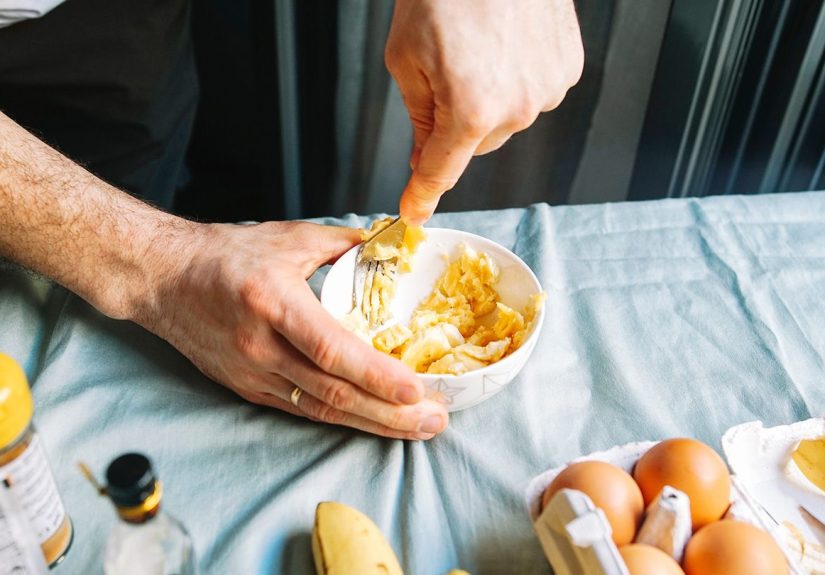
Use mashed banana, applesauce, or pumpkin for moisture. Add oats, whole-wheat flour, chopped nuts, berries, flax, or shredded carrots. Keep added sugar low and let fruit do some of the heavy lifting. Pair one muffin or cookie with yogurt, milk, or a hard-boiled egg if you want a more complete breakfast.
Best upgrade
Freeze them in batches. Future-you will be delighted, impressed, and slightly suspicious that you were ever this organized.
How to Choose the Right Breakfast for Your Day
Not every morning needs the same breakfast. If you know you’ll be moving all morning, lean toward something with stronger staying power, like a bean-and-egg burrito or overnight oats with chia and yogurt. If you need something light before a workout, a smoothie or peanut butter banana wrap might be a better fit. If your day starts at a desk, a parfait or breakfast wrap can give you more chew and more satisfaction.
The real trick is matching breakfast to your routine, not your fantasy routine. If you are not the kind of person who sautés vegetables at dawn while listening to a podcast about productivity, that is perfectly fine. Pick breakfasts you will actually make, actually pack, and actually eat. Consistency beats perfection every single time.
Common Mistakes That Make “Healthy” Breakfast Less Healthy
The biggest trap is added sugar. Flavored yogurts, sweetened oatmeal packets, breakfast bars, and smoothie-shop blends can look wholesome while quietly delivering dessert-level sugar. Another common mistake is skipping protein. A breakfast made of only fruit or refined carbs may taste good in the moment, but it often leaves you hungry too soon.
Portion creep can also sneak in, especially with granola, nut butter, dried fruit, and smoothie toppings. These foods are nutritious, but they are easy to overpour when you’re half-awake and feeling optimistic. Measure when it helps, read labels when buying packaged products, and remember that “healthy” still works best when it’s balanced.
Real-World Experiences: What Actually Happens When You Start Packing Breakfast
In real life, the biggest benefit of portable healthy breakfasts is not that they look pretty on social media. It’s that they lower the odds of making a rushed, expensive, low-quality food decision later. People who keep a reliable breakfast system often notice the same thing: mornings feel less chaotic, mid-morning hunger gets less dramatic, and the mysterious urge to buy a giant pastry because “it’s been a long day” starts showing up a little less often.
Take the classic office morning. Someone rushes out the door with no breakfast, promises themselves they’ll “grab something later,” and by 10 a.m. they’re negotiating with a vending machine that only offers sugar, salt, and regret. Compare that with someone who packed overnight oats or a yogurt parfait. It’s not glamorous, but it works. They eat when they’re hungry, feel more steady, and don’t have to turn snack time into a rescue mission.
Students have a similar experience. A healthy breakfast wrap or smoothie can be the difference between paying attention in first period and staring blankly at a worksheet while your stomach files a formal complaint. Portable breakfasts are especially useful because they fit real schedules. Not everyone wants to eat the second they wake up, and not everyone has time to sit down at home. A packed breakfast gives you flexibility without pushing the first real meal of the day too far back.
Parents also tend to discover that portable breakfasts remove a lot of friction. When mornings involve backpacks, permission slips, missing water bottles, and one child suddenly remembering a project due that day, breakfast needs to be simple. A basket of homemade muffins, a few prepped burritos, or grab-ready yogurt cups can prevent the entire family from starting the day powered by chaos and half a granola bar.
Travel is another place where healthy portable breakfasts shine. Airports, road trips, hotel lobbies, and gas stations are not always known for balanced nutrition. When you’ve packed a peanut butter banana wrap, a breakfast cookie, or a smoothie from home, you’re less likely to be at the mercy of whatever shrink-wrapped mystery sandwich is glowing under fluorescent lights. That doesn’t mean you need to be perfect while traveling. It just means you have a better starting option.
Even people who are not “breakfast people” often do better with smaller, portable choices. A full sit-down meal may feel like too much early in the day, but a simple smoothie, yogurt cup, or wrap can be much easier to manage. That flexibility matters. Healthy eating works best when it feels adaptable rather than rigid. The point is not to force a giant breakfast onto every person. The point is to have practical options that fit different appetites, schedules, and energy needs.
And perhaps that’s the best experience-based lesson of all: the healthiest breakfast is rarely the most dramatic one. It’s the one you can repeat. It’s the jar in the fridge, the burrito in the freezer, the muffin in the container, the smoothie in the thermos. It travels well, tastes good, and doesn’t require you to become a completely different person before 8 a.m. That’s not just healthy. That’s sustainable.
Final Thoughts
The best healthy breakfasts you can eat anywhere are the ones that combine smart nutrition with actual convenience. Think protein, fiber, whole grains, fruit, and healthy fats in forms that travel well and don’t rely on pure willpower to happen. Overnight oats, yogurt parfaits, wraps, smoothies, burritos, and homemade baked options all prove the same point: eating well in the morning doesn’t have to be complicated.
So no, breakfast does not need to be elaborate. It just needs to show up for you. And ideally, it should do that without spilling in your bag.