Table of Contents >> Show >> Hide
- Why Shrubs Deserve a Prime Spot in Your Garden
- 1. Hydrangea: The Crowd-Pleasing Flower Machine
- 2. Boxwood: The Classic Evergreen Organizer
- 3. Azalea: Spring Color with Southern Charm
- 4. Viburnum: The Wildlife-Friendly Multitasker
- 5. Spirea: The Easygoing Bloom Booster
- 6. Ninebark: Tough, Textured, and Surprisingly Stylish
- 7. Lilac: Fragrance, Nostalgia, and Spring Romance
- 8. Inkberry Holly: Evergreen Texture Without the Drama
- How to Choose the Right Shrub for Your Yard
- Planting and Maintenance Tips for Healthy Shrubs
- Real Gardening Experiences: What These Shrubs Teach You Over Time
- Conclusion
- SEO Tags
Some gardens are built around roses. Others lean on annual flowers like they are trying to win a neighborhood beauty pageant by July 4. But the gardens that look good in every season usually have one quiet secret: shrubs. Yes, shrubs. Not exactly the flashiest word in the gardening dictionary, but neither is “mulch,” and we all know how powerful that stuff can be.
Shrubs are the middle children of the landscape: taller than perennials, shorter than trees, and often asked to do everything without much applause. They frame walkways, hide utility boxes, soften fences, feed pollinators, support birds, offer flowers, bring fall color, and give your garden structure when the petunias have packed their bags for the season. Choosing the best shrubs for your garden is not just about picking something pretty at the nursery. It is about matching the right plant to your light, soil, climate, maintenance style, and personal tolerance for pruning shears.
Below are eight different shrubs worth considering for American home gardens. Each brings a different personality to the landscape, from formal evergreen elegance to loose cottage-garden charm. Think of this as a shrub matchmaking guide, minus the awkward first date.
Why Shrubs Deserve a Prime Spot in Your Garden
Before we meet the eight candidates, let’s give shrubs their moment in the sunpartial sun, in some cases. Shrubs create year-round “bones” in the garden. Flowers come and go, but shrubs keep the design from looking like an empty stage between bloom cycles. They also help define outdoor rooms, reduce bare spots, and make a young garden look mature faster.
The best garden shrubs can also solve practical problems. Need privacy near a patio? Try viburnum or holly. Want color in a partly shaded corner? Hydrangea or azalea may be your friend. Looking for a tough shrub that can handle less-than-perfect soil? Ninebark has entered the chat. Want fragrance that makes spring feel like a vintage postcard? Lilac is ready for its close-up.
1. Hydrangea: The Crowd-Pleasing Flower Machine
Hydrangeas are beloved because they deliver big, showy flower clusters without requiring your garden to become a full-time job. Depending on the type, hydrangeas may bloom in white, pink, blue, purple, green, or creamy tones that age beautifully as the season progresses. They work especially well in foundation plantings, mixed borders, cottage gardens, and semi-shaded spaces that need a little drama.
Best Uses for Hydrangea
Use hydrangeas where you want volume and softness. Bigleaf hydrangeas are famous for rounded blooms, while panicle hydrangeas often handle more sun and produce cone-shaped flowers. Oakleaf hydrangea offers an added bonus: bold foliage and attractive fall color. In many gardens, hydrangeas act like floral furniturelarge, comfortable, and impossible not to notice.
Care Tips
Hydrangeas generally appreciate moist, well-drained soil. Many types prefer morning sun and afternoon shade, especially in hot climates. Pruning depends heavily on the species, so do not attack every hydrangea with the same enthusiasm. Some bloom on old wood, some on new wood, and some are generous enough to do both. Always identify the type before pruning, unless you enjoy solving the mystery of “Why didn’t it bloom this year?”
2. Boxwood: The Classic Evergreen Organizer
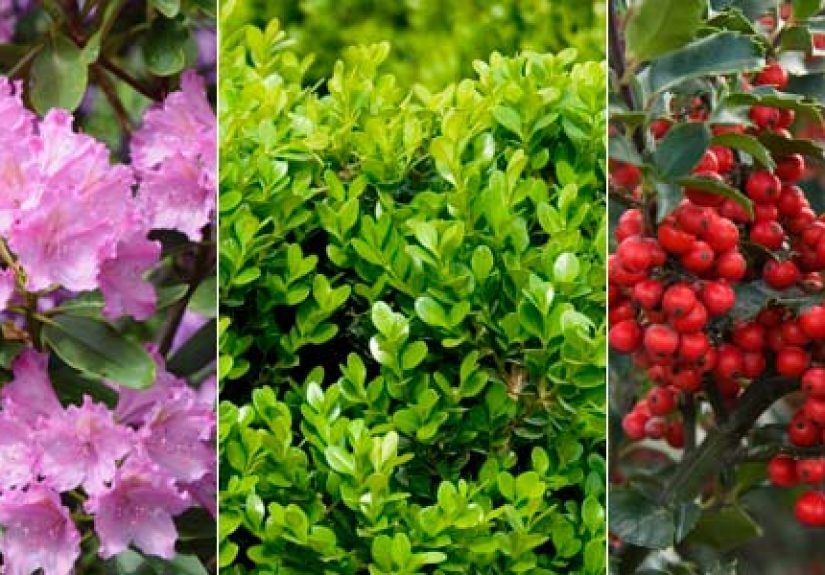
Boxwood is the shrub equivalent of a well-tailored blazer. It brings structure, polish, and a sense that someone here owns a measuring tape. This evergreen shrub is popular for hedges, borders, formal gardens, entryways, and foundation plantings. Even a casual garden can benefit from boxwood because its dense foliage provides winter interest when many deciduous plants are bare.
Best Uses for Boxwood
Boxwood is excellent for low hedges, clipped shapes, pathway edges, and containers. It can create a clean line around looser plantings, making exuberant flowers look intentional instead of “the seed packet exploded.” Dwarf varieties are especially useful in small gardens or near front doors.
Care Tips
Boxwood prefers well-drained soil and usually performs best with some protection from harsh afternoon sun and winter winds. Good air circulation matters. Instead of shearing constantly, thin selectively to let light and air reach the interior. This helps reduce stress and keeps plants healthier. Boxwood can be vulnerable to pests and diseases in some regions, so choose resistant varieties when possible and avoid planting it in soggy, cramped locations.
3. Azalea: Spring Color with Southern Charm
If spring had a parade float, azaleas would be riding on it. These flowering shrubs are famous for clouds of pink, purple, red, white, coral, and lavender blooms. They are especially associated with woodland gardens, Southern landscapes, and shaded yards where other flowering shrubs may sulk.
Best Uses for Azalea
Azaleas shine under high-canopy trees, along shaded walkways, in foundation beds, and in naturalistic garden designs. Evergreen azaleas provide year-round foliage in mild areas, while deciduous native azaleas can offer fragrance, graceful form, and wildlife value. Grouping several azaleas together creates a stronger visual impact than dotting one lonely plant here and there like garden punctuation.
Care Tips
Azaleas are shallow-rooted and prefer acidic, well-drained, organic soil. They dislike wet feet, which is gardener-speak for “do not drown me.” Mulch helps keep roots cool and moist, but avoid piling mulch against the stems. Prune soon after flowering if needed, because many azaleas set next year’s flower buds not long after they bloom.
4. Viburnum: The Wildlife-Friendly Multitasker
Viburnum is not one shrub but a large group of shrubs with many useful options. Some are evergreen, some deciduous, some fragrant, some fruiting, and some large enough to act as privacy screens. If you want a shrub that can provide flowers, berries, fall color, habitat, and screening, viburnum deserves a serious look.
Best Uses for Viburnum
Use viburnum in mixed borders, privacy hedges, wildlife gardens, and informal screens. Arrowwood viburnum, doublefile viburnum, Koreanspice viburnum, and Walter’s viburnum are just a few examples with distinct habits and strengths. Many viburnums produce spring flowers followed by berries that attract birds. Some also offer handsome fall foliage.
Care Tips
Most viburnums prefer well-drained soil, though moisture needs vary by species. Choose carefully based on your region and available space. Some viburnums can become quite large, and a shrub that wants to grow 12 feet tall will not politely remain 3 feet tall just because you planted it under a window. Read the mature size before buying. Your future self, holding pruning loppers in August, will be grateful.
5. Spirea: The Easygoing Bloom Booster
Spirea is a dependable deciduous shrub known for clusters of small flowers, tidy growth habits, and relatively low maintenance. It is a practical choice for gardeners who want color without drama. Many varieties bloom in spring or early summer, while some offer attractive foliage in gold, lime, orange, or reddish tones.
Best Uses for Spirea
Spirea works well in borders, low hedges, foundation plantings, mass plantings, and sunny mixed beds. Compact varieties can fit into smaller gardens, while arching types such as bridal wreath spirea bring an old-fashioned, fountain-like shape. It is especially useful when you need a shrub that looks cheerful but does not require a personal assistant.
Care Tips
Spirea generally prefers full sun and well-drained soil. Once established, many types tolerate ordinary garden conditions and moderate dryness. Light pruning after bloom can keep the plant tidy, and older shrubs may benefit from renewal pruning. In some regions, Japanese spirea can escape cultivation, so check local recommendations and consider native or noninvasive alternatives when appropriate.
6. Ninebark: Tough, Textured, and Surprisingly Stylish
Ninebark is the shrub for gardeners who want resilience with a little attitude. Native to central and eastern North America, common ninebark is known for its peeling bark, arching branches, clusters of white or pinkish flowers, and colorful foliage cultivars. Modern selections come in burgundy, copper, gold, amber, and deep purple tones, which makes ninebark useful even when it is not blooming.
Best Uses for Ninebark
Plant ninebark in shrub borders, native gardens, informal hedges, slopes, and tough sites where fussier shrubs may complain. It can provide winter interest because of its exfoliating bark, which looks especially good after leaves drop. Compact cultivars work nicely in smaller yards, while larger varieties can fill background spaces with ease.
Care Tips
Ninebark grows best in full sun to part shade and adapts to many soil types, including less-than-perfect conditions. Full sun usually produces the strongest foliage color in dark-leaved cultivars. If pruning is needed, do it after flowering because next year’s blooms form on old wood. Ninebark does not need pampering, which makes it a good choice for gardeners who love plants but also enjoy weekends.
7. Lilac: Fragrance, Nostalgia, and Spring Romance
Lilac is the shrub that can stop people mid-walk. Its fragrance is sweet, classic, and almost unfairly charming. Common lilacs are long-lived deciduous shrubs with spring flowers in purple, lavender, pink, white, and bicolor forms. They are especially well suited to colder climates where winter chill helps support reliable bloom.
Best Uses for Lilac
Use lilacs as specimens, informal hedges, background shrubs, or fragrance anchors near patios and windows. A blooming lilac near a walkway is basically a public service. Smaller varieties, such as ‘Miss Kim’ lilac or other compact selections, can fit better in modern yards where space is limited.
Care Tips
Lilacs prefer full sun and well-drained soil. Too much shade can reduce flowering. Prune immediately after bloom, removing spent flowers and selectively cutting older stems to encourage younger growth. Avoid heavy late-season pruning because you may remove next year’s flower buds. Older lilacs can be renewed over several years by removing a portion of the oldest stems at ground level.
8. Inkberry Holly: Evergreen Texture Without the Drama
Inkberry holly is a broadleaf evergreen shrub native to the eastern United States. It offers small, glossy leaves and a softer, more natural look than some traditional hollies. Unlike prickly holly types that seem personally offended when you brush past them, inkberry has smoother foliage, making it friendly near paths and patios.
Best Uses for Inkberry Holly
Inkberry works well as a low hedge, foundation shrub, rain garden plant, woodland edge, or evergreen mass planting. It can provide year-round structure without looking stiff. Female plants may produce dark berries if a compatible male pollinator is nearby, adding wildlife value and seasonal interest.
Care Tips
Inkberry prefers acidic, moist, well-drained soil and can tolerate wetter conditions better than many evergreen shrubs. It grows in sun to part shade, though fuller growth often occurs with more light. Some older varieties can become leggy at the base, so look for compact cultivars if you want a dense hedge. Light pruning helps maintain shape without turning it into a green rectangle with trust issues.
How to Choose the Right Shrub for Your Yard
The best shrub is not always the prettiest one at the garden center. Nursery plants are often blooming, trimmed, watered, and displayed like contestants on a plant reality show. Your yard is the real audition. Before buying, consider five key factors: mature size, light exposure, soil drainage, climate zone, and maintenance needs.
Mature size is the big one. A shrub labeled “fast growing” may sound exciting until it is trying to eat your front porch. Always plan for the full height and width, not the cute little pot size. Light is just as important. Hydrangeas and azaleas may appreciate afternoon shade, while lilacs and many spireas want full sun for best flowering. Soil also matters. Azaleas and inkberry holly prefer acidic conditions, while boxwood leans toward slightly alkaline soil. If plants had dating profiles, soil pH would be one of the first questions.
Think about your goal, too. If you want flowers, hydrangea, azalea, lilac, spirea, and viburnum are strong choices. If you want evergreen structure, boxwood and inkberry holly are useful. If you want native resilience and wildlife support, consider ninebark, viburnum, and inkberry. If you want fragrance, lilac and some viburnums are hard to beat.
Planting and Maintenance Tips for Healthy Shrubs
Healthy shrubs start with smart planting. Dig a hole wider than the root ball but not deeper. Planting too deep is one of the most common mistakes, and shrubs are not submarines. The root flare should sit at or slightly above soil level. Backfill with native soil, water deeply, and mulch with a 2- to 3-inch layer while keeping mulch away from the stems.
Water new shrubs regularly during the first growing season. Even drought-tolerant shrubs need help while roots establish. After that, watering depends on rainfall, soil type, and plant needs. Sandy soil dries quickly; clay soil holds moisture but can drain poorly. Neither is automatically bad, but both require attention.
Pruning should match the shrub. Spring-blooming shrubs often set buds the previous year, so pruning them at the wrong time can remove flowers. Summer-blooming shrubs may tolerate late winter or early spring pruning. Evergreen shrubs usually need lighter, more selective shaping. When in doubt, prune less. You can always remove more later, but you cannot glue branches back on. Gardeners have tried emotionally; it does not work.
Real Gardening Experiences: What These Shrubs Teach You Over Time
After spending enough time around shrubs, you start to realize they are less like decorations and more like long-term garden roommates. Some are tidy and predictable. Some are dramatic for two weeks and then quietly useful the rest of the year. Some need space, patience, and the occasional firm conversation with pruning tools.
Hydrangeas teach patience and observation. A new gardener may plant one expecting instant magazine-cover blooms, only to discover that sun, water, winter damage, and pruning timing all matter. Once you learn the type of hydrangea you have, the relationship improves quickly. Panicle hydrangeas can be forgiving in sunny spots, while bigleaf hydrangeas may need more shelter. The lesson is simple: know the plant before blaming the plant.
Boxwood teaches restraint. It is tempting to shear it into perfect shapes every time one leaf sticks out like messy hair. But over-shearing can create dense outer growth and poor air circulation inside. A healthier approach is selective thinning, which feels less satisfying at first but pays off. Boxwood rewards gardeners who can put down the hedge trimmer before things get weird.
Azaleas teach soil humility. Many gardeners learn the hard way that not every pretty shrub wants the same conditions. Plant an azalea in heavy, soggy, alkaline soil and it will express its disappointment in slow motion. Give it acidic, well-drained, organic soil with filtered light, and suddenly it behaves like royalty receiving proper accommodations.
Viburnums teach scale. A small nursery plant can become a serious landscape presence. This is wonderful when you need screening, bird habitat, and seasonal interest. It is less wonderful when the shrub was planted twelve inches from a walkway. Viburnum reminds you to read plant tags like they are tiny contracts.
Spirea teaches the value of easy wins. Not every plant in a garden needs to be rare, fussy, or capable of inspiring a botanical dissertation. Sometimes you need a reliable shrub that flowers, fills space, tolerates pruning, and gets on with life. Spirea is that friend who shows up with snacks and does not require a five-page care plan.
Ninebark teaches that tough plants can still be beautiful. Its peeling bark, colorful foliage, and spring flowers offer interest in several seasons. It is especially satisfying in gardens where soil is average, weather is moody, and the gardener has other responsibilities besides whispering encouragement to plants.
Lilac teaches timing. The flowers are brief, but the memory lasts. You wait all year for that fragrance, and when it arrives, the whole garden feels like a celebration. Then it is over, and you prune carefully after bloom, knowing next year’s display is already being planned by the plant. Lilac is not constant entertainment; it is an annual event.
Inkberry holly teaches subtlety. It may not scream for attention, but it quietly improves the garden every month of the year. In winter, when flashier plants have disappeared, inkberry still provides green structure. It is a reminder that not every garden hero wears flowers. Some just stand there looking dependable, which is underrated in both landscaping and life.
The biggest experience-based lesson is this: shrubs are investments. Annuals give quick color, perennials create rhythm, but shrubs shape the garden’s character. Choose them carefully, plant them properly, and give them room to become what they are meant to be. A good shrub does not just fill a space; it makes the whole garden feel designed.
Conclusion
Choosing the right shrubs for your garden is part design, part science, and part knowing how much pruning you are realistically willing to do after a long week. Hydrangea brings big flowers, boxwood adds evergreen structure, azalea lights up spring shade, viburnum supports wildlife, spirea offers easy color, ninebark handles tough spots with style, lilac delivers unforgettable fragrance, and inkberry holly provides dependable year-round greenery.
The smartest approach is to match each shrub to the right place. Consider sun, soil, mature size, water needs, and your local climate before planting. When shrubs are chosen well, they become the backbone of a beautiful gardenquietly doing the heavy lifting while the flowers take selfies.