Table of Contents >> Show >> Hide
- Who Is Yota, the Japanese Father Behind the Viral Photo Drawings?
- Why These Photos Feel So Adorable
- The Art Style: Simple Photos, Big Imagination
- Why Parents Love This Kind of Creative Family Art
- The Child Development Angle: Play, Creativity, and Connection
- How to Create Your Own Photo Drawing Project at Home
- Privacy and Respect: The Important Side of Sharing Kids’ Photos
- Why the Internet Keeps Falling for This Series
- The Bigger Lesson: Ordinary Moments Are Full of Stories
- Extra Experience: What This Adorable Photo Art Teaches Us About Family Creativity
- Conclusion
Every parent has a phone full of baby photos. Some are sweet, some are blurry, and some look like they were taken during a tiny household emergency involving socks, crackers, and mysterious couch crumbs. But Japanese dad and illustrator Yota, known online as yota7454, took the ordinary family snapshot and gave it a magical upgrade: he draws directly on photos of his children, turning simple poses into playful scenes, anime-inspired adventures, movie moments, and tiny works of imagination.
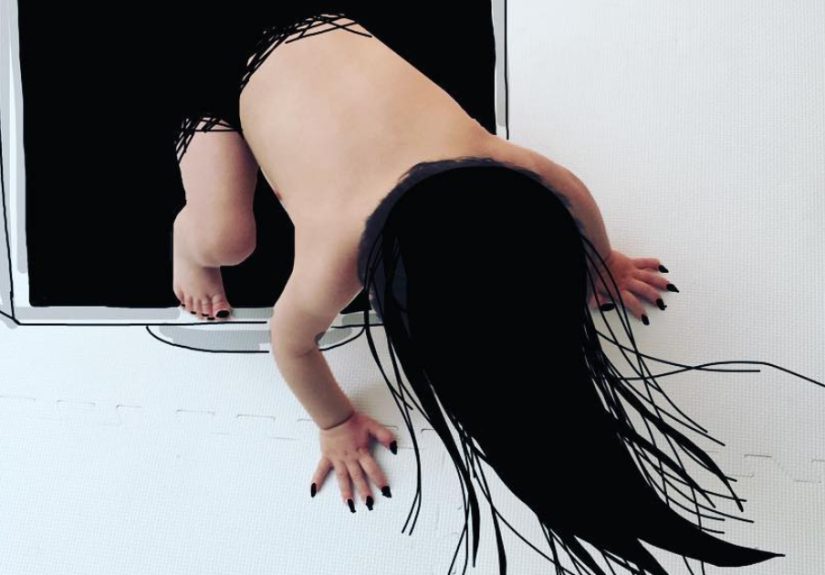
The result is the kind of adorable photo art that makes the internet pause mid-scroll and say, “Okay, that is ridiculously cute.” Instead of using elaborate costumes, expensive props, or full studio setups, Yota starts with something beautifully simple: his children against a plain background. Then he adds hand-drawn detailscostumes, hairstyles, wings, creatures, props, action lines, and little visual jokesuntil a quiet baby photo becomes a scene from a fantasy world.
What makes the project so charming is not just the drawing skill. It is the feeling behind it. These images are not polished in a cold, commercial way. They feel like a parent looking at a sleeping child and thinking, “You are clearly a tiny warrior, a forest spirit, a tennis champion, or the main character of a movie that has not been made yet.” That mix of tenderness and humor is what gives the series its heart.
Who Is Yota, the Japanese Father Behind the Viral Photo Drawings?
Yota is a Japanese father of two who began sharing his creative photo illustrations on Instagram years ago. His work became widely known after art and culture websites highlighted how he transformed everyday pictures of his children into imaginative compositions. The original viral collection presented 50 pictures, while later coverage introduced more examples of his playful, pop-culture-inspired approach.
The concept is wonderfully easy to understand: take a photo of a child, keep the background clean, and draw a new world around the pose. A baby lying down might become an archer. A toddler standing still might become a beloved anime hero. A sleepy face might suddenly belong to a character drifting through clouds. The child does not have to “perform” much because the drawing does the storytelling.
That is one reason the series works so well. Many parents know the struggle of trying to get a child to pose for a photo. Yota flips the problem around. Instead of forcing the perfect shot, he uses whatever small expression or position already exists, then builds the fantasy afterward. It is less like staging a photoshoot and more like discovering a secret adventure inside a normal day.
Why These Photos Feel So Adorable
There are many cute baby photos online, but Yota’s work stands out because it adds narrative. A regular snapshot says, “Here is my child.” A Yota-style illustration says, “Here is my child accidentally starring in a Studio Ghibli side quest before lunch.” That extra layer of story turns the image into a tiny scene with personality.
The cuteness also comes from contrast. Babies and toddlers are naturally small, soft, and unpredictable. When they are drawn as brave heroes, elegant characters, sports stars, or fantasy creatures, the gap between their real-life tininess and their illustrated “role” becomes funny and sweet. It is the visual equivalent of putting a toddler in oversized sunglasses and watching them behave like a retired movie star at a beach resort.
Yota’s plain backgrounds help the drawings shine. A minimalist photo gives the illustration room to breathe. Instead of fighting with clutter, the added lines become the focus. That is why a simple blanket, wall, floor, or neutral backdrop can suddenly feel like a stage. The child is the actor; the drawing is the set design; the dad is the director, illustrator, costume department, and proud audience all at once.
The Art Style: Simple Photos, Big Imagination
At first glance, the project might look effortless. But the best simple ideas usually hide a lot of thought. Yota’s drawings work because he understands pose, proportion, timing, and visual humor. The drawn elements need to match the child’s position. A raised arm can become a dramatic gesture. A curled-up sleeping pose can become part of a dream scene. A tiny hand can hold an illustrated object. A serious baby expression can suddenly look like intense character acting.
This is where the project becomes more than “doodling on pictures.” It is a smart mix of photography, illustration, parenting, and visual storytelling. The photo gives reality; the drawing gives fantasy. When the two line up perfectly, the viewer accepts the joke immediately. We know the child is not actually dressed as an anime icon or floating through an illustrated universe, but for one second the image makes us believe it.
Pop Culture Makes the Gallery Even More Fun
Many of Yota’s transformations are inspired by anime, movies, games, and familiar characters. That is a clever creative choice because pop culture gives viewers an instant emotional shortcut. If people recognize a reference, they feel included. If they do not recognize it, the image still works as a cute fantasy scene.
References to beloved Japanese animation are especially fitting. Studio Ghibli-style imagery, magical characters, and gentle fantasy worlds pair naturally with childhood. A child’s nap can feel like a scene from a dream. A small pose can feel heroic. Even a quiet stare can become cinematic when surrounded by the right illustrated details.
The fun is not limited to anime, though. The broader idea is flexible: children can be drawn as athletes, storybook characters, tiny musicians, superheroes, travelers, or creatures from an imaginary forest. The best part is that the “costume” exists only in the artwork. No itchy outfits. No complicated props. No toddler protest meeting in the living room.
Why Parents Love This Kind of Creative Family Art
Parents are natural archivists. They document first smiles, first steps, birthdays, messy breakfasts, and the important historic moment when a child decided a cardboard box was better than the expensive toy inside it. Family photos help preserve memory, but Yota’s project adds something deeper: interpretation.
He is not just recording what his children looked like. He is showing how he sees them. In his imagination, they are brave, funny, magical, dramatic, and endlessly interesting. That is a beautiful message. Children may not understand every reference when they are small, but years later, they can look back and see a parent who made time to turn ordinary moments into art.
This is why the project resonates beyond Japan. The language of parental imagination is universal. Whether a family lives in Tokyo, Texas, or a tiny apartment where the dining table also serves as an art studio, the feeling is familiar. Parents often see entire worlds in their children’s smallest expressions. Yota simply draws those worlds where everyone else can see them too.
The Child Development Angle: Play, Creativity, and Connection
Creative projects like this are not just cute internet content. They also reflect something important about play and bonding. When adults engage with children through imagination, they create moments of connection. A drawing project can become a conversation, a memory, and eventually a shared family story.
Experts in child development often emphasize that play supports children’s social, emotional, cognitive, and language growth. Art can also help children explore ideas, solve small creative problems, and feel seen. Even when children are too young to participate fully in the editing or drawing process, they are still part of a family culture where imagination matters.
As children grow older, this kind of project can become collaborative. A parent might ask, “What should we turn this photo into?” A child might suggest a dragon, a train conductor, a moon explorer, or a pancake wizard. And honestly, pancake wizard deserves its own franchise. The key is not perfection; it is shared creativity.
Why Letting Kids Join the Process Matters
One of the best lessons from family art projects is that children do not always need adults to control the outcome. In fact, letting kids lead can make the project more meaningful. They may choose strange colors, unexpected characters, or storylines that make no adult sense whatsoever. That is not a problem. That is childhood creativity doing push-ups.
For parents inspired by Yota’s work, the goal does not have to be professional-level illustration. The goal can be playful participation. A child can draw over a printed photo with crayons. A parent can use a tablet to add simple stars, hats, crowns, or speech bubbles. The family can make a silly photo album together. The result may not go viral, but it may become the picture everyone laughs about ten years later.
How to Create Your Own Photo Drawing Project at Home
You do not need to be a professional artist to try a version of this idea. Start with a simple photo. A plain wall, bedsheet, floor, or uncluttered background works best because it gives the drawing space. Choose a pose with a clear shape: lying down, reaching, sitting, standing, or making a funny expression.
Next, ask what the pose suggests. Is the child reaching like a climber? Sleeping like a tiny astronaut in zero gravity? Sitting like a royal judge of snack quality? Once you see the story, add only the details needed to make the idea clear. A helmet, cape, cloud, crown, wand, spaceship window, or cartoon animal can be enough.
Digital tools make the process easier, but paper works too. You can print the photo and draw on it directly, place tracing paper over it, or use a tablet app with layers. If you are using digital tools, keep the original photo untouched and draw on a separate layer. That way, if your first attempt at drawing a dragon looks like a confused potato with wings, you can try again without sacrificing the photo.
Simple Ideas for Beginners
- Turn a sleeping baby into a cloud traveler with stars and a moon.
- Add a tiny crown and cape to a serious toddler face.
- Draw ocean waves around a child lying on a blue blanket.
- Turn a raised hand into a superhero pose with motion lines.
- Add cartoon animals around a child sitting quietly.
- Create a sports scene using a ball, racket, or medal illustration.
- Draw a storybook forest around a child wearing pajamas.
The best beginner rule is this: do not overcomplicate the picture. Yota’s work is impressive, but the heart of the idea is simple. Let the photo lead. Let the pose suggest the story. Then add enough drawing to make the viewer smile.
Privacy and Respect: The Important Side of Sharing Kids’ Photos
There is one serious point worth making. Creative family photos can be wonderful, but parents should think carefully before posting children’s images publicly. A cute picture today becomes part of a child’s digital footprint tomorrow. What feels funny to a parent might feel embarrassing to the child later.
That does not mean families should never make or share creative images. It means they should do it thoughtfully. Avoid private moments, embarrassing situations, bath photos, potty photos, school-identifying details, addresses, uniforms, and anything that could reveal too much personal information. When children are old enough, ask for their opinion. Consent is not only a legal concept; it is also a family habit.
Yota’s project works partly because the images are imaginative rather than humiliating. The focus is not on exposing awkward childhood moments. The focus is on transforming ordinary photos into playful art. That distinction matters. The best family creativity celebrates children without turning them into the punchline.
Why the Internet Keeps Falling for This Series
The internet moves fast. One day everyone is obsessed with a cat sitting like a retired accountant; the next day it is a dancing raccoon, a mystery dress color, or a recipe involving too much cheese. Yet Yota’s photo drawings continue to attract attention because they are built on something timeless: parental love made visible.
The drawings are funny, but not mean. They are clever, but not cold. They are cute, but not empty. Each image feels like a small act of attention. And in a world where so much content is rushed, recycled, or designed only to chase clicks, attention feels rare.
There is also something refreshing about the low-tech spirit of the concept. Even if the drawings are digital, the idea itself is not complicated. It does not require a movie studio, a costume warehouse, or a team of editors. It begins with a parent noticing a moment and asking, “What else could this become?” That question is the engine of creativity.
The Bigger Lesson: Ordinary Moments Are Full of Stories
Yota’s work reminds us that childhood does not need to be constantly staged to be magical. Sometimes the magic is already there, hiding in a nap, a funny pose, a blank wall, or a tiny expression of concentration. The artist’s job is to notice it. The parent’s job is often the same.
That is why this series feels so warm. It does not say, “Look how perfect my family is.” It says, “Look how much imagination can live inside one little moment.” That is a much better message. Perfection gets boring quickly. Imagination keeps opening new doors.
For creative parents, photographers, illustrators, and bloggers, this project is a masterclass in concept. A strong idea can be more memorable than expensive production. A simple background can be more useful than a crowded scene. Humor can make art more approachable. And a personal project can become widely loved when it feels honest.
Extra Experience: What This Adorable Photo Art Teaches Us About Family Creativity
There is a reason this topic inspires so many parents and creators. Most families already have hundreds or thousands of photos sitting on phones, laptops, cloud albums, and forgotten memory cards. Many of those pictures are technically ordinary: a child sleeping sideways, standing against a wall, making a strange face, or holding a toy with the seriousness of a museum curator. But when you look at those photos with imagination, they stop being ordinary. They become raw material for stories.
That is the experience Yota’s project captures so well. It encourages us to revisit family photos not as finished objects, but as beginnings. A photo is not only a record of what happened. It can be a doorway into what a parent imagined, what a child loved, or what a family found funny at that stage of life. A toddler’s dramatic stare might become a detective poster. A baby’s nap might become a space mission. A child sitting with one sock missing might become a hero who clearly fought a laundry monster and lost with dignity.
For parents, this kind of project can also be a gentle reminder to slow down. Family life is often busy. There are meals to make, toys to clean, messages to answer, and tiny negotiations over whether pajamas count as outdoor clothing. Creating art from a photo asks a parent to pause and study a moment. What is the pose saying? What story fits this expression? What would make this child laugh later?
For children, especially as they get older, the experience can become empowering. Instead of being only the subject of the image, they can become co-creators. They can choose the theme, name the character, pick the colors, or invent a caption. That shift matters. It turns “I took a picture of you” into “We made something together.” The memory becomes shared, not just stored.
There is also a practical lesson for creators who want to publish similar work. The most memorable ideas are usually easy to explain. “A Japanese father draws on his kids’ photos” is instantly understandable. It has emotion, novelty, and visual appeal in one sentence. That is why the concept travels so well online. People do not need a long explanation before they feel the charm.
Still, the best takeaway is not “make viral content.” The best takeaway is “make personal content with care.” Yota’s drawings work because they feel affectionate. They celebrate childhood without making it feel overly polished or commercial. They show that a parent’s imagination can turn a quiet household moment into a tiny illustrated adventure. And whether that adventure is shared online or kept in a family album, it becomes a gift: proof that someone was paying attention, laughing softly, and seeing magic in the everyday.
Conclusion
“Japanese Father Of Two Draws On His Kids’ Photos And The Result Is Adorable” is more than a cute internet headline. It is a celebration of imagination, parenthood, and the strange little magic hidden inside everyday family life. Yota’s illustrated photos show how a plain background and a simple pose can become an entire fantasy world when viewed through a creative parent’s eyes.
The project also offers a useful reminder for anyone making family content: be playful, be thoughtful, and be respectful. The best childhood photos are not necessarily the most perfect ones. They are the ones filled with warmth, humor, and care. Whether you are a parent with a tablet, a blogger looking for inspiration, or simply someone who appreciates adorable art, Yota’s work proves that sometimes the sweetest stories begin with a snapshot and a little imagination.