Table of Contents >> Show >> Hide
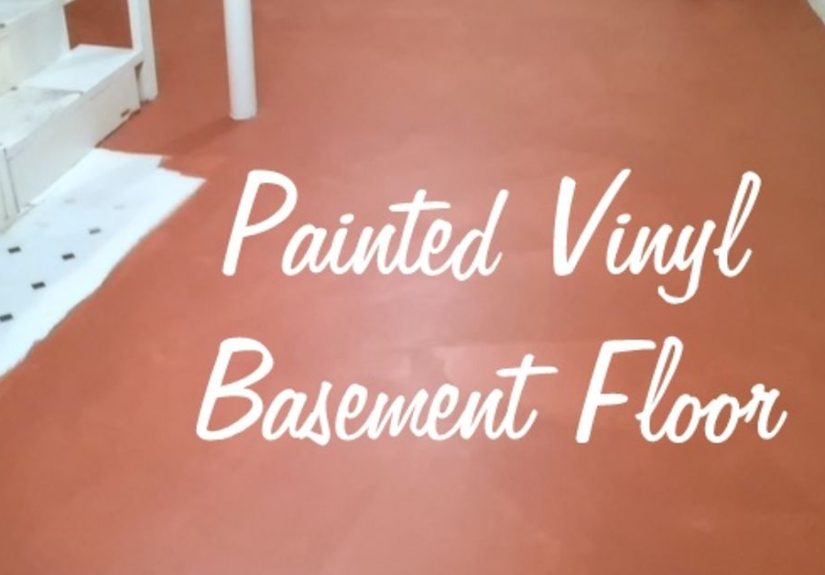
- What Is a Painted Vinyl Basement Floor?
- Can You Paint Vinyl Flooring in a Basement?
- Basement Moisture Comes First
- Safety Warning: Old Vinyl May Contain Asbestos
- Best Paint and Coating Options for Vinyl Basement Floors
- Tools and Supplies You Will Need
- How to Paint a Vinyl Basement Floor Step by Step
- Step 1: Empty the room
- Step 2: Repair loose seams and damaged spots
- Step 3: Clean like your finish depends on it
- Step 4: Remove gloss or apply deglosser
- Step 5: Tape walls and fixed objects
- Step 6: Prime if required
- Step 7: Apply the base coat
- Step 8: Add a stencil or pattern
- Step 9: Seal with a clear topcoat
- Step 10: Let it cure
- Design Ideas for a Painted Vinyl Basement Floor
- Common Mistakes to Avoid
- How Long Does a Painted Vinyl Basement Floor Last?
- Maintenance Tips for Painted Vinyl Basement Floors
- Painted Vinyl vs. Replacing Basement Flooring
- Cost of Painting a Vinyl Basement Floor
- Real Experience: What It Is Like to Live With a Painted Vinyl Basement Floor
- Conclusion
A painted vinyl basement floor sounds like one of those DIY ideas that begins with optimism, a roller, and a dangerous amount of coffee. The old vinyl is ugly, the basement needs help, and replacing the floor feels about as fun as paying for a new transmission. So the big question appears: can you paint vinyl flooring in a basement and actually like the result?
The honest answer is yes, but with a giant asterisk wearing work boots. Painting vinyl basement flooring can be a smart, budget-friendly makeover when the vinyl is firmly attached, the basement is dry, and the surface is prepared with patience. It can also become a peeling, sticky, scuffed disaster if you skip cleaning, ignore moisture, or use leftover wall paint because “paint is paint.” Spoiler: paint is not paint. Your basement floor knows the difference, and it will expose you.
This guide explains how a painted vinyl basement floor works, when it is worth doing, what products and prep steps matter, and how to make the finish last longer. We will also cover design ideas, common mistakes, maintenance tips, and real-world experience from the kind of project where your knees complain but your wallet applauds.
What Is a Painted Vinyl Basement Floor?
A painted vinyl basement floor is an existing vinyl sheet, vinyl tile, or linoleum-style resilient floor that has been cleaned, deglossed or lightly abraded when appropriate, primed or coated with a compatible floor system, painted, and sealed for foot traffic. The goal is not to turn vinyl into marble. The goal is to refresh a worn, dated, or mismatched floor without ripping everything out.
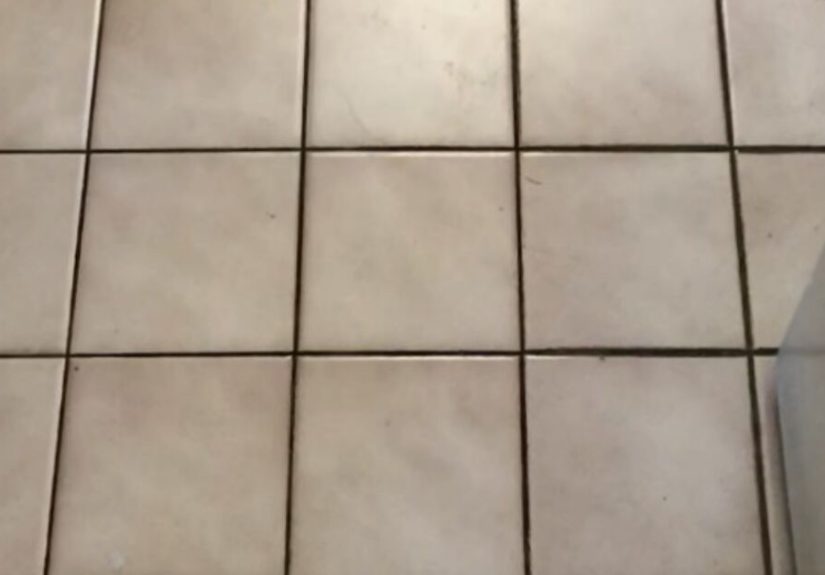
Basements make this project especially tempting because many basement floors are functional but not exactly glamorous. You may have old beige vinyl, faux-brick sheet flooring, shiny tiles from another design era, or a basement laundry room floor that looks like it has personally survived three generations of detergent spills. Paint can hide outdated patterns, brighten a dark room, and create a cleaner visual foundation for a family room, home gym, craft space, guest area, or laundry zone.
Can You Paint Vinyl Flooring in a Basement?
You can paint some vinyl floors, but not every vinyl floor should be painted. This is the most important thing to understand before buying supplies. Vinyl is slick, flexible, and often manufactured with a wear layer that resists stains, dirt, and, inconveniently, paint. That is wonderful when you spill grape juice. It is less wonderful when you want a coating to bond permanently.
Painted vinyl works best when the floor is clean, dry, dull rather than glossy, and securely bonded to the subfloor. If the vinyl is curling at the edges, bubbling in the center, loose around seams, or sitting over a damp slab, paint will not solve the problem. It will simply dress the problem in a nice outfit and wait for it to embarrass you later.
Good candidates for painting
A vinyl basement floor may be a good candidate if it is flat, stable, fully adhered, free of wax buildup, and located in a basement with no active leaks. Minor cosmetic wear is fine. Faded color, ugly patterns, small stains, and general dullness are exactly the type of issues paint can improve.
Bad candidates for painting
A floor is a poor candidate if it feels spongy, has trapped moisture, has peeling adhesive, shows moldy seams, or has tiles that shift under your feet. Painting over those issues is like putting a bow tie on a raccoon. It may look better for a minute, but chaos is still coming.
Basement Moisture Comes First
Before thinking about color, stencils, or whether charcoal gray will make the laundry room look more expensive, evaluate moisture. Basements live below grade, which means they are naturally more vulnerable to humidity, seepage, condensation, and occasional water surprises. A painted vinyl basement floor needs a dry environment because moisture can weaken adhesion, cloud topcoats, encourage mildew, and cause peeling.
Look for warning signs such as musty smells, water stains near walls, white mineral deposits on nearby concrete, damp baseboards, or vinyl seams that feel soft. Tape a square of plastic to the floor for a day or two and check for condensation underneath. This simple test is not a laboratory report, but it can reveal whether moisture is trying to join your DIY project uninvited.
If the basement has moisture problems, fix those first. Improve grading outside, clean gutters, seal obvious gaps, consider a dehumidifier, and address leaks before coating the floor. Paint is decorative protection, not waterproofing magic. It cannot negotiate with groundwater.
Safety Warning: Old Vinyl May Contain Asbestos
If your basement vinyl flooring was installed decades ago, be careful before sanding, scraping, cutting, or removing it. Older resilient flooring and adhesives may contain asbestos. The risk increases when old material is disturbed and fibers become airborne. If the age of the floor is unknown, avoid aggressive sanding or demolition until you know what you are dealing with.
For older floors, consider professional testing before any abrasive preparation. If asbestos is present or suspected, do not sand, grind, dry scrape, or mechanically damage the flooring. In many cases, leaving intact material undisturbed is safer than tearing it up. When in doubt, call a qualified professional. Your lungs deserve more respect than a basement makeover deadline.
Best Paint and Coating Options for Vinyl Basement Floors
The best product for a painted vinyl basement floor is one designed for floors, traffic, and difficult surfaces. Regular interior wall paint is not enough. It may look fine on day one, then start scuffing under chair legs, laundry baskets, shoes, pet claws, and the mysterious basement objects no one remembers buying.
Floor coating kits
Many DIYers choose a two-part floor coating system made for surfaces such as vinyl, tile, laminate, linoleum, wood, or concrete. These systems often include a base coat and a clear topcoat. The advantage is compatibility: the coating is designed to bond to slick surfaces and hold up better than ordinary paint.
Bonding primer plus porch and floor paint
Another option is using a strong bonding primer followed by a durable porch, patio, or floor paint. A bonding primer helps create a surface that the topcoat can grip. This route gives you color flexibility, but you must confirm that every product is compatible with vinyl and indoor use.
Epoxy-style coatings
Epoxy and one-part epoxy-style floor paints are popular for concrete basement floors, but they are not automatically right for vinyl. Some are meant only for masonry or concrete. Read labels carefully. A product that performs beautifully on concrete may fail on flexible vinyl if it cannot bond or move with the surface.
Tools and Supplies You Will Need
Gather supplies before you begin so you do not end up standing in socks on a half-painted floor Googling “can I use a bath towel instead of a tack cloth?” You will likely need a broom, vacuum, mop, degreasing cleaner, bucket, scrub brush, painter’s tape, utility knife for loose edges, seam repair adhesive if needed, bonding primer or floor coating, floor paint, clear topcoat, roller frame, extension pole, high-quality roller covers, angled brush, paint tray, gloves, knee pads, and ventilation fans.
If the product instructions allow light abrasion and the floor is not suspected to contain asbestos, you may also need fine-grit sandpaper or a sanding pole. However, product directions and safety conditions matter more than generic DIY enthusiasm.
How to Paint a Vinyl Basement Floor Step by Step
Step 1: Empty the room
Remove furniture, storage bins, rugs, laundry hampers, tools, and anything else that will block your work. Basements are famous for collecting objects that “might be useful someday.” Today, they are not useful. Move them.
Step 2: Repair loose seams and damaged spots
Check every seam, corner, and tile edge. Glue down loose areas with a compatible vinyl flooring adhesive. Trim ragged edges if needed. Fill minor gaps only with products that remain stable under paint. If damage is widespread, replacement may be smarter than painting.
Step 3: Clean like your finish depends on it
Because it does. Vacuum first, then scrub with a degreasing cleaner to remove dirt, wax, detergent residue, oils, and mystery basement film. Rinse well if the cleaner requires it. Any leftover residue can block adhesion and cause fisheyes, peeling, or tacky spots.
Step 4: Remove gloss or apply deglosser
Vinyl’s shiny wear layer is often the enemy of adhesion. Depending on the product system and the age of the floor, you may use a liquid deglosser or light scuffing. Always follow the coating manufacturer’s instructions. If the floor may contain asbestos, do not sand it.
Step 5: Tape walls and fixed objects
Use painter’s tape along baseboards, stair edges, posts, cabinets, and built-ins. Press the tape firmly so paint does not sneak underneath like a tiny criminal.
Step 6: Prime if required
If your chosen system requires primer, apply a thin, even coat with a roller and brush. Do not flood the floor. Thick primer can dry unevenly and create soft spots. Let it dry according to the label, not according to your impatience.
Step 7: Apply the base coat
Start at the farthest corner and work toward the exit. Keep a wet edge and apply thin coats. Heavy coats may seem faster, but they can cure poorly and show roller marks. Most floors look better with two thin coats than one heroic blob.
Step 8: Add a stencil or pattern
If you want a tile effect, checkerboard, border, or faux rug pattern, wait until the base coat is dry enough for tape or stencils. Use a small foam roller or stencil brush and remove tape carefully. Patterns can hide imperfections and make a plain basement feel intentional instead of “we ran out of budget downstairs.”
Step 9: Seal with a clear topcoat
A clear topcoat is often the difference between a floor that survives daily life and a floor that looks tired after one laundry day. Choose the topcoat recommended by your coating system. Apply it evenly and avoid puddles. Satin finishes tend to hide flaws better than high gloss, while gloss can make colors pop but may reveal every roller line.
Step 10: Let it cure
Dry and cured are not the same thing. A floor may be dry to the touch in hours but still vulnerable to dents, scratches, rugs, furniture feet, and moisture for days. Give the coating as much cure time as the product recommends before dragging furniture back into place. Add felt pads under furniture and avoid rubber-backed mats unless the coating manufacturer says they are safe.
Design Ideas for a Painted Vinyl Basement Floor
A painted vinyl basement floor can be practical and stylish. You do not have to settle for a plain gray slab look unless that is what you love. The right design can make the basement feel cleaner, brighter, and more finished.
Solid light gray
Light gray is a classic basement choice because it brightens the room without showing every speck of dust. It works well with white walls, black shelving, wood furniture, and laundry room appliances.
Charcoal with a satin finish
Charcoal gives a modern, grounded look. It hides dirt better than white and can make a basement gym or media room feel more polished. Use good lighting so the space does not become a stylish cave.
Checkerboard
A checkerboard pattern can turn old vinyl tile into a retro feature. Black and white is bold, but beige and cream or gray and white can feel softer. This works especially well in laundry rooms and hobby spaces.
Painted faux tile
Use stencils to create the look of cement tile without paying cement tile prices. This is ideal for small basement bathrooms, entry zones, or laundry corners. Keep the palette limited so the pattern does not fight the rest of the room.
Painted area rug effect
Instead of painting the entire floor in a pattern, create a border or painted rug under a seating area. It adds visual interest while leaving most of the floor simple and easier to touch up.
Common Mistakes to Avoid
The biggest mistake is skipping prep. Cleaning, drying, deglossing, priming, and curing are not optional chores invented by paint companies to ruin your weekend. They are the reason the coating sticks.
Another mistake is painting over wax. Many older vinyl floors have layers of polish or cleaning residue. Paint may bond to the wax instead of the vinyl, which means it can peel off like a bad sunburn.
Using the wrong paint is also common. Interior wall paint does not have the toughness needed for foot traffic. Even if it dries beautifully, it can scratch quickly. Choose floor-rated products and follow the full system.
Finally, do not rush furniture back into the room. Chair legs, storage shelves, and washing machine vibration can damage a coating before it fully cures. A little patience now prevents a lot of angry staring later.
How Long Does a Painted Vinyl Basement Floor Last?
A painted vinyl basement floor is not as permanent as new luxury vinyl plank, ceramic tile, or professionally installed epoxy over concrete. In a low-traffic basement, a well-prepped painted floor may look good for several years. In a busy laundry room, playroom, or workshop, expect touch-ups sooner.
Durability depends on moisture, prep quality, product choice, traffic, cleaning habits, and whether furniture is protected with pads. Shoes with grit, rolling chairs, pet claws, heavy storage bins, and rubber-backed mats can all shorten the life of the finish.
The good news is that touch-ups are usually simple. Save leftover paint and topcoat, label the cans, and keep a small brush handy. A painted floor is not maintenance-free, but it is refreshable.
Maintenance Tips for Painted Vinyl Basement Floors
Clean the floor gently. Sweep or vacuum regularly to remove grit that can scratch the coating. Mop with a mild cleaner and a damp, not soaking wet, mop. Avoid harsh solvents, abrasive pads, steam mops, ammonia-heavy cleaners, and anything that leaves a slippery film.
Use rugs carefully. Breathable rugs are generally safer than rubber-backed mats, which may discolor or react with some coatings. Place felt pads under furniture legs. Lift heavy items instead of dragging them. In a basement laundry area, check behind the washer occasionally for leaks or detergent spills.
If the topcoat begins to dull in high-traffic lanes, clean the floor thoroughly and apply a maintenance coat if your product system allows it. Think of it like sunscreen for your DIY effort. Reapplying protection is easier than starting over.
Painted Vinyl vs. Replacing Basement Flooring
Painting is usually cheaper and faster than replacing vinyl flooring. It is a great choice when the existing floor is ugly but structurally sound. It is also helpful when you need a temporary upgrade before a larger renovation.
Replacement is better when the vinyl is loose, wet, moldy, badly torn, or installed over a failing subfloor. New luxury vinyl plank, sheet vinyl, ceramic tile, rubber flooring, or sealed concrete may offer better long-term performance. Painting is a makeover. Replacement is a reset.
If your basement is used as a guest suite, rental space, or high-value finished room, replacement may be worth the investment. If it is a laundry area, storage room, craft zone, or casual hangout, paint may be the budget hero you need.
Cost of Painting a Vinyl Basement Floor
The cost depends on room size, product quality, and how many repairs are needed. A small laundry room may only require cleaner, tape, primer, paint, topcoat, rollers, and brushes. A large basement family room may require multiple coating kits and more prep supplies.
Even with quality products, painting usually costs far less than full floor replacement. However, do not buy the cheapest coating available and expect luxury performance. Floors take abuse. Spend money where it matters: cleaner, adhesion, floor-rated paint, and protective topcoat.
Real Experience: What It Is Like to Live With a Painted Vinyl Basement Floor
The first thing you notice after painting a vinyl basement floor is how dramatically color changes the room. A basement that once felt like a storage cave can suddenly look brighter, cleaner, and more intentional. Old vinyl patterns have a way of making a room feel tired even when everything else is organized. Paint gives the eye a fresh starting point.
The second thing you notice is that prep takes longer than painting. Scrubbing corners, cleaning seams, taping edges, waiting for surfaces to dry, and reading product instructions may take most of the project time. Rolling on the paint feels quick by comparison. This is where many DIYers get tempted to cut corners. Do not. The floor will remember.
In real use, the best painted vinyl basement floors are the ones treated with realistic expectations. They handle socks, slippers, laundry baskets, light storage, craft tables, and everyday walking very well when sealed properly. They are less thrilled about metal chair legs, dragged storage racks, wet boots, sharp tools, or a treadmill that vibrates in one spot for months.
A painted floor also teaches you to think differently about furniture. Felt pads become important. Rugs become strategic. You start lifting things instead of shoving them across the room with your foot like a raccoon moving furniture. The maintenance is not hard, but it is more mindful than untreated vinyl.
Touch-ups are part of the experience. A small nick near the stairs or a scuffed spot under a laundry basket does not mean the project failed. It means the basement is being used. Keep leftover paint in a labeled container and store a small artist brush or foam brush nearby. Quick touch-ups can make the floor look fresh again without repainting the entire room.
The biggest emotional reward is that painted vinyl can buy time. Maybe you want a finished basement someday, but not this month. Maybe the budget is going toward plumbing, insulation, tuition, or the mysterious cost of simply existing. Painting the floor lets you improve the space now without committing to a major renovation.
The biggest lesson is humility. A painted vinyl basement floor looks simple on social media, but it is still a coating system applied to a flexible, sometimes stubborn surface in a moisture-prone room. Respect the process and the results can be surprisingly attractive. Rush it, and the floor may start peeling faster than a bargain sticker on a humid day.
Conclusion
A painted vinyl basement floor can be a smart, affordable, and genuinely good-looking solution when the existing vinyl is stable and the basement is dry. The project succeeds or fails before the first coat goes down. Cleaning, moisture control, adhesion, compatible products, thin coats, and proper curing matter more than the color you choose.
If your goal is a quick miracle that lasts forever with no maintenance, painting vinyl is not that miracle. If your goal is a budget-friendly refresh that makes an outdated basement feel cleaner, brighter, and more useful, this project can absolutely earn its place on your DIY list. Just remember: the roller gets the glory, but the prep work does the heavy lifting.