Table of Contents >> Show >> Hide
- What Makes Maximalist Decor Work?
- 21 Maximalist Spaces That Prove Over-the-Top Can Be Elegant
- 1. The Jewel-Toned Living Room
- 2. The Pattern-Drenched Powder Room
- 3. The Gallery Wall Hallway
- 4. The Maximalist Bedroom with Moody Wallpaper
- 5. The Bookshelf That Becomes a Design Moment
- 6. The Colorful Kitchen
- 7. The Dining Room with Mismatched Chairs
- 8. The Animal Print Accent Space
- 9. The Bohemian Plant Room
- 10. The Art-Filled Home Office
- 11. The Maximalist Entryway
- 12. The Striped-and-Floral Sitting Room
- 13. The Vintage Collector’s Corner
- 14. The Dramatic Ceiling Room
- 15. The Layered Rug Living Area
- 16. The Maximalist Kids’ Room
- 17. The Black-Walled Lounge
- 18. The Maximalist Fireplace Mantel
- 19. The Statement Staircase
- 20. The Maximalist Outdoor Patio
- 21. The Neutral Maximalist Room
- How to Pull Off Maximalist Decor Without Creating Clutter
- Personal Experiences and Practical Lessons from Maximalist Decorating
- Conclusion
Minimalism had a good run. It gave us clean lines, empty counters, and living rooms so beige they looked like they had strong opinions about oat milk. But maximalist decor has entered the chat wearing velvet, carrying a patterned lampshade, and asking why your hallway does not have wallpaper yet.
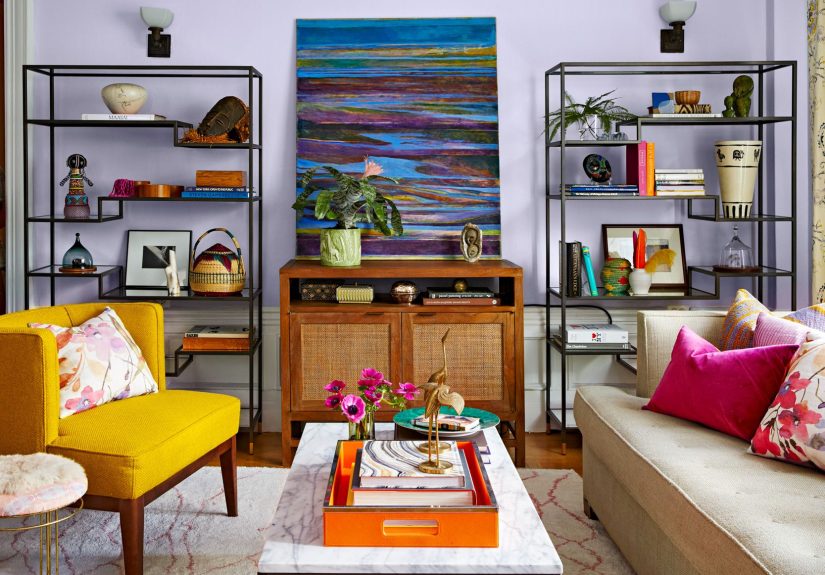
Maximalist interior design is not simply “owning a lot of stuff.” That is called having a junk drawer with ambition. True maximalism is curated abundance: bold color, mixed patterns, layered textures, meaningful collections, dramatic lighting, statement art, and rooms that feel personal enough to introduce themselves at a party. Done well, the over-the-top style feels joyful, intentional, and deeply lived innot chaotic.
The best maximalist spaces have a point of view. They might combine jewel-toned paint with floral wallpaper, antique furniture with modern art, or animal print with stripes and somehow make the whole thing sing instead of scream. Below are 21 spaces that nail maximalist decor, plus practical design ideas you can borrow even if your current home is mostly white walls and one nervous houseplant.
What Makes Maximalist Decor Work?
Maximalism is often described as “more is more,” but the secret is that the “more” must still be managed. A successful maximalist room usually has a clear color story, repeated shapes, layered but balanced patterns, and enough negative space for the eye to breathe. Think of it like a great outfit: leopard coat, red lipstick, gold earrings, patterned bootsfabulous. Leopard coat, red lipstick, gold earrings, patterned boots, three hats, and a live parrotpossibly memorable, but not necessarily design.
To create a maximalist home that feels polished, choose a few anchor elements. A saturated wall color, a large patterned rug, a gallery wall, or a statement sofa can act as the room’s lead singer. Everything elsethe pillows, lamps, curtains, plants, books, ceramics, and artbecomes the backup band. Loud? Yes. Random? Never.
21 Maximalist Spaces That Prove Over-the-Top Can Be Elegant
1. The Jewel-Toned Living Room
A maximalist living room loves drama, and jewel tones deliver it with a wink. Emerald green walls, sapphire velvet seating, ruby pillows, and brass accents create a space that feels luxurious without becoming stiff. Add a patterned rug and oversized art to keep the room from feeling like a furniture showroom. The key is depth: rich colors look best when paired with texture, such as velvet, lacquer, woven shades, or carved wood.
2. The Pattern-Drenched Powder Room
Small rooms are excellent places to go big. A powder room wrapped in botanical wallpaper, painted trim, a colorful ceiling, and a quirky mirror can become the most talked-about space in the house. Since guests only spend a short time there, you can take risks that might feel overwhelming in a larger living area. A tiny bathroom with confidence is basically the chihuahua of interior design.
3. The Gallery Wall Hallway
Hallways are often treated like design leftovers, but maximalism sees them as prime real estate. Fill the walls with framed art, family photos, vintage prints, small mirrors, and sculptural objects. For a polished look, repeat one element: black frames, gold accents, similar matting, or a shared color palette. The result feels collected rather than cluttered.
4. The Maximalist Bedroom with Moody Wallpaper
A bedroom can be bold and restful at the same time. Try dark floral wallpaper behind the bed, layered bedding, patterned lampshades, and a vintage bench at the foot of the bed. Keep the mattress area comfortable and practical, then let the walls and textiles carry the drama. In maximalist bedrooms, softness matters just as much as spectacle.
5. The Bookshelf That Becomes a Design Moment
Bookshelves are not storage in a maximalist home; they are personality architecture. Mix books horizontally and vertically, add ceramics, framed mini art, candles, travel souvenirs, and small plants. Leave tiny pockets of breathing room so each object gets noticed. A great maximalist shelf says, “I read, I travel, I collect, and yes, I know exactly where that tiny brass turtle came from.”
6. The Colorful Kitchen
Maximalist kitchens are having a moment because they turn daily routines into something more delicious than toast crumbs and unopened mail. Try painted cabinets, patterned tile, open shelves with colorful dishes, vintage runners, and unexpected lighting. Even a white kitchen can lean maximalist with layered textiles, art, cookware, plants, and a statement backsplash.
7. The Dining Room with Mismatched Chairs
A formal dining room becomes instantly more interesting when the chairs do not all match. Combine upholstered host chairs with wooden side chairs, or paint vintage finds in related tones. Add patterned curtains, dramatic wallpaper, and a chandelier that looks like it has opinions. The room should feel special enough for dinner parties but comfortable enough for pizza.
8. The Animal Print Accent Space
Animal print is practically a neutral in maximalist decor. A zebra rug, leopard pillow, or tiger-striped ottoman can add energy without requiring a full room makeover. The trick is to use animal print as punctuation, not the entire paragraph. Pair it with solids, florals, stripes, or jewel tones for a layered look that feels glamorous instead of costume-party chaotic.
9. The Bohemian Plant Room
Plants bring natural maximalism into a space. Layer hanging pothos, oversized fiddle-leaf figs, snake plants, ferns, and trailing vines with rattan furniture, patterned rugs, and earthy ceramics. A plant-filled room feels alive, relaxed, and lush. Just remember: dead plants are not “vintage greenery.” They are evidence.
10. The Art-Filled Home Office
A maximalist home office can be inspiring without becoming distracting. Choose one main wall for a gallery arrangement or dramatic wallpaper, then keep the desk surface functional. Add a colorful task lamp, a patterned chair, and shelves for books or collections. This creates a workspace that fuels creativity instead of making your brain feel like it has 37 browser tabs open.
11. The Maximalist Entryway
The entryway sets the tone for the whole home. A painted console, large mirror, patterned runner, bold art, and sculptural lamp can turn a pass-through area into a proper welcome. Add a tray for keys and a basket for shoes so beauty does not lose a fistfight with real life.
12. The Striped-and-Floral Sitting Room
Pattern mixing is one of maximalism’s greatest pleasures. Stripes and florals work especially well together because one brings structure while the other brings movement. Use different pattern scales: wide stripes, medium florals, and small geometric accents. Tie everything together with a repeated color, such as navy, coral, green, or mustard.
13. The Vintage Collector’s Corner
Maximalist decor shines when it tells a story. A corner filled with vintage pottery, antique books, framed postcards, old cameras, or collected glassware can feel deeply personal. Group similar objects together to make the collection look intentional. Three lonely candlesticks scattered around a room look accidental; twelve gathered on a mantel look like a design choice with excellent posture.
14. The Dramatic Ceiling Room
The ceiling is often ignored, which is rude considering it has been there the whole time. Paint it a bold color, add wallpaper, or install a statement light fixture. A colorful ceiling can make a maximalist room feel complete, especially when the color repeats in the rug, art, or upholstery.
15. The Layered Rug Living Area
Layering rugs adds instant texture and warmth. Try a large natural fiber rug underneath a smaller patterned rug, or pair a vintage Persian-style rug with a modern geometric design. This approach works beautifully in living rooms, bedrooms, and reading nooks. It also helps define zones in open-plan spaces.
16. The Maximalist Kids’ Room
Children’s rooms naturally welcome playful design. Use cheerful wallpaper, colorful bedding, painted furniture, display shelves, and fun lighting. The goal is imagination with organization. Baskets, labeled bins, and closed storage are essential because maximalist does not mean stepping on toy dinosaurs at midnight and discovering new vocabulary.
17. The Black-Walled Lounge
Dark walls can make maximalist decor feel sophisticated. Black, aubergine, forest green, or deep navy walls create a rich backdrop for colorful art, metallic finishes, and layered textiles. Add warm lighting to prevent the room from feeling cave-like. The result is moody, cozy, and slightly theatricalin a good way.
18. The Maximalist Fireplace Mantel
A mantel is a natural stage for layered design. Combine a large mirror or artwork with candlesticks, framed pieces, ceramics, garlands, or seasonal objects. Vary heights and shapes, but repeat materials or colors to keep the display cohesive. A maximalist mantel should look abundant, not like every object in the house climbed up there during a flood.
19. The Statement Staircase
Stairs can handle more personality than people realize. Try a patterned stair runner, painted risers, framed art along the wall, or colorful banisters. This is especially effective in older homes where architectural details already provide character. In newer homes, a bold staircase can create instant charm.
20. The Maximalist Outdoor Patio
Maximalism does not need to stop at the back door. Outdoor spaces can feature patterned cushions, painted furniture, lanterns, layered planters, outdoor rugs, and string lights. Use weather-resistant pieces and repeat a color palette so the patio feels energetic but not messy. Think vacation energy, not yard-sale thunderstorm.
21. The Neutral Maximalist Room
Not every maximalist space needs neon color. Neutral maximalism uses layers of texture, pattern, shape, and collected objects in softer tones. Cream boucle, carved wood, patterned ivory rugs, ceramic lamps, woven baskets, and sculptural art can create a room that feels abundant but calm. This is maximalism for people who love drama but still want their nervous system to receive a polite invitation.
How to Pull Off Maximalist Decor Without Creating Clutter
Choose a Color Story First
Before buying anything, decide which colors will guide the room. You might choose jewel tones, warm desert shades, pastels, black and white with gold, or earthy greens and browns. A clear palette lets you combine many elements while keeping the room visually connected.
Repeat Patterns and Shapes
Repetition is the secret handshake of maximalist design. Repeat curved shapes, floral motifs, brass finishes, blue accents, or checkerboard details. Repetition helps the eye understand the room, even when there is a lot happening.
Edit Like a Friendly but Honest Friend
Maximalist rooms still need editing. If every object is shouting, no one gets heard. Remove pieces that do not fit the story, rotate collections seasonally, and give important items room to shine. The goal is abundance with rhythm.
Mix High and Low Pieces
A beautiful maximalist space does not require a royal budget or a distant aunt with a castle. Combine thrifted art, inherited furniture, affordable lamps, flea-market mirrors, DIY-painted pieces, and a few investment items. Maximalism often looks best when it feels collected over time.
Personal Experiences and Practical Lessons from Maximalist Decorating
The biggest lesson from living with or designing around maximalist decor is that confidence matters, but patience matters more. A room rarely becomes wonderful in one shopping trip. In fact, the fastest way to make maximalism look fake is to buy everything at once from the same place. Real maximalist rooms usually develop slowly: a rug found during a weekend hunt, a painting picked up on vacation, a lamp inherited from family, a chair reupholstered because the shape was too good to abandon.
One useful experience is starting with a single “yes” piece. Maybe it is a wild floral sofa, a dramatic wallpaper, or a blue lacquered cabinet. Once that anchor is chosen, the rest of the room becomes easier. You can pull colors from the anchor piece for pillows, art, trim, or accessories. This avoids the common problem of buying many fun items that do not speak the same design language. They may all be charming individually, but together they can sound like a dinner party where everyone is talking over each other.
Another lesson: scale can save a maximalist room. Many people think clutter comes from owning too much, but it often comes from having too many tiny things. A large painting, oversized lamp, dramatic mirror, or big patterned rug can calm a busy room because it gives the eye somewhere to land. Small accessories are lovely, but if everything is small, the space can feel restless. Go bigger than feels comfortable, then balance it with smaller details.
Lighting also changes everything. Maximalist rooms need layers of light: overhead fixtures, table lamps, sconces, picture lights, and candles. Warm lighting makes bold color feel cozy instead of harsh. A room with dramatic wallpaper and bad lighting can feel like a haunted dressing room. The same room with soft lamps and dimmers suddenly becomes glamorous.
Storage is another unsung hero. Behind almost every beautiful maximalist room is a cabinet, basket, drawer, or closet doing quiet emotional labor. Display the pieces that matter most, then hide the practical clutter. Remote controls, chargers, mail, cleaning supplies, and random batteries do not need to participate in the aesthetic. They have had enough attention.
Finally, maximalist decorating works best when it reflects the person who lives there. The goal is not to copy a magazine spread exactly. It is to build a room that feels unmistakably yours. That may mean vintage portraits, travel souvenirs, comic art, embroidered pillows, colorful glassware, family photographs, or a collection of ceramics shaped like fruit. When the story is personal, maximalism feels warm, not performative. The best over-the-top spaces are not just loud; they are alive.
Conclusion
Maximalist decor proves that home design does not have to whisper to be tasteful. With bold color, pattern mixing, layered textures, meaningful collections, and a little editing, over-the-top style can feel polished, joyful, and surprisingly livable. Whether you start with a powder room, a bookshelf, a gallery wall, or a full jewel-toned living room, maximalism invites you to decorate with personality instead of fear. Beige will survive. Your home, however, might finally start telling a better story.