Table of Contents >> Show >> Hide
- The Bali Mask Prank That Went Viral For All The Wrong Reasons
- Who Were The Influencers Involved?
- Why Bali Took The Incident Seriously
- The Deportation Consequences
- The Apology And The Problem With “It Was Just Entertainment”
- Why The Internet Reacted So Strongly
- What This Incident Says About Influencer Responsibility
- How Bali’s Tourism Image Played Into The Case
- Specific Lessons For Travelers And Content Creators
- Experiences Related To The Bali Painted Mask Story
- Final Thoughts: The Painted Mask Was Funny Until Reality Showed Up
Note: This article is based on publicly reported events and rewritten as original editorial content for web publication.
There are bad travel ideas, and then there is the kind of travel idea that makes immigration officers sigh deeply into their paperwork. In 2021, during a tense stage of the COVID-19 pandemic, a social media stunt in Bali turned into a global lesson in what happens when online clout crashes into local law. The story involved a painted-on face mask, a supermarket security guard, a viral video, public outrage, and, ultimately, deportation consequences.
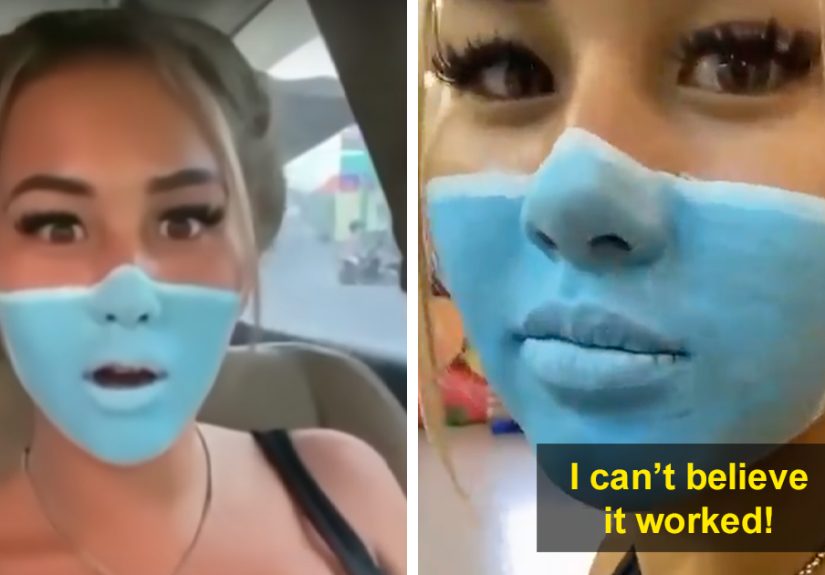
The main figure at the center of the controversy was Russian influencer Leia Se, also known online as Lisha, who appeared in a prank video with U.S.-based YouTuber Josh Paler Lin. The pair filmed themselves attempting to enter a supermarket in Bali while Se was not wearing a real face mask. When she was turned away, they did not go buy a mask, borrow one, or do the wildly boring but legally sensible thing. Instead, Lin painted a blue surgical-style mask on her face using makeup. The two then returned to the store and appeared to pass security.
What may have been intended as “just a prank” quickly became a case study in influencer responsibility, cultural respect, public health rules, and why the internet is not a magic shield against consequences. Bali authorities did not treat the incident as harmless comedy. They viewed it as a deliberate violation of local health protocols during a period when Indonesia was working hard to control coronavirus infections and protect both residents and visitors.
The Bali Mask Prank That Went Viral For All The Wrong Reasons
The video showed a simple setup: an influencer without a mask tries to enter a grocery store, is stopped, then returns with a fake mask painted directly onto her face. The “mask” was blue, with lines meant to resemble the shape of a surgical mask. From a distance, and perhaps during a quick glance at the entrance, it appeared close enough to fool security.
Inside the store, the prank became more uncomfortable. The pair appeared to laugh and celebrate that the painted mask had worked. In the video, Lin could be heard reacting with disbelief that nobody seemed to notice. That small moment became one of the reasons the backlash was so intense. Viewers did not see an innocent mistake. They saw two visitors treating a serious public health rule like a game.
The clip spread quickly across social media after being posted online and then reshared by others. Even after the original video was reportedly deleted, copies and screenshots continued circulating. That is one of the great laws of the internet: delete is not a time machine. Once content goes viral, especially content involving rule-breaking, public anger, and a highly recognizable location like Bali, it tends to grow legs, pack a suitcase, and sprint across platforms.
Who Were The Influencers Involved?
Josh Paler Lin was known as a YouTuber who specialized in prank content and had millions of followers. Leia Se, identified in reports as a Russian influencer, had a smaller but still significant Instagram following. Together, they represented a familiar modern phenomenon: creators traveling internationally and turning everyday locations into stages for online entertainment.
That kind of content is not automatically wrong. Travel videos, lifestyle posts, and humorous clips can introduce audiences to different places and cultures. But the Bali painted mask prank crossed a line because it involved deliberately bypassing a public health rule in a real community. The supermarket was not a studio. The security guards were not actors. The people shopping nearby had not volunteered to be part of the joke.
This distinction matters. A prank between willing participants is one thing. A prank that pressures workers, misleads authorities, or risks public safety is something else entirely. In this case, the video did not merely document a silly moment; it appeared to show an intentional effort to deceive staff enforcing local rules.
Why Bali Took The Incident Seriously
At the time, Bali had mandatory mask rules as part of broader COVID-19 health protocols. Like many tourist destinations, the island was trying to balance public safety with the economic need to eventually welcome visitors back. Tourism is central to Bali’s economy, but reopening safely required public trust and compliance with rules.
Authorities viewed the stunt as especially serious because it was not a simple case of forgetting a mask. The video showed planning. Se was first refused entry, then returned after makeup was used to imitate compliance. That extra step made the situation look intentional rather than accidental.
Local officials also had to consider the influence factor. When a creator with a large audience posts a video showing how to dodge a rule, the act becomes more than personal misconduct. It becomes a public message, whether the creator means it that way or not. In the age of social media, a careless video can become an instruction manual for bad behavior.
Public Health Rules Were Not Optional Props
The biggest issue was not makeup. It was the message behind the makeup. A face mask rule exists to reduce risk, not to inspire costume creativity. A painted-on mask does not filter droplets, protect workers, or help reassure people in public spaces. It only creates the appearance of compliance, which is exactly why the stunt angered so many viewers.
For supermarket staff, the prank also put workers in an unfair position. Security guards and store employees were asked to enforce rules in a difficult period. Tricking them on camera for entertainment turned their job into a punchline. That is not edgy comedy. That is making someone else’s workday harder so a video can get more engagement.
The Deportation Consequences
After the video gained attention, Bali authorities acted. Reports said the pair’s passports were seized while officials reviewed the case. Authorities considered the prank a violation of health protocols and immigration expectations. Indonesian officials made clear that foreign visitors were expected to respect local laws and regulations.
Reports later stated that Leia Se was deported from Bali and sent back to Russia. Lin, who was reportedly wearing a real mask during the supermarket incident, avoided the same final outcome in some later reporting, though he also faced official scrutiny and public criticism. The case became widely discussed because it showed how quickly a viral stunt can escalate from “content” to an immigration problem.
The lesson was blunt: foreign visitors do not get a special exemption from local rules because they have followers. A passport is not a backstage pass. A camera does not turn a legal requirement into a suggestion. And a prank does not become harmless just because the people filming it laugh first.
The Apology And The Problem With “It Was Just Entertainment”
After the backlash, Lin and Se appeared in an apology video alongside legal representatives. Lin explained that the intention was to entertain, not to disrespect local rules or encourage people to avoid masks. That may have been true from their perspective, but intention is only half the story. Impact is the other half, and in this case, the impact was loud, negative, and international.
“I was trying to entertain people” is one of the most common explanations after influencer controversies. Sometimes it is sincere. Sometimes it is damage control wearing a baseball cap. Either way, it does not erase the consequences. Entertainment still has boundaries, especially when it involves public health, local law, and other people’s safety.
The apology also raised a bigger question: why did the prank seem funny before the consequences arrived? That question is uncomfortable, but important. Social media can reward speed, shock, and spectacle. When creators are chasing the next viral moment, the boring little voice that says “maybe this is disrespectful” can get drowned out by the louder voice yelling “this will get views.”
Why The Internet Reacted So Strongly
The public backlash was not just about one fake mask. It was about timing, privilege, and disrespect. During the pandemic, millions of people were following restrictions that disrupted work, travel, family life, and mental health. Frontline workers were under pressure. Local businesses were struggling. Communities were trying to keep one another safe.
Against that backdrop, a video showing tourists joking about bypassing a mask rule landed badly. Many viewers saw it as entitled behavior: visitors enjoying Bali while ignoring the rules created to protect Bali. The fact that the prank happened in a supermarket, an ordinary place where local people buy food and employees work long shifts, made it feel even more tone-deaf.
There was also a broader frustration with influencer culture. Audiences have become increasingly skeptical of creators who treat real-world locations as props. Beautiful destinations are not theme parks built for content. They are homes, workplaces, sacred spaces, ecosystems, and communities with their own laws and expectations.
What This Incident Says About Influencer Responsibility
The Bali painted mask controversy is a useful example of why influencer responsibility matters. A creator with a large audience does not simply entertain; they model behavior. Followers may imitate what they see, defend it, or assume it is acceptable because someone popular did it first.
That is why creators need a stronger filter before posting. The question should not only be, “Will this get attention?” It should also be, “Who could this harm?” “Whose rules am I ignoring?” “Would I do this without a camera?” and “Am I turning someone else’s serious job into my joke?”
Those questions are not creativity killers. They are common sense. Plenty of creators make hilarious travel content without breaking laws, humiliating workers, or risking deportation. Good content does not require bad judgment. In fact, the best travel creators often succeed because they are curious, respectful, and observant. They know the difference between laughing with a culture and laughing at the rules that keep that culture functioning.
Virality Is Not A Legal Defense
One of the most useful takeaways from this story is simple: online popularity does not cancel offline accountability. A video may gain millions of views, but immigration officers, police, and local officials are not required to admire the engagement rate. They are responsible for enforcing the law.
For travelers, this is especially important. Different countries have different rules, penalties, and cultural expectations. What seems like a minor stunt to a visitor may be considered a serious violation by local authorities. Before filming a prank abroad, creators should ask themselves whether they fully understand the local context. If the answer is no, the best content strategy may be to put the camera down and buy the actual mask.
How Bali’s Tourism Image Played Into The Case
Bali has long been one of the world’s most beloved travel destinations, famous for beaches, temples, rice terraces, yoga retreats, surf culture, and hospitality. But the island has also had to manage the behavior of some foreign visitors who treat paradise like a personal playground.
During the pandemic, this tension became sharper. Bali needed tourism, but it also needed visitors to respect restrictions. A viral video of foreigners appearing to mock health rules was therefore not just embarrassing; it threatened the message that Bali was working to send about safety and responsibility.
Authorities had a public incentive to respond firmly. By taking action, they signaled that Bali welcomed respectful travelers, not people who used the island as a backdrop for reckless stunts. That message mattered not only to foreigners but also to local residents who were expected to follow the same rules every day.
Specific Lessons For Travelers And Content Creators
The first lesson is obvious: follow local laws. If a country, city, airport, store, temple, or restaurant has a rule, do not assume it is flexible because you are visiting. Rules are not decorative. They are not there to create funny obstacles for your vlog.
The second lesson is to respect workers. Security guards, shop employees, drivers, hotel staff, and local officials are not background characters in a creator’s story. They are people doing their jobs. If your content depends on tricking them, frustrating them, or making them look foolish, the concept probably needs to go back to the brainstorming stage.
The third lesson is to understand that apologies do not always prevent consequences. Saying sorry matters, but it may not undo a violation. In this case, public apology came after the video had already spread and authorities had already taken interest. Damage control rarely travels faster than controversy.
The fourth lesson is that “everyone is doing it” is not a strategy. Some travelers may ignore rules and never get caught. Some creators may post risky content and face no penalty. But that does not mean the behavior is safe, respectful, or legal. It only means the consequences have not arrived yet.
Experiences Related To The Bali Painted Mask Story
Anyone who has traveled during a period of strict local rules knows that the smallest requirements can become the biggest tests of character. A mask, a customs form, a dress code, a temple rule, a traffic law, or a request to keep quiet in a sacred place may seem minor in the moment. But how visitors respond says a lot about whether they see themselves as guests or exceptions.
Imagine arriving in a beautiful destination after months of planning. The weather is perfect. The food smells incredible. Your camera roll is begging for attention. Then a staff member politely tells you that you need a mask, a sarong, a ticket, or permission before entering. The respectful response is not complicated. You pause, adjust, and comply. It may cost five minutes. It may cost a few dollars. It may slightly interrupt the fantasy version of the trip you had in your head. But it protects the real people and real place in front of you.
The Bali mask prank is memorable because it shows the opposite instinct. Instead of treating the rule as part of the local reality, the creators treated it as a challenge to beat. That mindset is common in travel mistakes. A tourist climbs where signs say not to climb. A visitor touches something marked “do not touch.” A creator films someone who clearly does not want to be filmed. Each act may be framed as spontaneous, funny, or harmless, but the pattern is the same: the visitor puts personal gratification above shared responsibility.
Many travelers have seen smaller versions of this behavior. Someone argues with airport staff over a rule they should have checked before flying. Someone complains that a temple dress code ruins their outfit. Someone ignores a beach warning because the photo would look better near the waves. These moments may not become international news, but they create friction between visitors and local communities.
The better travel experience comes from humility. Ask questions. Read signs. Watch what locals do. Carry a spare mask, even when rules are changing. Keep a scarf or cover-up when visiting religious or cultural sites. Learn a few polite phrases. Tip where appropriate. Do not film strangers as if their lives are free stock footage. Most importantly, remember that being welcomed somewhere is not the same as owning the place.
For influencers, the lesson is even sharper. The camera increases responsibility. A private mistake may affect a few people; a posted mistake can influence thousands or millions. Before uploading, creators should imagine the video being watched by local residents, workers, officials, parents, and future travelers. If the content would embarrass the community, encourage rule-breaking, or make visitors look entitled, it is probably not worth posting.
The funny thing is that respectful content often ages better. A prank that breaks rules may get quick outrage clicks, but a thoughtful travel story can build long-term trust. Audiences are not only looking for chaos. They also appreciate creators who are witty without being cruel, adventurous without being reckless, and honest without being disrespectful. In other words, the best travel content does not need a fake mask. It needs real awareness.
Final Thoughts: The Painted Mask Was Funny Until Reality Showed Up
The story of the influencer who ignored Bali’s mandatory mask rule by painting one on her face is not just a strange pandemic-era headline. It is a reminder that the internet does not exist above the law, travel comes with responsibility, and public health rules are not props for content creation.
Leia Se and Josh Paler Lin may have intended to entertain, but Bali authorities and much of the public saw something else: visitors deliberately mocking a rule during a serious public health crisis. The result was not more harmless laughter. It was official action, global criticism, and deportation consequences.
For travelers, the message is simple. Respect the place you are visiting. For creators, it is even simpler. If the joke requires breaking the law, deceiving workers, or risking public safety, it is not a brilliant content idea. It is a future apology video waiting to happen.