Table of Contents >> Show >> Hide
- Why Heymat Doormats Stand Out
- Recycled Plastic Doormats: Sustainability That Does Something
- Indoor-Outdoor Performance for Real Life
- Design Collections Worth Noticing
- How Heymat Compares with Traditional Doormats
- Cleaning and Maintenance: Surprisingly Low Drama
- Choosing the Right Heymat for Your Home
- Are Heymat Doormats Worth It?
- Experience Notes: Living With a Stylish Recycled Plastic Doormat
- Conclusion
A doormat has one job, right? Sit by the door and take the blame for everything your shoes dragged in. Mud, rain, sand, pet hair, mystery crumbs from the garageyour average mat receives all of it with the emotional resilience of a tiny household bouncer. But Heymat has looked at this overlooked rectangle and said, “What if it could work hard, look beautiful, and give recycled plastic a second life?”
That is the charm of stylish indoor-outdoor doormats made from recycled plastic by Heymat. These are not the scratchy, shedding, brown coir mats that age like forgotten toast. Heymat combines Scandinavian design, recycled PET fibers, and industrial-mat know-how to create entrance mats that feel more like intentional home decor than a last-minute hardware-store purchase. They are made for real homes, real weather, and real people who occasionally pretend they will “just wipe their shoes later.”
Founded in Northern Norway by Sonja Djønne and Thoralf Lian, Heymat grew from a practical problem: wet, windy weather plus busy family life equals entryway chaos. Their background in industrial mats helped shape a product that could trap dirt and moisture effectively, while collaborations with designers brought in the beauty. The result is a collection of durable, sustainable doormats that belong just as naturally outside a front door as they do inside a modern hallway.
Why Heymat Doormats Stand Out
The first thing people notice about a Heymat doormat is the design. The second thing they notice is that it actually works. That combination is harder to find than it should be. Many doormats are useful but ugly. Others are cute for three weeks, then flatten, fade, or shed fibers until your porch looks like it hosted a coconut fight.
Heymat approaches the category differently. Its indoor-outdoor doormats use recycled plastic fibers, often recycled PET sourced from plastic bottles, paired with rubber backing for grip and floor protection. The mats are designed to absorb moisture, trap dirt, resist everyday wear, and maintain their shape and color over time. In plain English: they are built for the doorway, not just the Instagram photo.
Scandinavian Design, But Make It Practical
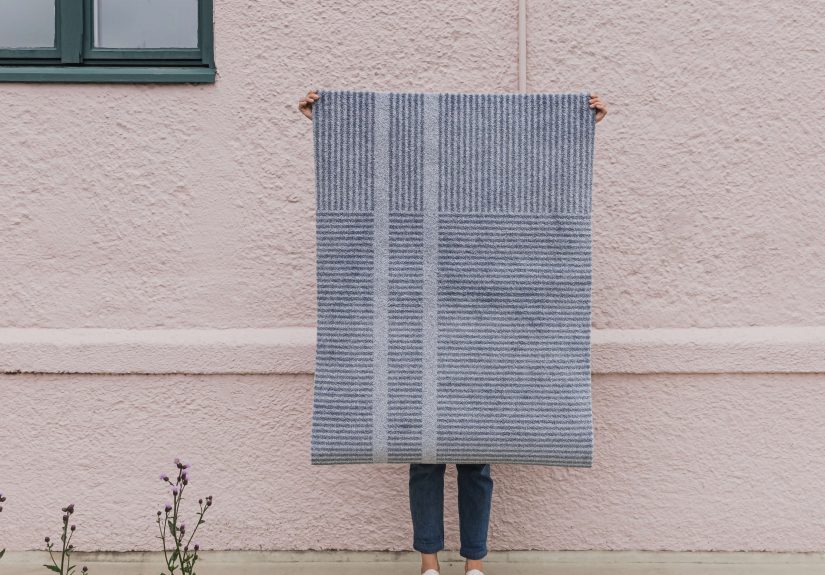
Scandinavian design is famous for being clean, thoughtful, and calm. Heymat’s patterns follow that spirit without becoming boring. Collections such as Sjø, Sand, Strå, Måne, Stein, and Twine pull inspiration from nature: water, grasses, stone, fibers, and Zen garden textures. Instead of shouting “WELCOME” in a font that looks suspiciously like a cowboy belt buckle, these mats whisper, “This home has taste.”
Designer Kristine Five Melvær has played an important role in shaping several Heymat designs. Her work often uses soft geometry, natural movement, and tactile surfaces, creating mats that feel decorative while still scraping and catching debris. This is where Heymat earns its reputation: the surface pattern is not just pretty; it supports performance.
Recycled Plastic Doormats: Sustainability That Does Something
Sustainability in home decor can sometimes feel vague. A product says “eco-friendly,” and the consumer is left wondering whether that means recycled materials, better production, less packaging, or simply that the label is printed in green ink. Heymat’s appeal is more concrete. Many of its mats use recycled PET plastic in the pile, turning plastic waste into a hard-working household product.
PET is valued for doormats because it is durable, quick-drying, and resistant to everyday moisture problems. Compared with natural coir, recycled PET can hold color well, allow more modern patterns, and clean up more easily. For anyone who has owned a coir mat that slowly migrated into the house one fuzzy strand at a time, that matters.
Using recycled plastic does not magically solve the world’s waste problem, but it is a practical step in a better direction. A doormat is a product you step on every day. Choosing one made from recycled materials means the entryway becomes part of a more conscious home, without forcing you to replace beauty with beige guilt.
Indoor-Outdoor Performance for Real Life
The best indoor-outdoor doormat needs to survive multiple personalities. Outside, it faces rain, leaves, dust, pollen, snow, and the neighbor’s dog, who may or may not understand property lines. Inside, it needs to protect floors, stay flat, look polished, and avoid becoming a trip hazard. Heymat designs its mats to bridge that gap.
Many Heymat outdoor mats are made with recycled PET fibers that drain efficiently and resist weather-related wear. The backing helps keep the mat in place, which is especially useful on tile, wood, concrete, and covered porch surfaces. The combination of absorbency, dirt-trapping texture, and non-slip support makes them suitable for entryways, mudrooms, patios, garden doors, and garage entrances.
Where to Use a Heymat Doormat
A Heymat mat works beautifully at the front door, but that is only the beginning. In a mudroom, it can handle wet boots and school bags. Near a patio door, it catches grass clippings and backyard dust. In an apartment hallway, it creates a polished first impression without taking up too much visual space. In a laundry room or garage entry, it quietly protects floors from the daily parade of “I only stepped outside for one second.”
For homes with pets, a textured recycled plastic doormat can be especially useful. Dogs do not respect floor-cleaning schedules. Cats respect nothing. A mat that catches debris before it travels across the living room can feel like a tiny miracle with edges.
Design Collections Worth Noticing
Heymat’s collections are not one-style-fits-all. Some patterns are calm and minimal, while others bring more graphic personality. The right choice depends on your home’s architecture, door color, flooring, and how bold you want the entrance to feel.
Sjø: A Calm, Water-Inspired Look
Sjø, meaning “sea” in Norwegian, is one of Heymat’s most recognizable designs. Its blue tones and wave-like pattern feel peaceful without looking plain. It suits coastal homes, modern apartments, and any entryway where you want a subtle link to nature. It is also a smart choice for people who like color but are scared of committing to a sofa that looks like a blueberry.
Sand: Zen Garden Energy at the Door
Sand is inspired by Japanese Zen gardens, with a textured pattern that resembles carefully raked lines. This design is ideal for minimalist homes, neutral interiors, and spaces where the entryway should feel quiet and grounded. It brings order to the threshold, which is helpful because the rest of the house may still contain laundry on a chair.
Strå: Organic Texture with Scandinavian Simplicity
Strå draws from the movement of grass and natural fibers. It has a linear rhythm that feels fresh and outdoorsy without becoming rustic. For homes with wood tones, stone floors, or earthy palettes, Strå can soften the doorway while still offering the performance expected from a durable indoor-outdoor mat.
Twine: A Contemporary Twist on Nature
Twine brings a freer, more organic expression to the Heymat family. Its pattern is inspired by shapes and fibers found in nature, making it a stylish option for people who want a doormat that feels artistic but not loud. Twine Green, Twine Beige, and Twine Grey can work with everything from Scandinavian minimalism to modern farmhouse style.
How Heymat Compares with Traditional Doormats
Traditional coir mats are popular because they are affordable and familiar. They scrape dirt well at first, but they can shed, fade, hold moisture, and break down faster in exposed outdoor conditions. Rubber mats are durable and easy to rinse, but many look utilitarian. Polypropylene mats can be practical, but not all are made with recycled content or strong design appeal.
Heymat lands in a more premium category. It is for buyers who want a sustainable doormat that performs like a serious cleaning tool but looks like part of the design plan. The price is usually higher than a basic mat, but the value comes from longer-lasting materials, design quality, recycled plastic construction, and the ability to use one product across indoor and outdoor spaces.
Cleaning and Maintenance: Surprisingly Low Drama
A stylish doormat should not require a care routine more complicated than a houseplant with emotional needs. Heymat mats are designed for easy maintenance. Regular vacuuming removes dust and dry debris. Shaking the mat outside helps release sand and grit. For deeper cleaning, many outdoor styles can be rinsed with water, and washable models can be machine washed according to the care instructions.
One practical tip: clean the mat before it looks desperate. Waiting until it resembles a crime scene from a gardening accident makes every cleaning job harder. A quick vacuum once a week and a deeper clean a few times a year can keep the fibers fresh and the colors looking sharp.
Choosing the Right Heymat for Your Home
Start with placement. A covered front porch has different needs than a fully exposed patio. A high-traffic mudroom needs more dirt-trapping power than a formal entry used mostly by guests. Measure the doorway carefully and choose a size that gives people enough space to step naturally. A mat that is too small can look accidental, like a napkin trying to do a rug’s job.
Next, consider color. Darker mats hide dirt better and work well for busy households. Lighter mats can brighten an entryway but may need more frequent cleaning. Blue, green, beige, grey, and earthy tones are easy to coordinate with exterior paint, wood doors, concrete floors, and modern tile.
Finally, think about mood. If your home is clean-lined and quiet, Sand or Måne may be a strong fit. If you want something organic and relaxed, Twine or Strå could be better. If your entryway needs a little visual energy, Sjø or a patterned design can create a memorable first impression.
Are Heymat Doormats Worth It?
For many households, yes. Heymat is not the cheapest option, and it is not trying to be. It is a premium sustainable doormat brand that balances design, function, and recycled materials. If you only need a temporary mat for a back door nobody sees, a basic option may be fine. But if your entrance matters, and you want a recycled plastic doormat that can handle daily traffic while improving the look of your home, Heymat makes a strong case.
The biggest benefit is that you do not have to choose between “pretty” and “practical.” A Heymat mat can look refined enough for a design-conscious home while doing the unglamorous work of trapping moisture and dirt. That is rare. Most household products are either beautiful or useful. Heymat tries to be both, which is exactly what the humble doormat deserves after years of being ignored like the bass player in a garage band.
Experience Notes: Living With a Stylish Recycled Plastic Doormat
The real test of any doormat is not how good it looks on delivery day. Everything looks good when it is new. The true test begins after a few weeks of wet shoes, grocery runs, pet paws, package deliveries, and that one family member who treats “wipe your feet” as a philosophical suggestion rather than a rule.
In everyday use, a stylish indoor-outdoor doormat made from recycled plastic feels most valuable because it quietly reduces mess. You notice fewer dusty footprints past the entry. You notice less grit under bare feet. You notice that the hallway does not need sweeping quite as often. It is not magic, but it is the sort of small home upgrade that makes daily life feel more controlled.
The design also changes how the entryway feels. A cheap mat can make even a beautiful doorway look unfinished. A Heymat doormat, especially one with a nature-inspired pattern, creates a visual pause before entering the home. It gives the threshold a sense of intention. Guests may not immediately say, “What a sophisticated recycled PET fiber mat!” because most guests are not product-spec poets. But they will register that the entrance feels clean, modern, and cared for.
There is also a satisfying emotional layer to using recycled plastic in a daily object. A doormat is not glamorous, but it is used constantly. Knowing that the pile can be made from recycled bottles gives the product a story. It turns waste into something useful and attractive. That story becomes part of the home, and unlike a decorative bowl nobody is allowed to touch, it earns its place every single day.
For families, the best experience is probably durability. Kids track in playground dust. Dogs bring in leaf confetti. Adults arrive with wet sneakers and unrealistic confidence. A recycled plastic doormat with a firm backing and textured surface handles these moments better than many decorative mats. It does not require anyone to become a more perfect person, which is great because that was unlikely by Tuesday.
The only thing to remember is that premium mats still need care. Vacuuming, shaking, rinsing, and occasional washing help preserve performance. The reward is a mat that keeps looking like part of the home rather than an exhausted object waiting for retirement.
In the end, living with a Heymat-style recycled plastic doormat is about upgrading a small daily ritual. You come home, wipe your shoes, step inside, and the house stays cleaner. It is simple, useful, and unexpectedly stylish. That is the kind of design that does not beg for attention but earns appreciation over time.
Conclusion
Stylish indoor-outdoor doormats made from recycled plastic by Heymat prove that even the most practical home items can be thoughtfully designed. With recycled PET materials, durable construction, non-slip backing, and Scandinavian patterns inspired by nature, Heymat transforms the entryway from an afterthought into a smart design feature. These mats are ideal for homeowners, renters, pet owners, families, and anyone who wants a cleaner home without sacrificing style.
A good doormat should stop dirt at the door. A great one should do that while looking like it belongs in a beautiful home. Heymat does both, and it does so with a more sustainable approach that gives recycled plastic a useful second life. Not bad for something people step on every day.