Table of Contents >> Show >> Hide
- Why Copper Matters in the First Place
- 8 Foods That Are High in Copper
- Other Copper-Rich Foods Worth Mentioning
- How Much Copper Do You Actually Need?
- Can You Get Too Much Copper?
- Easy Ways to Add More Copper-Rich Foods to Your Diet
- Final Thoughts
- Everyday Experiences With Eating More Copper-Rich Foods
If copper were a movie character, it would be the underrated sidekick who quietly saves the whole plot. It does not get the glamour of vitamin D or the fan club of magnesium, but this trace mineral helps your body make energy, build connective tissue, support the nervous system, and work with iron to form healthy red blood cells. In other words, copper is doing serious backstage labor while flashier nutrients hog the spotlight.
The good news is that most people do not need to obsess over copper supplements or start treating their pantry like a chemistry set. A balanced diet usually covers it. The smarter move is to know which foods naturally contain more copper, then work them into meals in ways that feel normal, tasty, and sustainable. That is where this list comes in.
Below, you will find eight foods that are high in copper, why they deserve a spot on your plate, and simple ways to eat them without turning dinner into a nutrition lecture. Spoiler: one of the foods is dark chocolate, so this article is already off to a strong start.
Why Copper Matters in the First Place
Copper is an essential trace mineral, which means your body needs only a small amount, but it still needs that amount regularly. Copper helps support energy production, brain development, blood vessel health, immune function, and the creation of connective tissues such as collagen and elastin. It also helps your body use iron effectively, which is one reason low copper can sometimes show up alongside anemia-like symptoms.
For most adults, the recommended intake is modest, not mountainous. You are not trying to chase giant numbers here. You are trying to build a varied eating pattern that includes foods naturally rich in copper. This is one of those nutrients where consistency beats drama.
When copper intake is too low, symptoms can include fatigue, weakness, low white blood cell counts, numbness or tingling, and in some cases bone problems. That said, copper deficiency is considered uncommon in healthy people eating a reasonably varied diet. It is more likely to happen in people with certain absorption issues, after bariatric surgery, or in those taking high-dose zinc supplements for long periods.
8 Foods That Are High in Copper
1. Beef Liver
If copper had a heavyweight champion, beef liver would walk into the ring wearing the belt. It is one of the most concentrated food sources of copper you can eat. A relatively small serving can provide far more than your daily copper needs, which is both impressive and a little show-offy.
Liver is also rich in iron, vitamin A, and several B vitamins, so nutritionally, it brings a full marching band. The catch is obvious: not everyone loves the taste. If you are liver-curious but not liver-committed, try mixing a small amount into meatballs, meat sauce, or pâté rather than eating a full slab on its own like a nutritional dare.
Because liver is so concentrated, this is not a food most people need every day. Think of it as an occasional copper booster, not your personality.
2. Oysters
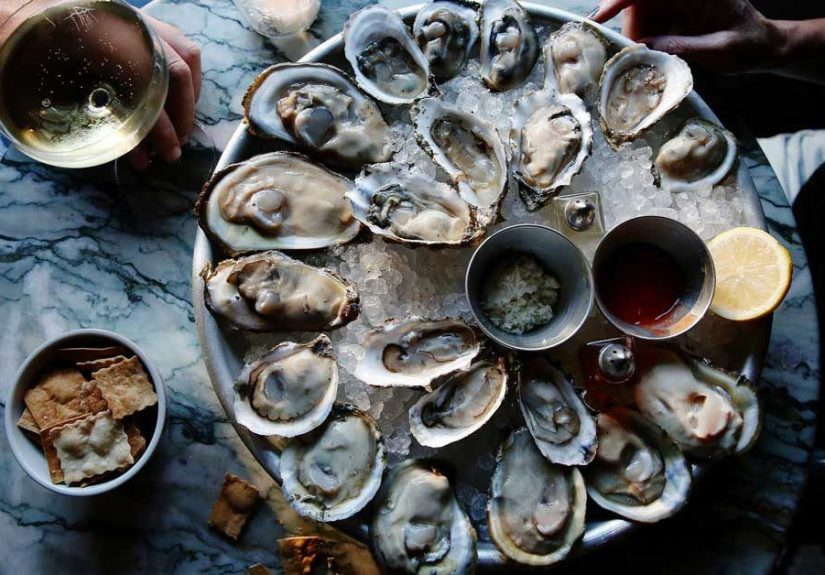
Oysters are another copper powerhouse and one of the most efficient ways to get this mineral from food. They are also famous for zinc, vitamin B12, and that slightly fancy energy that makes any meal feel like it should come with linen napkins.
If you enjoy shellfish, oysters can be a smart addition to a copper-rich diet. Cooked oysters are often easier for hesitant eaters than raw ones, and they work well in stews, seafood platters, or pasta dishes. If oysters are not your thing, other shellfish can still contribute, but oysters are one of the stars when it comes to copper content.
One important note: shellfish allergies are real, and oysters are not for everyone. Copper does not care how you get it, so there are plenty of other roads to the same destination.
3. Shiitake Mushrooms
Shiitake mushrooms are excellent news for people who want more copper without going anywhere near organ meats or shellfish. They are earthy, savory, and deeply helpful in soups, stir-fries, noodle bowls, and grain dishes. They also happen to be one of the better plant-based sources of copper.
Cooked shiitake mushrooms offer a meaningful amount of copper per cup, which makes them especially useful for vegetarians and anyone trying to diversify mineral intake through whole foods. Their umami flavor also gives meals more depth, so they earn their keep beyond nutrition.
If your usual mushroom experience begins and ends with sad white button mushrooms on a pizza, shiitakes are your invitation to level up.
4. Sunflower Seeds
Sunflower seeds may be small, but nutritionally they are not here to play small. They provide copper, healthy fats, vitamin E, and a satisfying crunch that can rescue bland meals from mediocrity.
They are also absurdly easy to use. Sprinkle them over salads, stir them into oatmeal, add them to trail mix, or toss them onto roasted vegetables. You can even blend sunflower seeds into sauces or use sunflower seed butter if you want the benefits without the shell-dodging snack ritual.
For people who want copper-rich foods that do not require cooking skills or a special grocery trip, sunflower seeds are one of the easiest wins on this list.
5. Cashews
Cashews are one of the most approachable foods high in copper because they are widely available, easy to snack on, and genuinely enjoyable. No one has ever had to be talked into cashews with the same emotional effort required for liver.
Besides copper, cashews provide healthy fats, magnesium, and a little protein. They work as a snack, a salad topper, a stir-fry ingredient, or the base for creamy dairy-free sauces. If you have ever eaten a cashew-based pasta sauce and thought, “This is suspiciously good,” you were not wrong.
Because nuts are calorie-dense, portion size still matters, but from a copper standpoint, cashews are one of the friendliest options around.
6. Chickpeas
Chickpeas are the practical overachievers of the pantry. They are affordable, versatile, shelf-stable, and rich in fiber, plant protein, and a respectable amount of copper. Whether you buy them canned or cook them from dry, they are an easy way to support your overall nutrient intake without overcomplicating dinner.
Use chickpeas in salads, grain bowls, curries, soups, pasta, or hummus. Roast them with spices if you want a crunchy snack that feels a little more exciting than plain nuts. They also pair well with other copper-containing foods such as whole grains and seeds, which means they can help you build a meal that is quietly nutrient-dense.
For plant-forward eaters, chickpeas are one of the most practical ways to get more copper from everyday foods.
7. Potatoes, Especially With the Skin
Potatoes do not always get enough respect. They are often treated like nutritional wallpaper when, in reality, they provide potassium, vitamin C, fiber if you eat the skin, and a surprisingly useful amount of copper.
The key phrase here is with the skin. A lot of the good stuff hangs out there, so peeling potatoes like they personally offended you can lower the nutritional payoff. Baked potatoes, roasted wedges, and skin-on potato salads are simple ways to hang onto more of the copper.
This makes potatoes a handy copper source for people who want familiar, budget-friendly foods rather than niche health-store ingredients that sound like they belong in a spell book.
8. Dark Chocolate
Yes, dark chocolate made the list, and yes, it deserves a tiny parade. Dark chocolate and cocoa are known for containing copper, especially varieties with a higher cocoa content. Depending on the type, a modest serving can provide a meaningful chunk of your daily needs.
This is not official permission to replace dinner with a candy aisle speed-run. Dark chocolate can absolutely fit into a balanced diet, but it still works best as part of the bigger picture, not as your emergency nutrition strategy during a stressful Tuesday.
Try a square or two after dinner, add cocoa to smoothies or oatmeal, or use chopped dark chocolate in homemade trail mix with nuts and seeds. Suddenly, your snack has both flavor and a trace-mineral résumé.
Other Copper-Rich Foods Worth Mentioning
Only eight foods made the headline, but they are not the whole copper universe. Other foods that can help boost copper intake include tofu, sesame seeds, whole grains, crab, salmon, avocados, and some beans. That matters because the real goal is not to eat the same “superfood” every day until you are emotionally exhausted. The goal is variety.
A mixed eating pattern usually works better than trying to force one hero ingredient into every meal. A bowl with brown rice, tofu, mushrooms, chickpeas, and sunflower seeds? That is a copper-friendly meal. A baked potato with chili and a side salad topped with cashews? Also solid. Dark chocolate for dessert? A disciplined finish, obviously.
How Much Copper Do You Actually Need?
Most adults need 900 micrograms of copper per day. That number is useful for context, but you do not need to obsessively calculate every bite unless a healthcare professional has asked you to monitor it closely.
In general, people who eat a varied diet can meet their copper needs through food. This is especially true when meals include a mix of legumes, nuts, seeds, whole grains, shellfish, mushrooms, or organ meats. Pregnancy and breastfeeding increase copper needs, which is one reason prenatal nutrition should be individualized with professional guidance.
If you suspect you are low in copper because of symptoms, a medical condition, or supplement use, that is not the moment for random internet heroics. It is the moment to talk with a healthcare professional who can assess the bigger picture.
Can You Get Too Much Copper?
Yes, although for healthy people, too much copper is more likely to come from supplements or unusual exposure than from food alone. Regularly taking in excessive amounts can lead to nausea, vomiting, abdominal pain, diarrhea, and in serious cases, liver damage.
People with Wilson disease need special medical guidance because this inherited condition causes copper to build up in the body. That is a very different situation from simply eating a handful of cashews or a mushroom stir-fry.
It is also worth remembering that more is not always better. High-dose zinc supplements can interfere with copper absorption over time. So if your supplement routine looks like a chemistry lab, it is wise to run it by a healthcare provider.
Easy Ways to Add More Copper-Rich Foods to Your Diet
- Top oatmeal, yogurt, or salads with sunflower seeds or chopped cashews.
- Add chickpeas to soups, wraps, and grain bowls for extra copper, fiber, and staying power.
- Use shiitake mushrooms in stir-fries, ramen, risotto, or pasta.
- Keep the skin on baked or roasted potatoes whenever possible.
- Choose a square of dark chocolate for dessert instead of something less satisfying.
- If you eat seafood, rotate in oysters or other shellfish occasionally.
- If you enjoy organ meats, use liver occasionally in small portions rather than making it an everyday event.
The best copper foods are not always the most dramatic ones. Often, they are the foods you will actually keep eating.
Final Thoughts
Copper may not be the nutrient everyone talks about at brunch, but it plays an important role in everyday health. The good news is that many delicious foods contain it naturally, from oysters and shiitake mushrooms to chickpeas, potatoes, sunflower seeds, and even dark chocolate.
If you focus on variety instead of perfection, meeting your copper needs becomes much simpler. Eat a mix of nutrient-dense foods, do not rely on supplements unless you need them, and remember that trace minerals are usually best handled by a smart diet rather than a dramatic overcorrection. In short: let your meals do the heavy lifting, and let copper stay the quietly competent overachiever it was born to be.
Everyday Experiences With Eating More Copper-Rich Foods
In real life, most people do not wake up and say, “I should really optimize my copper intake today.” What usually happens is much more ordinary. Someone starts trying to eat a little better, maybe cook at home more often, maybe stop treating lunch like a random emergency, and they naturally begin eating more foods that contain copper. That is one of the interesting things about this mineral: it tends to show up when your overall diet gets more varied and less ultra-processed.
For example, people who start making grain bowls often end up eating more chickpeas, mushrooms, seeds, and avocado without even realizing they are building a copper-friendlier plate. Someone else swaps chips for trail mix and suddenly gets copper from cashews and sunflower seeds. Another person starts baking potatoes with the skin on because it is easier, cheaper, and tastes better, and that small habit quietly improves the nutrient profile of dinner. Sometimes nutrition changes look less like a dramatic transformation and more like a series of tiny kitchen wins.
Plant-based eaters often have an especially interesting experience with copper-rich foods. They may skip shellfish and organ meats completely, yet still cover their bases through mushrooms, legumes, nuts, seeds, cocoa, tofu, and whole grains. In many cases, once meals become more intentional, copper is not the hard part. The challenge is usually consistency, not access. Keeping canned chickpeas in the pantry, buying a bag of sunflower seeds, or tossing shiitakes into a stir-fry is usually far more realistic than chasing some trendy “miracle” ingredient with a price tag that deserves its own security guard.
There is also the flavor factor, which matters more than nutrition advice sometimes admits. People are much more likely to stick with copper-rich foods when those foods are genuinely enjoyable. Dark chocolate is an easy example. So are roasted cashews, creamy hummus, crispy chickpeas, and mushroom pasta. Once a food feels like a pleasure instead of a project, it becomes part of life instead of another abandoned wellness goal collecting emotional dust in the fridge.
Then there are people who discover copper through health concerns. Someone dealing with absorption issues, recovering from surgery, or reviewing supplement habits with a clinician may learn that copper deserves more attention than they thought. Those experiences can be eye-opening because copper is rarely the first nutrient people think about. Still, the takeaway is usually not panic. It is awareness. Food patterns matter. Balance matters. And in many everyday situations, adding copper-rich foods is less about perfection and more about making practical, sustainable choices you will still be doing next month.