Table of Contents >> Show >> Hide
- What Is Choline, Exactly?
- How Much Choline Do You Need Per Day?
- Top Choline Food Sources to Put on Your Plate
- Best Choline Food Sources by Eating Style
- Common Mistakes People Make With Choline
- Do You Need a Choline Supplement?
- Simple Ways to Eat More Choline Without Overthinking It
- Real-Life Experiences With Choline Food Sources
- Final Thoughts
If protein gets the celebrity treatment and fiber gets the wellness-guru spotlight, choline is the nutrient quietly doing the backstage work with no applause and very little fan mail. That is a shame, because choline helps support brain and nervous system function, cell membranes, fat transport, and normal liver function. In plain English: it is not some trendy superfood buzzword. It is a real nutrient your body needs every day, and your dinner plate is where most of it has to come from.
The funny part is that choline shows up in plenty of everyday foods people already know: eggs, fish, chicken, beans, milk, soybeans, broccoli, and even the humble baked potato. The less funny part is that many people still do not get enough. That makes “choline food sources” a topic worth more than a passing glance, especially for pregnant women, breastfeeding women, people eating mostly plant-based diets, and anyone trying to build a smarter, more nutrient-dense routine without turning mealtime into a chemistry exam.
This guide breaks down what choline does, how much you need, the best choline-rich foods, and practical ways to work them into real life. No gimmicks, no robot-sounding filler, and no lecture from a carton of egg whites pretending to be a whole egg.
What Is Choline, Exactly?
Choline is an essential nutrient, which means your body needs it to function properly. Your liver can make a small amount, but not enough to fully cover your needs, so food has to do the heavy lifting. Choline is involved in making acetylcholine, a neurotransmitter tied to memory, mood, and muscle control. It also helps build phospholipids, which are major structural components of cell membranes. In other words, choline is not just hanging around for decoration. It is on the job.
It also plays a role in moving fats through the liver. When intake is too low, that process can suffer. That is one reason choline is often discussed alongside liver health. Researchers are also studying how choline relates to cognition, cardiovascular health, and early brain development. The science is still evolving in some areas, but the basic takeaway is clear: this nutrient matters, and food remains the best starting point.
How Much Choline Do You Need Per Day?
Daily choline needs vary by age, sex, and life stage. For adults, the commonly cited adequate intake is 550 mg per day for men and 425 mg per day for women. During pregnancy, the target rises to 450 mg per day, and during breastfeeding it increases to 550 mg per day. That bump is a big clue that choline is especially important during times of growth and development.
Here is where things get interesting: many people assume they are covering the basics if they eat “pretty healthy.” But choline is one of those nutrients that can still come up short when meals are repetitive, overly restrictive, or built around convenience foods that look healthy but are not especially rich in this nutrient. A smoothie can be lovely. A salad can be noble. But neither automatically guarantees meaningful choline unless you build them with intention.
Top Choline Food Sources to Put on Your Plate
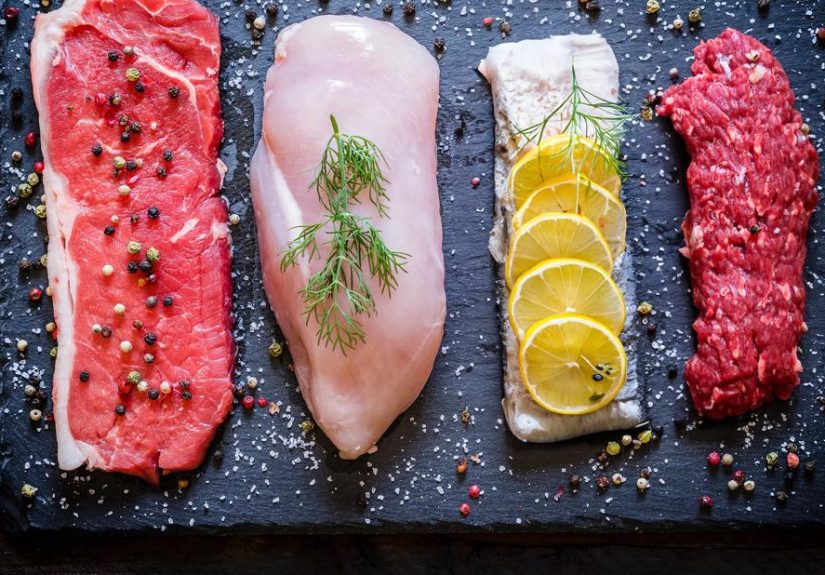
If you want the short version, animal foods tend to be the richest sources of choline, while certain plant foods can still make valuable contributions. The trick is not obsessing over one miracle food. It is combining several solid sources across the day.
1. Beef Liver
Beef liver is the undisputed heavyweight champion of choline-rich foods. A 3-ounce serving delivers about 356 mg. If you love liver, congratulations, you are nutritionally efficient. If you do not, that is okay. Most people would rather not hold a weekly parade for organ meats.
2. Eggs
One large hard-boiled egg provides about 147 mg of choline, making eggs one of the easiest and most practical sources. They are affordable, versatile, and easy to fit into breakfast, lunch, or snack time. The yolk is where much of the choline lives, so a plate of sad, lonely egg whites is not winning this contest.
3. Beef
Lean beef can offer meaningful amounts too. A 3-ounce serving of beef top round has about 117 mg, while 93% lean ground beef offers around 72 mg. This makes beef a useful option for people who want more choline without leaning on eggs every single day.
4. Soybeans
For plant-forward eaters, roasted soybeans are one of the best bets. A half-cup can provide about 107 mg. That is a big deal because it proves plant-based choline sources are not mythical creatures. They exist. You just have to invite them to dinner.
5. Chicken Breast
Roasted chicken breast gives you around 72 mg per 3 ounces. It may not be flashy, but it is dependable, widely available, and easy to use in meal prep. Think grain bowls, wraps, soups, salads, or the reliable “I forgot to plan dinner” skillet situation.
6. Fish and Seafood
Cod provides about 71 mg per 3 ounces, and canned tuna also contributes. Some medical and nutrition sources also highlight sardines and other seafood as helpful options. Fish gives you a practical way to add choline while also diversifying your protein routine.
7. Milk and Dairy Foods
One cup of 1% milk contains about 43 mg of choline, while yogurt and cottage cheese contribute smaller but still useful amounts. Dairy may not top the chart, but it can help you build a steady baseline over the course of a day.
8. Beans and Lentils
Kidney beans provide about 45 mg per half-cup, and nutrition experts often include lentils among practical choline-supporting foods. Beans are especially helpful for people trying to balance budget, fiber, and plant-based nutrition at the same time.
9. Cruciferous Vegetables
Broccoli, Brussels sprouts, and cauliflower are worth more respect than they usually get. A half-cup of cooked broccoli has about 31 mg, Brussels sprouts offer about 32 mg, and cauliflower contributes roughly 24 mg. No, these are not egg-level numbers. But yes, they absolutely count.
10. Potatoes, Quinoa, Peanuts, and Seeds
A large baked red potato has about 57 mg, one cup of cooked quinoa offers about 43 mg, and peanuts add around 24 mg per quarter-cup. Sunflower seeds, whole grains, and wheat germ also chip in. These foods are the supporting cast that help your total daily intake climb higher without making every meal revolve around one ingredient.
Best Choline Food Sources by Eating Style
For Omnivores
If you eat a mix of animal and plant foods, meeting choline needs is much more manageable. A breakfast with two eggs, a lunch with chicken, a glass of milk, and a dinner that includes broccoli or beans can add up quickly. You do not need a perfect spreadsheet. You need consistent variety.
For Plant-Forward or Vegetarian Eaters
You can still get choline from food, but you may need to be more deliberate. Soybeans, beans, quinoa, broccoli, Brussels sprouts, peanuts, seeds, dairy, and eggs can all help. Vegetarian eating patterns often have an easier time than strict vegan patterns because eggs and dairy can close the gap significantly.
For Vegan Eaters
Vegan diets can include choline, but they usually require more planning. Soy foods, legumes, cruciferous vegetables, peanuts, seeds, wheat germ, potatoes, quinoa, and whole grains should show up regularly instead of occasionally. This is one area where “I eat vegetables” is not specific enough. The type and frequency matter.
For Pregnancy and Breastfeeding
Choline deserves extra attention during pregnancy and lactation. Eggs, milk, chicken, beef, peanuts, soy products, beans, and broccoli are commonly recommended food-first options. Since prenatal supplements do not always provide much choline, food choices become even more important. This is the nutritional version of not leaving all the work to one exhausted intern.
Common Mistakes People Make With Choline
Mistake one: assuming “healthy” automatically means choline-rich. A clean-looking meal can still be low in choline if it skips major sources day after day.
Mistake two: fearing egg yolks like they are tiny villains in yellow sweaters. Whole eggs are one of the easiest choline sources available.
Mistake three: forgetting plant foods can help. While animal foods are often richer, soybeans, beans, quinoa, peanuts, potatoes, and cruciferous vegetables all matter.
Mistake four: jumping straight to supplements. Food should usually come first. High supplemental intakes are not automatically better, and too much choline can cause unpleasant side effects. More is not always more. Sometimes more is just expensive and weird.
Do You Need a Choline Supplement?
Not necessarily. Many people can improve choline intake by upgrading their food choices before opening a supplement bottle. Supplements may make sense in certain cases, especially when dietary intake is limited or a clinician recommends them, but they are not the universal answer. The smarter move is often to look at your meals honestly. Are you eating eggs, fish, dairy, soy, beans, broccoli, potatoes, or other meaningful sources on a regular basis? If not, the fix may be simpler than you think.
It is also worth remembering that choline research is nuanced. Getting enough is important, but megadosing because the internet said “brain booster” is not a brilliant strategy. A food-first approach is steadier, safer, and far less likely to leave you regretting both your supplement bill and your digestive choices.
Simple Ways to Eat More Choline Without Overthinking It
- Start breakfast with whole eggs instead of skipping the yolk.
- Add milk, yogurt, or cottage cheese where it fits your routine.
- Use chicken, fish, or lean beef as regular protein options.
- Work soy foods, beans, or lentils into bowls, soups, and salads.
- Stop treating broccoli and Brussels sprouts like punishment vegetables.
- Use quinoa, potatoes, peanuts, and seeds as supporting players through the week.
The goal is not to eat like a nutrition spreadsheet learned to walk. The goal is to create meals that are realistic, repeatable, and varied enough to support your nutrient intake over time.
Real-Life Experiences With Choline Food Sources
In real life, most people do not wake up thinking, “Today I shall optimize my choline intake.” They think, “What can I eat that is fast, decent, and does not require emotional recovery afterward?” That is exactly why choline food sources are easiest to understand through everyday experience rather than textbook language.
For many people, eggs are the gateway food. Someone who never paid attention to choline may start eating two eggs in the morning because breakfast needs to be quick and filling. Over time, they notice that this one habit makes the rest of the day easier. Breakfast feels more satisfying, snacks become less chaotic, and they have accidentally built a stronger nutritional foundation without turning breakfast into a laboratory exercise. It is not glamorous. It is just effective.
Then there is the plant-forward eater who realizes that getting enough choline takes a little strategy. Not panic. Not a dramatic speech. Just strategy. They begin adding roasted soybeans to snacks, quinoa to lunch bowls, beans to soups, and broccoli to dinner. Nothing magical happens overnight, but the meals start looking more complete. The experience shifts from “I hope I am getting enough of everything” to “I can actually see where my nutrients are coming from.” That confidence matters.
Pregnancy often changes the conversation too. Suddenly, nutrients that once sounded optional start feeling very real. Many women discover that prenatal wellness is not just about folate and iron. Choline enters the chat, usually with eggs, milk, chicken, beans, peanuts, or soy foods following close behind. The practical experience here is less about perfection and more about consistency. One choline-rich meal will not carry the whole week, but regular food choices can make the goal feel far more reachable.
Budget-conscious shoppers have their own version of this experience. They may not be buying fancy wellness products, but they can still build strong intake with eggs, milk, beans, potatoes, peanuts, canned fish, and frozen broccoli. That is the underrated truth about choline food sources: some of the best options are not expensive, trendy, or wrapped in influencer-approved packaging. They are often the foods already sitting in normal grocery carts.
There is also a learning curve. People who assume they are eating well sometimes realize their routine is heavy on convenience but light on choline. A smoothie for breakfast, a granola bar for lunch, and a salad with very little protein for dinner may look virtuous on social media, yet still miss the mark. Once they begin adding eggs, yogurt, beans, soy, fish, or cruciferous vegetables more intentionally, meals start feeling less flimsy and more functional. That is usually the turning point: not dieting harder, but eating smarter.
What most real-world experiences have in common is that success comes from patterns, not nutrition heroics. A whole egg here, a serving of chicken there, a side of broccoli, a cup of milk, a bowl with quinoa and beans, a handful of peanuts, some roasted soybeans for crunch. Choline intake improves the same way many good habits do: quietly, repeatedly, and without needing a dramatic soundtrack.
Final Thoughts
Choline may not be the loudest nutrient in the room, but it earns a seat at the table. It supports the brain, nerves, liver, and cell structure, and it becomes especially important during pregnancy and breastfeeding. The best choline food sources include eggs, liver, beef, chicken, fish, dairy, soybeans, beans, potatoes, quinoa, peanuts, and cruciferous vegetables like broccoli and Brussels sprouts.
The smartest approach is not chasing one perfect food or one flashy supplement. It is building a balanced eating pattern that includes several reliable sources throughout the week. That way, choline stops being a nutrient you vaguely remember from a health article and starts becoming something your meals naturally provide. Which, frankly, is how nutrition works best: less drama, more dinner.