Table of Contents >> Show >> Hide
- Why “Win a Camera!!!” Works So Well
- Know the Difference: Sweepstakes, Contests, and Scams
- How to Enter Legit Camera Giveaways Without Getting Burned
- How to Improve Your Odds the Smart Way
- If It Is a Photo Contest, Skill Still Beats Luck
- If You Win, Choose the Right Camera Instead of the Flashiest One
- Common Mistakes People Make While Chasing Camera Giveaways
- The Real Secret to “Winning a Camera”
- Experience Section: What Chasing a Camera Giveaway Really Feels Like
- Conclusion
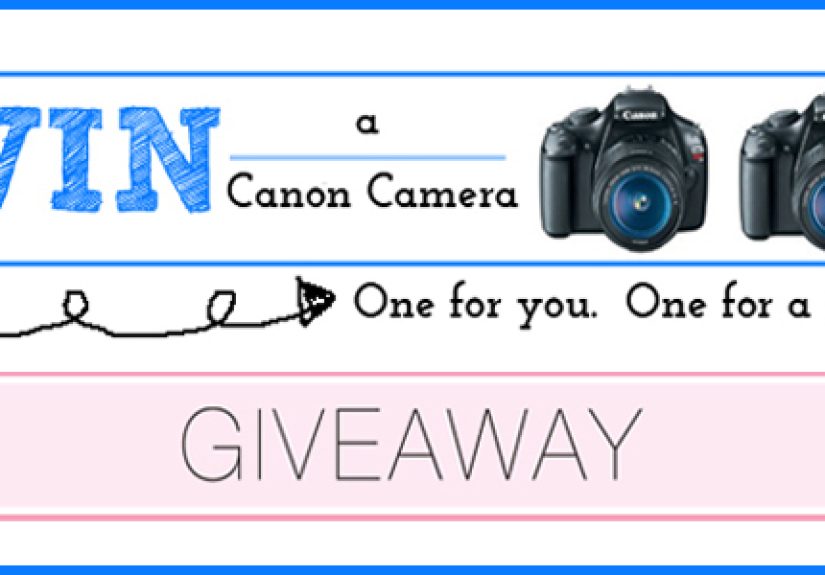
Few phrases light up the internet quite like “Win a Camera!!!” It sounds like the kind of headline that arrives wearing confetti and yelling through a megaphone. And honestly, who can blame people for clicking? Cameras are expensive, fun, aspirational, and somehow still magical. One minute you are scrolling half-awake with coffee in hand, and the next you are imagining yourself unboxing a sleek mirrorless beauty that makes your phone camera feel like a potato with commitment issues.
But here is the catch: the world of camera giveaways sits at the intersection of excitement, marketing, creativity, and, unfortunately, scams. Some promotions are completely legitimate. Some photography contests are skill-based and worth your time. Some are little more than email-harvesting machines dressed up in shiny graphics. And some are outright fraud, complete with fake checks, fake fees, and fake urgency. So if you want to win a camera without donating your sanity, your personal data, or your grocery money to a stranger named “Prize Department Officer Kevin,” you need a smarter strategy.
This guide breaks down how to pursue real camera giveaways and contests, how to avoid the sketchy stuff, how to improve your odds in a lawful and practical way, and what to do if you actually land the prize. We will also talk about something people forget in the excitement of a giveaway: not every “free” camera is the right camera. If you win one, or if a contest awards store credit, you still need to pick gear that matches your skill level, shooting style, and long-term goals.
Why “Win a Camera!!!” Works So Well
The idea is powerful because a camera is not just an object. It is a shortcut to a new identity. Winning a camera feels like winning permission to become a photographer, a travel storyteller, a family historian, a creator, a side hustler, or the person who finally stops saying, “I should really learn how to use manual mode someday.” A good giveaway taps into that dream instantly.
That is also why camera promotions spread fast. They combine the thrill of a prize with the emotional pull of creativity. A free blender says, “You now own a blender.” A free camera says, “Your next chapter could look amazing.” That is marketing gold. It is also why you should slow down before entering everything with a flashing button that says claim now.
Know the Difference: Sweepstakes, Contests, and Scams
Sweepstakes are based on chance
A sweepstakes is the classic random drawing. You enter, your name goes into the digital hat, and luck takes over. This is where most “Win a Camera!!!” promotions live. Legitimate sweepstakes should have clear official rules, eligibility requirements, entry deadlines, and prize descriptions. They should also tell you how winners are contacted and what happens if a winner does not respond.
Contests are based on skill
A photography contest is a different animal. Here, you are not winning because your email got plucked from a list at random. You are winning because your image, story, or video was judged better than the competition. That means the best strategy is not volume alone. It is quality, originality, and following the rules with the discipline of someone who actually reads them instead of treating them like decorative wallpaper.
Scams are based on pressure, confusion, and greed
If someone says you won a camera but first need to pay taxes, handling fees, shipping charges, insurance, customs, or “verification costs,” back away slowly and then quickly. Real prize promotions do not require payment to enter, and they do not increase your odds because you bought something. Scam operators love urgency, fake professionalism, and just enough plausibility to get you to act before you think. If the message feels like a fire drill wrapped in glitter, treat it as suspect.
How to Enter Legit Camera Giveaways Without Getting Burned
1. Look for official rules before you look at the prize photo
The glamour shot of the camera is doing emotional cardio. Ignore it for a second. The first thing you want is the rules. A legitimate giveaway usually spells out who can enter, whether the promotion is chance-based or skill-based, the deadline, age and residency restrictions, how winners are chosen, and whether there are substitute prizes. If you cannot find the rules, that is a red flag waving both arms.
2. Verify the sponsor
Brand-name giveaways are frequently impersonated. A post may use a well-known company logo and still be fake. Before entering, verify the promotion through the company’s official site or official social account. If a brand really is giving away a camera, there is usually a traceable source behind it. If the only evidence is a random account screaming in all caps and replying with ten rocket emojis, skepticism is your friend.
3. Never pay to claim a prize
This is the golden rule. No processing fee. No release fee. No magical winner activation fee. No “just buy one accessory to confirm your entry.” If money must leave your pocket for the prize to enter your life, it is not a prize. It is a lesson.
4. Use a separate email for sweepstakes
Even legitimate promotions can generate more marketing messages, targeted ads, and promotional clutter than you bargained for. A dedicated giveaway email keeps your main inbox from turning into a digital yard sale. It also helps you stay organized so you do not miss a legitimate winner notification buried between newsletters, receipts, and that store reminding you for the seventh time that socks are “selling fast.”
5. Protect your data like the prize already belongs to you
Before entering, ask what information is truly necessary. Name and email might make sense. Bank account details, Social Security number, or a copy of your ID before you have even been chosen? Absolutely not. Legitimate promotions have a process. Scammers have a form field.
How to Improve Your Odds the Smart Way
There is no legal trick that bends random chance into your personal assistant, but there are practical ways to become a more effective entrant.
Be selective instead of chaotic
Entering every giveaway on earth sounds productive until you realize half of them are low quality, poorly run, or not relevant to what you actually want. Focus on reputable brands, trusted retailers, known publishers, photography education platforms, and communities with transparent rules.
Prioritize lower-noise opportunities
A giant national giveaway from a household brand may attract enormous numbers of entries. Smaller promotions from respected photography communities, retailers, or niche creators can sometimes offer better practical odds simply because fewer people notice them. Bigger hype does not always mean better opportunity.
Follow directions exactly
This matters even in sweepstakes, and it matters even more in contests. If the form says one entry per person, do not get cute. If the contest says vertical photo, submit vertical. If the deadline is 11:59 p.m., do not arrive at 12:03 with a heroic excuse. Winners are often people who are talented and boringly compliant.
Keep a simple entry tracker
A spreadsheet is not glamorous, but neither is forgetting which giveaway required you to confirm your email, which contest requires a caption, or which deadline closes tomorrow. Keep the sponsor name, entry date, deadline, and notification window. Your future self will thank you instead of sending passive-aggressive thoughts in your direction.
If It Is a Photo Contest, Skill Still Beats Luck
Want to improve your chances in a camera-related contest? Stop thinking like a sweepstakes entrant and start thinking like a storyteller. Judges are not usually looking for “a nice photo.” They are looking for intention, clarity, originality, and emotional pull.
Composition matters more than fancy gear
Strong composition beats gear worship more often than people admit. Off-center framing can create more energy than dropping everything dead-center. Layering a foreground and background can make an image feel immersive. Anticipation matters in portraits and candid moments. In other words, the camera is important, but the eye behind it is still doing the heavy lifting.
Originality counts
Many reputable contests require original work and pay close attention to copyright ownership. That means no borrowed images, no questionable “inspiration” that looks suspiciously identical to someone else’s work, and no shrugging your way into a legal mess. Judges remember images that feel personal and specific.
Match the image to the theme
If the contest theme is joy, submit joy. Not “abstract sadness shot beautifully in black and white because it is artistically moody.” A great photo that ignores the brief is still a missed opportunity. Creativity thrives inside constraints more often than people expect.
Write better captions
Some contests allow or require a short description. Do not waste that space on “Taken on vacation :)” Give context. Explain the moment. Tell the micro-story. A good caption can elevate an image from nice to memorable.
If You Win, Choose the Right Camera Instead of the Flashiest One
Sometimes a prize is a specific camera. Sometimes it is store credit, a voucher, or a prize pool that lets you choose. That is when the second part of winning begins. And yes, choosing the right camera is its own mini-adventure.
Start with your skill level
If you are a beginner, user-friendly controls, approachable menus, and a comfortable grip may matter more than elite specs you will never touch. A camera that feels intuitive gets used. A camera that feels like an alien spacecraft may spend its life on a shelf judging you silently.
Think about style and weight
Do you want to shoot travel, family moments, portraits, sports, wildlife, or content creation? Do you need something lightweight enough to carry all day? The best camera is not always the most powerful. It is the one you are willing to take with you consistently.
Consider lenses and future growth
A camera body is only part of the story. If you plan to grow, lens options matter. A beginner portrait shooter and a wildlife enthusiast do not need the same setup. A good prize can become even better if it leads you into a lens ecosystem that supports your interests.
Do not ignore stabilization and connectivity
Built-in image stabilization, easy file transfer, and intuitive connectivity features can make a huge difference in real-world use. The glamour features get headlines. The practical features get your photos off the card and into your life.
Common Mistakes People Make While Chasing Camera Giveaways
- Entering without reading eligibility rules
- Trusting brand logos without verifying the actual sponsor
- Paying fees to “release” a prize
- Using a primary email and then drowning in promotions
- Submitting contest entries that do not match the theme
- Obsessing over winning while ignoring photography practice
- Assuming the most expensive camera is automatically the best choice
The Real Secret to “Winning a Camera”
Here is the least dramatic and most useful truth: the people who succeed are usually the ones who combine enthusiasm with caution. They enter legitimate promotions consistently. They skip the shady ones. They read rules. They protect their data. They improve their craft. They know that a camera giveaway can be a real opportunity, but not every shiny promise deserves their click.
And there is a funny little twist in all this. The longer you stay around photography, the more you realize that winning a camera is not the whole story. Winning is great. Free gear is great. But the real prize is momentum. A camera becomes a reason to go outside earlier, stay out later, notice light, frame a moment, tell a story, or turn a hobby into something more serious. The best giveaway is the one that gets you making images instead of just fantasizing about making them.
So yes, click on “Win a Camera!!!” if it comes from a legitimate source. Enter smart. Enter safely. Enter like someone who enjoys the game but refuses to be the game. Then whether you win by chance, by skill, or by finally buying the right camera with confidence, you still come out ahead.
Experience Section: What Chasing a Camera Giveaway Really Feels Like
Let’s talk about the emotional side of this, because anybody who has ever entered a camera giveaway knows the experience is weirdly cinematic. It starts with optimism. Fresh, caffeinated, movie-trailer optimism. You see the post, the prize looks gorgeous, and suddenly you are already imagining what your first weekend with the camera will look like. You will wake up early. You will photograph sunbeams. You will become the kind of person who casually says things like “I’m really loving the dynamic range here.” Your life, naturally, will improve by at least 37 percent.
Then comes the ritual. You fill out the form. You check the rules. You confirm your email. You maybe follow the brand on social. You try not to act too invested, which is difficult because your brain has already named the hypothetical camera and assigned it a shelf in your room. For the next few days, every notification feels suspiciously important. A random email from a furniture store gets opened with the energy of a lottery winner. Your inbox becomes a suspense novel.
There is also the tiny inner debate every time you see another giveaway. Should you enter this one too? Is it legit? Is this clever marketing or obvious nonsense wearing a tuxedo made of red flags? Over time, you get sharper. You stop falling for vague pages with no rules. You stop trusting every dramatic “you have been selected” message. You start recognizing the difference between a real promotion and a digital trap with a camera photo attached.
The funniest part is how the process changes your relationship with photography itself. At first, you are chasing gear. Then, slowly, the gear starts pointing you toward the craft. You read about beginner cameras and end up learning about sensor sizes, portability, stabilization, and lenses. You look at contest entries and start noticing composition. You realize some winning images are not technically complicated at all. They are just observant, intentional, and emotionally honest. That realization is both inspiring and mildly rude, because now you can no longer blame your phone for every bad photo you have ever taken.
Even if you never win, the experience can still be strangely valuable. You become a better editor of promotions, a smarter consumer, and a more intentional creator. You learn patience. You learn that excitement should always travel with skepticism. You learn that “free” is wonderful, but “legitimate” is non-negotiable. And if you do win? The moment is glorious. Not because you beat the universe, but because a thing you hoped for actually arrived in real life. The box shows up. The tape comes off. The camera is in your hands. Suddenly all those boring habits, like checking rules and ignoring scams, feel incredibly attractive.
That is the real experience of chasing a camera giveaway. It is part dream, part detective work, part self-control, and part creative motivation. It can be silly, thrilling, annoying, educational, and unexpectedly useful all at once. The headline may be loud, but the smartest path is quiet: verify, enter, improve, repeat. And once in a while, luck rewards the person who showed up prepared.
Conclusion
A camera giveaway can be a fun opportunity, but the smartest entrants treat it like both a possibility and a filter. They understand the difference between sweepstakes, contests, and scams. They read official rules, protect their information, avoid any promotion that asks for money, and focus on opportunities tied to real brands or trusted communities. If the giveaway is skill-based, they improve their odds by creating stronger work and following the brief with care. And if the prize finally lands in their lap, they choose gear based on real needs, not just shiny specs.
That is how you approach “Win a Camera!!!” like a hopeful person with common sense. Dream big, but read the fine print. Get excited, but stay sharp. A legitimate win can kickstart your photography journey, but even the search itself can teach you how to think more clearly about creativity, gear, and online trust. That is a pretty good return, even before the shutter clicks.