Table of Contents >> Show >> Hide
- What Vaseline Actually Is
- Benefits of Using Vaseline on Your Face
- Risks of Using Vaseline on Your Face
- Who Should Consider Using Vaseline on the Face
- Who Should Be Cautious or Skip It
- How to Use Vaseline on Your Face Safely
- Common Mistakes People Make
- So, Is Vaseline Good for Your Face?
- What People Commonly Experience When They Start Using Vaseline on Their Face
- Conclusion
Let’s talk about the tub in the medicine cabinet that has survived every trend, every influencer, and probably three bathroom remodels: Vaseline. Some people treat it like a miracle in a jar. Others look at it like it might clog every pore from here to Tuesday. So, what’s the truth about using Vaseline on your face?
The short answer: it can be helpful, but it is not a magic wand, and it is definitely not for every face. If your skin is dry, flaky, irritated, or acting like winter personally offended it, Vaseline may help protect the skin barrier and lock in moisture. But if your skin is oily, acne-prone, or easily congested, slathering it all over your face may be less “dewy glow” and more “why do I suddenly have a breakout meeting on my chin?”
This guide breaks down the real benefits, the possible risks, who should use it, who should be cautious, and how to use it without turning your pillowcase into a slip-and-slide.
What Vaseline Actually Is
Vaseline is a brand name for petroleum jelly, also called petrolatum. In skincare, its job is pretty straightforward: it sits on top of the skin and forms a barrier that helps keep water from escaping. That means it is an occlusive, not a water-delivery system. In plain English, it seals moisture in, but it does not add moisture by itself.
That distinction matters. If your face is already dry and dehydrated, putting Vaseline on bone-dry skin is a little like putting a lid on an empty pot. It can help prevent further water loss, but it works best when there is moisture underneath it, either from slightly damp skin or from a gentle moisturizer.
Benefits of Using Vaseline on Your Face
1. It helps lock in moisture
The biggest benefit of Vaseline on your face is simple: it helps reduce moisture loss. If your skin feels tight after washing, flakes around your nose, or turns into sandpaper every winter, a thin layer of petroleum jelly can help hold in hydration overnight.
This is one reason the “slugging” trend became popular. Slugging means applying your regular skincare first, then using a thin layer of petroleum jelly as the final step to seal everything in. For people with very dry skin, that can be genuinely helpful. For people with already-oily skin, it can feel like wearing a raincoat to bed.
2. It can support a stressed skin barrier
Your skin barrier is like the bouncer at a very exclusive club. It keeps water in and irritants out. When it gets damaged by cold weather, over-exfoliation, harsh cleansers, or too many “miracle” acids in one week, your face may sting, peel, burn, or become extra sensitive.
In that situation, Vaseline can be useful because it protects the surface of the skin while the barrier calms down. It is often a practical option when your face is irritated from wind, dry indoor heat, or a little too much enthusiasm with retinoids and exfoliating products.
3. It works well on dry patches, lips, and eyelids
You do not have to coat your entire face to benefit from Vaseline. In fact, many people do better using it only on the driest areas. Think corners of the nose, flaky patches on the cheeks, chapped lips, or dry eyelids.
This targeted approach is often smarter than full-face application. It gives the dry areas some extra protection without turning the rest of your face into an oil-slick experiment.
4. It is simple, affordable, and fragrance-free
One reason dermatologists keep recommending plain petroleum jelly is because it is basic in the best possible way. No trendy botanical cocktail. No mystery sparkle serum. No fragrance that smells like a tropical vacation but behaves like an irritated argument. Plain Vaseline is inexpensive, widely available, and usually well tolerated by people who prefer minimalist skincare.
That simplicity can be especially appealing if your skin is sensitive and seems to view “fun ingredients” as a personal attack.
5. It can make overnight recovery easier
If your face gets dry after acne treatments, prescription retinoids, or harsh weather, a little Vaseline at night may make your skin feel more comfortable by morning. It can soften rough spots, reduce that stretched-paper feeling, and help protect irritated areas while they recover.
Used carefully, it can be a practical rescue product instead of an everyday all-over facial moisturizer.
Risks of Using Vaseline on Your Face
1. It may not be a good match for acne-prone skin
This is the big caution flag. While plain petroleum jelly has a reputation for being gentle, dermatology guidance is still clear that acne-prone people should be careful with facial use. Why? Because a heavy occlusive layer can create an environment that feels too much for breakout-prone skin, especially if oil, sweat, makeup, and debris are trapped underneath.
So yes, Vaseline can be helpful for some dry faces. But if your skin already throws tantrums in the form of clogged pores, whiteheads, or inflamed breakouts, covering your whole face with it may not be the adventure you want.
2. It can feel greasy and heavy
There is no elegant way to say this: Vaseline is greasy. That is not a flaw; it is the entire point. But if you hate sticky textures, sleep hot, or want your face to feel fresh instead of glazed, you may strongly dislike it.
Some people also find that it transfers to pillowcases, migrates into the hairline, or makes them feel sweaty. In skincare terms, this is called “not a vibe.”
3. It does not replace a full moisturizer
Because Vaseline mainly seals, it is not always enough on its own. Many moisturizers contain ingredients that attract water and soften skin, such as humectants and emollients. Petroleum jelly does not do all of that by itself.
If your skin is dry because it lacks water, using Vaseline alone may not feel as helpful as applying a gentle moisturizer first and then sealing it in with a thin layer of Vaseline on top.
4. It can make some skin conditions feel worse
Some dermatologists caution that heavy facial slugging is not ideal for people with rosacea, persistent oiliness, or skin that overheats easily. It is not that Vaseline is automatically harmful. It is that the heavy, occlusive feel may aggravate discomfort or make certain faces feel congested and unhappy.
In other words, the same product that feels soothing on one person can feel suffocating on another. Skin, as usual, enjoys being dramatic and highly individual.
5. It should not go on a dirty face
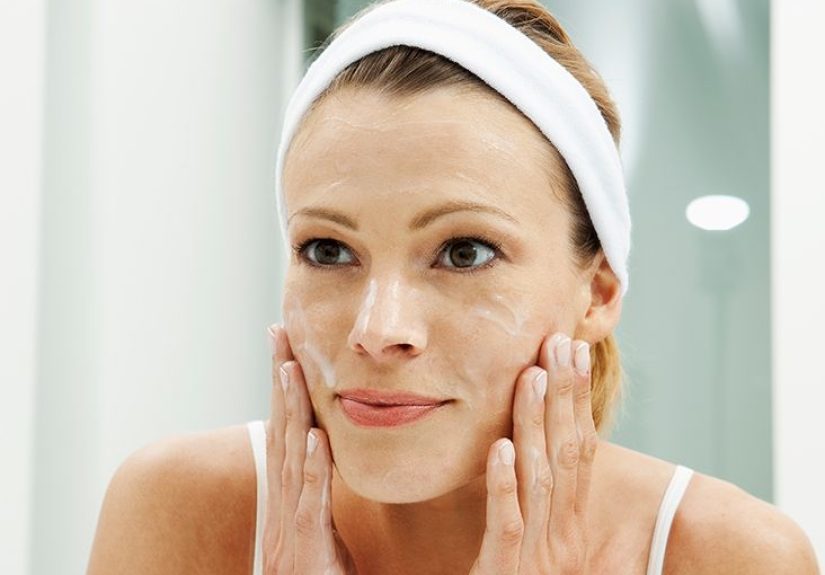
If you are going to use Vaseline on your face, cleanse first. Petroleum jelly is best used on clean skin. Applying it over leftover sunscreen, heavy makeup, sweat, and city grime is not exactly a recipe for a fresh morning face.
Think of Vaseline as the last protective layer, not a shortcut around washing your face.
Who Should Consider Using Vaseline on the Face
- People with very dry skin
- People with flaky patches around the nose or mouth
- People with irritated skin barriers from weather or overuse of active products
- People who want a simple nighttime seal over a moisturizer
- People who prefer fragrance-free, budget-friendly skincare
Who Should Be Cautious or Skip It
- People with acne-prone skin
- People with very oily skin
- People who frequently break out from heavy products
- People with rosacea or facial heat sensitivity who dislike occlusive textures
- Anyone applying it over unwashed skin, makeup, or sweat
How to Use Vaseline on Your Face Safely
Keep it thin
You do not need enough product to butter a croissant. A rice-grain or pea-sized amount is usually plenty for targeted use. Spread it into a very thin layer.
Use it as the last step
Apply your gentle moisturizer first. Then use Vaseline as the final step to seal that moisture in. This works especially well at night.
Start with dry spots only
If you are unsure how your skin will react, do not go full slug on night one. Start with the driest areas only, such as lips, eyelids, or flaky patches around the nose.
Do not use it as sunscreen
Vaseline does not replace sunscreen. It does not provide the kind of UV protection your skin needs. Use a real broad-spectrum sunscreen during the day.
Pay attention to your skin
If you wake up feeling smoother and more comfortable, great. If you wake up greasy, congested, or broken out, your face has already voted no. Respect the ballot.
Common Mistakes People Make
- Applying too much and turning “protective layer” into “facial lacquer”
- Using it on a dirty face
- Expecting it to hydrate without moisturizer underneath
- Using it nightly despite clear signs of breakouts
- Assuming a viral trend works for every skin type
So, Is Vaseline Good for Your Face?
It can be. That is the honest answer. Vaseline is one of the most useful products for very dry, irritated, or flaky skin because it helps protect the skin barrier and reduces water loss. It is especially handy for dry patches, lips, eyelids, and nighttime recovery when your face needs less drama and more support.
But it is not universally ideal. If you are acne-prone, very oily, or hate heavy textures, using Vaseline on your face may feel like inviting problems to sleep over. In that case, a lighter, non-comedogenic moisturizer may be a better everyday option.
The best approach is not to treat Vaseline like a miracle or a villain. It is a tool. A simple, effective, affordable tool. Use it where it fits, skip it where it does not, and your face will probably be much happier than if you follow every skincare fad that wanders across your screen wearing a ring light.
What People Commonly Experience When They Start Using Vaseline on Their Face
One of the most common first impressions is surprise. People who try Vaseline on their face for the first time often expect it to “sink in” like a cream, and then immediately discover that petroleum jelly is not here to disappear politely. It sits on the skin. That is its whole job. So the first experience is usually one of two reactions: “Wow, my skin feels protected,” or “Why do I feel like a glazed doughnut with opinions?”
For people with very dry skin, the experience is often positive within a few nights. Tightness after cleansing may calm down. Flaky patches around the nose and mouth may look smoother by morning. Lips can feel less cracked, and irritated corners of the nose from allergies or frequent tissue use often become more comfortable. These users usually describe Vaseline as boring in the best possible way: not glamorous, not fancy, just effective.
People who use strong active ingredients also tend to notice a difference when they apply a small amount over dry spots. For example, someone using retinoids may find that a tiny bit of Vaseline around the corners of the mouth or on the sides of the nose makes nighttime skincare feel much less aggressive. Instead of waking up with redness and peeling, they may wake up with skin that feels calmer and less angry about the whole arrangement.
On the other hand, people with oily or acne-prone skin often report a very different experience. The product can feel too heavy, too shiny, and too occlusive. Some say their skin looks smoother the next morning but also feels congested after a few uses. Others notice that using it only on dry patches works fine, while full-face application quickly becomes too much. This is why many people end up moving from “all over my face” to “just on my lips and that one weird flaky spot near my nose.” That is still a win.
Another common experience is learning that amount matters more than enthusiasm. A thin layer can feel soothing. A thick layer can feel like your pillow and your face are entering a legally complicated relationship. Many users get better results once they stop applying it like frosting and start using just enough to create a light seal.
People also tend to discover that timing changes everything. Vaseline on damp skin or over a gentle moisturizer usually feels more helpful than Vaseline on dry skin all by itself. When used correctly, it can make skin feel softer by morning. When used randomly, it can feel pointless, greasy, or both.
In real life, the long-term experience is usually not dramatic. There is rarely a cinematic transformation with choir music in the background. Instead, the experience is more practical: less dryness, fewer flaky spots, better comfort in cold weather, and occasional regret if you used too much. That may not sound exciting, but for skincare, “boring and reliable” is often exactly the love story people were looking for.
Conclusion
Using Vaseline on your face is one of those skincare choices that makes perfect sense for some people and zero sense for others. If your skin is dry, irritated, flaky, or recovering from barrier damage, a thin layer can be a smart, inexpensive way to seal in moisture and reduce discomfort. If your skin is oily, acne-prone, or easily congested, caution is the better strategy.
The sweet spot is thoughtful use: clean skin, small amount, nighttime only, and usually over moisturizer rather than instead of it. Used that way, Vaseline can be a practical hero for dry skin days without pretending to be the answer to every skincare problem ever invented.