Table of Contents >> Show >> Hide
- Why Chronic Conditions Need Longitudinal Care
- What Telemedicine Includes in Chronic Disease Management
- How Telemedicine Improves Long-Term Management
- Examples of Telemedicine in Chronic Conditions
- Building a Proficient Telemedicine Care Model
- Common Challenges and How to Solve Them
- The Hybrid Future: Not Virtual Versus In-Person, but Both
- Practical Experience: What Long-Term Telemedicine Care Feels Like
- Conclusion
Note: This article is for general informational publishing purposes and is based on current public health guidance, clinical practice trends, and evidence from reputable U.S. healthcare sources such as the CDC, HHS, CMS, AHRQ, NIH-linked research, and major medical organizations. It is not a substitute for professional medical advice, diagnosis, or treatment.
Chronic conditions are not one-and-done medical events. They are more like houseplants with a Wi-Fi connection: they need ongoing attention, occasional troubleshooting, and a little patience when something suddenly turns yellow for no obvious reason. Diabetes, hypertension, asthma, chronic kidney disease, heart failure, COPD, arthritis, depression, and other long-term illnesses require steady care over months and yearsnot just a heroic doctor visit once in a while.
That is where telemedicine has moved from “nice backup option” to “serious care strategy.” Telemedicine, sometimes used interchangeably with telehealth, allows patients and clinicians to connect through secure video visits, phone calls, remote patient monitoring devices, patient portals, mobile apps, and digital education tools. When used well, it can support proficient, longitudinal management of chronic conditions by making care more continuous, convenient, data-informed, and patient-centered.
The key phrase is “when used well.” Telemedicine is not magic. It cannot listen to every lung, palpate every abdomen, or fix a broken healthcare system by politely sending a reminder notification. But it can help close the enormous gap between scheduled office visits, where much of chronic disease management actually happens. Blood pressure does not wait for Tuesday at 2 p.m. Blood glucose does not care that parking at the clinic is terrible. Symptoms, medication side effects, diet changes, stress, sleep, and daily habits all unfold in real life. Telemedicine brings more of that real life into the care plan.
Why Chronic Conditions Need Longitudinal Care
Longitudinal care means care that follows a person over time. For chronic illness, this is essential because treatment is rarely a straight line. A patient may start a new blood pressure medicine, respond well for three weeks, then develop dizziness. Someone with type 2 diabetes may improve their A1C, then struggle during a stressful season at work. A patient with COPD may feel stable until smoke, pollen, or respiratory infection changes everything.
Traditional healthcare often asks patients to package all of that complexity into a short office visit. Telemedicine expands the timeline. Instead of waiting months to report a concerning trend, patients can send readings, message the care team, schedule a virtual check-in, or receive early coaching before a small problem turns into an emergency department visit. For chronic disease management, that shift from reactive care to proactive care is huge.
The Chronic Care Problem Telemedicine Helps Solve
Many Americans live with at least one chronic condition, and many live with several. Multiple chronic conditions increase the risk of medication conflicts, specialist overload, missed appointments, preventable complications, and plain old healthcare fatigue. Patients may have a primary care doctor, cardiologist, endocrinologist, nephrologist, behavioral health specialist, pharmacist, and dietitianat which point managing appointments starts to feel like producing a small Broadway show.
Telemedicine can simplify parts of that experience. It allows care teams to check in more frequently, coordinate medication changes, monitor symptoms, and educate patients without requiring every interaction to happen inside a clinic room. For rural patients, older adults, people with disabilities, caregivers, shift workers, and anyone who has ever looked at traffic and whispered, “Absolutely not,” this matters.
What Telemedicine Includes in Chronic Disease Management
Telemedicine for chronic conditions is not limited to video calls. In fact, video visits are only one piece of the puzzle. A strong virtual care model may include synchronous visits, asynchronous messaging, remote monitoring, digital care plans, medication support, and team-based follow-up.
Virtual Visits
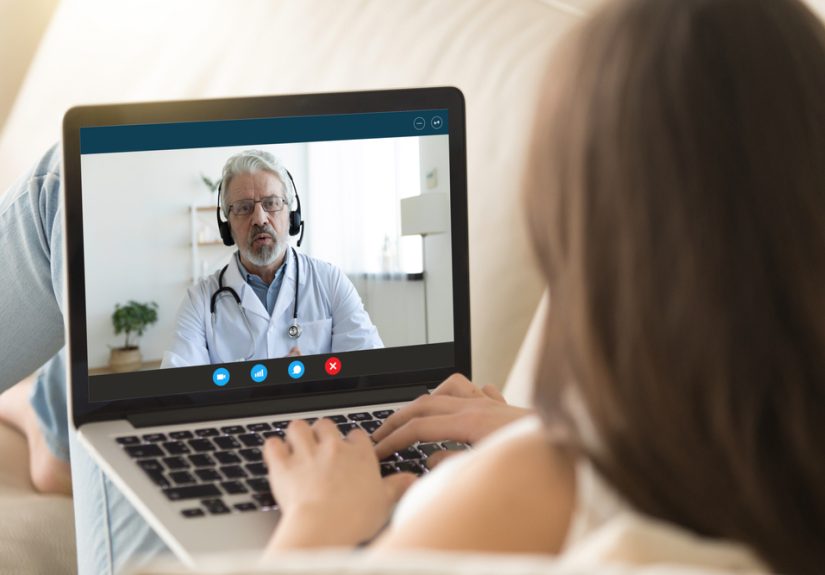
Virtual visits are live appointments by video or phone. They are useful for reviewing symptoms, adjusting medications, discussing lab results, checking treatment adherence, providing lifestyle counseling, and identifying whether an in-person visit is needed. For stable chronic conditions, a virtual visit can be just as practical as an office visit for many routine follow-ups.
Remote Patient Monitoring
Remote patient monitoring, often called RPM, uses connected devices to collect health information from the patient’s home. Examples include blood pressure cuffs, glucose meters, pulse oximeters, weight scales, heart rhythm monitors, inhaler sensors, and wearable devices. These readings can be transmitted to the care team, helping clinicians spot trends instead of relying on memory, guesswork, or the classic “I think my numbers were fine-ish?”
RPM is especially valuable because chronic conditions are trend-heavy. One high blood pressure reading may be a fluke. Ten high readings over two weeks tell a story. A three-pound overnight weight gain in a patient with heart failure may trigger early intervention. Falling oxygen saturation in a patient with lung disease may signal the need for urgent evaluation. These data points can help clinicians act sooner and with more confidence.
Patient Portals and Secure Messaging
Patient portals make it easier to request prescription refills, ask nonurgent questions, review test results, schedule appointments, and receive care instructions. For chronic disease management, secure messaging can prevent confusion from becoming nonadherence. A patient who is unsure whether to take a medication with food should not need to wait three months to ask. Small answers can prevent big detours.
Digital Education and Self-Management Tools
Education is not a decorative accessory in chronic care; it is the engine. Telemedicine platforms can deliver personalized learning modules, nutrition guidance, exercise plans, inhaler technique reminders, mental health resources, and medication instructions. The best tools are practical, culturally appropriate, easy to understand, and designed for real humansnot imaginary people who always sleep eight hours and meal-prep quinoa in labeled glass containers.
How Telemedicine Improves Long-Term Management
1. It Makes Follow-Up Easier
Chronic disease care depends on follow-up. Unfortunately, follow-up can be derailed by transportation problems, work schedules, childcare needs, bad weather, mobility limitations, and appointment fatigue. Telemedicine removes some of those barriers. A 20-minute medication review from home may be far more realistic than taking half a day off work for the same conversation.
More accessible follow-up can improve adherence to care plans. When patients can connect with clinicians before they feel lost, overwhelmed, or discouraged, they are more likely to stay engaged. Chronic care is not just about prescribing the right treatment; it is about helping patients keep going when life gets messy.
2. It Supports Earlier Intervention
Telemedicine can help detect small problems before they become expensive, frightening, or dangerous. For example, a patient with hypertension may submit home blood pressure readings that remain high despite medication. Instead of waiting for the next annual visit, the clinician can adjust the dose, check for side effects, and schedule a follow-up. That is not glamorous medicine, but it is exactly the kind of steady, practical care that prevents complications.
In diabetes care, remote glucose monitoring can help identify patterns related to meals, activity, medication timing, stress, or sleep. In heart failure care, weight monitoring and symptom check-ins can trigger early diuretic adjustments. In asthma or COPD, symptom tracking can help clinicians respond to worsening breathing before a crisis develops.
3. It Encourages Patient Engagement
Patients are more likely to participate in care when they can see their own data and understand what it means. Home readings can turn abstract goals into visible feedback. Blood pressure targets, glucose ranges, step counts, symptom scores, and medication logs become part of daily decision-making.
This can be empowering, but it must be handled carefully. Data should educate, not shame. Nobody needs a smartwatch acting like a tiny judgmental gym teacher. Effective telemedicine programs explain what numbers matter, what changes are realistic, and when patients should contact the care team.
4. It Strengthens Team-Based Care
Chronic condition management often requires a team. Physicians, nurse practitioners, physician assistants, nurses, pharmacists, dietitians, behavioral health clinicians, care coordinators, and social workers may all play a role. Telemedicine can make that team easier to access.
A pharmacist can review medications virtually. A dietitian can discuss meal planning through video. A behavioral health clinician can support depression, anxiety, stress, or substance use challenges that complicate physical illness. A nurse can review home readings and escalate concerns. When each professional works at the top of their training, patients receive more complete support.
Examples of Telemedicine in Chronic Conditions
Hypertension
High blood pressure is a perfect candidate for telemedicine because home readings often provide a clearer picture than one clinic measurement. White-coat hypertension, stress, caffeine, pain, and rushed appointments can distort office readings. With validated home blood pressure devices, patients can share multiple measurements over time. Clinicians can then adjust medications, recommend lifestyle changes, and monitor progress more accurately.
Type 2 Diabetes
Telemedicine supports diabetes care through glucose monitoring, medication review, nutrition coaching, physical activity planning, and ongoing education. Patients may review blood sugar patterns with clinicians, discuss side effects from medications, or receive support for insulin use. Virtual visits can also help address the emotional side of diabetes, including burnout, frustration, and fear of complications.
Heart Failure
Heart failure management often depends on careful monitoring of weight, swelling, shortness of breath, fatigue, sodium intake, and medication response. Remote monitoring can alert care teams to early warning signs. When clinicians intervene quickly, patients may avoid hospitalization or severe symptom flare-ups.
COPD and Asthma
For respiratory conditions, telemedicine can support inhaler education, symptom tracking, smoking cessation counseling, pulmonary rehabilitation guidance, and action plans for flare-ups. While some breathing problems require in-person exams or urgent care, many routine follow-ups and education sessions can happen virtually.
Chronic Kidney Disease
Chronic kidney disease requires regular monitoring of blood pressure, diabetes control, lab values, medications, diet, and cardiovascular risk. Telemedicine can help patients stay connected with primary care, nephrology, nutrition support, and medication management. It may also help identify patients who need timely lab testing or in-person evaluation.
Mental Health Conditions
Depression, anxiety, bipolar disorder, and substance use disorders frequently intersect with chronic physical illness. Telebehavioral health can improve access to therapy, medication management, and coaching. For many patients, receiving mental health care from home reduces stigma, travel burden, and scheduling stress.
Building a Proficient Telemedicine Care Model
Telemedicine works best when it is designed intentionally. A video visit slapped onto an old workflow is not transformation; it is just the same paperwork wearing headphones. Proficient chronic care requires systems, training, clear protocols, and patient-friendly design.
Choose the Right Patients and Conditions
Not every situation belongs online. New severe symptoms, physical injuries, urgent chest pain, neurological changes, severe breathing difficulty, or complex diagnostic uncertainty may require immediate in-person care. However, many chronic condition follow-ups, medication reviews, lifestyle counseling visits, and monitoring check-ins are well suited to telemedicine.
Use Reliable Devices
Remote monitoring is only useful if the data are trustworthy. Patients need validated devices, proper training, and clear instructions. A blood pressure cuff that is the wrong size can create misleading readings. A glucose meter used incorrectly can cause confusion. Technology should reduce uncertainty, not add a new subplot.
Create Clear Escalation Pathways
Care teams need to know what happens when readings are out of range. Who reviews the alert? How quickly? What triggers a phone call, medication change, same-day visit, emergency referral, or specialist consult? Without clear escalation rules, remote monitoring can become a noisy inbox instead of a safety net.
Protect Privacy and Security
Telemedicine involves sensitive health information. Healthcare organizations must use secure platforms, follow privacy rules, train staff, and help patients understand how to connect safely. Convenience should never come at the expense of confidentiality.
Design for Health Equity
Telemedicine can reduce access barriers, but it can also create new ones. Not every patient has broadband internet, a private room, digital literacy, a smartphone, or comfort with technology. Programs should offer phone options when appropriate, language access, caregiver support, simple instructions, device assistance, and alternatives for patients who need in-person care.
Common Challenges and How to Solve Them
Technology Friction
Even the best telemedicine platform can become useless if patients cannot log in. Clear onboarding, test calls, simple links, reminder messages, and live technical support can prevent “Can you hear me?” from becoming the unofficial national anthem of virtual care.
Data Overload
More data is not automatically better care. Clinicians need dashboards that highlight trends, flag meaningful changes, and avoid alert fatigue. Patients also need guidance on which numbers matter and which do not require panic. A care plan should define normal ranges, warning signs, and next steps.
Fragmented Communication
Telemedicine should connect the care team, not create separate digital islands. Information from virtual visits, remote monitoring, labs, pharmacies, and specialists should flow into the medical record whenever possible. Coordination is especially important for patients with multiple chronic conditions.
Reimbursement and Policy Changes
Telemedicine coverage and payment rules can change, particularly across Medicare, Medicaid, commercial insurance, and state policies. Healthcare organizations need to monitor requirements for eligible services, documentation, device use, patient consent, and billing. Patients should also be told about possible costs before services begin.
The Hybrid Future: Not Virtual Versus In-Person, but Both
The strongest model for chronic disease management is often hybrid care. In-person visits remain essential for physical exams, procedures, imaging, vaccinations, certain lab work, new diagnoses, and complex assessments. Telemedicine fills the spaces between those visits.
Think of in-person care as the anchor and telemedicine as the connective tissue. Together, they can create a more continuous relationship. The patient comes into the clinic when hands-on care is needed and uses virtual tools for monitoring, coaching, medication adjustments, and follow-up. This approach respects both clinical reality and everyday life.
Practical Experience: What Long-Term Telemedicine Care Feels Like
In real-world chronic care, telemedicine often succeeds because it removes small obstacles that quietly sabotage progress. Consider a patient with hypertension who works two jobs and cares for an aging parent. In the old model, follow-up appointments were easy to postpone. Every visit meant transportation, time away from work, waiting rooms, and the emotional burden of rearranging life for a 15-minute conversation. With telemedicine, that patient can check blood pressure at home, send readings through a portal, and meet virtually during a lunch break. The medicine is not necessarily more advanced, but the access is betterand better access can change outcomes.
Patients with diabetes often describe another benefit: less guessing. Instead of walking into a visit with scattered memories of “good days” and “bad days,” they can review actual glucose patterns. Maybe breakfast is fine, but late-night snacking causes spikes. Maybe readings drop after a new exercise routine. Maybe medication timing needs adjustment. Telemedicine turns daily numbers into a shared conversation. The patient is no longer being lectured from a distance; they are looking at the same evidence as the clinician.
For older adults, the experience can be mixed at first. Some love the convenience immediately. Others need help from a family member, caregiver, or clinic staff to set up devices and learn the platform. Patience matters. Once the routine becomes familiar, remote monitoring can feel reassuring. A patient with heart failure may feel safer knowing that sudden weight changes will not be ignored. A patient with COPD may appreciate being able to ask about worsening symptoms before deciding whether to seek urgent care.
Clinicians also learn from experience. Successful telemedicine is not simply turning on a camera. It requires asking better questions: Can the patient afford the medication? Do they understand the care plan? Are they using the inhaler correctly? Do they have food, transportation, internet, privacy, and support? Virtual care can reveal parts of a patient’s home environment that traditional visits miss. A clinician may notice medication bottles, mobility challenges, caregiver involvement, or stressors that never appear on a lab report.
The best long-term telemedicine programs feel less like “online appointments” and more like a steady care relationship. They combine human connection with useful data. They make room for humor, confusion, setbacks, and progress. They understand that chronic disease management is not a single dramatic rescue scene; it is a series of small, repeated decisions. Take the medication. Check the reading. Ask the question. Adjust the plan. Try again tomorrow. Telemedicine makes those small decisions easier to support, and in chronic care, small things repeated over time are often where the biggest health gains are hiding.
Conclusion
Telemedicine has become one of the most practical tools for proficient, longitudinal management of chronic conditions. It helps patients and care teams move beyond occasional visits toward continuous, responsive, data-informed care. Through virtual visits, remote patient monitoring, secure messaging, digital education, and team-based support, telemedicine can improve access, strengthen engagement, and help detect problems earlier.
Still, telemedicine is not a replacement for all in-person care. It works best as part of a thoughtful hybrid model that matches the right service to the right patient at the right time. The future of chronic disease management will not be measured only by how many appointments happen online. It will be measured by whether patients feel supported, clinicians have useful information, complications are prevented, and long-term health becomes easier to manage in everyday life.