Table of Contents >> Show >> Hide
- 1. Under-Bed Storage: The Dorm Room Gold Mine
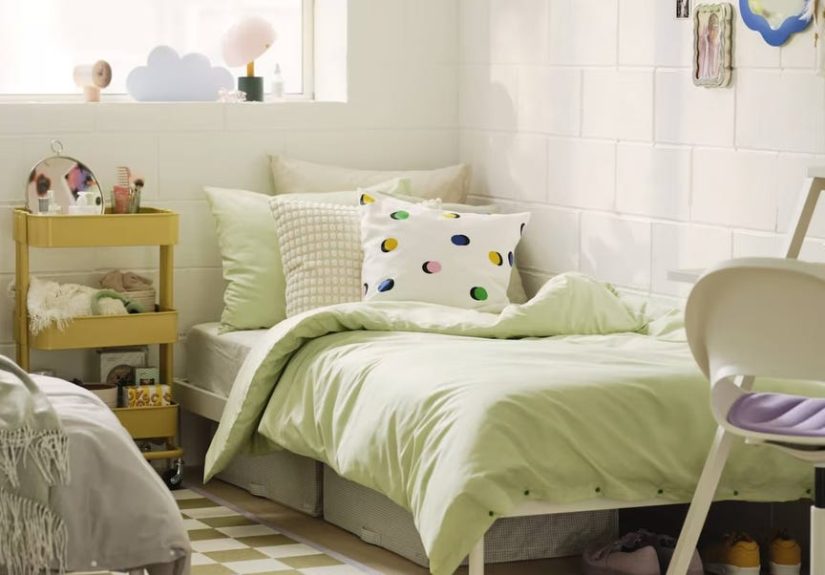
- 2. A Rolling Cart: The MVP of Flexible Dorm Storage
- 3. Over-the-Door Organizers: Vertical Space That Works Overtime
- 4. Closet Maximizers: Because Dorm Closets Are Not Known for Generosity
- 5. Desk Organizers: A Clear Study Space for a Clearer Brain
- 6. Storage Ottomans and Multi-Purpose Furniture
- 7. Hooks, Command Strips, and Wall-Friendly Hanging Storage
- How to Choose the Best Dorm Storage Solutions
- Common Dorm Storage Mistakes to Avoid
- Real-Life Experiences: What Dorm Storage Actually Teaches You
- Conclusion
College dorm rooms are tiny miracles of compression. Somehow, one room must hold a bed, a desk, a closet, textbooks, snacks, laundry, shower supplies, winter coats, a laptop, twelve charging cables, and at least one mysterious tote labeled “random stuff.” That is why smart dorm storage is not a luxury. It is survival with better lighting.
The best storage solutions for college students do more than hide clutter. They help students get out the door faster, find clean socks before an 8 a.m. class, keep snacks away from textbooks, and make a shared room feel less like a suitcase exploded. The trick is to think vertically, use hidden space, choose multi-purpose pieces, and avoid buying bulky containers that become clutter themselves.
Below are seven practical, space-saving storage ideas every college student needs, whether you are moving into a traditional dorm room, a suite, or a small off-campus apartment. These ideas focus on real dorm life: limited square footage, strict wall rules, shared closets, tiny desks, and the eternal problem of where to put the laundry hamper.
1. Under-Bed Storage: The Dorm Room Gold Mine
If a dorm room had buried treasure, it would be under the bed. Under-bed storage is one of the most useful college storage solutions because it uses space that would otherwise collect dust, missing pens, and the occasional granola bar wrapper from week two.
Start by measuring the clearance under the bed before buying bins. Some dorm beds can be raised or lofted, while others sit lower. If the college allows bed risers, they can create extra vertical space for storage bins, rolling drawers, suitcases, or off-season clothing. A few extra inches can turn a cramped room into a place where your winter boots are not living under your desk like unwanted roommates.
Best items to store under the bed
Under-bed storage works best for things you do not need every hour but still want within reach. Think extra bedding, seasonal clothes, bulk snacks, paper towels, cleaning supplies, shoes, and move-in bags. Low-profile bins with lids are great for dust protection. Clear bins make it easier to see what is inside, while fabric storage bags are lighter and easier to fold away when empty.
For students who move in and out every year, soft-sided zippered bags can be especially helpful. Hard plastic bins are sturdy, but too many of them can become awkward to store once they are empty. A flexible bag can slide under the bed during the semester and collapse at the end of the year. That is the kind of small victory college students remember.
2. A Rolling Cart: The MVP of Flexible Dorm Storage
A rolling cart is the Swiss Army knife of dorm room organization. It can be a snack station, coffee bar, school supply hub, beauty cart, bedside table, cleaning caddy, or mini pantry. If your dorm room changes personality every week, a cart can keep up.
The beauty of a rolling cart is mobility. You can roll it next to your desk during study time, move it beside the bed at night, or tuck it into a closet when guests come over. A three-tier cart is especially useful because it separates categories without taking up much floor space.
How to organize a rolling cart
Use the top tier for daily essentials: chargers, glasses, lip balm, tissues, a water bottle, or your current read. The middle tier can hold school supplies, notebooks, sticky notes, headphones, or tech accessories. The bottom tier is perfect for heavier items such as snacks, extra toiletries, cleaning wipes, or laundry products.
If the cart has open sides, small baskets or containers can prevent items from sliding around. Labeling the sections may sound overly ambitious, but future-you will appreciate it during finals week when your brain is operating on caffeine and vibes.
3. Over-the-Door Organizers: Vertical Space That Works Overtime
Dorm rooms rarely come with generous closets. Some barely come with what can legally be called a closet. That is why over-the-door organizers are essential. They turn the back of a door into storage for shoes, toiletries, accessories, snacks, cleaning supplies, or school items.
Clear-pocket organizers are ideal because students can see everything quickly. No digging. No mystery pouches. No discovering in December that you owned extra toothpaste all along. Fabric pocket organizers look softer and can hide visual clutter, which is helpful in a room where everything is always visible.
Where to use over-the-door storage
Use an over-the-door shoe organizer on the closet door for shoes, socks, scarves, belts, sunglasses, hair tools, or small gym items. Use another on the main room door for umbrellas, reusable bags, cleaning supplies, or grab-and-go items. In a suite bathroom, an over-the-door organizer can hold shower products, towels, and skincare items, keeping the sink area from becoming a slippery museum of bottles.
Before buying one, check your dorm’s rules and door clearance. Some doors do not close properly with thick hooks over the top. In that case, choose a slim-hook design or a hanging organizer that can attach to a closet rod.
4. Closet Maximizers: Because Dorm Closets Are Not Known for Generosity
A college closet has to hold everyday clothes, coats, shoes, laundry supplies, extra towels, storage bins, and sometimes a vacuum if your room is unusually responsible. Closet maximizers help create zones so everything does not become one leaning tower of fabric.
Start with slim velvet or non-slip hangers. They save space and stop clothes from sliding onto the floor. Then add hanging shelves for folded sweaters, jeans, workout clothes, or extra bedding. A double-hang closet rod can create a second level for shirts, jackets, or pants, especially if you do not have many long garments.
Smart closet storage ideas
Place a small drawer unit or stackable bins on the closet floor for socks, underwear, hats, or toiletries. Use a shoe rack to keep footwear visible and contained. Store rarely used items higher up, and keep daily clothes at eye level. This sounds basic, but it can save several minutes every morning, which is basically a luxury in college time.
One helpful rule: do not bring every piece of clothing you own. Dorm storage works best when you pack by season and lifestyle. If you are going to a campus where you walk everywhere, bring practical shoes before fantasy shoes. Your closet will thank you. So will your feet.
5. Desk Organizers: A Clear Study Space for a Clearer Brain
A dorm desk is not just a desk. It is a study station, dining table, vanity, charging hub, mail center, and emergency snack platform. Without desk organization, it can become a flat surface where productivity goes to nap.
Desk organizers help separate school supplies, tech gear, makeup, documents, and daily items. Use a desktop file holder for folders, notebooks, and class papers. Add a pencil cup or small drawer organizer for pens, highlighters, sticky notes, scissors, and chargers. A monitor stand or desk shelf can create extra storage underneath while lifting a laptop or screen to a more comfortable height.
Make the desk work harder
Think vertically. A small desk hutch, riser, or stackable organizer can double storage without taking up more surface area. Use cable clips or cord wraps to keep charging cables from becoming a nest of electronic spaghetti. A small tray can hold everyday items like keys, student ID, earbuds, and lip balm.
The goal is not to create a magazine-perfect desk. The goal is to make studying easier. If the laptop fits, the notebook opens, and you can find a pen without performing an archaeological dig, the system is working.
6. Storage Ottomans and Multi-Purpose Furniture
In a small dorm room, furniture should have a second job. A storage ottoman is a great example because it can work as seating, a footrest, a step stool for high shelves, and hidden storage. That is a strong resume for something that looks like a cube.
Storage ottomans are perfect for blankets, extra sheets, gaming controllers, snacks, accessories, or miscellaneous items you want out of sight. They also create extra seating when friends stop by, which is important because dorm rooms often come with exactly one chair and a bed that becomes everybody’s couch.
Other multi-purpose storage ideas
Look for bedside caddies, storage benches, cube organizers, collapsible bins, and small shelving units that can hold fabric drawers. A bedside caddy is especially useful for lofted beds, where climbing down to grab your phone feels like descending a mountain. It can hold a phone, glasses, book, charger, earbuds, and tissues.
Multi-purpose furniture keeps the room from feeling overstuffed. Instead of adding five separate items, choose one item that solves two or three problems. Dorm storage is a puzzle, and the best pieces are the ones that fit more than one corner.
7. Hooks, Command Strips, and Wall-Friendly Hanging Storage
Most dorms have strict rules about nails, screws, and wall damage. That does not mean walls are useless. Damage-free hooks and removable strips can create hanging storage for bags, towels, hats, keys, headphones, jewelry, lanyards, and lightweight decor.
Hooks are small, inexpensive, and surprisingly powerful when used correctly. Place one near the door for keys or a campus ID. Add one near the desk for headphones. Put a few inside the closet for belts, bags, or scarves. Use larger hooks for towels or robes if the product is rated for the weight.
Use hooks strategically
Do not cover every wall with hooks like a hardware store display. Choose spots where items naturally land. If your backpack always ends up on the floor, add a hook or a sturdy wall-friendly rack near the door. If your towel keeps living on your chair, put a hook near the closet or bathroom area. The best storage system follows real habits instead of pretending you are suddenly going to become a different person.
Always follow the manufacturer’s instructions for removable hooks, especially weight limits and removal steps. The goal is organized storage, not a surprise wall repair bill at move-out.
How to Choose the Best Dorm Storage Solutions
Before buying every cute organizer on the internet, pause and think about your actual room, routine, and school rules. The best dorm storage solutions are useful, compact, and easy to move. They should solve a real problem, not create a new pile of “organizers I need to organize.”
Measure before you buy
Measure under-bed height, closet width, desk space, and door clearance. A storage cart that looks adorable online may not fit between the bed and desk. A hanging organizer may block the door. A cube shelf may be too wide for the only open wall. Measurements prevent emotional damage and return shipping.
Choose clear categories
Every storage solution should have a purpose. One bin for bedding. One drawer for medicine and first aid. One cart tier for snacks. One organizer for toiletries. When categories are clear, the room is easier to reset after a busy week.
Avoid overpacking
The cheapest storage solution is bringing less stuff. Pack essentials first, then add comfort items. It is easier to buy a forgotten item later than to live with three extra bins you never open. College rooms reward editing.
Common Dorm Storage Mistakes to Avoid
Even smart students make storage mistakes. The first mistake is buying too many hard bins. They are useful for move-in, but once emptied, they can be difficult to store. Mix hard bins with collapsible bags, baskets, and flexible containers.
The second mistake is ignoring vertical space. Walls, doors, closet rods, and the area above the desk can all help reduce floor clutter. The third mistake is treating storage like decoration only. A beautiful organizer that does not fit your routine becomes a very stylish obstacle.
Finally, do not forget shared-space etiquette. If you have a roommate, discuss storage zones early. Decide what goes under each bed, where cleaning supplies live, and whether shared items like a mini fridge cart, vacuum, or snack bin will be communal. A five-minute conversation can prevent a semester of silent side-eye.
Real-Life Experiences: What Dorm Storage Actually Teaches You
The funny thing about college storage is that it teaches you about yourself very quickly. You may arrive on campus believing you are the kind of person who carefully folds every sweatshirt. Two weeks later, you discover you are actually the kind of person who needs open bins because folding is a beautiful dream from another lifetime. That is not failure. That is data.
Many students learn that the best storage system is the one they can maintain on a Wednesday night after class, work, club meetings, and a dining hall dinner that may or may not have involved mystery pasta. If a system requires too many steps, it will collapse. A lidded bin looks neat, but if you have to pull it out, open it, put one item inside, close it, and slide it back every day, you may simply start dropping things on top of it. Open baskets, rolling carts, and easy-access drawers often work better for daily items.
Another common experience is realizing that “just in case” packing is dangerous. A student may bring three extra blankets, ten mugs, a formal outfit for every possible weather condition, and enough school supplies to open a small office store. Then move-in day arrives, and the room says, “Absolutely not.” Dorm storage teaches prioritizing. Keep what supports daily life. Store or send home what only creates stress.
Students also discover the power of zones. A snack zone prevents crackers from migrating into the sock drawer. A laundry zone keeps detergent from living under the desk. A school zone keeps notebooks from disappearing under hoodies. These zones do not need to be fancy. A basket, drawer, shelf, or cart can create a home for each category.
Roommates make storage even more important. In a shared dorm, clutter feels louder. One person’s overflowing laundry pile can make the whole room feel smaller. Clear storage boundaries help both students breathe. Under-bed space, closet sides, desk drawers, and shared surfaces should be discussed early. It may feel awkward, but it is much less awkward than arguing over whose cereal box has colonized the windowsill.
By the end of the first semester, most students become surprisingly practical. They know which organizers worked, which ones looked better online, and which items should never have survived move-in day. The best dorm storage solutions are not about perfection. They are about making a small room easier to live in, study in, sleep in, and occasionally clean before family weekend.
Conclusion
Smart dorm storage is the secret to making a small college room feel calm, functional, and personal. Under-bed bins, rolling carts, over-the-door organizers, closet maximizers, desk storage, multi-purpose furniture, and removable hooks can transform a cramped space into a room that works with your routine instead of against it.
The key is to buy intentionally. Measure first, choose flexible pieces, use vertical space, and avoid overpacking. A dorm room does not need to be perfect to be comfortable. It just needs storage solutions that help you find your charger, keep laundry under control, and prevent your snacks from sharing a drawer with your chemistry notes. In college, that counts as a major life achievement.