Table of Contents >> Show >> Hide
- What Is Ehlers-Danlos Syndrome?
- Common Symptoms That May Suggest Ehlers-Danlos Syndrome
- How Doctors Diagnose Ehlers-Danlos Syndrome
- The Beighton Score: A Key Hypermobility Test
- Diagnostic Criteria for Hypermobile EDS
- Genetic Testing for Ehlers-Danlos Syndrome
- Other Tests Doctors May Use
- When to Seek Evaluation for EDS
- How to Prepare for an EDS Appointment
- What Happens After Diagnosis?
- Common Mistakes in the Diagnostic Journey
- Experience-Based Section: What the EDS Diagnostic Process Can Feel Like
- Conclusion
Note: This article is for educational purposes only and should not replace medical advice. If you suspect Ehlers-Danlos syndrome, especially vascular EDS, work with a qualified healthcare professional, geneticist, or specialist familiar with connective tissue disorders.
Diagnosing Ehlers-Danlos syndrome can feel a bit like trying to solve a medical mystery while the clues keep stretching, bending, bruising, and occasionally popping out of place. One person may notice unusually flexible joints. Another may have fragile, stretchy skin. Someone else may spend years collecting diagnoses like trading cards: chronic pain, frequent sprains, dizziness, digestive trouble, migraines, fatigue, and “maybe you’re just stressed.” Helpful? Not exactly.
Ehlers-Danlos syndrome, often shortened to EDS, is not one single condition. It is a group of inherited connective tissue disorders that can affect the skin, joints, blood vessels, ligaments, tendons, organs, and other body structures. Because connective tissue is basically the body’s internal scaffolding, symptoms can show up in many places. That wide symptom range is one reason EDS diagnosis can be delayed or missed.
The good news: doctors now have clearer diagnostic frameworks than they did decades ago. The not-so-good news: diagnosis still requires careful clinical evaluation, family history, physical examination, and sometimes genetic testing. For hypermobile EDS, the most common type, there is currently no single genetic blood test that can confirm the diagnosis. Yes, that is inconvenient. The human body apparently did not consult the appointment scheduler.
What Is Ehlers-Danlos Syndrome?
Ehlers-Danlos syndrome is a family of genetic connective tissue disorders. Connective tissue helps provide strength, support, and elasticity throughout the body. When collagen or collagen-related proteins do not work as expected, tissues may become too fragile, too stretchy, or less stable than they should be.
The 2017 international classification describes 13 recognized EDS types. These include hypermobile EDS, classical EDS, vascular EDS, kyphoscoliotic EDS, arthrochalasia EDS, dermatosparaxis EDS, cardiac-valvular EDS, classical-like EDS, and several rarer types. Each type has its own pattern of symptoms, inheritance, and testing considerations.
Most people who search for “how to diagnose Ehlers-Danlos syndrome” are usually trying to understand hypermobile EDS, also called hEDS. It is often associated with joint hypermobility, chronic pain, soft or mildly stretchy skin, fatigue, and joint instability. However, because other disorders can look similar, a proper diagnosis is not simply a matter of being flexible enough to win a party trick contest. Flexibility is only one clue.
Common Symptoms That May Suggest Ehlers-Danlos Syndrome
EDS symptoms vary widely depending on the type. Some people have mild symptoms and live for years without knowing anything unusual is going on. Others have frequent injuries, chronic pain, or serious complications. The diagnostic process usually begins when a pattern appears across the skin, joints, blood vessels, family history, and other body systems.
Joint Symptoms
Joint hypermobility is one of the most recognized signs of EDS. This means joints move beyond the expected range. A person may be able to bend their thumb toward the forearm, hyperextend the elbows or knees, place their palms flat on the floor without bending the knees, or move their fingers in unusually flexible ways.
But hypermobility alone does not equal EDS. Many dancers, gymnasts, musicians, and children are naturally flexible. Doctors look for hypermobility plus symptoms such as frequent sprains, repeated subluxations, dislocations, chronic joint pain, muscle pain, early joint wear, poor coordination, or a history of injuries that seem too dramatic for the activity involved.
Skin Symptoms
EDS can affect the skin in several ways. Some people have soft, velvety skin. Others have skin that stretches more than usual, bruises easily, or heals with thin, widened, or “cigarette paper” scars. In classical EDS, skin hyperextensibility, abnormal scarring, and joint hypermobility are especially important clues.
Skin fragility may show up as wounds that split open, stitches that do not hold well, or bruises that appear after minor bumps. If your coffee table seems to be winning a long-term boxing match against your shins, that does not automatically mean EDSbut it is worth mentioning to a clinician if it fits a bigger pattern.
Pain, Fatigue, and Daily Function
Chronic musculoskeletal pain is common in hypermobile EDS and hypermobility spectrum disorders. Pain may come from unstable joints, muscle overwork, tendon irritation, repeated injuries, or nervous system sensitization. Fatigue can also be significant. Some people feel like their muscles are constantly working overtime just to hold the body together. In fairness, that is basically what the muscles are doing.
People with hEDS may also report headaches, jaw pain, pelvic pain, gastrointestinal symptoms, dizziness when standing, temperature regulation problems, or bladder symptoms. These features do not diagnose EDS on their own, but they can support the clinical picture and guide referrals.
Vascular and Organ Warning Signs
Vascular Ehlers-Danlos syndrome, or vEDS, is a rarer but more serious type. It can involve fragile blood vessels, organs, and tissues. Warning signs may include thin translucent skin, easy bruising, a characteristic facial appearance, spontaneous arterial rupture or dissection, intestinal rupture, uterine rupture during pregnancy, spontaneous pneumothorax, or a family history of early sudden death, aneurysm, or organ rupture.
Anyone with possible vascular EDS features should be evaluated promptly by specialists familiar with inherited connective tissue and vascular conditions. This is not the time for “let’s just see what happens.” Some medical mysteries deserve a fast-track lane.
How Doctors Diagnose Ehlers-Danlos Syndrome
EDS diagnosis usually combines several steps: medical history, family history, physical examination, Beighton scoring, review of systemic features, exclusion of similar conditions, and genetic testing when appropriate. The exact route depends on the suspected EDS type.
Step 1: Medical History
A clinician will ask about symptoms over time. Important details include childhood flexibility, delayed motor milestones, frequent sprains, dislocations, chronic pain, unusual scars, easy bruising, wound healing problems, hernias, prolapse, dental crowding, high palate, heart or vascular concerns, digestive issues, fainting, dizziness, and previous diagnoses.
The timeline matters. Did symptoms begin in childhood? Did injuries happen repeatedly? Are several body systems involved? Did pain begin after puberty, pregnancy, surgery, illness, or a major injury? A good history helps distinguish EDS from common joint looseness, autoimmune disease, fibromyalgia, Marfan syndrome, Loeys-Dietz syndrome, osteogenesis imperfecta, neuromuscular disorders, and other conditions.
Step 2: Family History
Because EDS is often inherited, family history is a major clue. Doctors may ask whether relatives have hypermobility, frequent joint injuries, chronic pain, unusual scarring, aneurysms, organ rupture, sudden death, severe scoliosis, early arthritis, or diagnosed connective tissue disorders.
Autosomal dominant inheritance means a condition can appear in multiple generations. Autosomal recessive inheritance may appear when both parents carry a gene change, even if neither parent has obvious symptoms. A family history does not have to be perfect to matter. Many families have “Aunt Linda with bendy fingers,” “Grandpa with paper-thin skin,” or “three cousins who somehow all dislocate shoulders while reaching for cereal.” Write it down anyway.
Step 3: Physical Examination
The physical exam looks for joint hypermobility, skin texture, skin stretch, scars, bruising, foot structure, spine curvature, chest wall shape, arm span, muscle tone, joint alignment, and signs of tissue fragility. Depending on symptoms, clinicians may also check blood pressure changes with standing, heart murmurs, eye features, or neurologic findings.
A careful exam is important because EDS can overlap with other connective tissue disorders. For example, long limbs, chest wall differences, scoliosis, and joint laxity may also appear in Marfan syndrome or Loeys-Dietz syndrome. The goal is not just to label symptoms; it is to choose the safest and most accurate diagnosis.
The Beighton Score: A Key Hypermobility Test
The Beighton score is a 9-point screening tool used to assess generalized joint hypermobility. It is not a full EDS diagnosis by itself, but it is an important part of evaluating hypermobile EDS and hypermobility spectrum disorders.
The Beighton test gives points for specific movements:
- One point for each pinky finger that bends backward beyond 90 degrees.
- One point for each thumb that can touch the forearm.
- One point for each elbow that hyperextends beyond 10 degrees.
- One point for each knee that hyperextends beyond 10 degrees.
- One point for placing both palms flat on the floor with knees straight.
Age matters. Common cutoffs used in the 2017 hEDS criteria are 6 or more out of 9 for prepubertal children and adolescents, 5 or more for adults through age 50, and 4 or more for adults over age 50. If someone scores one point below the cutoff, doctors may use a five-part historical questionnaire to determine whether generalized joint hypermobility was present earlier in life.
The Beighton score has limits. It does not test every joint. It may miss people whose shoulders, hips, ankles, ribs, jaw, or spine are unstable but whose elbows and knees are less flexible. Hypermobility can also decrease with age, injury, arthritis, or surgery. A low Beighton score does not always close the case.
Diagnostic Criteria for Hypermobile EDS
Hypermobile EDS is diagnosed clinically using specific criteria. In simplified terms, a diagnosis requires three major pieces: generalized joint hypermobility, additional systemic or family-related features, and exclusion of other disorders that could better explain the symptoms.
Criterion 1: Generalized Joint Hypermobility
This is usually assessed with the Beighton score and, when needed, a historical hypermobility questionnaire. The point is to determine whether the person has widespread joint hypermobility, not just one flexible joint that wants attention.
Criterion 2: Systemic Features, Family History, or Musculoskeletal Complications
The second criterion includes features such as soft or velvety skin, mild skin hyperextensibility, unexplained stretch marks, recurrent hernias, pelvic organ prolapse, dental crowding, high or narrow palate, arm-span-to-height differences, mitral valve prolapse, aortic root dilation, chronic widespread pain, recurrent joint dislocations, or a first-degree relative who independently meets criteria for hEDS.
Not every person has every feature. Diagnosis is about pattern recognition. Think of it as a constellation, not a single giant neon sign.
Criterion 3: Excluding Other Diagnoses
This step is essential. Doctors must rule out other connective tissue disorders, neuromuscular conditions, autoimmune diseases, skeletal disorders, and other causes of joint laxity or chronic pain. This may include lab work, imaging, genetic testing, cardiac evaluation, eye examination, or specialist referral depending on the person’s symptoms.
If someone has symptomatic hypermobility but does not meet hEDS criteria and does not fit another EDS type, they may be diagnosed with a hypermobility spectrum disorder. That diagnosis is still real and can still require treatment, physical therapy, pain management, and accommodations.
Genetic Testing for Ehlers-Danlos Syndrome
Genetic testing can be very helpful for many EDS types, but it is not equally useful for all of them. For classical EDS, vascular EDS, kyphoscoliotic EDS, arthrochalasia EDS, dermatosparaxis EDS, classical-like EDS, and several rarer forms, genetic testing may identify disease-related variants in known genes.
For hypermobile EDS, however, no confirmed single genetic cause has been identified for routine clinical testing. That means a normal genetic test does not rule out hEDS. This is a common source of confusion. A person may be told, “Your genetic test was negative,” and think that means “You do not have EDS.” For hEDS, that conclusion may be incorrect.
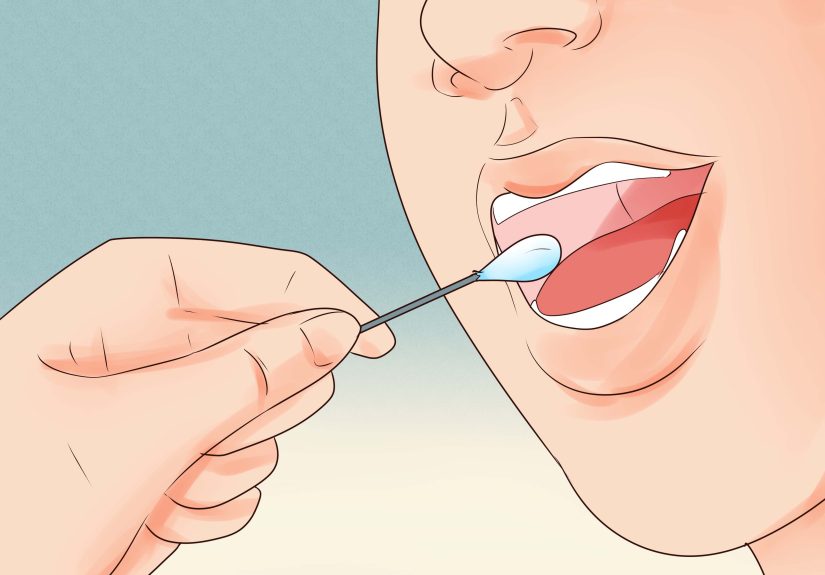
Genetic testing is usually done with a blood or saliva sample. A clinician may order a targeted test, an EDS gene panel, or a broader connective tissue disorder panel. Testing is especially important when there are red flags for vascular EDS, unusual scarring, severe skin fragility, congenital hip dislocation, severe scoliosis, brittle cornea features, arterial aneurysm, organ rupture, or a family history suggesting a known inherited disorder.
Other Tests Doctors May Use
There is no single “EDS test” that works for everyone. Depending on symptoms, doctors may recommend additional evaluations.
Cardiac Testing
An echocardiogram may be used to look for mitral valve prolapse, aortic root dilation, or other heart-related findings. People with suspected vascular or aortopathy-related conditions may need more advanced imaging and ongoing monitoring through cardiology or vascular specialists.
Imaging Studies
X-rays, MRI, CT angiography, or ultrasound may be used when there are concerns about joint injury, spine problems, aneurysms, organ complications, or vascular disease. Imaging is not used to diagnose hEDS by itself, but it can document complications and help rule out other conditions.
Laboratory Tests
Blood tests may be ordered to check for autoimmune disease, inflammation, thyroid problems, vitamin deficiencies, bleeding disorders, or other conditions that can mimic or worsen EDS-like symptoms. Lab tests are often part of the “rule-out” process.
Specialist Evaluations
A person may be referred to genetics, rheumatology, cardiology, dermatology, orthopedics, neurology, gastroenterology, pain medicine, physical therapy, occupational therapy, or ophthalmology. The best care often comes from a team approach because EDS did not read the memo about staying in one medical specialty.
When to Seek Evaluation for EDS
Consider discussing EDS with a healthcare professional if you have several of the following: unusually flexible joints, repeated sprains or dislocations, chronic joint or muscle pain, soft or stretchy skin, easy bruising, poor wound healing, unusual scars, hernias, pelvic organ prolapse, family history of EDS, unexplained aneurysm, or symptoms affecting multiple body systems.
Seek urgent medical care for severe sudden pain, signs of stroke, chest pain, shortness of breath, sudden abdominal pain, fainting with concerning symptoms, suspected arterial dissection, or signs of organ rupture. These are not “wait and hydrate” situations.
How to Prepare for an EDS Appointment
Preparation can make the diagnostic visit more productive. Bring a symptom timeline, photos of unusual bruising or scars, records of dislocations or surgeries, family history notes, previous imaging, lab results, genetic test reports, and a list of medications. If joints pop out and back in quickly, write down which joints, how often it happens, what triggers it, and how long recovery takes.
It also helps to describe function, not just pain. For example: “My shoulder slips when I put on a jacket,” “I avoid stairs because my knees feel unstable,” or “I need two days to recover after grocery shopping.” Specific examples give clinicians better diagnostic clues than “everything hurts,” even when everything does, in fact, hurt.
What Happens After Diagnosis?
An EDS diagnosis can be validating, but it is not the finish line. It is the map. Treatment usually focuses on protecting joints, reducing injury, improving strength, managing pain, monitoring complications, and supporting daily function. Physical therapy is often central, especially strengthening and joint-stabilizing exercises. Bracing may help some joints, but over-bracing can sometimes weaken muscles if not guided properly.
Patients may also need pain management, sleep support, occupational therapy, hydration and salt strategies for orthostatic symptoms, digestive care, mental health support, dental planning, and surgical precautions. For vascular EDS and some rare types, surveillance and emergency planning are especially important.
Diagnosis can also help family members. If a genetic variant is found, relatives may be offered testing. If hEDS is diagnosed clinically, relatives with similar symptoms may benefit from evaluation even without a known gene.
Common Mistakes in the Diagnostic Journey
One common mistake is assuming that flexibility alone means EDS. Another is assuming that a negative genetic test rules out every type, including hEDS. A third is dismissing symptoms because basic labs look normal. EDS is structural and connective-tissue based; routine blood work may not reveal it.
Another mistake is chasing every symptom separately without looking for a unifying pattern. A person may see an orthopedist for sprains, a dermatologist for scarring, a cardiologist for palpitations, a gastroenterologist for gut symptoms, and a therapist because the whole process is exhausting. Each specialist may see one puzzle piece. Diagnosis often happens when someone finally dumps the entire puzzle box onto the table.
Experience-Based Section: What the EDS Diagnostic Process Can Feel Like
For many people, the road to diagnosing Ehlers-Danlos syndrome is not a straight highway. It is more like a scenic route with potholes, confusing signs, and at least one doctor who says, “Have you tried yoga?” even though yoga is how your hip tried to resign from your body in the first place.
A typical experience may begin with small oddities. Maybe you were the flexible kid who could do splits without warming up. Maybe your ankles rolled constantly, but everyone called you clumsy. Maybe you had “growing pains” that did not politely stop growing. Over time, the pattern becomes harder to ignore: shoulder instability, jaw clicking, back pain, fatigue, bruises you cannot explain, scars that look wider than expected, or joints that feel like they came assembled with discount hardware.
Many patients describe feeling dismissed before diagnosis. Because symptoms can be invisible, fluctuating, or spread across multiple systems, people may be told they are anxious, inactive, too active, too young for pain, too old to be flexible, or simply unlucky. That uncertainty can be emotionally draining. A diagnosis does not magically fix the symptoms, but it can replace self-doubt with a framework. It can turn “Why is my body doing this?” into “Here is what may be happening, and here is how we manage it.”
The Beighton score can be both useful and frustrating. Some patients score high immediately. Others score lower because they are older, injured, stiff from muscle guarding, or hypermobile in joints the test does not measure. That can feel discouraging, especially if the rest of the story screams connective tissue disorder. A thoughtful clinician will not treat the Beighton score as the entire novel. It is one chapter.
Genetic testing can also bring mixed emotions. If a test confirms a rare EDS type, the result may provide clarity, guide monitoring, and help family members. If testing is negative, people with suspected hEDS may feel stuck. The key is understanding what the test can and cannot do. For hEDS, diagnosis remains clinical. A negative panel may rule out certain known EDS types, but it does not erase symptoms or lived experience.
Good appointments often feel collaborative. The clinician listens carefully, examines joints and skin respectfully, asks about family history, considers differential diagnoses, and explains next steps. Great clinicians also avoid turning the patient into a circus act. No one should have to perform party tricks with painful joints to be believed.
After diagnosis, many people enter a learning phase. They discover that “pushing through” every symptom is not always heroic; sometimes it is just an express ticket to a flare. They learn to build strength without overstretching, pace activities, protect unstable joints, choose supportive shoes, plan dental or surgical care carefully, and communicate needs clearly. Small changes can make daily life safer and more manageable.
Emotionally, diagnosis can bring relief, grief, anger, and validation all at once. Relief because there is finally a name. Grief because the condition may be lifelong. Anger because it may have taken years to be taken seriously. Validation because the pain was never “just in your head.” All of those reactions are normal.
The best takeaway from patient experience is this: diagnosis matters, but so does ongoing care. EDS is not simply a label for being bendy. It is a connective tissue condition that deserves informed management, practical support, and a healthcare team willing to connect the dots.
Conclusion
Diagnosing Ehlers-Danlos syndrome requires more than noticing flexible joints. It involves a careful look at symptoms, family history, skin findings, joint stability, pain patterns, systemic features, and possible red flags. The Beighton score is useful, but it is not the whole story. Genetic testing can confirm many rarer EDS types, especially when vascular or unusual features are present, but hypermobile EDS remains a clinical diagnosis.
If you suspect EDS, prepare a detailed symptom history and seek a clinician familiar with connective tissue disorders. A clear diagnosis can guide safer exercise, better pain management, appropriate referrals, family counseling, and monitoring for complications. Most importantly, it can help replace years of confusion with a practical plan. And when your body seems to be operating with overly enthusiastic elastic, a plan is a very good thing.