Table of Contents >> Show >> Hide
- What Is a Lacquered Plank Settle?
- The History Behind the Settle
- What Lacquer Adds to the Story
- Why Designers Love the Lacquered Plank Settle
- How to Style a Lacquered Plank Settle
- What to Look for Before Buying One
- How to Care for a Lacquered Plank Settle
- Is a Lacquered Plank Settle Worth It?
- Experiences of Living With a Lacquered Plank Settle
- Final Thoughts
Some furniture whispers. A lacquered plank settle absolutely does not. It walks into a room like it owns the lease, the Wi-Fi password, and the last word on style. Part bench, part architectural statement, part “yes, I do know exactly where this should go,” a lacquered plank settle takes one of the oldest seating forms in domestic history and gives it a polished, modern glow-up.
If the phrase sounds slightly mysterious, that is because it is not a mass-market furniture label you see every day. A settle is a traditional wooden bench with a high back, and sometimes sides or arms, designed for practical comfort and a sense of enclosure. Add a plank construction language and a lacquered finish, and the result becomes a piece that feels both primitive and refined, rustic and glamorous, disciplined and dramatic. In other words, it is furniture with range.
This guide explains what a lacquered plank settle is, where the style comes from, why designers still love it, how to decorate with one, and what to know before buying or caring for one. If you have ever wanted a bench that behaves like a sculpture and a seat at the same time, congratulations: you have found your oddly specific design soulmate.
What Is a Lacquered Plank Settle?
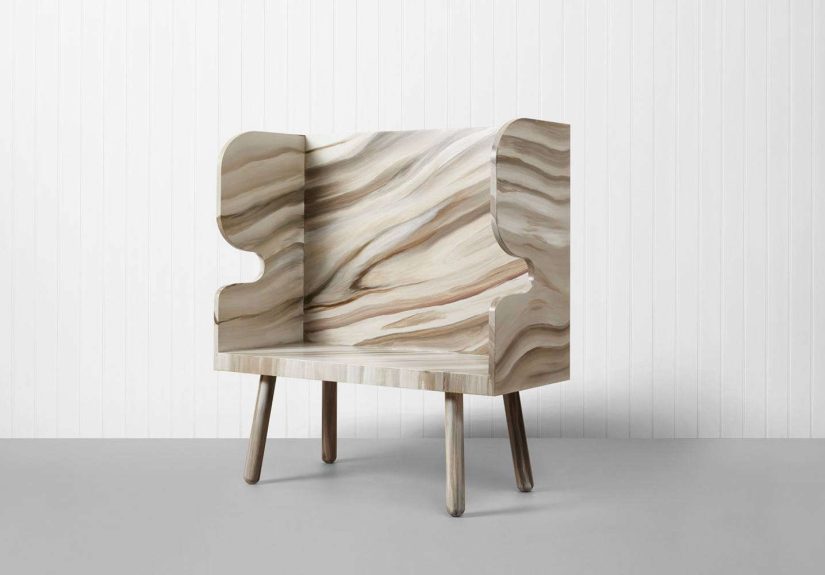
A lacquered plank settle is a high-back wooden bench made with broad plank-like surfaces and finished with lacquer or a lacquer-style glossy coating. The “plank” part usually points to straightforward, honest construction: wide boards, clean geometry, visible mass, and very little fuss. The “settle” part refers to the classic bench form, historically associated with hearthside seating and protective comfort. The lacquered finish transforms that humble silhouette into something more polished, reflective, and visually intentional.
Think of it this way: if a farmhouse bench went to design school, discovered dramatic lighting, and came back wearing a glossy coat, you would get something close to a lacquered plank settle.
Unlike many upholstered benches that try to disappear into the room, a settle is meant to hold visual weight. The back gives it presence. The plank construction gives it structure. The lacquer gives it attitude. Depending on the finish, it can read as modern, Arts and Crafts-inspired, gallery-like, or even slightly theatrical.
The History Behind the Settle
From practical bench to design ancestor
The settle has deep roots in domestic furniture history. Historically, it was a wooden bench with a tall back designed to create a sheltered place to sit. That high back was not decorative fluff. It helped shield people from drafts and made a large room feel a little less cavernous. In older homes, especially those organized around hearths and large open interiors, that mattered a lot. Furniture had a job, and the settle showed up ready to work.
Over time, the settle influenced later seating forms, including the settee. That family resemblance still matters today. When designers describe a settee as upright, narrow, or more architectural than a sofa, they are basically nodding toward the settle’s older wooden DNA.
Why the plank form matters
The word “plank” suggests simplicity, but not cheapness. In furniture language, plank construction often celebrates broad surfaces, strong lines, and a certain material honesty. It is less about ornate carving and more about mass, proportion, and silhouette. That is why a plank settle can feel timeless. It is not trying to impress you with fifty unnecessary flourishes. It is confident enough to let shape do the talking.
This quality also helps explain why settles keep resurfacing in design history. They fit naturally into Arts and Crafts interiors, Mission-style rooms, country houses, modern rustic homes, and even minimalist spaces that need one warm, anchoring object. A settle is old, yes, but it is not obsolete. Good bones age well.
What Lacquer Adds to the Story
Without lacquer, a plank settle can feel sturdy, grounded, and quietly handsome. Add lacquer, and suddenly it has stage presence. The finish changes the piece from purely structural to visually charged. Light hits it differently. Edges sharpen. Color gains depth. The whole bench starts participating in the room rather than merely occupying it.
Lacquer has a long and fascinating design history, and Western furniture makers also developed imitation lacquer techniques such as japanning to create glossy, decorative surfaces inspired by Asian lacquerwork. In modern interiors, lacquer remains popular because it can make even a simple shape feel intentional, saturated, and sophisticated.
That is exactly why lacquer works so well on a plank settle. The underlying form is restrained. The finish supplies the drama. It is the design equivalent of wearing a tuxedo with sneakers: disciplined, but not boring.
Gloss, color, and visual depth
A lacquered settle can be painted in deep green, black, oxblood, navy, cream, or almost any color that benefits from reflective richness. Dark tones often make the piece feel moody and sculptural. Lighter shades can feel playful, airy, or unexpectedly modern. High-gloss versions amplify contrast and light. Softer lacquered sheens feel more understated but still refined.
The finish also makes the bench easier to read as a focal point. In a neutral room, a lacquered plank settle can become the “hero piece” designers talk about when they want one object to carry a whole corner of the room. And unlike a trendy accent chair that may age badly, a settle’s historic shape keeps the drama grounded.
Why Designers Love the Lacquered Plank Settle
It balances utility and sculpture
Designers love pieces that do more than one thing, and the lacquered plank settle delivers. It is seating, yes, but it is also architecture at a smaller scale. It builds a vertical plane in the room. It frames space. It creates a sense of protection and enclosure. It can separate zones in an open-plan interior without the awkwardness of a screen saying, “Please respect my boundaries.”
It brings old-world form into modern rooms
One of the smartest things about this piece is the tension between ancient form and contemporary finish. The settle shape feels rooted and historical. The lacquer feels fresh, crisp, and current. Put them together, and you get a design object that avoids two common traps: looking like a museum reproduction or looking like it was invented by an algorithm last Thursday.
It works where sofas often fail
There are rooms where a sofa is too bulky, an ordinary bench is too flimsy, and a pair of chairs looks like they are still waiting for instructions. The lacquered plank settle shines in those in-between spaces: entry halls, landings, reading nooks, dining-adjacent walls, mudrooms with ambition, wide corridors, and bedrooms at the foot of the bed. It offers seating without visual sprawl.
How to Style a Lacquered Plank Settle
In an entryway
This may be the settle’s most natural habitat. The high back gives the entrance gravitas, while the bench provides a place to sit while removing shoes or pretending you are the sort of person who changes shoes in a composed, elegant manner. Add one lumbar cushion, a woven basket nearby, and a strong overhead light, and the whole entry suddenly feels curated instead of accidental.
In a living room
A lacquered plank settle can work beautifully against a wall, opposite a sofa, or near a fireplace. Because of its upright form, it pairs especially well with softer pieces like upholstered sofas, boucle chairs, linen drapery, and plush rugs. The contrast keeps the room from becoming too puffy or too precious. Every room needs a little discipline.
In a dining area or kitchen edge
If your dining space needs something more characterful than standard side seating, a settle can anchor one side of the table or sit nearby as overflow seating. In a large kitchen, it can also turn an underused wall into a casual waiting zone for coffee, conversation, or the universal family ritual of standing around asking when dinner will be ready.
In a bedroom or hallway
A settle in a bedroom can replace the usual upholstered bench with something more memorable. In a hallway, it becomes almost architectural, giving a long passage a destination point. Because lacquer reflects light, it can prevent larger wooden pieces from feeling too heavy in tighter spaces.
What to Look for Before Buying One
Start with proportion. A settle should feel substantial, but not like it was built for giants. Check seat height, seat depth, back height, and overall length. Some settles are compact and upright. Others are deep enough to feel almost lounge-like. The right one depends on whether you want occasional seating, daily use, or a dramatic visual anchor.
Next, study the finish. A true lacquered look should feel smooth, intentional, and even. The sheen matters. High gloss is bolder and more formal. Satin or soft gloss is easier to live with if you want durability without constant “please do not touch the art” energy.
Then consider construction. Because plank furniture uses broad surfaces, joinery and wood stability matter. Solid wood moves with humidity, and wide boards can expand or contract across the grain. Well-made pieces account for that movement in the way they are built and finished. Translation: a gorgeous bench is wonderful, but a gorgeous bench that does not split, warp, or complain seasonally is even better.
How to Care for a Lacquered Plank Settle
Lacquered wood furniture rewards gentleness. Routine care is simple: dust regularly with a soft cloth and clean carefully without soaking the surface. Too much water is not your friend here. Neither are harsh chemicals, abrasive tools, or the kind of “miracle cleaner” that sounds suspiciously qualified to remove paint from a submarine.
Alcohol-based products are also risky on lacquered, varnished, or shellacked surfaces because they can damage the finish. Heat, standing moisture, and sharp impacts are classic enemies as well. Coasters, trays, felt pads, and a little common sense go a long way.
Placement matters, too. Like many wood furniture pieces, a settle will live more happily away from extreme humidity swings, direct harsh sunlight, and vents blasting hot or cold air. Wood responds to moisture in the environment, and stable indoor conditions help preserve both the finish and the structure over time.
If the piece becomes scratched or dulled, resist the urge to launch into an enthusiastic DIY rescue mission with whatever is under the sink. Fine finishes often benefit from conservative care or professional repair, especially when the lacquer is part of the piece’s visual identity.
Is a Lacquered Plank Settle Worth It?
If you want invisible furniture, no. This is not the piece for you. A lacquered plank settle is for people who like furniture with posture. It is worth considering if you want seating that doubles as a focal point, if you appreciate historical forms interpreted for modern living, or if your room needs structure more than fluff.
It can also be a smart long-term choice because it avoids trend clichés. The settle form has already survived centuries. The lacquer finish gives it a modern edge. That combination makes it feel less like a passing fad and more like a confident design decision.
In short, a lacquered plank settle is not merely a bench. It is a bench that read a lot, traveled well, and learned how to hold eye contact.
Experiences of Living With a Lacquered Plank Settle
People who live with a lacquered plank settle often describe the same first surprise: it changes the room faster than expected. An empty wall that once felt like dead air suddenly becomes a destination. The settle gives the eye somewhere to land. Guests notice it right away, usually because it does not behave like ordinary seating. It has presence before anyone even sits down.
In entryways, the experience is especially practical. A settle becomes the place where bags are dropped, shoes are pulled on, and conversations start before coats come off. Families discover that the bench quietly organizes behavior. Instead of everyone drifting awkwardly near the door, the settle creates a small ritual zone. It is a place to pause, not just pass through.
In living rooms, the experience is more atmospheric. A lacquered finish catches lamplight in the evening and daylight in the morning, so the piece feels slightly different throughout the day. In softer interiors full of textiles and rounded upholstery, the settle adds a useful note of firmness. Owners often find that it makes the room feel more complete, almost as if the furniture arrangement finally learned basic grammar.
There is also an emotional side to the experience. Because the form is old-fashioned in the best sense, the settle often feels reassuring. The high back creates a sense of protection that many low benches simply do not offer. Sitting on one with a book, a cup of coffee, or a laptop feels a little more deliberate than sinking into a sofa. The posture is better. The mood is sharper. The seat seems to ask for intention.
At the same time, living with a lacquered plank settle teaches respect for surfaces. People quickly learn not to drag sharp objects across it, not to leave damp glasses sitting naked on the finish, and not to “clean” it with aggressive sprays that belong nowhere near a fine piece of furniture. This is not difficult maintenance, but it does encourage better habits. In a strange way, the bench improves the manners of the room.
Another common experience is discovering how versatile the piece is. One month it works in an entry. Later it moves to a bedroom. Then it ends up in a hallway or beside a dining area, and somehow it still looks right. Because the form is so architectural, it adapts easily. Owners often say it feels more like moving a small built element than relocating a casual bench.
There are social benefits, too. A settle invites short conversations. Two people can perch there comfortably. One person can claim it dramatically. Children treat it like a stage. Adults treat it like a statement piece with a practical side hustle. During gatherings, it becomes overflow seating. On quiet days, it becomes a landing pad for books, folded throws, or that one jacket everyone swears they are putting away later.
Most of all, the long-term experience is that a lacquered plank settle ages into the home rather than fading from it. It does not beg for attention every day, but it keeps earning it. The bench remains useful, sculptural, and oddly comforting. That is a rare combination. Plenty of furniture is functional. Plenty is beautiful. Much less of it manages to feel both grounded and memorable over time. A lacquered plank settle does, which is why people who buy one rarely describe it as “just a bench.”
Final Thoughts
The lacquered plank settle succeeds because it combines three things that do not always coexist peacefully: history, utility, and visual drama. The settle gives it a proven form. The plank construction gives it honesty and weight. The lacquer gives it polish, depth, and a modern sense of occasion.
Whether you place one in an entryway, hallway, living room, or bedroom, it has the rare ability to make a space feel more intentional without becoming fussy. It is practical enough to use, bold enough to admire, and distinctive enough to remember. Not bad for a bench with medieval roots and a glossy finish.
So yes, a lacquered plank settle is a little specific. But in design, specific is often where the magic lives.