Table of Contents >> Show >> Hide
- Introduction: A Desert Breeze Blows Into the Mission
- What “Marfa Comes to San Francisco” Was Really About
- Who Are Garza Marfa?
- Why Heath Ceramics Was the Perfect San Francisco Host
- The Heath Garza Tile Coffee Table: A Small Object With a Big Conversation
- Marfa’s Design DNA: Minimalism, Land, and the Art of Not Overdoing It
- San Francisco’s Role: Where Craft Becomes Community
- How to Bring the Marfa-to-San-Francisco Look Home
- Why This Design Moment Still Feels Fresh
- Experience Section: What It Feels Like When Marfa Meets San Francisco
- Conclusion: A Meeting of Desert Soul and California Craft
- SEO Tags
When West Texas desert minimalism meets Bay Area craft culture, the result is not just a design showit is a conversation between leather, tile, color, art, and place.
Introduction: A Desert Breeze Blows Into the Mission
“Marfa Comes to San Francisco” sounds a little like a weather report from an alternate design universe: expect clear skies, saddle leather, hand-stitched textiles, and a 90 percent chance of tasteful restraint. But the phrase points to a very real design momentGarza Marfa’s arrival at Heath Ceramics’ San Francisco showroom and factory in 2012, when the West Texas art town’s spare, sun-baked sensibility landed inside one of California’s most respected ceramic institutions.
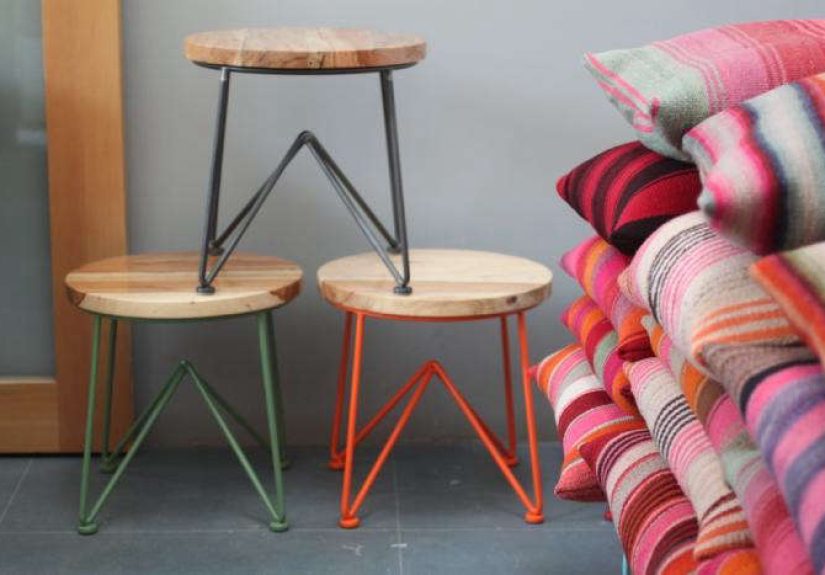
The event centered on Jamey Garza and Constance Holt-Garza, the husband-and-wife team behind Garza Marfa. Their work blends the myths of the American West with the discipline of modern design: leather chairs that feel both ranch-ready and gallery-smart, stools with bright steel bases, textiles with a handmade pulse, and a famous tiled coffee table collaboration with Heath Ceramics. It was not Marfa imported as a souvenir. It was Marfa translatedthrough materials, proportion, craft, and a little desert swagger.
To understand why this mattered, you need to know two places. Marfa, Texas, is a small desert city made globally famous by artist Donald Judd, the Chinati Foundation, contemporary art, big sky, and design pilgrims who pack too much linen. San Francisco, especially the Mission District, has long been a city of makers, food obsessives, artists, fabricators, and people who can discuss tile glaze with the seriousness usually reserved for international diplomacy. Put them together, and you get a design story with more layers than a very expensive throw pillow.
What “Marfa Comes to San Francisco” Was Really About
The original “Marfa Comes to San Francisco” moment referred to a Garza Marfa presentation at Heath Ceramics’ San Francisco location. The show followed the success of a related “Marfa Amigos” exhibition at Heath’s Los Angeles outpost and brought Jamey Garza and Constance Holt-Garza’s furniture and textiles to the Bay Area audience. For design lovers who had missed the Los Angeles show, San Francisco offered a second chance to experience Marfa’s particular blend of ruggedness and refinement.
At the heart of the presentation were Garza Marfa pieces that combined honest construction with visual warmth: saddle leather chairs, small stools, wood-topped tables, pillows, napkins, and the Heath Garza Tile Coffee Table. The collaboration was especially fitting because Heath Ceramics is built around the same principles that make Garza Marfa compelling: durable materials, visible process, strong silhouettes, and a belief that useful objects can carry emotional weight.
The show was not merely about putting furniture in a showroom. It was about showing how design travels. Marfa’s influence did not arrive in San Francisco as a literal cowboy boot or a framed desert photograph. It arrived as a chair with a leather seat, a tile table inspired by textile colors, and napkins stitched with rows of color that looked casual until you realized how carefully they had been considered. In other words, it arrived the way good design usually does: quietly, confidently, and with better posture than the rest of us.
Who Are Garza Marfa?
Garza Marfa is the design studio of Jamey Garza and Constance Holt-Garza. After living and working in California, the couple relocated to Texas in 2003 and settled in Marfa, where they developed a furniture and textile line rooted in art, fabrication, design, and desert living. Their work reflects a rare mix: part West Texas utility, part California ease, part minimalist intelligence, and part “yes, this chair could survive both a gallery opening and a dusty ranch porch.”
Jamey Garza’s background in fabrication and art gives the furniture its structural confidence. Constance Holt-Garza’s experience in fashion and textiles brings color, softness, and pattern into the collection. Their partnership works because the pieces never feel overdesigned. Instead, they feel edited. A Garza Marfa chair does not wave its arms for attention; it sits there, sun-tanned and self-assured, as if it knows it has nothing to prove.
One of the studio’s best-known inspirations is the Acapulco chair, the midcentury Mexican design famous for its relaxed bucket-shaped seat. Garza Marfa reimagined that easygoing form using vegetable-tanned saddle leather and powder-coated steel, giving the chair a tougher, more sculptural presence. The result is a piece that nods to leisure while keeping both boots on the ground. It is beach chair DNA, desert-ranch attitude, and minimalist structure in one handsome object.
Why Heath Ceramics Was the Perfect San Francisco Host
Heath Ceramics is not just a store; it is a California design institution. Founded by Edith and Brian Heath in Sausalito in 1948, the company became known for modern ceramic dinnerware and architectural tile with a distinctive handmade character. Under Robin Petravic and Catherine Bailey, who relaunched the company in the early 2000s, Heath expanded while protecting its original spirit: simple forms, useful objects, rich glazes, and an unusually deep respect for process.
The San Francisco location, opened in 2012 in the Mission District, gave the brand an urban manufacturing home. Inside a large former industrial building at 2900 18th Street, Heath built a space that combined showroom, tile factory, gallery, newsstand, clay studio, and a community of like-minded makers. It was exactly the sort of place where a Marfa design show made sense. The building itself said, “Yes, we sell beautiful objectsbut first, let us show you the people and machines that make them.”
That matters because Garza Marfa’s work is deeply tied to making. Saddle leather, powder-coated steel, hand-finished wood, stitched textiles, and ceramic tile all have texture, weight, and memory. In a sleek white-box gallery, such objects might look untouchable. At Heath, surrounded by clay, kilns, tables, tools, and the hum of production, they looked at home.
The Heath Garza Tile Coffee Table: A Small Object With a Big Conversation
One of the most memorable pieces from the collaboration was the Heath Garza Tile Coffee Table, known as Table No. 1. Inspired by the colors in Constance Holt-Garza’s textiles, Heath assembled a palette of tiles that transformed the tabletop into a grid of color, texture, and restraint. The table brought together two languages: Garza Marfa’s furniture vocabulary and Heath’s ceramic expertise.
What made the table special was not ornament for ornament’s sake. It was the way the tile surface behaved like a textile while remaining unmistakably ceramic. The small rectangular tiles created rhythm, almost like stitched rows on fabric. The table was practical, but it also carried a quiet sense of place. You could imagine the colors coming from desert light, woven cloth, old signs, sun-faded walls, or the strange magic hour when everything in Marfa looks like it has been personally styled by the sky.
Good collaborations do not blur identities until nobody knows who did what. They let each participant remain visible. In this case, the table felt like Heath and Garza Marfa in equal measure. Heath brought glaze, tile, and precision. Garza Marfa brought proportion, context, and the West Texas spirit. Together, they created an object that worked as furniture, craft, and design storytelling.
Marfa’s Design DNA: Minimalism, Land, and the Art of Not Overdoing It
Marfa’s design reputation cannot be separated from Donald Judd. In the 1970s, Judd began shifting his life and work away from New York and toward the wide-open spaces of West Texas. Through the Chinati Foundation, which he established as a site for permanent large-scale installations, Judd helped create a model where art, architecture, and landscape were meant to be experienced together. The idea was not to hang art anywhere convenient. The idea was to respect the relationship between object, room, light, and land.
That philosophy echoes through Marfa design. Objects tend to be clear, material-forward, and resistant to fuss. A chair is allowed to be a chair. A table is allowed to be a table. A wall can be white without apologizing for not being “more fun.” Yet Marfa is not cold. The desert supplies drama: enormous skies, hard shadows, dry wind, and colors that seem to change depending on whether the sun is being polite or theatrical.
Garza Marfa’s furniture captures that tension beautifully. The lines are simple, but the materials are sensual. The leather ages. The wood has grain. The steel bases carry color. The textiles soften the geometry. This is minimalism with a pulseless “do not touch” and more “please sit, but maybe admire the joinery first.”
San Francisco’s Role: Where Craft Becomes Community
San Francisco was a natural landing place for the Garza Marfa show because the city has always had a serious relationship with craft. From studio ceramics and architecture to food, publishing, fashion, and furniture, the Bay Area tends to value process. People here want to know where something came from, who made it, how long it will last, and whether the coffee nearby is good enough to justify a second cup. At Heath, the answer to that last question was conveniently yes.
The Mission District location amplified the experience. Instead of presenting Marfa design as remote, rarefied, or precious, Heath placed it inside a living ecosystem of urban making. Visitors could browse ceramics, glimpse tile production, attend events, explore home goods, and feel the connection between design and daily life. This was not a museum encounter where the furniture floats beyond reach. It was closer to a workshop-meets-showroom-meets-neighborhood gathering spot.
That environment made the Garza Marfa pieces feel usable rather than merely collectible. The leather chairs looked like they could be lived with. The stools looked ready for a kitchen, studio, or sunroom. The linens suggested dinners that start civilized and end with someone telling a long story about a road trip to West Texas. The show made a persuasive case that design is most powerful when it moves from admiration into use.
How to Bring the Marfa-to-San-Francisco Look Home
Start With Honest Materials
The easiest way to borrow from the Marfa Comes to San Francisco aesthetic is to choose materials that do not need disguises. Think vegetable-tanned leather, solid wood, ceramic tile, linen, hemp, wool, steel, and canvas. These materials improve with age, which is a polite way of saying they can survive actual humans.
Use Color Sparingly, But Make It Count
Marfa-inspired design is not afraid of color; it simply refuses to shout all at once. A powder-coated chair base, a row of colored tile, a hand-stitched napkin, or a vivid pillow can carry a room without turning it into a parade float. Choose a few strong tones and let neutral materials do the breathing.
Let Negative Space Do Some Work
One reason Marfa interiors feel powerful is that they allow space around objects. Do not cram every surface with decorative “moments.” A single good chair near a window can be more memorable than seven accessories fighting for attention like contestants on a reality show.
Mix Utility With Beauty
The best pieces in the Garza Marfa and Heath worlds are useful first. Plates are for meals. Chairs are for sitting. Tables hold books, cups, elbows, and occasionally the emotional weight of a Monday morning. Beauty arrives through proportion, material, and touchnot through unnecessary drama.
Why This Design Moment Still Feels Fresh
More than a decade later, “Marfa Comes to San Francisco” still feels relevant because it anticipated many design values that remain important today: local making, durable goods, collaboration, regional identity, and the rejection of disposable décor. In a world flooded with fast furniture and algorithm-approved sameness, Garza Marfa and Heath Ceramics offer a slower, more grounded alternative.
The show also reminds us that regional design can travel without becoming generic. Marfa did not lose its character when presented in San Francisco. Heath did not pretend to be a desert outpost. Instead, the collaboration found shared values: clarity, craft, warmth, and respect for the hand. That is why the story still works. It is not about trend-chasing. It is about two places recognizing something familiar in each other.
In the end, Marfa Comes to San Francisco was not simply about furniture in a showroom. It was about how a chair can carry geography, how tile can echo textile, how a factory can act like a gallery, and how design can make faraway places feel surprisingly close.
Experience Section: What It Feels Like When Marfa Meets San Francisco
Imagine walking into Heath Ceramics on 18th Street in San Francisco with no plan except to “look around for a few minutes.” This is a dangerous sentence. In design stores, “a few minutes” often becomes forty-five minutes, one cappuccino, and a serious internal debate about whether your home deserves better bowls. The Heath space immediately slows you down. The building has that Mission District blend of industrial bones and creative polish: high ceilings, natural light, visible making, and the subtle feeling that everyone nearby knows more about ceramics than you do.
Now place Garza Marfa furniture inside that environment. A saddle leather chair sits with calm authority. It does not sparkle, spin, or beg for attention. It simply waits. The leather has weight and warmth, and the steel base introduces just enough color to keep the room from becoming too solemn. You can see the West Texas influence immediatelynot in a theme-park cowboy way, but in the directness of the materials. It feels like something made for sun, dust, conversation, and long afternoons when the light stretches across the floor.
The textiles change the mood. Constance Holt-Garza’s napkins and pillows bring pattern, stitching, and softness into the scene. They remind you that minimalism does not have to be humorless. A room can be spare and still have charm. In fact, the contrast is what makes the look memorable: leather against ceramic, bright thread against neutral cloth, handmade texture against clean geometry. It is the design equivalent of someone wearing a perfectly cut white shirt with scuffed bootscontrolled, but not uptight.
Standing near the Heath Garza Tile Coffee Table, you start to understand the collaboration. The tiles are small, ordered, and precise, but the color arrangement gives the table life. It does not look mass-produced. It looks composed. You can imagine the discussion behind it: which colors, which rhythm, how much contrast, how much restraint. This is where San Francisco and Marfa meet most clearly. Heath contributes ceramic discipline and urban manufacturing energy. Garza Marfa contributes desert proportion, furniture intelligence, and a feeling of handmade independence.
The experience also makes you think differently about your own rooms. You begin to notice how many objects in everyday homes are just taking up space without earning their keep. Marfa-inspired design encourages editing. San Francisco craft culture encourages choosing better. Together, they whisper a radical little idea: buy fewer things, but make them count. Choose a chair that gets better with age. Use napkins nice enough for Tuesday. Let a table be both useful and beautiful. Give objects room to breathe. And, perhaps most importantly, stop treating “minimal” as a synonym for “empty.”
By the time you leave, the show’s deeper appeal becomes clear. Marfa coming to San Francisco is not about copying a desert town or turning your apartment into a boutique hotel lobby. It is about adopting an attitude: thoughtful, tactile, relaxed, and exacting in the best way. It asks you to notice materials, honor process, and enjoy the quiet confidence of objects that do not need to shout. That is the kind of design experience that follows you homeeven if you somehow manage to leave without buying the bowls.
Conclusion: A Meeting of Desert Soul and California Craft
Marfa Comes to San Francisco remains a compelling design story because it captures a rare cultural exchange between two maker-minded places. Garza Marfa brought the rugged clarity of West Texassaddle leather, steel, wood, textiles, and desert restraintwhile Heath Ceramics provided the ideal San Francisco setting: a factory, showroom, and creative hub devoted to material honesty and long-lasting design.
The result was more than an exhibition. It was proof that good design can travel when it carries real substance. Marfa’s artful minimalism and San Francisco’s craft-driven community found common ground in objects made to be used, touched, studied, and lived with. In a fast-moving design world, that kind of grounded beauty feels not only refreshing, but necessary.
SEO Tags
Note: This article is original editorial content based on publicly available information from reputable U.S. design, art, travel, and maker-culture sources.